
International Security Shaken as Australia and New Zealand Combat the Spread of Illicit Weapons
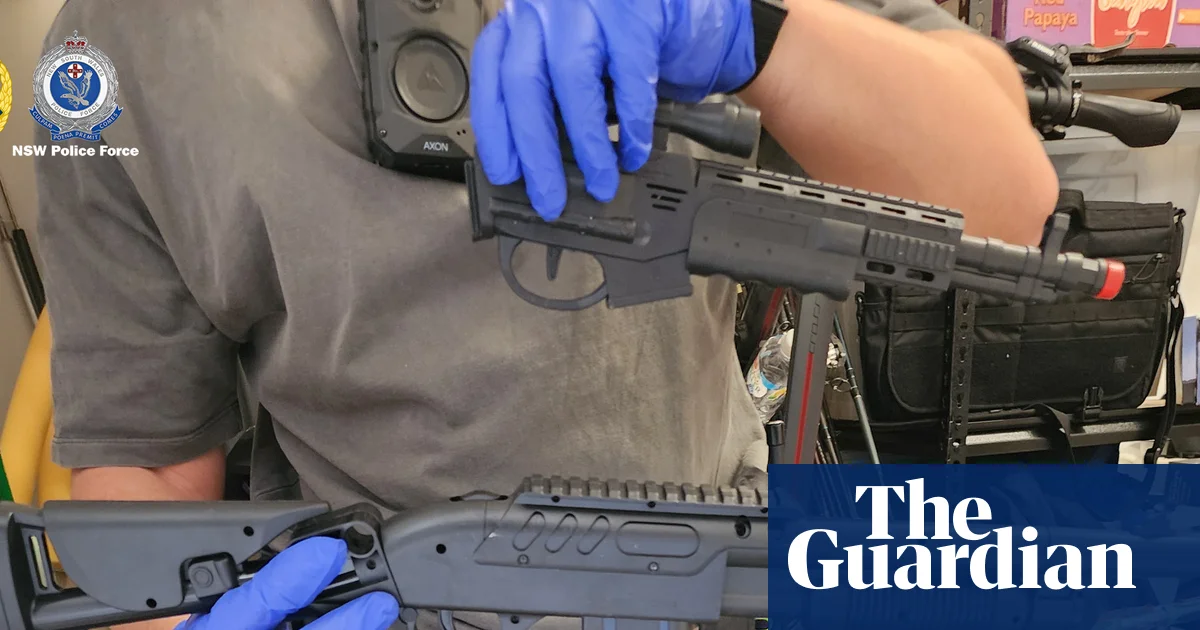
In a decisive move that echoes beyond its borders, Australia and New Zealand have launched an extensive transnational operation aimed at curbing the proliferation of illicit firearms. Over the course of a week, authorities seized more than 1,000 firearms and firearm parts, including weapons manufactured through sophisticated methods such as 3D printing. These efforts resulted in the arrest of over 180 suspects across multiple states and territories in both nations, signaling a critical focus on tackling the rising threat posed by untraceable, homemade firearms in the Indo-Pacific region. This crackdown underscores a pressing concern: how the dissemination of illicit weapons directly threatens the safety and sovereignty of countries committed to rigorous gun control regimes.
How Technology and Global Networks Fuel the Firearms Crisis
- Authorities uncovered multiple 3D printers in New South Wales alongside Glock-style pistols, magazines, and holsters, revealing how technological advancements are transforming the landscape of illicit weapon manufacturing.
- Investigations highlight the gradual evolution of these homemade firearms—from rudimentary, almost one-shot weapons to higher-quality, more deadly arms, often rivaling commercially manufactured guns in reliability.
- Online communities and international retailers play a pivotal role in this expansion, consistently providing blueprints and parts that bypass traditional import controls. Many of these components, often ordered from overseas, assemble into weapons that are difficult to trace, challenging law enforcement agencies around the world.
According to analysts and historians tracking this wave of illicit arms, the trend reflects a dangerous convergence of technology and organized crime. The transnational nature of the trade compromises local and regional security, threatening to destabilize societies that have invested heavily in strict firearm control measures. The rise of 3D-printed weaponry symbolizes a turning point—where the digital revolution democratizes arms manufacturing and complicates international efforts to contain illegal firearms. International organizations warn that these developments threaten to nullify decades of progress in gun safety, creating a new battleground in the war against lawlessness.
Implications for International Security and Sovereignty
The geopolitical impact of the crackdown reverberates globally; it signals a renewed urgency for international cooperation to combat arms trafficking that infringes on national sovereignty. Countries like Australia, which has historically championed gun control, now face an evolving threat: clandestine networks operating across borders, often facilitated by the dark web, and technological advancements that unlock new avenues for illegal manufacturing. This dynamic sparks a debate among security experts about the adequacy of existing treaties and the need for enhanced cooperation, data sharing, and technological oversight.
In response, Australian Border Force officials report detecting over 8,000 illegal firearms, parts, and accessories at customs last year alone, emphasizing how international import routes are exploited by traffickers. For example, the seizure of a flame-thrower and other dangerous items in remote Australian locations underscores how porous borders have become in the face of evolving technology. These seizures demonstrate that, despite formidable regulations, illicit networks are adapting swiftly, pushing nations into a fierce race against time to restore control and safeguard their populations.
Critical voices in the international community, including security analysts and historical experts, continue to warn that neglecting this crisis could leave nations vulnerable to new forms of violence and destabilization. As smugglers and traffickers leverage online platforms and unregulated markets, the threat is no longer confined to a single country but is a shared peril to regional stability and global order. With each seized weapon, the weight of history reminds us: the ongoing battle to preserve sovereignty and public safety is far from over, and the choices made today will shape the security landscape for generations to come.
Conclusion: The Unfolding Battle for the Future
As justice authorities in Australia and New Zealand intensify their efforts, the broader implications for global security become painfully clear. The relentless tide of illegal firearms, fueled by technological ingenuity and transcontinental networks, underscores a stark reality: the fight against weapons proliferation is a battle waged not only on borders but across the digital universe and through the corridors of power itself. The pages of history continue to turn, each chapter woven with the stories of resilience, tragedy, and the indomitable quest to protect societies from chaos—a story still very much written, as the weight of the future hangs in the balance.