
International Reflections as United States Leaders Reassess Institutional Integrity
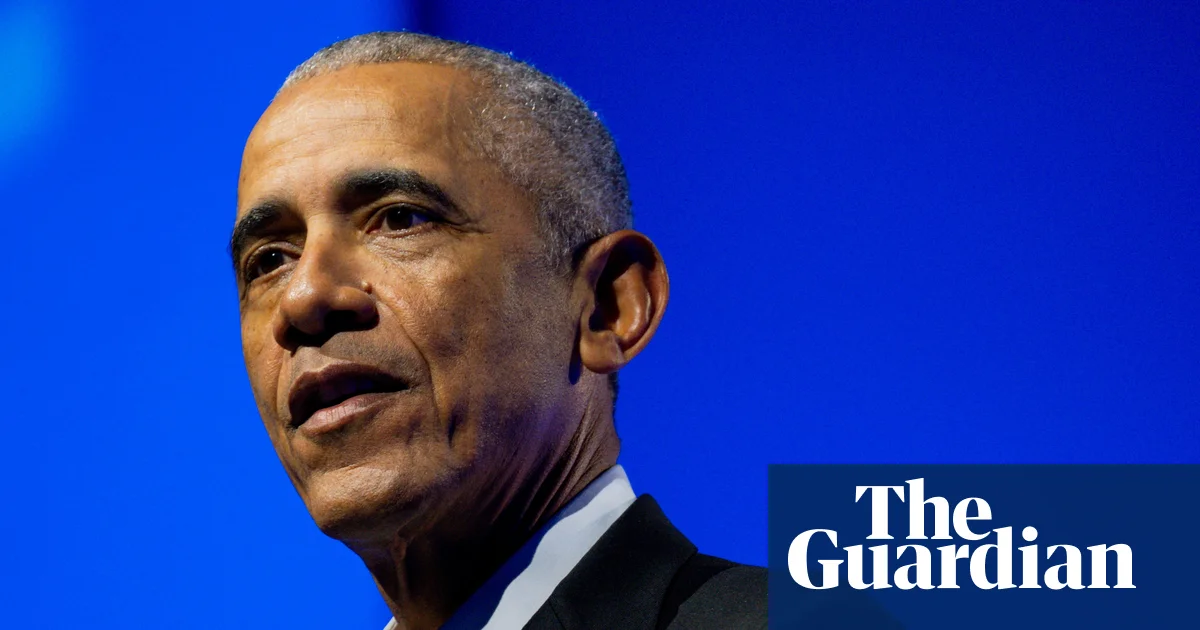
In an era marked by relentless geopolitical shifts, the recent comments from former President Barack Obama serve as a stark reminder of the ideological and strategic crossroads facing the United States. During a heartfelt interview with comedian Marc Maron, Obama emphasized the importance of standing firm on core principles, especially for institutions such as universities, law firms, and corporations—entities that have recently bent to political pressures from the Trump administration. His call exemplifies a broader moral debate on whether these organizations serve as independent pillars or mere pawns in an increasingly polarized global landscape.
Particularly notable is the ongoing realignment within American society to defend what many see as foundational ideals—academic independence, diversity, and the rule of law—against government encroachments. Universities and businesses across the nation have made agreements with the federal government to roll back diversity initiatives and bias targets—actions perceived by critics as capitulation to a political agenda designed to weaken America’s societal fabric. These decisions carry profound geopolitical impact, as they influence not just domestic policy but also America’s international reputation as a defender of democracy and pluralism. Analysts argue that when private and public institutions choose short-term survival over integrity, it emboldens autocratic tendencies, inspiring adversaries such as Russia and China to exploit internal divisions.
Global Ramifications of U.S. Policy Shifts and Ideological Battles
The reverberations from America’s internal struggles are felt far beyond its borders. The international community, including multinational organizations like the United Nations and the World Economic Forum, watches closely as the decision-making process in Washington impacts global governance. Critics caution that ceding moral ground on issues like free speech, diversity, and rule of law risks dismantling the principles that underpin international order. History warns that when dominant nations abandon their foundational values, it paves the way for destabilization, enabling rogue states and authoritarian regimes to fill the vacuum.
Meanwhile, the internal debate in the United States around maintaining ideological integrity unfolds as a microcosm of a broader contest—one where the future of liberty is being shaped. Historians and thought leaders emphasize that the bipartisan ideological battles are not just political—they influence alliances, trade relationships, and nuclear diplomacy. The strategic question remains: will the U.S. be able to sustain its leadership role without sacrificing the moral clarity that once defined it? As U.S. presidential administrations grapple with that dilemma, the world watches, awaiting the next chapter in a complex saga of power, principle, and the enduring quest for national identity amidst chaos.
The Edges of Power and Morality: An Unfolding Story
In a poignant farewell, Maron’s final episode underscores the profound significance of integrity amid mounting societal pressures. Obama’s reflections about the price of standing by convictions—despite discomfort and opposition—resonate as a warning: the delicate balance of power and moral authority hangs in the balance, and history will judge those who falter. As global societies face their own turbulent shifts, the battle lines are drawn. Nations are deciding whether they will succumb to the siren call of expedience or forge a path rooted in conviction. The unfolding narrative of American influence reminds us that even in a time of chaos, the echoes of history urge caution and clarity. The question persists—who will uphold the moral compass in the storm of shifting loyalties?