Matox News

Truth Over Trends, always!

Fighting for What's Fair: Claiming Uni Covid Compensation Despite Uncertainty
Fighting for What’s Fair: Claiming Uni Covid Compensation Despite Uncertainty

Universities Face Legal Challenges Over Pandemic-Related Educational Gaps

In recent months, dozens of universities across the country have found themselves embroiled in legal disputes, after receiving legal notices from students claiming their educational experience was severely compromised during the COVID-19 pandemic. These legal actions highlight a persistent crisis in higher education, where students argue that prolonged closures, remote learning deficiencies, and lack of campus engagement have left them with inadequate preparation for the future and diminished educational value. While institutions initially responded with policies aimed at safeguarding public health, the ripple effects have now prompted a broader societal debate on the responsibilities of educational systems and the long-term effects on families, communities, and the fabric of society itself.

The students’ grievances underscore a fundamental social tension—that the pandemic, while a necessary public health measure, inadvertently exposed and exacerbated existing inequalities and shortcomings within our educational infrastructure. Many students contend that they missed out on critical experiences such as campus interactions, extracurricular activities, and hands-on learning opportunities that foster social cohesion, critical thinking, and personal growth. Sociologists like Dr. Jane Monroe warn that these disruptions threaten to widen the demographic gaps in higher education, disproportionately impacting first-generation college students, those from disadvantaged backgrounds, and families who rely on the stability and opportunities provided by a robust educational system.

Moreover, the legal challenges reveal how these educational gaps influence not only individual students but also the collective well-being of local communities. Without equitable access to quality education, families face uncertain futures, communities grapple with rising inequality, and social mobility becomes increasingly elusive. As historian Dr. Arthur Goldman notes, “Institutions of learning are the bedrock upon which societies build resilience and progress. When these are compromised, the societal fabric frays, especially for the youth who are our greatest hope for renewal.” The pandemic’s failure to provide a resilient educational environment serves as a poignant reminder that the social contract between students, families, and institutions must be reconsidered and strengthened.

In response to these challenges, many experts advocate for

  • reforms in online education technology,
  • greater investment in campus infrastructure,
  • and policies aimed at bridging demographic divides

. These initiatives aim to restore trust in higher education and ensure that future generations are not left behind in a society that continually evolves. Nonetheless, the core issue remains rooted in a moral imperative: society must recognize and address the deep, human impacts of educational disruption, especially on vulnerable populations and their families. As society stands at this crossroads, it is crucial to reflect on the lessons learned from the pandemic and the moral duty to rebuild an inclusive, resilient educational system that fosters not only knowledge but also a sense of community and hope.

As society faces these unprecedented challenges, the image of a resilient, equitable future hangs in the balance. For all their struggles and disputes, it is the collective responsibility to nurture a system that empowers families, uplifts communities, and inspires the next generation to forge a collective destiny rooted in opportunity and moral integrity. Only then can society hope to turn the page, transforming tragedy into a foundation for renewal—an enduring testament to the power of resilience and shared purpose in shaping a better tomorrow.
Why Are Students Claiming COVID Compensation from Universities?

Universities Face Legal Action Over Pandemic-Induced Failures

Across the nation, dozens of universities are confronting legal challenges from students who argue that their institutions failed to fulfill their educational responsibilities during the COVID-19 pandemic. These legal actions highlight a broader societal discussion on the effects of abrupt shifts in higher education on _families_, _communities_, and _the future workforce_. As campuses transitioned to remote learning, many students found themselves disconnected from vital educational resources, mentorship, and social infrastructure—elements that form the backbone of a healthy learning environment.

Legal advocates and student groups claim that these institutions neglected their duty of care and failed to provide equitable access to learning opportunities. For many students, especially those from disadvantaged backgrounds, the pandemic’s disruptions widened the gap in educational equity, impacting not just academic progress, but their overall well-being. The social consequences of these failures resonate beyond campus borders—families face increased uncertainty, and local communities grapple with the long-term repercussions of interrupted education. Sociologist Dr. Lisa Monroe comments that such institutional shortcomings threaten the stability of the social fabric, as the next generation’s preparedness hinges on access and support within these educational institutions.

The Broader Societal Implications of Educational Disruptions

The pandemic exposed underlying vulnerabilities in the American higher education system, questioning whether institutions prioritized bureaucracy over student needs. Many universities were unprepared to shift swiftly to online platforms, leaving students in limbo and often without adequate technological resources. These systemic gaps, according to social historians, mirror longstanding societal inequalities and reinforce existing class divides. As society evolves, the disconnect between policy and the human element underscores the importance of resilient, inclusive educational models. Failure to adapt not only hampers individual futures but also undermines the societal trust essential for community cohesion.

  • Inconsistent access to digital resources has disproportionately affected students from low-income families, exacerbating *educational inequity*.
  • The loss of campus-based support services, such as counseling and mentorship, has heightened mental health challenges among students.
  • Communities reliant on universities for economic stability faced economic downturns as enrollment declined during the pandemic.

Moving Forward: Restoring Trust and Embracing Social Responsibility

Addressing these systemic failures necessitates a multifaceted approach. Critics argue that universities must reevaluate their priorities and implement more inclusive and adaptive strategies to serve their diverse student bodies. Failing to do so risks further alienating vulnerable populations, threatening the societal cohesion that is integral to a thriving democracy. Policymakers and institutional leaders are called upon to ensure that future crises do not repeat the educational shortcomings of the past, emphasizing transparency, technological infrastructure, and equitable access.

Institutional accountability, coupled with renewed community engagement, could foster an environment where education acts as a bridge, not a barrier. As sociologists like Patrick Wilson note, resilient societies are built on the foundations of social justice and support for the most vulnerable. Society must reconsider the role of education—not merely as a path to economic gain but as a moral imperative that safeguards the dignity and potential of every individual. Perhaps, amid the shadows cast by recent failures, there lies an opportunity for renewal—one that places human connection, moral responsibility, and social equity at the heart of educational transformation. In doing so, society might find hope in its capacity to heal, rebuild, and ultimately forge a future where no student is left behind in times of crisis.

Students file new Covid compensation claim against 36 universities, standing up for fairness in society

University Settles Legal Claim Over Pandemic-Related Learning Loss, Spotlighting Broader Social Challenges

The recent settlement by University College London (UCL) regarding a legal claim filed by students highlights a pressing issue that extends far beyond the academic sphere. During the COVID-19 pandemic, countless students from diverse backgrounds faced substantial disruptions to their learning environment, exposing vulnerabilities within our education system that are now unfolding into wider societal concerns. This case serves as a mirror, reflecting how disrupted educational pathways threaten not only individual futures but also the fabric of our families and communities.

The pandemic-induced interruptions, including remote learning challenges and mental health strains, have demonstrated how fragile the connection between educational institutions and societal stability truly is. For many young people, especially those from underprivileged or marginalized communities, these disruptions translate into lost opportunities, diminished earning potential, and impacts that ripple through families for generations. As historian and social critic Dr. Samuel Becker emphasizes, “education is the backbone of societal resilience; when it falters, entire communities bear the burden.” The legal claim settlement indicates a recognition of these profound impacts and underscores the moral responsibility of institutions to safeguard the rights of students as citizens and future contributors to society.

Social commentators point out that such events catalyze cultural shifts regarding our collective commitment to educational equity. Recent sociological studies expose how demographic disparities in access to quality learning have widened, with disadvantaged families bearing the brunt. These gaps threaten to entrench existing societal divisions, fostering a cycle where families struggle to provide their children with the skills required to succeed in a rapidly changing world. Experts like Dr. Lisa Grant, a sociologist specializing in social mobility, warn that unless systemic reforms are implemented, the pandemic’s legacy may be one of increased stratification rather than opportunity.

  • Addressing the crisis involves investing in technological infrastructure to ensure equitable access to remote learning tools.
  • Enhancing mental health support within educational settings is essential to navigate the ongoing emotional toll.
  • Implementing flexible curriculum models can help accommodate students still recovering from pandemic-related setbacks.

While the moral imperative to protect the educational rights of the youth is clear, societal transformation requires broad engagement from policymakers, educators, and communities. Only through committed effort can we aspire to mend the societal fabric torn by this crisis and foster a culture that values resilience, opportunity, and human dignity. As our society stands at this crossroads, it becomes imperative to reflect on the fragile yet resilient nature of community bonds. There remains hope that, through renewed dedication and innovative reforms, we can shepherd our young generations toward a future where learning loss does not define their potential — a future where society’s collective strength prevails over adversity, and the promise of renewal becomes a shared reality for all.

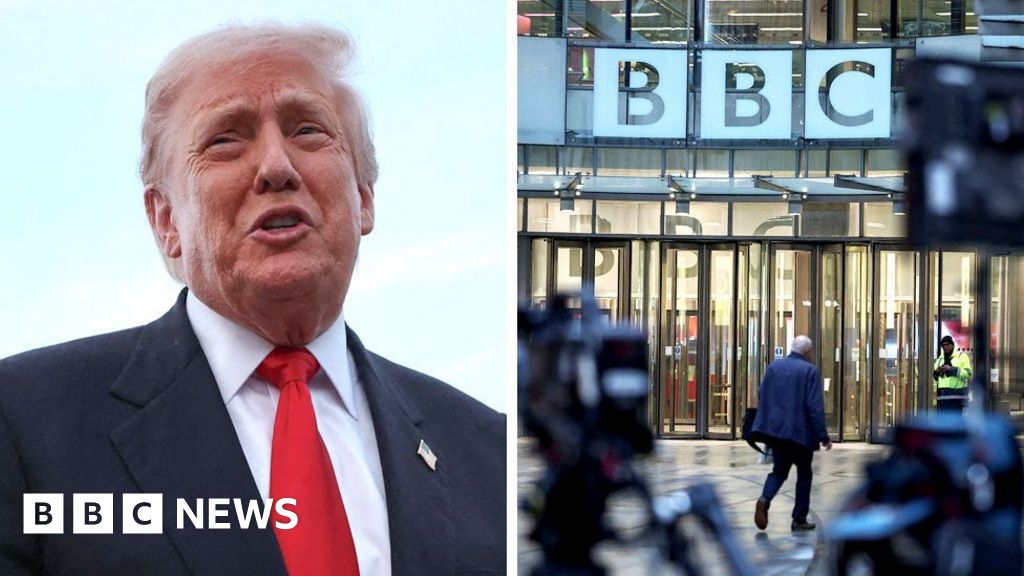
BBC Apologizes to Trump Over Panorama Edit, Won't Pay Compensation
BBC Apologizes to Trump Over Panorama Edit, Won’t Pay Compensation

International Political Landscape Shaken by BBC-Donald Trump Dispute

The escalating controversy surrounding the BBC‘s handling of a documentary featuring former US President Donald Trump exemplifies how media missteps can have profound geopolitical repercussions. The British broadcaster’s recent apology for a manipulated portrayal of Trump’s 6 January 2021 speech—which was edited to give a misleading impression of inciting violence—has ignited a legal and diplomatic firestorm. Lawyers representing Trump have demanded a $1 billion damages settlement, asserting that the BBC’s actions have tarnished his reputation and potentially influenced US-UK relations.

Analysts warn that this spat is not just about media ethics but a reflection of mounting global tensions. The BBC, a bastion of Western liberal values, is now embroiled in a crisis that questions the independence of mainstream media in the face of political interference. Historians and political commentators suggest this incident marks a turning point in how nations perceive media bias and propaganda in the era of information warfare. The incident also comes amidst wider concerns over UK’s sovereignty and editorial independence, as the government announces plans to review the BBC’s charter—an effort to ensure tighter oversight amid claims of bias and politicization, especially in politically sensitive content.

Global Institutions and the Future of Free Speech

  • International organizations, including the Organization for Security and Co-operation in Europe (OSCE), have emphasized the importance of safeguarding freedom of expression while maintaining journalistic standards.
  • The rising tensions have prompted calls from conservative voices in the US and the UK to reinforce national sovereignty over what they perceive as international media overreach.
  • Experts warn that if the BBC’s actions are deemed a precursor, other governments will scrutinize Western media more tightly, potentially leading to new forms of media regulation and censorship—an unsettling prospect for advocates of free press.

Meanwhile, political leaders across the Atlantic are divided. British Culture Secretary Lisa Nandy has pledged that the corporation will uphold the highest standards but also acknowledged gaps in editorial safeguards—a recognition that could reshape the BBC’s governance. Conversely, critics allege that internal political influence, exemplified by appointments like Sir Robbie Gibb, has compromised the broadcaster’s impartiality, fueling suspicion and eroding public trust.

This crisis underscores a broader global struggle: how to balance freedom of speech with responsible journalism, especially when powerful figures like Trump threaten legal action. The BBC’s internal review, triggered by leaked memos and mounting public criticism, reveals the deep fissures in contemporary media standards. As the specter of legal retaliation looms, the question arises: what unchecked narratives will shape history when impartiality is compromised? The unfolding drama leaves the world watching—knowing that in this new era of information, the lines between truth and perception are more fragile than ever.

Social Media Auto Publish Powered By : XYZScripts.com