Matox News

Truth Over Trends, always!

Lenovo’s Bold New Gear: Laptop with Built-In Portable Screen Sparks Buzz Among Young Tech Fans

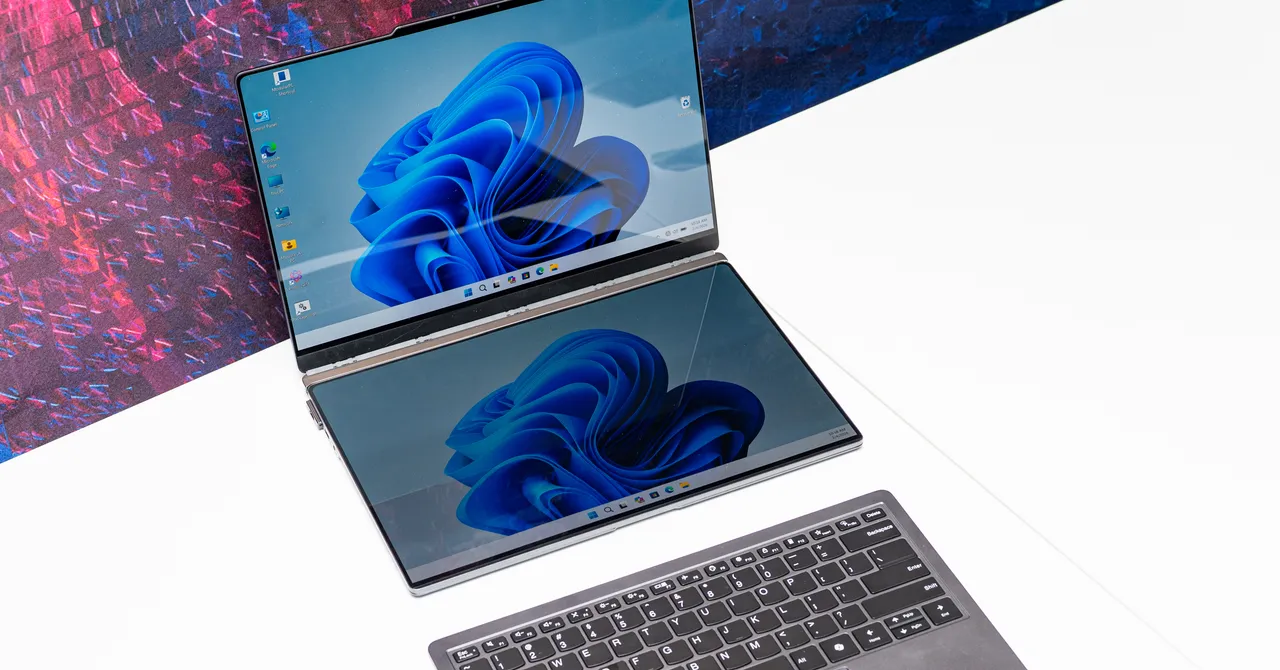
Lenovo Unveils Innovative Yoga Book Pro 3D Concept: A Game-Changer in Creative Technology

In a bold move that exemplifies the ongoing drive toward immersive and tactile digital experiences, Lenovo has introduced the Yoga Book Pro 3D Concept—a revolutionary device aimed squarely at creative professionals and developers. Powered by the formidable Intel Core Ultra 7 processor and equipped with Nvidia’s GeForce RTX 5070, this concept reimagines the boundaries between digital and physical, blending cutting-edge hardware with innovative software to facilitate a new era of 3D asset creation. While still in the prototype stage, its disruptive potential signals a significant pivot in the industry, especially as it aims to serve creators rather than traditional gamers or consumers.

Disruptive Hardware and User Interface Innovations

The Yoga Book Pro 3D departs sharply from conventional portable devices. It features dual 16-inch OLED displays called Lenovo PureSight Pro Tandem, which connect to form a seamless, flexible workspace—effectively replacing the traditional keyboard with a touch-enabled, customizable surface. This approach not only enhances workspace ergonomics but also pushes forward the concept of a truly mobile creative workstation. The device employs Lenovo’s proprietary AI software to support 2D to 3D conversion on demand, allowing users to manipulate digital assets effortlessly. The integration of a built-in RGB camera enables gesture-based control, allowing users to interact with 3D objects through natural hand movements, eliminating the need for a mouse or stylus—an innovation that could redefine creative workflows.

Perhaps the most groundbreaking feature is the set of magnetic snap-on pads that users can attach to the lower touchscreen. These physical accessories serve as tangible triggers for digital shortcuts, such as opening a color palette or adjusting lighting in real-time, providing a hybrid tactile-digital interface. This fusion of physical and digital interfaces aligns with the evolving expectations of a new wave of digital creators seeking immersive, intuitive tools. By bringing tactile feedback into the fold, Lenovo’s design hints at a future where user interfaces become more responsive and naturally integrated into creative processes.

Business Implications and Industry Disruption

This conceptual device signals a potential industry shift—particularly in how creative tools are designed and commercialized. If Lenovo moves beyond concept into mass production, it will introduce a fresh competitive dynamic within tech giants such as Apple, Microsoft, and Samsung, who have pursued similar 3D and AR/VR innovations. The integration of high-performance hardware with novel form factors can disrupt established workflows and challenge traditional notions of portability and interface design.

  • Market potential: A niche yet expanding segment of digital artists, designers, and AR/VR developers eager for more tactile, portable solutions.
  • Innovation driver: Accelerating the adoption of hybrid hardware/software interfaces to make 3D content creation more intuitive.
  • Industry impact: Potentially catalyzing new hardware ecosystems centered around physical-digital interaction modes—setting a standard for next-gen professional devices.

As Elon Musk and Peter Thiel have warned about the importance of disruption and technological frontier-pushing, Lenovo’s Yoga Book Pro 3D serves as a compelling glimpse into the future of tech. If this device or its derivatives become widely available, it could accelerate the shift toward more immersive, user-centered design paradigms—a transformation that promises to reshape not only creative industries but the broader landscape of human-computer interaction. For forward-looking investors, developers, and innovators, understanding and engaging with these breakthroughs now will be crucial to maintaining a competitive edge in the rapidly evolving tech frontier.

Spanish ‘Soonicorn’ Multiverse Computing drops free compressed AI model for next-gen innovation

European AI Innovator Multiverse Computing Disrupts Large Language Model Industry with CompactifAI

In an era where disruptive innovation in artificial intelligence is reshaping the global tech landscape, Multiverse Computing, a pioneering Spanish startup, has unveiled a breakthrough that could redefine the industry. Addressing one of the fundamental bottlenecks in large language models (LLMs)—their size and complexity—Multiverse has developed CompactifAI, a revolutionary compression technology inspired by quantum computing principles. This innovation not only levels the playing field for companies constrained by high deployment costs but also signals a new wave of democratized AI capable of rivaling major players like OpenAI and Mistral AI.

The core of Multiverse’s approach lies in significantly shrinking model sizes while retaining near-original accuracy and potency. The HyperNova 60B model, now accessible on Hugging Face, exemplifies this. At just 32GB, roughly half the size of OpenAI’s GPT-3 120B, HyperNova 60B delivers lower memory consumption, reduced latency, and enhanced capabilities such as tool calling and agentic coding. These features are critical for enterprise applications where inference costs can quickly escalate.

  • Smaller model footprint
  • Lower operational costs
  • Enhanced real-time performance
  • Advanced tool integration

Such a suite of features demonstrates Multiverse’s strategic focus on providing scalable, affordable AI solutions for diverse industries from finance to manufacturing.

Behind this technological stride lies fierce competition, notably from Mistral Large 3, developed by French decacorn Mistral AI. Both startups exemplify how European innovation is challenging U.S. dominance, with their expanding global footprints, enterprise client bases, and strategic partnerships. Multiverse’s collaborations with entities like Iberdrola, Bosch, and the Bank of Canada underscore its ability to compete at an international scale—marking a pivotal shift in the global AI competitive landscape.

Economic implications are profound. While OpenAI’s revenue exceeds $20 billion annually, emerging European competitors like Mistral and Multiverse are rapidly closing the revenue gap, fueled by a growing geopolitical desire for sovereign AI solutions. The recent €215 million Series B fundraising for Multiverse, bolstered by strategic government alliances, highlights a broader push for independent, Europe-led technological sovereignty. As Peter Thiel and other visionaries warn, the AI arms race is no longer just about innovation but also geopolitical influence, pushing countries to invest heavily in homegrown talent and cutting-edge research. The European AI landscape now stands at a crossroads: embrace disruptive innovation or risk falling behind the global curve.

Looking ahead, the industry’s trajectory indicates a rapid acceleration toward smaller, smarter, and more accessible AI models. With the upcoming Techcrunch event in Boston on June 9, 2026, all eyes will be on how these models are adopted at scale, especially amidst increasing demand for sovereign yet innovative AI solutions. Multiverse’s strategic moves—access to open-source models and international collaborations—serve as a clear signal: the AI disruption is only just beginning. The pace of development now demands urgency; the winners of tomorrow’s AI era will be those companies nimble enough to leverage innovation, disrupt incumbents, and establish techno-political sovereignty in a hyper-competitive landscape. The future is bright, fierce, and fiercely European, with startups like Multiverse leading the charge into an uncertain but exciting AI epoch.

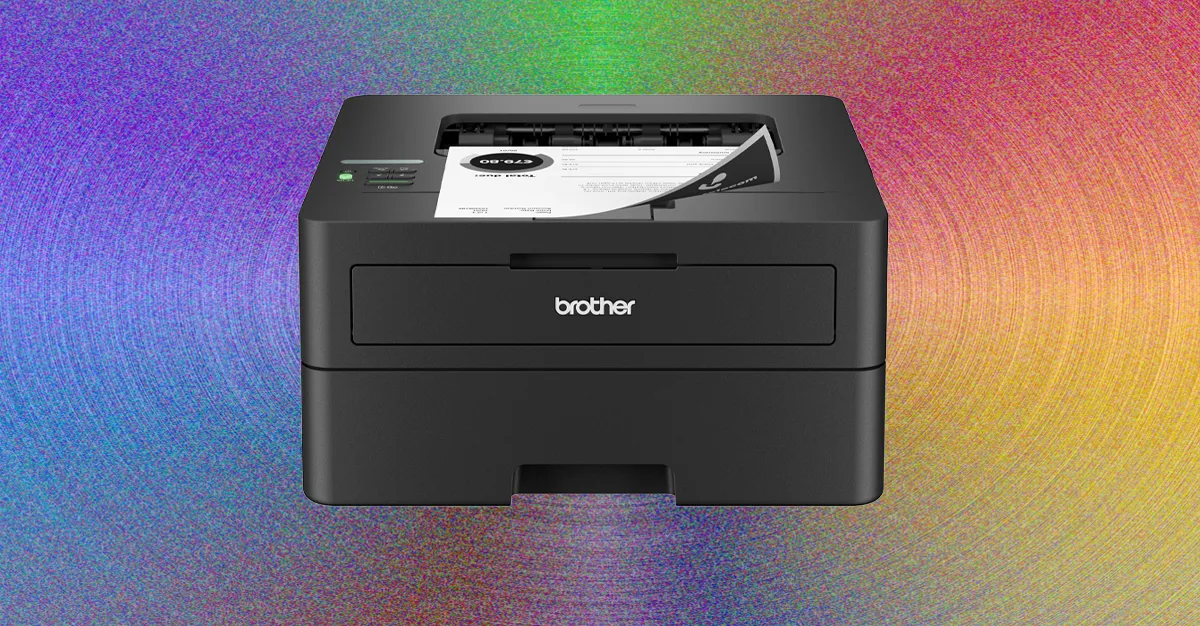
Top Home & Office Printers: Brother, HP & More for the Next-Gen User

Innovation in Printer Technology Sets Stage for Broader Industry Disruption

In a rapidly evolving landscape of digital optimization and hardware innovation, the printing industry is experiencing pivotal shifts driven by disruptive technologies that challenge traditional manufacturing and usage paradigms. At the forefront of this transformation are two dominant segments: laser printers and inkjet models, each with distinct advantages influencing market strategies and consumer choices. Notably, ink tank printers — with their revolutionary approach to ink delivery — are gaining traction, signaling an inflection point in the hardware supply chain and sustainability practices.

Many industry analysts, including those from Gartner and MIT’s Media Lab, point to this development as a case of technological innovation dismantling established market norms. Traditional laser printers, recognized for their speed and cost efficiency over high-volume use, are now facing stiff competition from ink tanks that offer significantly lower ongoing costs and reduce plastic waste. As Elon Musk often emphasizes, “Innovative disruption is about creating new value networks,” and the rise of refillable ink tanks perfectly exemplifies this principle. While laser printers initially require a higher capital investment, their low per-page cost and speed appeal to enterprise functions, but consumer markets are shifting towards more sustainable, cost-effective solutions.

Moreover, business implications extend beyond device innovation. The focus on sustainability — addressing environmental concerns about plastic waste — aligns with a new consumer expectation for eco-friendly, durable, and cost-conscious products. This shift compels device manufacturers to rethink manufacturing models, logistics, and service support. The growing proliferation of thermal printers for shipping labels and simple prints underscores this trend, targeting niche markets with specialized needs but limited print quality requirements. Such innovations signal a broad industry move towards integrated, smart, and environmentally-aware hardware, which will play a crucial role in defining market winners over the next decade.

Looking ahead, the convergence of hardware innovation with advancements in AI-driven print management and sustainable manufacturing will accelerate industry disruption. Tech giants and startups alike are primed to leverage these trends, pushing for more intelligent, versatile, and eco-conscious solutions. As market analysts warn of potential supply chain bottlenecks, especially for specialized components like toner and ink tanks, the urgency for companies to adapt to rapid technological change becomes evident. The productive integration of these innovations foreshadows a future where printing technology not only disrupts traditional office ecosystems but also influences broader industrial and ecological strategies.

In conclusion, the ongoing innovation cycle in printer hardware exemplifies the broader dynamics at play in today’s tech revolution. Disruptive technologies are transforming not only the products themselves but also the entire ecosystem of manufacturing, supply chain, and environmental sustainability. For youth-focused tech enthusiasts and forward-thinking businesses, this is a call to stay alert and ready to adapt to these seismic shifts—because tomorrow’s winners will be those who embrace innovation with urgency and vision.

Social Media Auto Publish Powered By : XYZScripts.com



