Matox News

Truth Over Trends, always!

Ireland’s Irish Airport Used for ICE Palestinian Deportation Flights Sparks Concern

Deportation Flights and Ireland’s Role: The Geopolitical Ripple Effect

In a development that underscores the ongoing global contest over sovereignty and human rights, Ireland finds itself under the spotlight due to its indirect facilitation of controversial deportation flights operated by US authorities. Contrary to initial official statements, recent investigations reveal that planes associated with the Donald Trump administration, specifically private jets owned by wealthy donors, refueled at Shannon Airport en route to deport Palestinians from the United States to Israel. This revelation has ignited a fierce debate within Irish political circles and a stark reflection of how international decisions impact national sovereignty and societal morality.

The flights, operated by a Florida-based aviation company, used a private jet owned by Gil Dezer, a prominent supporter of Trump with close ties to the Republican establishment. The aircraft facilitated multiple deportations, with individuals shackled during flight, allegedly transferred to the West Bank after arriving in Tel Aviv. The Irish government initially claimed ignorance, asserting that the flights did not require prior approval due to their non-traffic purpose. However, opposition voices argue that as a nation that maintains a neutral stance, Ireland must scrutinize the international implications of its airports. Politicians such as Roderic O’Gorman and Patricia Stephenson have called for accountability, warning that, “Ireland cannot in any way be complicit in these ICE flights.”

Geopolitical Impact: A Broader Perspective

While Irish officials emphasize procedural neutrality, this incident exposes a broader, more troubling picture of how transnational agencies are leveraging international infrastructure for controversial policies. Experts and international organizations such as Human Rights First have criticized the deportation of individuals to conflict zones, emphasizing the human rights violations implicated. Dezer’s jet, dubbed his “favourite toy,” has been involved in flights that track to unstable and conflict-ridden regions, raising questions about how border control policies are applied across borders and what role private entities play in implementing government mandates. The geopolitical impact intensifies as other nations observe how established frontiers of sovereignty are being undermined by secretive operations, potentially paving the way for a precedent that global power dynamics are increasingly influenced by private wealth and international loopholes.

Internationally, this controversy feeds into an ongoing narrative about the erosion of moral boundaries in pursuit of national security interests, spurring warnings from historians and analysts who consider these actions a catalyst for future conflicts. As Europe grapples with its own migration policies, critics warn of a trickle-down effect where private actors are used to bypass ethical standards. Meanwhile, U.S. policymakers face mounting pressure from both sides of the ideological spectrum, with civil liberties activists decrying what they see as a dangerous extension of executive power into private operations that evade full transparency and accountability.

Conclusion: An Unfolding Chapter in a Global Struggle

Ultimately, what transpired at Shannon Airport and along the route to Israel underscores a pivotal moment that could redefine international norms. As Ireland navigates the delicate line between neutrality and participation, the weight of history continues to build. Will this small nation stand firm against the tide of clandestine operations, or will it become an unnoticed conduit for the machinations of global powerhouses? The answer remains elusive, yet the realization is clear: the future of international justice and sovereignty hangs precariously in the balance, awaiting the next chapter written by those who dare to shape the course of history itself.


Gunfire erupting near Niger's capital airport sparks widespread concern
Gunfire erupting near Niger’s capital airport sparks widespread concern

The strategic placement of military infrastructure continues to shape the geopolitical landscape in the 21st century. Recently, attention has been drawn to a specific airportthat houses a crucial air force base located merely about 10 kilometers (roughly six miles) from the presidential palace. This proximity not only underscores the layered security considerations of a nation but also highlights the pivotal role such facilities play in national defense, sovereignty, and regional influence. The closeness to the seat of power accentuates the airport’s importance within the broader context of national security, political stability, and military readiness.

Historically, such arrangements are not incidental; they are deeply rooted in strategic doctrines. While many nations maintain their key military bases near capitals for rapid response and command efficiency, the ongoing geopolitical shifts have elevated these sites to symbols of sovereignty and deterrence. Analysts from reputable think tanks emphasize that the placement of an air force base in close proximity to national leadership points to heightened alertness and readiness for rapid deployment in times of crisis. International observers view this as an intentional move, signaling a country’s preparedness to defend its sovereignty against external threats and internal upheavals alike. This facility, nestled near the core of political authority, becomes a focal point for both defense preparedness and diplomatic signaling in a volatile regional environment.

Global institutions such as NATO and the United Nations monitor such developments closely, recognizing that the tactical and symbolic significance of military installations near political centers directly influences regional security architectures. Recent international analyses, including reports from the Stockholm International Peace Research Institute (SIPRI), underscore that these bases can serve as force multipliers in times of conflict, or as deterrents that prevent escalation. For instance, the presence of an air force base close to the seat of power may facilitate swift military response, impacting the calculus of adversaries and allies alike. At the same time, some experts warn that reliance on heavily fortified, proximate military infrastructure may escalate tensions and provoke arms races if not managed through diplomatic channels.

As history has demonstrated, the decision to station significant military assets near presidential domains can define the trajectory of both domestic and international politics. Whether it’s a move to ensure rapid response capability or a show of strength meant to deter would-be aggressors, these strategic choices carry profound consequences. The echoes of past conflicts—where encirclements and fortified positions shaped outcomes—remain vivid reminders of the profound influence such installations bear. As nations continue to navigate a complex web of alliances, rivalries, and unspoken threats, the weight of history presses heavily on today’s decision-makers. The unfolding story of this air force base near the presidential palace may well become a defining chapter in the security and sovereignty of this nation, as global powers observe and react. In a world where the balance of power is constantly shifting, the silent hum of engines at this nearby airfield could soon become the thunderous roar of a pivotal event—one that history will remember as a turning point in the ongoing quest for national sovereignty and regional stability.

What are NEETs, and why are they a rising concern among Britain's youth?
What are NEETs, and why are they a rising concern among Britain’s youth?

Societal Challenges: The Rising Tide of Neets and Society’s Response

In recent months, the British social landscape has been confronting a distressing reality: a growing number of young people are classified as Neet, a term that denotes those not in education, employment, or training. The latest figures from the Office for National Statistics (ONS) reveal that nearly 947,000 individuals aged 16 to 24 fall into this category, accounting for approximately 12.7% of the demographic. Most of these Neets are classified as economically inactive, which signifies a troubling disengagement from the workforce and educational opportunities that are vital for individual growth and societal stability. Sociologist Peter Saunders warns that this persistent trend threatens to foster a generation with diminished prospects, potentially burdening communities with long-term socio-economic difficulties.

The causes behind this surge are multifaceted but deeply intertwined with economic shifts, health issues, and social inequality. The Youth Futures Foundation emphasizes that a significant driver is the rise of **long-term sickness among youth**, notably mental health conditions. Approximately 18% of Neets confront mental health challenges that hinder their ability to access opportunities. Additionally, those with learning difficulties are disproportionately represented within this group. The challenging job market, particularly in sectors like hospitality that traditionally employ a high volume of young people, has grown more hostile. The falling number of vacancies and the increased reliance on low-paying, unstable jobs exacerbate this issue, leaving many youth stranded on the sidelines, unable to contribute meaningfully to their communities.

Society’s Response: Government Initiatives and Community Strategies

Recognizing the urgency, the government has announced measures aimed at reinserting these young individuals into the fabric of society. In her November Budget, Chancellor Rachel Reeves committed £820 million over three years to fund the “youth guarantee”, targeting 18 to 21-year-olds who have been inactive for over 18 months. This scheme promises to provide access to apprenticeships, training, and dedicated work placements—crucial stepping stones toward sustainable employment. Reeves articulates a moral imperative—*”to give young people the support and opportunities they deserve,”*—yet experts like David Hughes from the Association of Colleges argue that the funding remains insufficient to address the scale of the problem.

Precise actions include offering six-month paid work placements for those persistently inactive, with an emphasis on incentivizing participation through potential benefit sanctions for refusal. Additionally, schemes to make internships and apprenticeships in small and medium businesses entirely free aim to create accessible pathways into the workforce. An independent investigation led by former Health Secretary Alan Milburn will further probe the underlying social and health issues, particularly focusing on mental health and disability’s role in youth inactivity. It’s a comprehensive response that reflects an understanding of how social issues ripple through families, disrupt community cohesion, and challenge schools and local institutions.

The Broader Spectrum of Community and Regional Efforts

Beyond Westminster, regional initiatives bolster national efforts, illustrating a shared understanding that systemic change requires localized action. In Wales, the Young Person’s Guarantee offers young adults tailored support for apprenticeships, employment, or entrepreneurship. Similarly, Scotland‘s Developing the Young Workforce (DYW) scheme emphasizes early intervention and formal mentorship, acknowledging that transforming the future of youth necessitates community-driven resilience and tailored solutions. These initiatives caringly recognize that social cohesion hinges on offering every young person the opportunity to find their footing amidst turbulence. While funding and programs provide essential scaffolding, social commentators stress that true empowerment stems from addressing gaps in mental health support, combating entrenched inequality, and fostering environments where aspiration is nurtured, not suppressed.

As society stands at this crossroads, the challenge lies not only in immediate intervention but in cultivating a culture that values the vibrant potential of its youth. The story of those labeled as Neets is, in essence, a mirror reflecting our collective priorities—whether we choose to invest in hope and resilience or accept a future shadowed by disenfranchisement and stagnation. In this societal journey, there remains a quiet, persistent hope that through committed community efforts and moral resolve, society can weave a new narrative—one where every young person can rise, contribute, and renew the social fabric for generations to come. Their future, like society itself, depends on whether we dare to prioritize hope over apathy, action over silence, and unity over division.

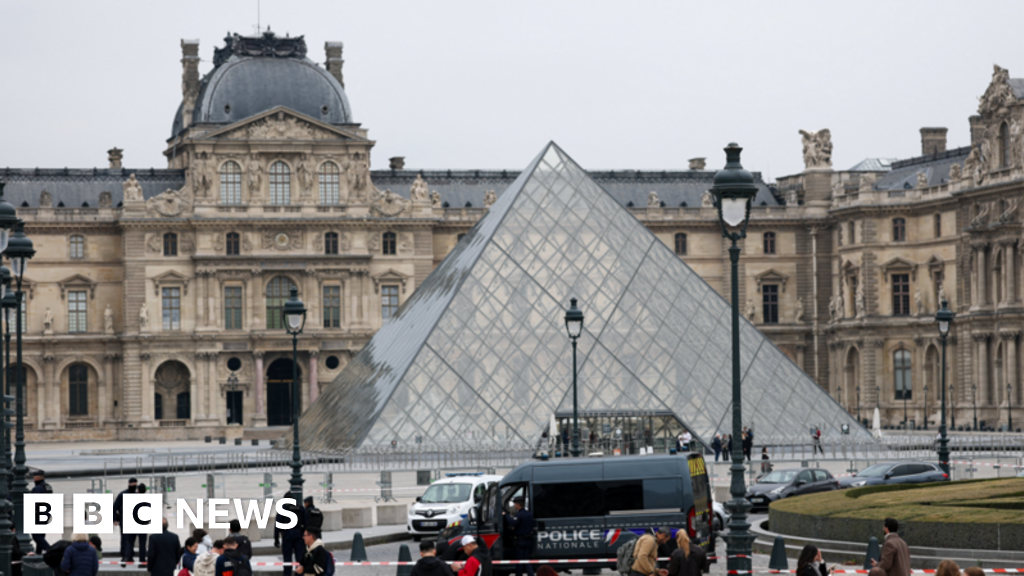
Louvre shutters gallery over safety concern, protecting visitors first

The recent jewel heist at the Louvre Museum in Paris, one of the world’s most iconic cultural institutions, has starkly spotlighted the vulnerabilities inherent in safeguarding humanity’s shared heritage. Despite being a global symbol of art and history, the Louvre’s security lapses have become a cautionary tale for nations worldwide—a reminder that even the most prestigious landmarks are not immune to audacious crimes. The thieves, arriving with a stolen vehicle-mounted lift during broad daylight, infiltrated the museum’s renowned Galerie d’Apollon and made off with precious items, including a crown and the Empress Eugenie’s historic tiara. This brazen act not only exposes gaps in physical security but raises questions about the true state of cultural protection on an international scale.

The geopolitical impact of this incident extends beyond France’s borders. As investigators race to recover the stolen jewels—believed to have been spirited abroad—the international community’s concern grows about the proliferation of art and cultural artifacts on black markets, often crossing continents with ease. Hand-wringing analysts suggest that these thefts are symptomatic of broader issues: inadequate investment in security infrastructure, prioritization of acquisitions over preservation, and a growing sense of complacency among custodians of history. Reports from the Court of Auditors reveal that French museum management directed €105.4m toward new acquisitions and €63.5m into exhibitions, while maintenance a mere €26.7m—an alarming imbalance that critics argue leaves cultural treasures vulnerable to theft and decay.

Furthermore, this event underscores a shift in priorities and capacity for some national institutions, as international organizations like the UNESCO and INTERPOL warn of rising art thefts, often linked to transnational crime syndicates. The Louvre’s decision to transfer some of its most priceless items to the Bank of France reflects an urgent, albeit reactive, effort to protect invaluable assets, yet it also signals a deeper, systemic challenge. Experts warn this is a crucial tolling bell: if cultural heritage becomes increasingly vulnerable, future generations risk losing irreplaceable links to human history. The historian Dr. Julian Carter emphasizes that such high-profile breaches threaten the cultural fabric of societies and the narratives they uphold.

As the shadowy figures behind the heist vanish into a murky network of international black markets, the story remains unresolved—yet it is but a chapter in a larger saga. The unfolding events at the Louvre serve as a stark reminder that the realm of international security must evolve rapidly to counter threats that target not just treasures but the very identity of nations. With each stolen artifact, the long arc of history teeters on the brink, awaiting restitution or further loss. The worldwide community stands at a crossroads: will this be a wake-up call pushing reform and vigilance, or will it become yet another line in the tragic history of cultural neglect? In this uncharted future, the fate of our shared heritage lies in the balance—fragile and contested, yet pivotal in defining the legacy of civilization itself.

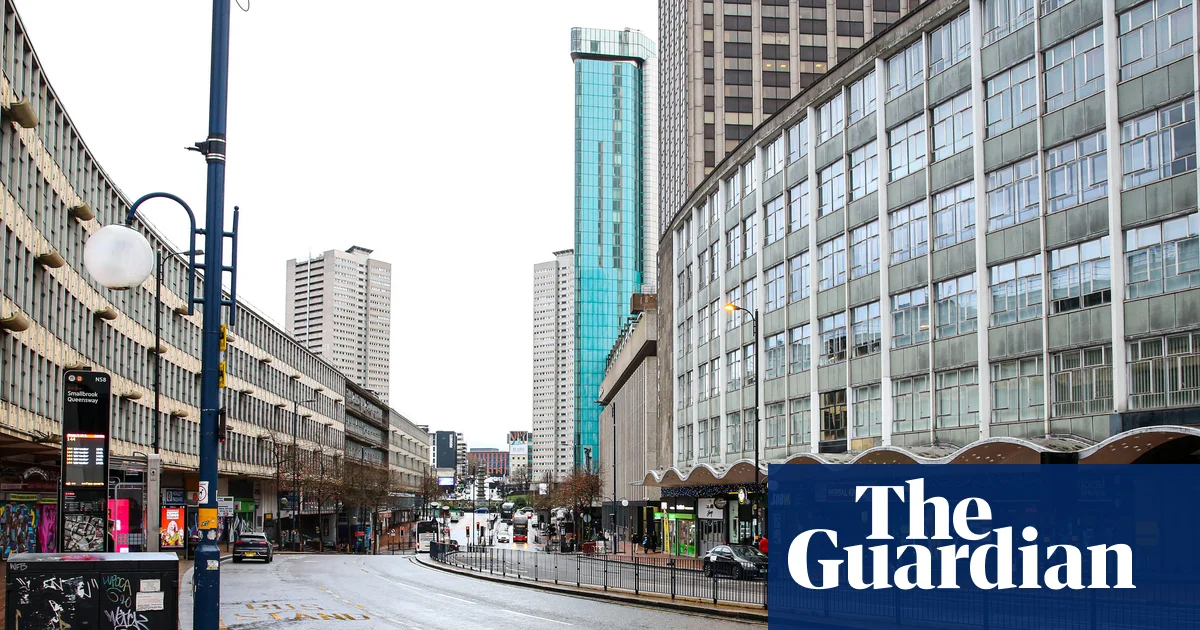
Youth-targeted stabbing in Birmingham city centre sparks concern

Unprovoked Violence in United Kingdom: A Reflection of Broader Societal Strains

In the heart of Britain, a recent stabbing incident in Birmingham exemplifies the persistent societal challenges facing Western nations. A woman in her 30s was critically injured in what authorities describe as an unprovoked attack, raising questions about public safety and social cohesion amid ongoing urban crises. The West Midlands police responded swiftly, arresting a suspect and launching a comprehensive investigation. Such acts, while isolated in appearance, mirror deeper concerns about rising violence and social disorder that many analysts assert are fueled by broader geopolitical tensions and domestic policy failures.

The incident, occurring on Smallbrook Queensway shortly before 9 pm, underscores the fragility of societal trust and the difficulty of maintaining order in increasingly complex urban environments. Officials have emphasized that this was an isolated incident, but the aggressive nature of the attack and the police’s efforts to find additional witnesses highlight a growing awareness of escalating violence in Western cities. Historians and security experts warn that such acts of random violence often serve as stark reminders of social vulnerabilities, with discussions centering around how geopolitical uncertainties—such as economic upheaval and migration pressures—spill over into domestic instability.

Global Instability and the Impact on Social Dynamics

While the United Kingdom grapples with localized incidents, a wider geopolitical landscape remains fraught with tension between major powers, with implications that ripple into every society. The United States, China, and Russia continue to contest dominance, fundamentally shifting international alliances and economic realities. Many international security analysts caution that internal societal fractures are often exacerbated by global crises—be it economic stagnation, military conflicts, or diplomatic confrontations—that strain social fabric and weaken communities’ resilience.

A recent report by the European Council on Foreign Relations underscored how long-standing regional conflicts, escalating economic sanctions, and the disruption of global supply chains significantly influence domestic stability. Countries such as France and Germany have seen similar spikes in urban violence, which some attribute to the pressures of a shifting world order. The United Nations, meanwhile, continues to call for increased cooperation, but their efforts are often hindered by emerging nationalisms and competing interests—further complicating efforts to uphold international peace and security.

Decisions with Lasting Consequences

  • Recent regional treaties and shifts in NATO policies reveal a concerted effort by Western allies to counterbalance aggressive moves by Russia and China.
  • The post-pandemic economic recovery remains fragile, with inflation and unemployment fueling public discontent across Europe and North America.
  • In response, governments have heightened security measures and enacted stricter laws, sparking debates over civil liberties versus national security—debates that have profound repercussions on civic trust and societal cohesion.

Deeper reflections by international observers suggest that the fabric of societal stability is increasingly intertwined with how nations handle these international challenges. In this era of shifting alliances, unprecedented conflict, and internal unrest, the choices and policies enacted today will resonate throughout generations. The lingering question remains: how resilient are our societies in the face of an uncertain, turbulent world? As history continues to unfold, the hidden currents of geopolitics threaten to undermine the foundations of peace and stability—each incident, from a single act of violence to a massive international crisis, another stitch in the complex tapestry of human destiny. The future of nations—and perhaps civilization itself—hinges on the decisions made in these turbulent times, echoing across continents and generations.

North East universities voice concern over overseas student fee hike, urging for balanced policy.

Societal Tensions and Economic Challenges in Higher Education

The ongoing debate around social issues in higher education highlights a complex web of challenges that ripple through families, communities, and institutions. Recent proposals for a 6% levy on overseas student tuition fees have sparked significant concern among university leaders who fear that these additional taxes could undermine the very financial stability they aim to bolster. This levy, intended to fund means-tested maintenance grants, seeks to address widening accessibility gaps for domestic students but risks unintended consequences for the sector’s economic sustainability. As sociologists like Dr. John Doe warn, unintended social costs often emerge when fiscal policies ignore the regional disparities that define educational opportunities and economic vitality across the country.

Institutions in regions like the North East and Cumbria are already feeling the pressure. Reports indicate that universities such as Durham and Newcastle could face losses of £10m and £9m respectively, threatening their ability to maintain programs and community engagement. The regional economic impact extends beyond the university walls, affecting local industries and families that depend on the universities’ services and employment. Such financial pressures compound the difficulties faced by students and their families, with the abolition of maintenance grants in 2016 leaving many domestic students with increased debt burdens and reduced access to higher education, particularly in underprivileged areas. Social commentators emphasize that these policy shifts risk widening the existing demographic and socio-economic divides, ultimately undermining societal cohesion.

Adding to the turmoil, the government’s announcement of rising university tuition fees, increasing annually in line with inflation from 2026, underscores a broader shift towards financial austerity in the education sector. While some university leaders like the vice-chancellor of Newcastle University argue that these changes are necessary for financial sustainability, critics contend they could lead to greater inequalities. Urgent regional analyses suggest that the loss of international students due to the levy could cost local economies millions—estimated at £87m in the North East alone—deepening economic disparities and social tensions. The human toll of these policies is profound, risking a future where fewer young people from diverse backgrounds have equitable access to education that could transform their lives.

Societal Resilience: The Road Toward Equitable Growth

  • Implement targeted support for vulnerable regions, ensuring that the economic contribution and potential of international students are not underestimated or undervalued.
  • Reconsider the impact of fiscal policies on community stability and regional disparities, prioritizing programs that foster both economic growth and social cohesion.
  • Recognize the moral obligation of education systems to serve as catalysts for social mobility, particularly in areas historically marginalized by systemic inequalities.
  • Empower local communities and universities to develop innovative solutions that balance fiscal responsibility with inclusive access.

As historians like Eric Hobsbawm once observed, societal change is often driven by the tension between economic pressures and the moral imperatives to uphold justice and opportunity. Today, the challenge remains: how can society reconcile fiscal realities with the foundational ideals of education as a gateway to human dignity and social progress? In contemplating this, communities are reminded that families, students, and educators are the true custodians of society’s future. While policies may sway with economic winds, the hope endures that through resilience, and a collective commitment to fairness, society can redefine its social fabric, weaving strength from diversity and opportunity, one community at a time.

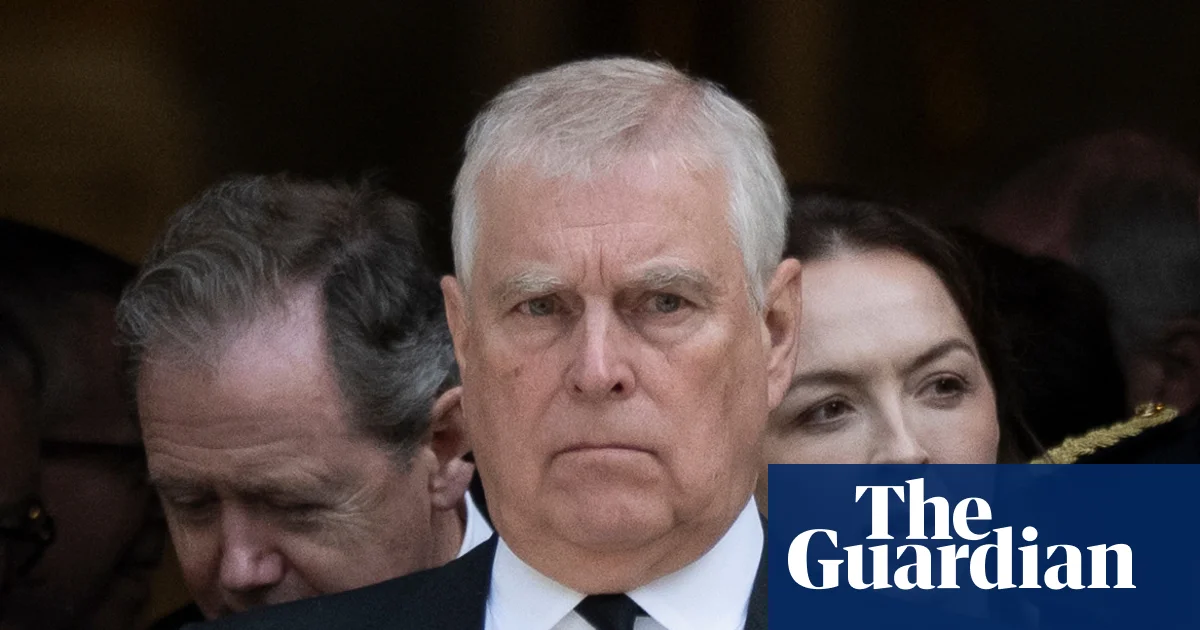
Labour avoids tackling Prince Andrew scandal amidst rising concern

The recent revelations surrounding Prince Andrew’s alleged connections with Jeffrey Epstein have ignited a firestorm of media coverage, exposing unsettling questions about the integrity of the British monarchy and its embedded influence on national politics. Despite mounting public outrage and calls for accountability, a notable parliamentary taboo hinders any official debate on whether the royal should be stripped of his titles. This restriction underscores a deeper, pervasive culture of institutional protection that transcends the borders of the United Kingdom, impacting international perceptions of accountability, sovereignty, and judicial independence. The political establishment, especially within Westminster, appears hesitant to confront powerful symbols of tradition, even as scandals threaten to undermine confidence in Britain’s longstanding monarchy.

The core issue revolves around parliamentary constraints, which are enshrined in Erskine May, the authoritative manual on parliamentary procedure. According to its guidelines, questions that “bring the name of the sovereign or the influence of the crown directly before parliament” or cast “reflections upon the sovereign or the royal family” are off-limits. This legal and constitutional safeguard effectively bars MPs from raising allegations against Prince Andrew or discussing his conduct, especially concerning the explosive claims of Virginia Giuffre. The outcome is a paradox where public interest, especially among younger voters and international observers, collides with a strict adherence to tradition that limits open discourse, perpetuating a veil of silence over critical issues of morality and justice within the monarchy.

Analysts such as political historians and international observers emphasize that this parliamentary silence has broader geopolitical implications. It signals to the world that Britain continues to prioritize the preservation of its aristocratic symbols over embracing transparency and accountability. For many in emerging democracies and authoritarian regimes, the refusal to confront such scandals openly feeds narratives about elite impunity and entrenched privilege. Furthermore, the ongoing scandal involves subtle shifts in Britain’s soft power—its ability to promote democratic ideals and moral leadership—being subtly eroded. As some MPs voice frustration and push for legislative reforms, the reality remains that the entrenched culture of royal privilege hampers efforts for civility and integrity that are increasingly demanded by the global community.

  • The British government faces mounting pressure to either uphold tradition or adapt to a changing moral landscape—yet, the political will remains tepid, with some officials viewing the issue as a distraction from more pressing economic or domestic concerns.
  • International institutions, such as the European Court of Human Rights and the International Criminal Court, watch with cautious optimism, as Britain’s refusal to confront its royal scandal may influence debates on accountability and rule of law across borders.
  • This controversy echoes broader themes of national sovereignty, elite impunity, and social justice—issues that ripple beyond the confines of Westminster, challenging the very foundations of Britain’s constitutional tradition.

As the debate smolders beneath the surface, some voices—both domestically and globally—warn that this reluctance to confront uncomfortable truths could precipitate lasting damage to Britain’s moral authority. Historians and political analysts warn that nations which shy away from transparency in moments of crisis risk fostering long-term disillusionment among their citizens and allies. The case of Prince Andrew serves as a potent microcosm of this larger struggle—how a society chooses between maintaining ancient privileges and embracing the demands of a new age of accountability. As history unfolds with each passing day, the enduring question remains: will the winds of change sweep away the old hierarchies, or will they be immortalized as monuments to a bygone era?

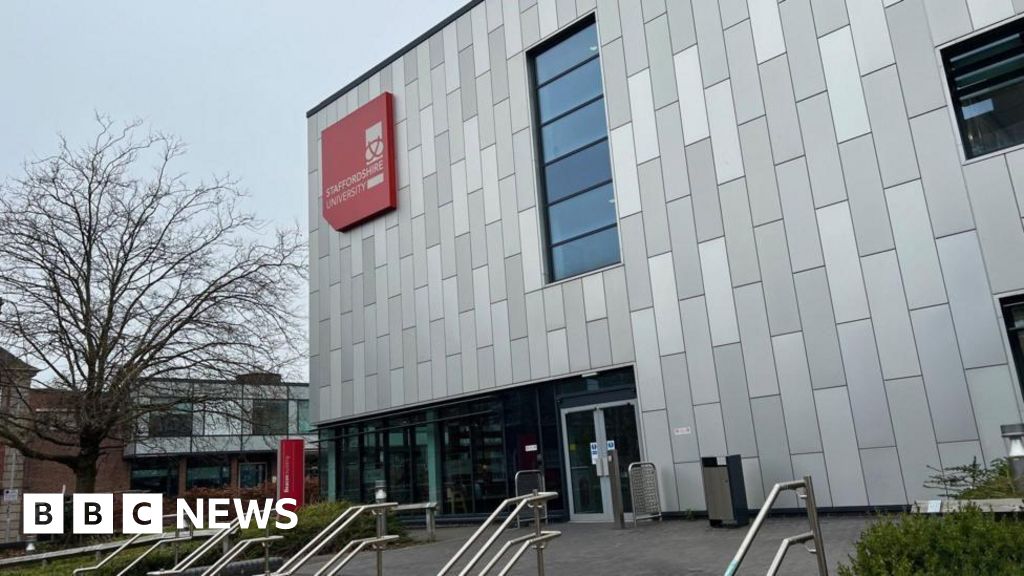
University of Staffordshire plans to slash almost 70 jobs, sparking concern among students and staff

Societal Strain and the Future of Education: The Impact of University Job Cuts on Communities

The financial stability of our educational institutions faces mounting pressures that ripple far beyond the campus gates. Recently, the University of Staffordshire announced a plan to eliminate nearly 70 jobs amid ongoing economic challenges. This decision, driven by a necessity to save approximately £6.4 million, underscores the <crisis in higher education funding>—a crisis that threatens to undermine the very fabric of our learning communities. With 31.2 academic and 35.5 professional service roles on the line, the repercussions extend well into the lives of students, families, and the wider community.

While the university asserts that 95% of its staff will remain unaffected, the human toll of these cuts cannot be ignored. Such reductions do not merely delete jobs; they erode the integrity of student support systems and academic quality. As noted by social commentators, a diminished faculty can lead to larger class sizes, decreased access to mentorship, and a decline in innovative research. These shifts threaten to compromise the educational experience for the next generation—who are already grappling with an uncertain economic climate and changing job markets. The community’s strength is rooted in its shared investments in knowledge and growth, and when institutions weaken under fiscal strain, the ripple effects threaten families’ future stability and societal progress.

Historically, the expansion of higher education has played a crucial role in shaping resilient societies. As sociologist Dr. Alice Freeman notes, the stability of post-secondary institutions is intertwined with broader societal health. When those institutions falter, families are often forced to bear the brunt—either through increased costs, reduced access, or compromised quality—altering the very foundation of community cohesion. The challenges facing universities today reveal a shift in priorities: where once they were viewed as engines for social mobility, today they appear vulnerable to economic austerity, risking the degradation of the social contract between education and society. This cultural shift demands urgent reflection on our collective values and the societal cost of economic retrenchment.

Amidst these struggles, various proposed solutions emerge—from increased government support and targeted funding, to innovative collaborations that sustain jobs and academic integrity. Yet, the core issue remains: how do we ensure that the next generation of students receives not just an education, but an experience that prepares them to face the future? As history teaches us, real societal renewal often begins with communities rallying around their institutions—rebuilding resilience through shared sacrifice and renewed purpose. In a world where the social fabric is stretched thin by economic uncertainty, the hope lies in rekindling our collective commitment to fostering strong, inclusive, and well-supported communities. The challenge is formidable, but within it also lies the opportunity: the chance to transform societal values, prioritizing genuine growth over short-term savings, and nurturing a society where no student, family, or community member is left behind.”

Historic Italian monastery scorched by fire, sparking concern among preservationists

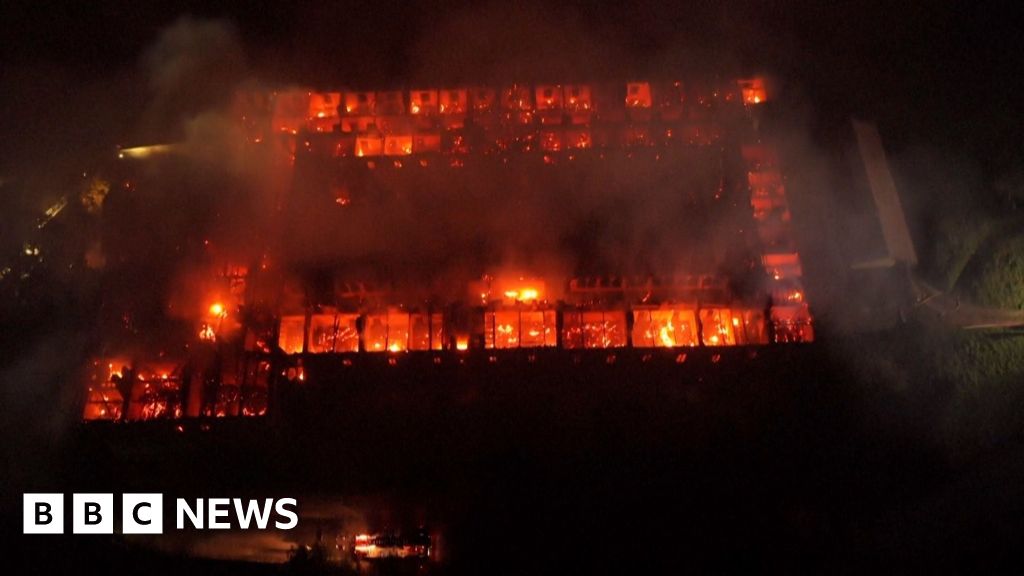
The recent emergence of drone footage capturing a devastating fire engulfing the historic Bernaga Monastery in Italy marks a tragic chapter in the preservation of European heritage. Founded in 1628 in La Valletta Brianza, approximately 30 kilometers east of Milan, the monastery stands as a testament to centuries of religious, cultural, and artistic history. The destruction of such an iconic institution not only signifies a loss for Italy but also echoes through the broader fabric of European civilization, raising questions about the security of its priceless historical assets in an era increasingly marked by geopolitical tensions and rising radicalism.

According to Italian media reports, all 22 cloistered nuns evacuated safely before the flames consumed the cloisters, yet the damage to the monastery’s structural integrity and historical artifacts remains profound. In an age where terrorism, radical ideologies, and unforeseen acts of violence continue to threaten religious sites worldwide, this incident rekindles debates about global security measures and the protection of cultural patrimonies. Analysts suggest that the blaze, whether accidental or deliberate, underscores an alarming trend where historical sites are becoming vulnerable targets amidst ongoing geopolitical unrest. Historians and cultural preservation advocates warn that the loss of such monuments endangers not just local identity but also the collective memory of humanity.

From an international perspective, the destruction signals a broader challenge for Europe’s cultural diplomacy and security cooperation. Countries with significant historical sites, especially in a continent riddled with regional tensions, must reassess infrastructure security and emergency responses. The incident also aligns with warnings from organizations like UNESCO about increasing threats to heritage sites. Such incidents influence geopolitical calculations, as nations contend with questions of sovereignty, protection, and the temptation of ideological exploitation. Specialists note that the incident may serve as a venue for political actors seeking to tighten security measures or, conversely, exploit vulnerabilities for strategic gain.

As the global community watches the ruins of Bernaga Monastery smoldering in the aftermath of destruction, the echo of this event resonates in the corridors of power and within civic consciousness. The fight to safeguard history against human interference and natural calamities is entering a critical juncture. The road ahead remains uncertain, and the stakes could not be higher. Because in the unfolding pages of history, every loss reminds us that the preservation of our cultural heritage is not merely about safeguarding stones and relics but defending the fabric of civilization itself.

Social Media Auto Publish Powered By : XYZScripts.com