Matox News

Truth Over Trends, always!

Rudy Giuliani in ‘critical but stable’ condition after hospital stay

The recent hospitalization of Rudy Giuliani, once hailed as America’s mayor for his resolute leadership during the September 11, 2001 attacks, hassent ripples across both political discourse and international perceptions. At 81, Giuliani remains a symbol of resilience for many conservatives, his health status—described as “critical but stable”—raising questions about the reverberating impact his absence might have on US domestic affairs and global diplomacy alike. His career, marked by unwavering support for former President Donald Trump and his controversial efforts to contest the 2020 election results, underscores the intertwined nature of American internal politics and the wider geopolitical chessboard.

Giuliani’s role as a fiery legal advocate for Trump’s claims, particularly his attempts to overturn electoral results, has ignited fierce debates over §the integrity of democratic processes. These efforts, which culminated in criminal charges against him in two US states and a defamation suit, illustrate the intense ideological divide gripping the nation—a divide that echoes across the world. Analysts from the Council on Foreign Relations caution that such internal strife could weaken America’s standing on the international stage, especially as global powers navigate their own conflicts and strategic interests. Furthermore, Giuliani’s rise from the chaos of 9/11 to the tumult of modern politics exemplifies how individual narratives can influence—and are often overshadowed by—the broader currents of geopolitical shifts.

The health crisis surrounding Giuliani also occurs amid a greater international context: a world increasingly divided under shifting alliances, territorial disputes, and competing visions of sovereignty. The U.S. faces mounting challenges from China and Russia, whose actions in Eastern Europe and the Indo-Pacific threaten to redraw the global power map. Critics argue that internal discord, exemplified by high-profile figures like Giuliani, serves as a cautionary tale for nations unable to unite amidst external and internal pressures. Historians such as Niall Ferguson warn that the internal fractures within democracies could ultimately diminish their capacity to project power, especially when faced with authoritarian regimes that capitalize on chaos and division.

In a world where history is often shaped by pivotal moments, Giuliani’s current plight is more than an individual health scare—it symbolizes the fragility of a nation grappling with its identity. As political analysts dissect the implications of his health crisis, the global community watches with cautious anticipation. Decisions taken today, both in the corridors of power and on the geopolitical stage, will determine the future of free societies and the safety of democracies worldwide. The tide of history continues to surge forward, unstoppable and relentless, leaving nations to confront the lingering shadows of choices made in the crucible of crisis. Only time will reveal whether this moment heralds a new chapter of resilience or marks the beginning of a darker epoch for the free world.

Campaign pushes NHS to better diagnose deadly childbirth condition for safer pregnancies

Addressing the Glaring Gaps in Maternity Care: A Wake-Up Call for Society

In recent times, stories like that of Amisha Adhia have brought to light a troubling reality: despite advancements in medical technology and awareness, the failure of NHS hospitals to diagnose critical pregnancy complications remains a significant societal concern. Adhia’s experience underscores how systemic negligence and the undervaluation of specialist roles can jeopardize not just individual lives but the fabric of families and communities. Her campaign, Action for Accreta, aims to urge the NHS to improve detection and treatment for placenta accreta spectrum (PAS), a condition that, if overlooked, can lead to catastrophic outcomes like severe hemorrhaging or death.

Social commentators and sociologists have long analyzed how demographic shifts—particularly the rise in cesarean sections and IVF treatments—are impacting maternal health. Historian and social critic Dr. Jane Marshall points out that increased medical intervention, while lifesaving in many cases, also results in unintended consequences. As the rate of C-sections in England surpasses vaginal births, the risk profile for conditions like PAS inevitably grows. These demographic changes challenge new parents and extended families, transforming childbirth from a natural process into a complex medical event that necessitates specialized knowledge and community support.

The impact on families is profound. When pregnancies involve overlooked risks, families face not just the trauma of possible loss but the emotional toll of feeling unheard or dismissed by medical institutions they trusted. After her distressing experience, Amisha Adhia’s story has sparked conversations about the importance of early diagnosis and proper care pathways. The absence of comprehensive data on PAS prevalence and outcomes further complicates efforts to allocate resources effectively. Such gaps highlight the societal failure to prioritize maternal health, especially when the well-being of women and children is fundamental to community stability.

In response, health authorities and advocacy groups are calling for

  • updated clinical guidelines
  • more specialized training for NHS staff
  • heightened awareness of demographic risk factors

. The Royal College of Obstetricians and Gynaecologists emphasizes the importance of early detection, yet acknowledges that care protocols must adapt to the demographic realities. Social commentator Dr. Samuel Price reminds us that fixing these gaps requires both policy reforms and a collective cultural shift that values specialized medical knowledge and community vigilance. As society grapples with issues of health justice, the enduring hope remains: through collective effort, we can forge a safer future for mothers and their children.

Reflection and Hope for the Future

Society’s challenge lies in bridging the gap between technological capability and moral responsibility. Building resilient communities involves not just medical reforms but fostering a culture where families feel heard, supported, and protected. With ongoing reforms and heightened societal awareness, there lies hope — that the day may come when no mother’s life is compromised due to overlooked warning signs, and every family can embrace birth as a time of hope rather than risk.

Australia Shark Attack: Woman Killed, Man in Critical Condition on NSW Beach

Rising Tragedy on Australia’s Shores: A Wake-Up Call for Global Marine Safety

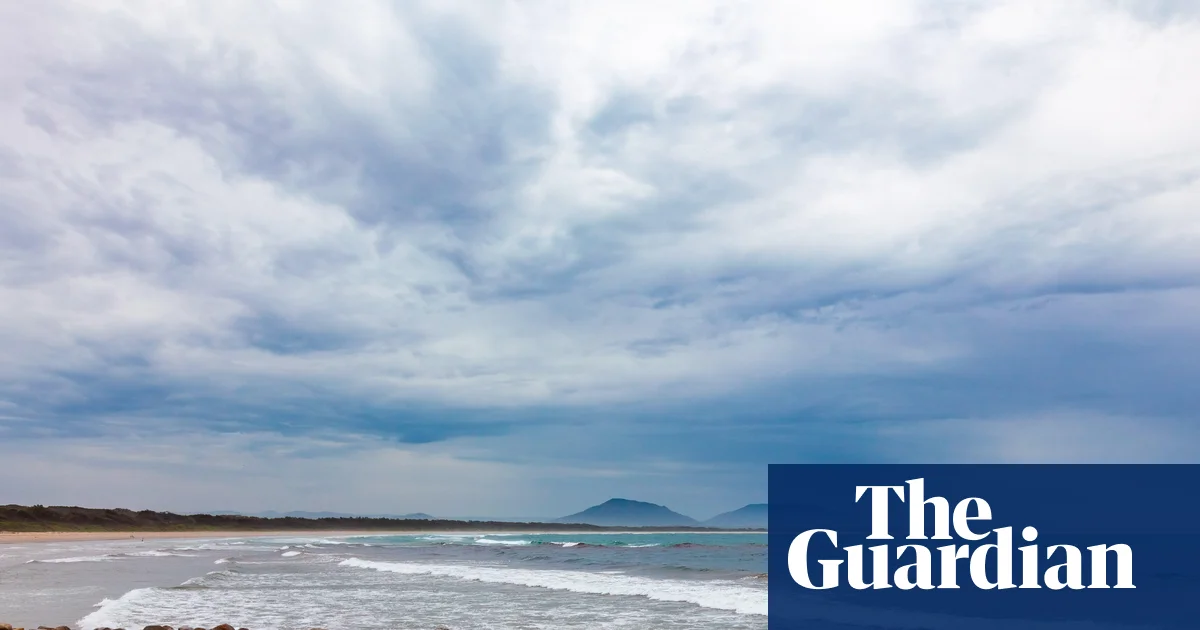
In the latest chapter of Australia’s ongoing struggle with marine safety, a tragic shark attack on the New South Wales mid-north coast has resulted in the death of a woman in her 20s at Kylies Beach. Emergency responders responded swiftly early Thursday morning, but despite their efforts, the woman succumbed to her injuries at the scene. The incident also left a man critically injured, though he is now reported to be in a serious but stable condition. Such events have become a stark reminder of the increasing dangerous interactions between humans and marine life, sparking debates on how international communities should address the rising threat of shark attacks amid climate shifts and human encroachment.

Australia’s rising number of shark bite incidents has raised alarm bells across the international community, with experts citing an unprecedented increase in unprovoked bites over the last two decades. According to Prof. Charlie Huveneers from Flinders University, while the surge in water activities among Australians contributes to the risk, other factors—possibly including climate change, coastal development, and shark migration patterns—are fueling an intensifying threat. Over the past year alone, Australia has experienced five fatalities due to shark attacks, with the current year marking 13 unprovoked bites—10 fewer than 2023 but still indicative of a troubling trend.

Local authorities, responding to the incident, promptly closed Kylies Beach and deployed advanced “smart” drumlines equipped with real-time shark monitoring capabilities. These non-lethal devices, which use baited hooks to lure and tag sharks before releasing them back into open waters, exemplify innovative strategies being considered by international marine safety agencies. A report from the Department of Primary Industries (DPI) aims to identify the species involved and assess the ongoing threat, demonstrating Australia’s commitment to balancing ecological integrity with human safety. Such measures, along with drone surveillance, highlight how technology is increasingly critical in managing human-wildlife interactions on a global scale. However, international experts note that while these efforts are vital, they remain only part of the solution, as the root causes of rising shark encounters are complex and multi-faceted.

Looking beyond Australia, the geopolitical impact of marine safety and climate-related shifts in marine ecosystems could have far-reaching consequences. Nations with extensive coastlines—such as the United States, South Africa, and countries across Southeast Asia—are closely watching Australia’s approach, as the patterns of shark migrations and oceanic changes are global phenomena. As international organizations like the United Nations Environment Programme (UNEP) caution about climate change’s role in altering marine biodiversity, analysts warn that uncoordinated responses could exacerbate tensions and threaten maritime economies. Historians and environmental experts emphasize that these incidents are a “turning point,” underscoring the urgency of collective global action on climate mitigation, marine conservation, and sustainable tourism. Failing to act decisively may result in an era where coastlines are plagued by ever-increasing dangers, and societies are forced to confront the devastating costs of ecological neglect.

In this unfolding saga of survival and sovereignty over the seas, the incident at Kylies Beach serves as a visceral warning—one that underscores how decisions made today will carve the contours of future generations’ relationship with the ocean. As history rushes forward, the question remains: will humanity learn to coexist with these majestic but unpredictable creatures, or will we continue to witness tragedies that echo through the corridors of time? The weight of this moment rests heavily on the shoulders of international leaders, environmental strategists, and communities alike. The tide is turning; the narrative of human stewardship over the ocean is still being written, and the world hangs in the balance as nature’s patterns reveal that no coast, no matter how remote, is immune to the profound shifts underway.

Social Media Auto Publish Powered By : XYZScripts.com