Matox News

Truth Over Trends, always!

Texas lawmaker confesses affair with aide who tragically took her own life, House hearings reveal

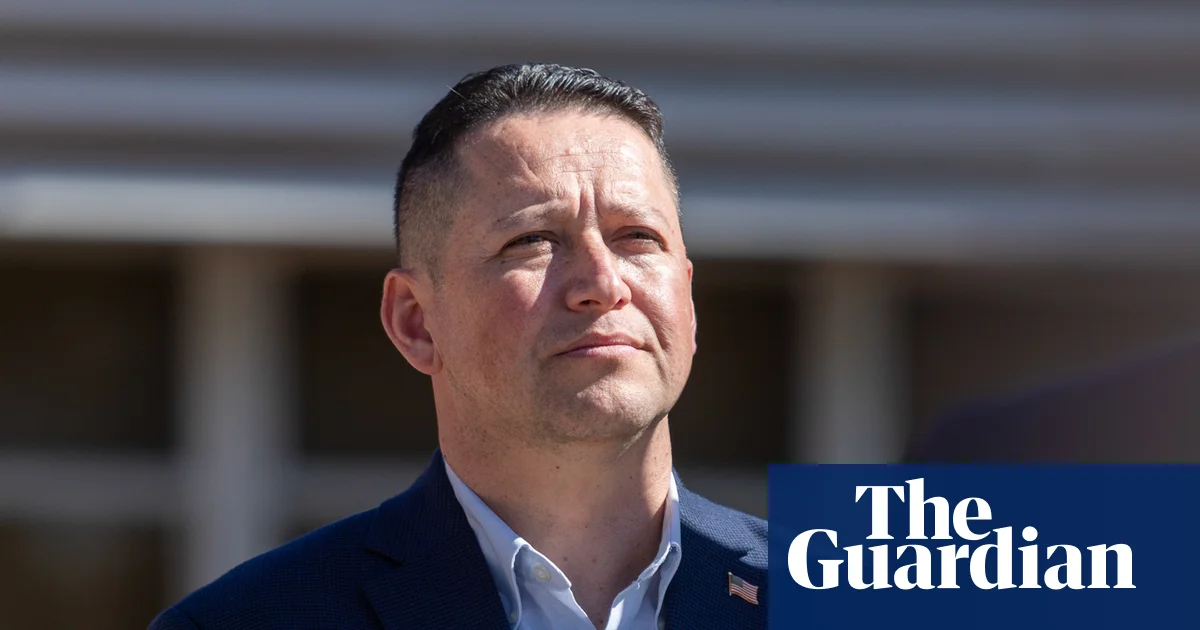
In a raw display of personal scandal intersecting with national political drama, US House representative Tony Gonzales, a seasoned Republican from Texas, publicly acknowledged an extramarital affair with an aide who tragically took her own life last year. The revelation, made during an interview with conservative media personality Joe Pags, has added a new layer of turbulence to Gonzales’s political career, coming amidst an ongoing ethics investigation into allegations of misconduct within his congressional office. Such domestic turmoil in a leader from a pivotal U.S. border state underscores how personal flaws can cast long shadows over a politician’s role on the national and international stage, especially as the U.S. grapples with complex issues like border security, immigration, and internal polarization.

The House ethics committee swiftly opened an investigation, citing concerns over potential sexual misconduct and unfair privileges involving Gonzales and his staff. As the top Republican and Democratic members jointly emphasized, this inquiry aims to uncover whether Gonzales abused his office or engaged in any discriminatory conduct—charges that threaten to rattle the political landscape further. Gonzales, who has declared his intention to remain in office, insists that the full truth will emerge and has expressed remorse, claiming reconciliation with his wife and faith as guiding principles through the controversy. Yet, the undercurrents of this story resonate beyond mere personal morality: such scandals have historically shaken political systems, fueling public disillusionment and emphasizing the fragility of leadership in a nation grappling with internal discord.

Adding a profound layer of tragedy, recent reports reveal that the aide involved, Santos-Aviles, died by setting herself on fire in her Texas home, an event marked as a suicide. Text messages obtained by media indicate that the affair was known to her husband before her death, stunning observers and raising questions about the intersection of personal despair and political scandal. This personal tragedy, intertwined with Gonzales’s own disclosures, echoes a broader narrative of societal erosion where the fallout from political misconduct spills into private lives—challenging how nations view accountability, morality, and the human toll of public service. Commentators and historians alike warn that such incidents threaten to deepen societal divisions, erode trust in institutions, and serve as cautionary tales for political figures.

  • The investigation into Gonzales’s conduct underscores how internal political ethics can influence broader geopolitical stability, especially when seasoned diplomats and leaders are seen as ethically compromised.
  • The U.S. domestic scene mirrors global fears of corruption, moral decay, and the consequences of unchecked power—issues that resonate with international audiences tracking democratic resilience in an era of upheaval.
  • Historical analysts argue that scandals like Gonzales’s often trigger reform calls—and, at times, power shifts—alerting other nations to the importance of integrity in leadership on the world stage.

As the saga unfolds in Texas, it leaves the world pondering the pervasive reach of personal failure into the corridors of international influence. What does this scandal suggest about the moral fabric of Western democracies? Will it serve as a catalyst for reform, or deepen public apathy and cynicism? With each new revelation, the stakes rise—not just for Gonzales and his constituents, but for the fragile weave of global stability that depends on trusted guardians of democracy. The stories we witness today are more than isolated incidents; they are pages in history’s ongoing narrative—a narrative where decisions made behind closed doors echo loudly across continents, shaping the destiny of nations yet to come. As history watches silently from the shadows, the weight of the moment underscores one unalterable truth: the choices and failures of today will, in time, define the legacy of tomorrow’s world.

NSW Transport Official Confesses to Bribery Scandal at Oporto to Inflate Invoices

Corruption Scandal in New South Wales: A Window into International Governance and Accountability

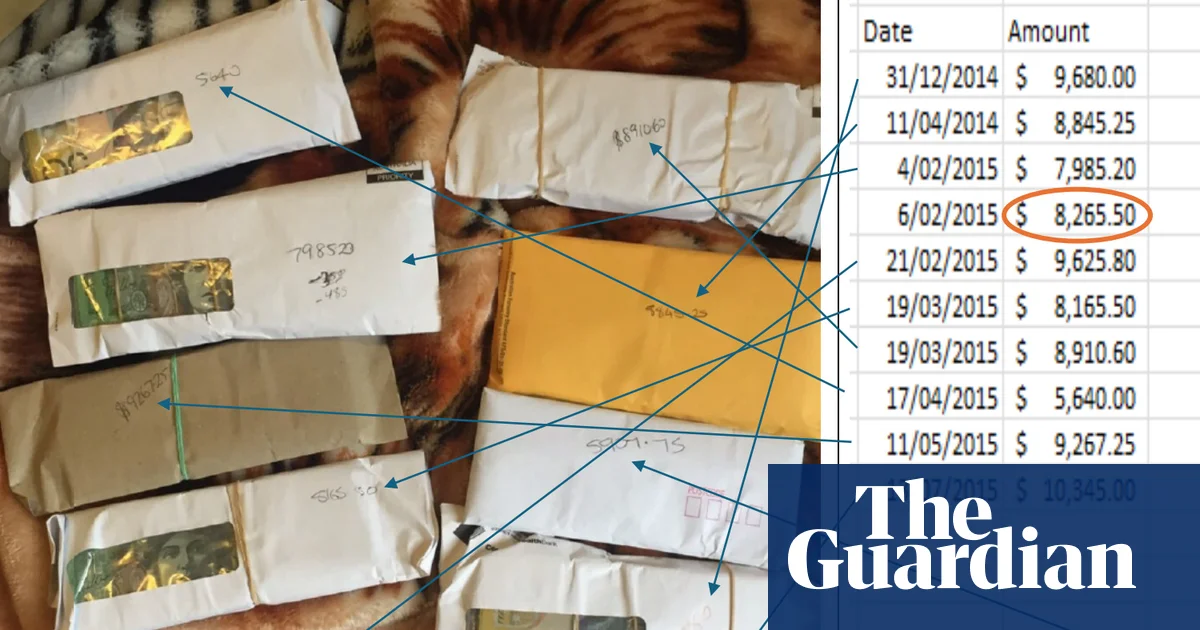
In a development that underscores the persistent fight against corruption within governmental institutions, Australia’s New South Wales Independent Commission Against Corruption (ICAC) is currently investigating a multi-million-dollar kickback scheme involving senior officials. The case of Ibrahim Helmy, a former project engineer at the Roads and Maritime Services (RMS), offers a disturbing glimpse into how entrenched corruption can erode trust in public infrastructure development, which has significant geopolitical undertones, especially in regions with booming infrastructure projects. As the investigation unfolds through detailed testimonies—exposing falsified invoices, illicit cash exchanges, and scheming at the heart of Sydney’s transport sector—the implications ripple far beyond Australia, impacting regional stability and international perceptions of governance.

This scandal is not merely an isolated incident; it reflects broader systemic vulnerabilities that many nations face in their efforts to combat corruption. Helmy’s admissions, including his involvement in inflating invoices related to key Sydney roads such as the M4 motorway, highlight how state resources are manipulated to benefit private interests at society’s expense. Such breaches of integrity threaten not only economic development but also the legitimacy of state institutions. In the context of Australia’s strategic regional role—positioned within the Indo-Pacific—a failure to address corruption effectively could weaken alliances, deepen foreign skepticism, and hinder efforts towards regional cooperation on governance reforms. Asian and Pacific analysts warn that unchecked internal scandal feeds into a narrative of governance fragility, which adversaries could exploit to undermine Western-backed infrastructure and development initiatives.

Moreover, the case of Helmy underscores how international standards and treaties—such as the United Nations Convention Against Corruption—are vital in establishing accountability benchmarks, even as local institutions grapple with enforcement challenges. According to experts at Transparency International, the persistence of such schemes in federal or provincial levels demonstrates that anti-corruption frameworks require not only legislative strength but also political will. The international community watches closely as Australia demonstrates its commitment to transparency, for its credibility directly influences regional and global cooperation. Whether or not Helmy’s case results in criminal charges, the exposure of these corrupt practices may catalyze tougher reforms in public procurement laws and enforcement agencies that can serve as models for emerging economies grappling with similar issues.

Finally, the broader geopolitical impact of this scandal is evident in the way corruption scandals taint international perceptions of stability and governance. As historian Dr. Laura Grant notes, “cases like Helmy’s serve as a reminder that even seemingly stable democracies are vulnerable to internal decay, which can be exploited by adversaries to foster instability or justify external interventions.” With ongoing investigations extending into allegations of over $11.5 million in personal receipts, and the involvement of figures linked to private contractors, the case echoes through corridors of power and influences international discourse on governance integrity. The unfolding story remains a stark warning—one that reminds us all that in the relentless tide of history, the struggle against corruption is a vital battleground shaping the future of nations.

Social Media Auto Publish Powered By : XYZScripts.com


