Matox News

Truth Over Trends, always!

US-Israel Tensions with Iran: Netanyahu Predicts Long Conflict as IDF Warns Lebanese Civilians

Global Tensions Escalate in Middle East Conflict Amid US, Israeli, and Iranian Actions

The recent surge in military activity across the Middle East signifies a critical turning point in international relations, with USA forces claiming to have destroyed key Iranian Revolutionary Guards command facilities, missile launch sites, and air defense capabilities. This development marks a significant escalation in the ongoing US-led campaign against Iran, directly targeting its military infrastructure in what officials describe as “decisive action” against an “imminent threat.” According to US Central Command, these operations are part of a sustained effort to dismantle Iran’s ability to arms terrorist networks outside its borders and prevent further regional destabilization.

In parallel, the Israeli military has engaged in extensive strikes against Tehran and Beirut, while issuing evacuation orders for strategic locations in Lebanon amidst fears of imminent hostilities. This coordinated campaign underscores a broader geopolitical shift, intensifying the confrontation and risking broader regional chaos. Israeli Prime Minister Benjamin Netanyahu has publicly stated that this war may take “some time,” but assured it won’t be an “endless conflict,” emphasizing a desire for swift, decisive victory. Analysts, including those at the Council on Foreign Relations, warn that these aggressive postures threaten to ignite a broader war involving multiple state and non-state actors.

Strategic Ramifications and International Response

Amid the mounting military engagements, the region has plunged into disarray. The US has ordered all citizens to evacuate over a dozen Middle Eastern countries, including Saudi Arabia and the United Arab Emirates, citing rising risks of further attacks and diplomatic instability. The Saudi embassy in Riyadh was reportedly struck by drones early Tuesday, causing a fire and leading to a temporary diplomatic closure—a stark reminder of how quickly regional security can unravel.

Further complicating the situation, Iran’s Revolutionary Guards claimed a drone and missile attack on a US air base in Bahrain, asserting that they destroyed the base’s main command headquarters—a move likely to provoke retaliatory strikes. International organizations such as the UN have expressed concern, urging de-escalation, but their calls seem overshadowed by hardened rhetoric and ongoing hostilities. Meanwhile, the strategic choke point of the Strait of Hormuz, vital for oil and gas shipments, hangs in the balance after threats from Iran to close navigation, risking a potential global energy crisis. The U.S. military remains cautiously optimistic, asserting the Strait remains open, but the threat of escalation looms large.

Projection of War and the Shift in Global Power Dynamics

As the conflict continues to spiral, former Secretary of State Marco Rubio stated that the “hardest hits” are yet to come, hinting at a prolonged and punishing campaign against Iran. Meanwhile, President Donald Trump has laid out broad objectives, including dismantling Iran’s missile capabilities, naval forces, and nuclear ambitions—all with an eye toward curbing Iran’s regional influence.

Historian Samuel Huntington and geostrategic analysts warn that this conflict risks reshaping the global power balance. Worst-case scenarios include a broader regional war, economic turmoil, and centering the Gulf’s geopolitical importance in American and allied foreign policy for decades to come. How nations respond in these critical moments will determine the nature of international stability in the years ahead, with the weight of history pressing heavily upon these decisions. As the echoes of drone strikes, evacuations, and military escalations reverberate across capitals, the world stands at a precipice. The unfolding story of the Middle East’s chaos may well forge a new era—one defined by confrontation, resilience, and the relentless pursuit of national interests amid the uncertainty of a world still on the edge of war.
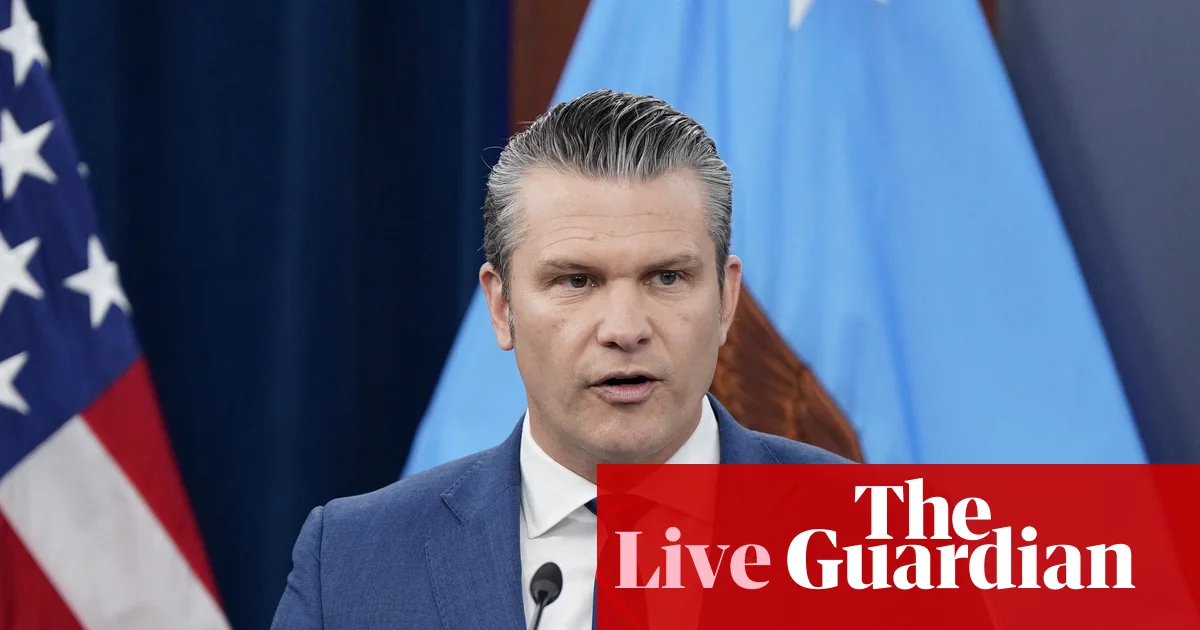
Pete Hegseth says Trump’s ‘closing’ Iran conflict as tensions escalate – US politics update

Global Escalation: The US, Iran, and the Future of World Power

In a dramatic turn of events, the United States has launched a major military operation against Iran this week, igniting a complex geopolitical crisis with potentially irreversible consequences. The operation, dubbed Operation Epic Fury, was authorized by President Donald Trump after nearly half a century of Iran’s alleged hostile actions against Western interests. As US officials publicly assert that they are “finishing” what was started long ago, the very fabric of international diplomacy and national sovereignty is being tested like never before, creating ripples that threaten to destabilize the Middle East and reshape global power balances.

From the outset, the US government has framed the conflict as a necessary response to Iran’s persistent threats—rhetoric rooted in accusations of missile proliferation, nuclear ambitions, and regional destabilization. Defense secretary Pete Hegseth has emphasized that this campaign will not be swift, describing the operation as a “big battle space” requiring patience and strategic precision. His assertion that “We didn’t start this war, but under President Trump, we are finishing it,” signals a shift toward a more aggressive posture that bucks the traditionally cautious approach of past administrations. Historically, analysts and war critics warn that such a posture risks spiraling into a regional conflagration from which even nuclear deterrence may not protect the world’s superpowers from entanglement.

The unfolding escalation has prompted urgent responses from Congress, with Democratic leaders demanding a vote under their constitutional authority to limit Trump’s military actions.

  • Top Democratic representatives, such as Gregory W. Meeks, have vowed to oppose the war effort, with some even willing to board planes to oppose what they see as an unconstitutional invasion.
  • Yet, despite these efforts, the administration maintains that it “set the terms of this war from start to finish,” signaling a federal executive branch increasingly willing to bypass Congress and consolidate military authority in a manner reminiscent of imperial overreach.

International organizations, including the United Nations, have expressed concern that the open warfare risks pushing the region into chaos, with war analyst Dr. Laura Hendrick warning that “such unilateral military actions could trigger a regional domino effect, leading to wider conflicts involving neighboring states and geopolitical rivals.” Moreover, the humanitarian fallout—particularly with reports of pregnant immigrant children moved into detention centers—raises questions about legality and human rights abuses under the guise of national security.

As the world watches with wary eyes, both America’s role as a global policeman and Iran’s resilience in the face of relentless pressure are at a critical crossroads. The death of Iran’s Supreme Leader Ali Khamenei, hailed by some U.S. hawks as a “turning point” for regime change, has further inflamed tensions, prompting Tehran to launch missile counterstrikes and hinting at an ongoing, perhaps endless, cycle of violence. Historian Prof. William Carter warns that “Decisions made in the coming weeks will determine whether this is an isolated chapter or the start of a new era characterized by prolonged regional chaos and a realignment of alliances.” The resurgence of military intervention, coupled with the use of AI-driven targeting from agencies like the Pentagon, signals a dangerous precedent—one where technology and brute force threaten diplomacy and peaceful resolution.

As the narrative of war continues to unfold, the weight of history presses down on leaders and nations alike. Will this conflict be resolved before irreversible damage is done, or are we witnessing the dawn of a new era of global instability? The choices made today in Washington and Tehran will echo through time, shaping the destiny of the world and leaving an indelible mark on history’s grand canvas. With war drums echoing across the landscapes of geopolitics, the future hangs precariously, reminding us that in the theater of international power, the stakes have never been higher.

Could Ethiopia be teetering toward renewed conflict in Tigray?

Over three years after the formal conclusion of a bloody civil war in the Tigray region, a troubling new wave of displacement is sweeping through northeastern Ethiopia. Despite claims of peace and stabilization, reports indicate many civilians are once again fleeing their homes, underscoring the fragile nature of post-conflict reconciliation in the Horn of Africa. As these communities grapple with ongoing insecurity, the international community faces mounting pressure to address the persistent humanitarian crisis.

The recent spate of departures reveals a deeper geopolitical undercurrent. Ethiopian authorities continue to confront challenges tied to autonomy demands, ethnic tensions, and the lingering shadows of regional proxy conflicts. Analysts assert that the renewed Exodus is symptomatic of unresolved grievances and underlines the failure of political agreements to deliver lasting peace. Prominent scholars and international organizations, such as the United Nations and African Union, warn that without comprehensive reconciliation measures, the cycle of violence risks reigniting, destabilizing the entire Horn of Africa.

Historically, the Tigray conflict has been a flashpoint for regional and geopolitical tensions. The war, which erupted in late 2020, drew in neighboring countries, including Sudan and Eritrea, each pursuing their strategic interests. The involved parties, motivated by a mixture of ethnic, political, and economic motives, created a complex mosaic of alliances and confrontations. Experts like Dr. Samuel Scott, a historian specializing in African conflicts, emphasize that “the unintended consequence of external meddling has prolonged regional instability and undermined internal peace-building efforts.”

Current developments reveal an acute dilemma facing Prime Minister Abiy Ahmed and his government: how to reconcile national sovereignty with humanitarian imperatives. The recurrence of displacement highlights a disturbing reality—while the formal signing of ceasefires and peace accords marked a political milestone, actual on-the-ground progress remains elusive. The civilian suffering—a quiet, yet profound tragedy—also draws criticism towards international agencies: many argue that insufficient aid, mismanaged resources, and political inertia have failed to stem the tide of suffering.

As the world watches, history’s pen continues to write its haunting tale. The exodus from Tigray is not merely about people fleeing violence; it is emblematic of a broader geopolitical struggle over influence, sovereignty, and regional stability. Every displaced family, every makeshift shelter, echoes the unresolved conflicts that threaten to re-ignite at any moment. In the shadows of newfound peace, the question looms large: will the lessons of history be heeded, or are we doomed to repeat them?

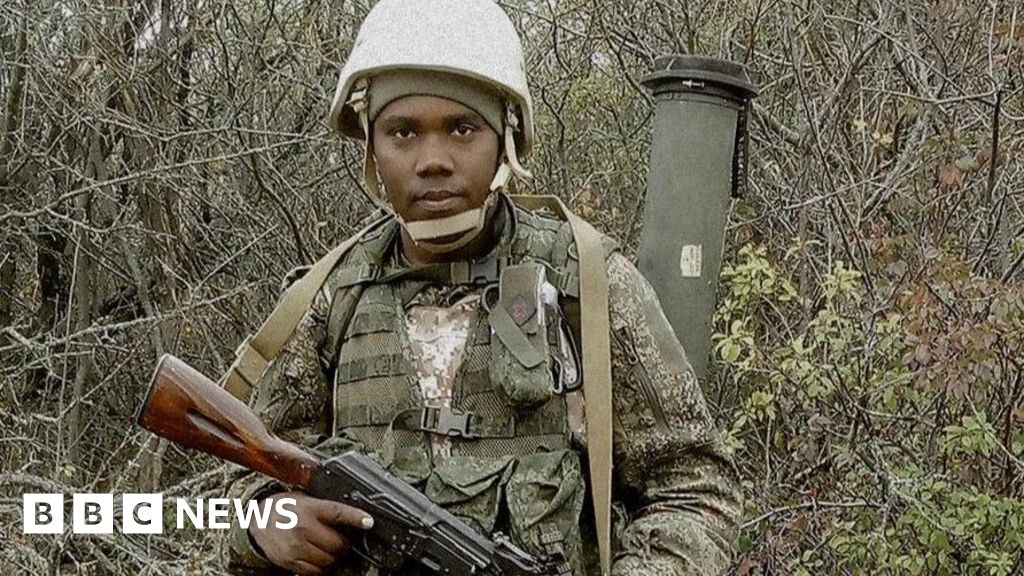
Over 1,000 Kenyans Volunteer to Join Russia-Ukraine Conflict, Report States

In a disturbing revelation that has sent shockwaves through the international community, investigators have uncovered a well-organized trafficking ring involving various **immigration staff** and **security agencies**. This illicit operation, reportedly intricately coordinated and spanning multiple nations, exposes the vulnerabilities within once-trusted border control systems. The extent of corruption and collusion uncovered suggests a formidable challenge to national sovereignty and underscores a broader crisis of governance and integrity within critical institutions.

As details emerge, experts emphasizing the geopolitical impact warn that such trafficking rings threaten the stability not only of the nations directly involved but also of regional security architectures. These networks, often facilitated by complicit officials, enable the illegal movement of migrants, contraband, and even potentially dangerous elements that could destabilize entire societies. Analysts from the International Organization for Migration highlight how compromised customs and immigration processes erode public trust and provide fertile ground for further criminal enterprises to flourish. Importantly, this revelation underscores a pattern where illicit groups leverage institutional weaknesses to operate with impunity, undermining the rule of law and fueling chaos in vulnerable states.

The repercussions of this trafficking network extend beyond immediate security concerns; they reverberate through diplomatic channels. Several nations implicated are now under intense scrutiny, leading to calls for renewed international cooperation and transparency. Global institutions, including the United Nations and the European Union, are under pressure to address alleged systemic failures and reimagine border security frameworks. Meanwhile, some governments are battling accusations of complicity, which threaten to destabilize diplomatic relations and diminish trust in political leadership. Such scandals act as stark reminders that the integrity of immigration and security agencies is vital to national sovereignty, and any compromise can ripple outward into broader geopolitical instability.

Historically, similar scandals have served as turning points, often catalyzing reforms or, conversely, exposing deep-seated corruption. Experts like renowned historian Dr. Margaret Carlisle suggest that this case, if handled transparently, could be an opportunity for renewal; however, the danger lies in attempts to sweep such issues under the rug. The international community must remain vigilant, recognizing that the fallout from these disclosures could shape regional dynamics for years to come. As nations grapple with internal vulnerabilities, the broader question remains: how resilient are our institutions when faced with the temptation of greed and power?

In the shadows of this unfolding crisis, the ominous specter of history looms large. The unraveling of this trafficking ring could serve as a pivotal moment, revealing the porous borders of the modern world and the fragile trust that sustains it. As international observers stare into the abyss of corruption, one fact becomes painfully clear—the pages of history continue to turn, and the fight for sovereignty and security remains an enduring struggle, the outcome of which will define our collective future.

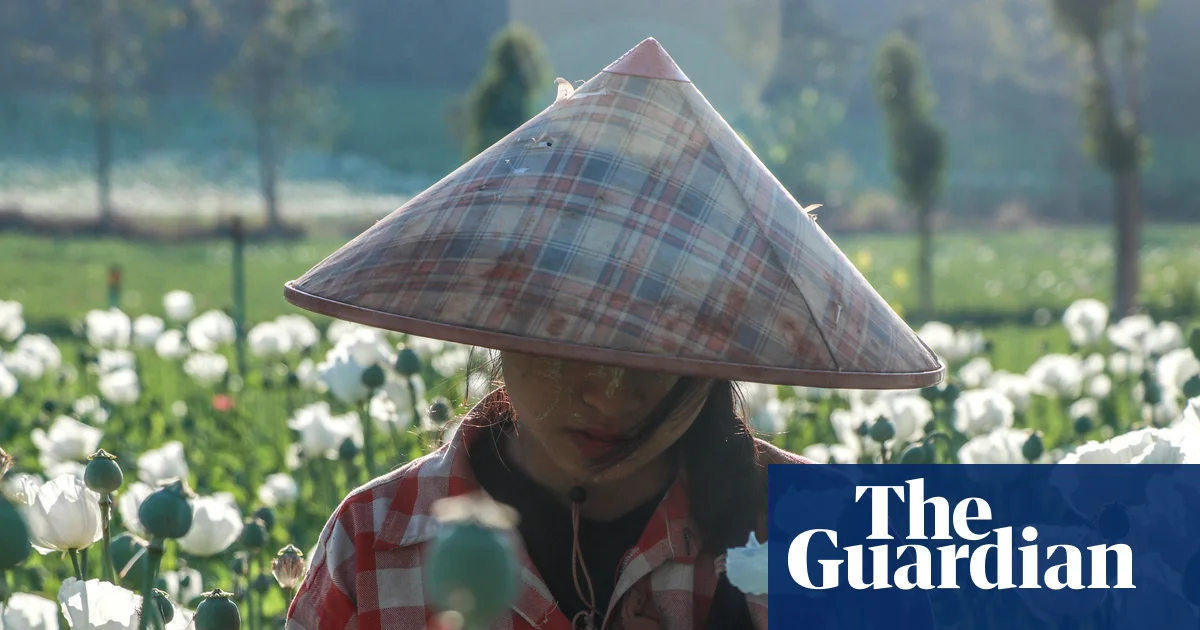
Myanmar farmers turn to opium as conflict drives them into illegal trade

Amid the chaos of Myanmar’s ongoing military conflict and political upheaval, a disturbing trend has emerged: the resurgence of opium poppy cultivation, which has surged to its highest level in a decade. The United Nations Office on Drugs and Crime (UNODC) reports a 17% increase in poppy cultivation this year alone, totaling over 53,000 hectares—the largest footprint since the early 2010s. This expansion underscores a grim reality: the illicit drug economy thrives where chaos reigns, fueling not only regional instability but also deeply impacting families, education, and communities across the nation.

This rising tide of illicit cultivation is primarily driven by conflict and economic hardship that continue to plague Myanmar, intensifying poverty and pushing farmers towards the lucrative but dangerous world of opium. As sociologist Dr. Emily Carter notes, “When legitimate livelihoods are destroyed by violence and political upheaval, many farmers turn to illegal crops as a last resort, creating a vicious cycle of dependence and violence.” The expansion of poppy farming in eastern Shan State and Chin State—both regions embroiled in ongoing clashes between military forces and armed groups—reflects the geographic spread and escalation of this social crisis. With the southern Shan State remaining the primary center of cultivation, and new pockets emerging in Sagaing Region, the problem is no longer confined but expanding, threatening to destabilize neighboring countries as well.

However, beyond its economic and political ramifications, the rise of opium cultivation exerts a profound toll on families and communities. Children growing up amidst violence and poverty are often robbed of access to education, their futures dimmed by the specter of addiction and social disintegration. Social commentators warn that the drug economy’s growth undermines human dignity and societal cohesion, making it harder for stable communities to reclaim their sense of normalcy. And while the Myanmar military prepares for an election amid a raging civil war, the UNODC warns that the expansion in cultivation signals a potential for further growth, reinforcing a cycle of despair and violence. Historically, history’s sociologists like Norbert Elias have emphasized how social disintegration feeds on itself in conditions of prolonged conflict—an observation as relevant today as ever.

Addressing this crisis requires more than military or political solutions; it demands a concerted effort to rebuild trust, economic stability, and social cohesion within Myanmar’s fractured landscapes. The challenge remains: to restore hope and opportunity where despair has taken root. As society watches the unfolding tragedy, we are called to reflect on the moral imperative of supporting resilient communities, advocating for just economic reforms, and fostering international cooperation. For these communities, the road to recovery is long, often littered with the shadows of lost innocence and broken dreams. Yet, if society dares to remember the resilience of its youth and the strength of moral resolve, there exists the possibility of turning society’s darkest hour into a dawn of renewal—a testament that even amid chaos, hope endures, waiting quietly for those brave enough to nurture it.

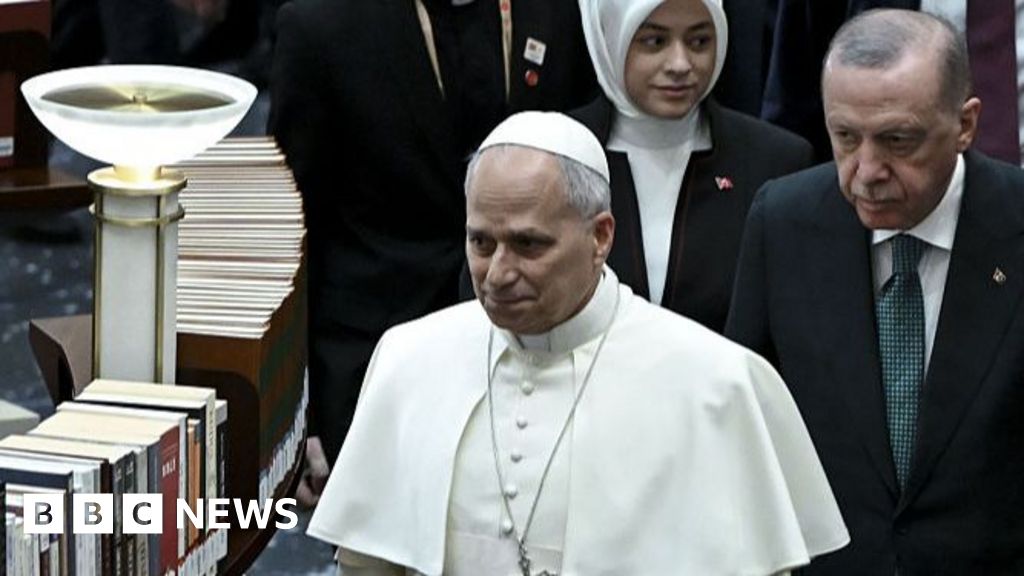
Pope Leo Visits Turkey, Warns Humanity’s Future Hangs in the Balance amid Rising Conflict

Global Implications of Pope Leo XIV’s Historic Diplomatic Trip

Amid mounting global tensions and an accelerating geopolitical chess game, Pope Leo XIV has embarked on a trip that carries significant weight beyond religious corridors. His visit to Turkey and Lebanon represents a conscious effort to foster interfaith dialogue, regional stability, and unity across fractured Christian communities. As he was welcomed by President Recep Tayyip Erdogan in Ankara, the pope issued a stern warning against “a heightened level of conflict on the global level,” emphasizing the importance of dialogue in shaping humanity’s future. This move is not just diplomatic window dressing; analysts suggest it could influence the shifting alliances and tensions that threaten to destabilize the Middle East and beyond.

This trip carries a weight of historical significance, highlighting the Pope’s desire to heal ancient schisms within Christianity while acting as a moral anchor amid regional turmoil. One of the pivotal moments took place in Iznik, the site of the ancient Council of Nicaea. There, amidst relics of early Christian unity, leaders of various traditions gathered to mark the 1,700-year anniversary of the Nicene Creed—an anchor point for Christian doctrine. In the current climate, where regional conflicts are increasingly entangled with religious identity, the pope’s call for “messages of togetherness and healing,” aims to remind the world of the enduring power of unity. Leaders and historians, including those from the Vatican and international think tanks, see this as a decisive attempt to rekindle dialogue and possibly curb future conflicts rooted in doctrinal divisions.

Meanwhile, in Turkey, Pope Leo’s visit to iconic sites such as the Blue Mosque symbolizes an effort to promote inter-religious dialogue. His meetings with other faith leaders are viewed by many analysts as strategic acts of soft diplomacy, aimed at fostering mutual respect in a region often scarred by religious tensions. This approach reflects a broader shift toward *practical engagement* amidst a sea of instability—particularly as regional alliances shift in response to rising conflicts and international disputes. The Pope’s cautious diplomacy continues to shape the *geopolitical landscape*, signaling a nuanced effort to prevent escalation and promote peace. The significance lies in how such gestures, often overlooked in the realm of geopolitics, can ripple outward and inspire societal resilience or, conversely, deepen fractures if misinterpreted.

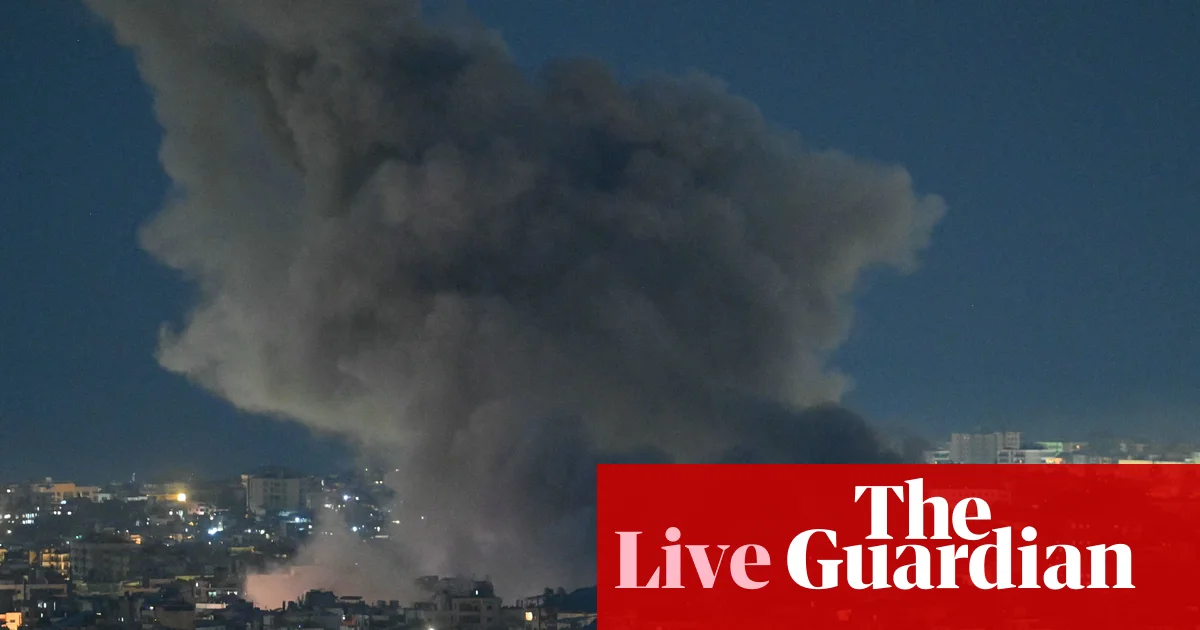
The regional context has been further complicated by recent Israeli airstrikes on Beirut, an act that critics argue underscores the fragility of Lebanon’s stability. Despite this, the Vatican has affirmed that Pope Leo XIV’s plans for his Lebanon visit remain unchanged. He plans to meet with civic leaders and voice support for Lebanon’s besieged Christian community—an influential minority struggling for recognition amid chaos. His final Mass at the Beirut waterfront, on the anniversary of the 2020 port explosion, is expected to serve as a powerful act of remembrance and a plea for peace. International observers, including strategic analysts from NATO and the World Council of Churches, note that this act—and the overall trip—may be subtly pushing back against the rising tide of regional instability, seeking to remind global powers of their moral responsibility.

As the world watches this carefully calibrated diplomatic dance, the weight of history presses heavily upon each step. Pope Leo XIV’s trip is more than spiritual outreach; it is an act of moral diplomacy that may influence the geopolitical currents shaping future decades. The decisions made in these quiet corridors of dialogue will echo through generations, dictating whether nations can build bridges over centuries-old divides or descend further into chaos. The world remains poised at a crossroads, and history, ever-watchful, continues to unfold its story—an enduring saga of hope, conflict, and the relentless pursuit of peace amid chaos.

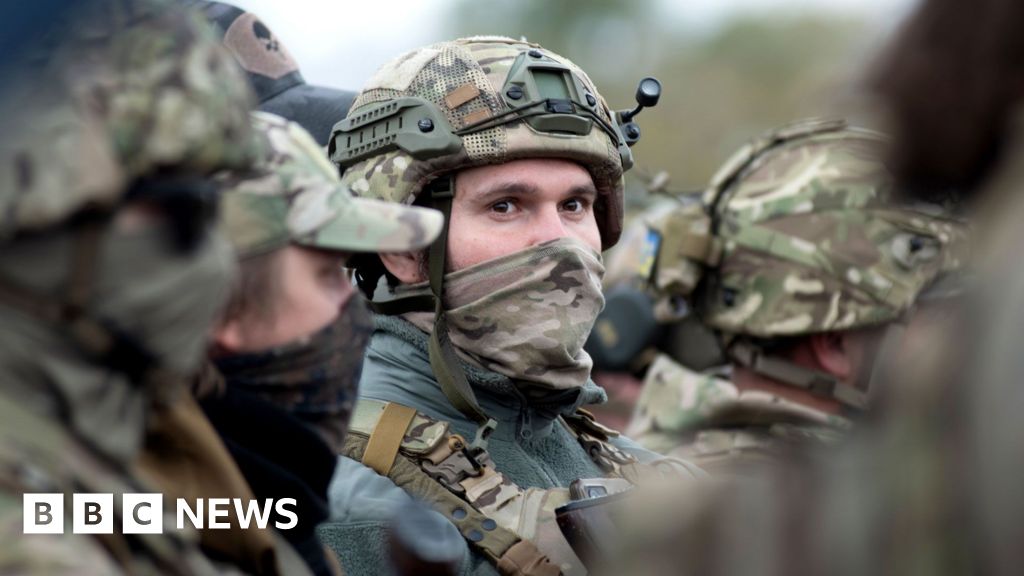
Leaked US Draft Outlines Bold Plan to End Russia-Ukraine Conflict

Geopolitical Tensions Surge as US-Russia Peace Draft Emerges

In a move that has sent shockwaves through the international arena, a *leaked draft* of a US-Russia peace plan proposes extraordinary concessions that could fundamentally reshape the geopolitical landscape surrounding *Ukraine*. The document, reportedly circulated among key US officials and Russian representatives, hints at Russia’s aspirations to solidify control over parts of Ukraine’s eastern *Donbas* region, while simultaneously calling for Ukraine to cede territory and scale down its military capabilities. Such proposals are viewed by experts as a blatant encroachment on Ukrainian sovereignty, with serious consequences for the stability of Europe and the integrity of international law.

At the core of the draft are indications of a *possible* territorial handover—*Ukraine* would be compelled to withdraw from certain regions, including parts of *Donetsk*, whichaly are currently under Ukrainian control. These areas are to be recognized as *de facto* Russian territory, a move that would effectively undermine Kyiv’s constitutional claims of indivisible borders. Additionally, the plan suggests limiting Ukraine’s armed forces to 600,000 personnel—far below its current strength—thus infringing upon Kyiv’s sovereign right to self-defense. Meanwhile, Russia’s return to the *G8* and its reintegration into the *global economy* signal an attempt to lift Russia from its diplomatic and economic isolation, a move opposed by many Western analysts who emphasize the unlikelihood of such reintegration while Vladimir Putin remains under international arrest warrants and sanctions remain firmly in place.

This draft has sparked fierce debate among European and American policymakers. Critics argue it represents a *Putin wishlist*, designed less for peace and more to entrench Russia’s strategic gains. The document’s vague guarantees—such as security assurances lacking details—do little to reassure Ukraine or its allies, who demand clear commitments akin to NATO’s Article 5 security guarantee. Ukrainian officials and international observers emphasize that the plan’s focus on territorial concessions and military limitations severely compromises Ukrainian sovereignty, potentially setting a dangerous precedent for other nations facing similar threats. Prominent historians like *John Mearsheimer* and analysts from organizations such as the *Atlantic Council* warn that any deal that rewards territorial gains without addressing underlying security concerns risks sowing the seeds for future conflicts.

Moreover, the plan’s omission of restrictions on Ukraine’s long-range *missile programs*—notably its Flamingo and Neptune systems—raises fears of future escalation. The proposals for Ukraine not to join *NATO*, combined with the promise of short-term *EU* market access, appear to be designed to sideline Ukraine’s aspirations for collective defense—an open contradiction to Kyiv’s constitutional red lines. While Russia seeks the lifting of *sanctions* and the normalization of its international standing, the plan’s emphasis on staged *de-escalation* and potential *amnesty* for all parties raises suspicions about Moscow’s true intentions, with critics arguing that it’s a prelude to further concessions that could erode Western influence and deter future interventions.

As the world watches with bated breath, the question lingers: is this a genuine effort at peace or merely a *strategic ploy*? With many European nations and *NATO* allies remaining silent—awaiting official confirmation—the diplomatic process hangs on a knife’s edge. The draft’s *Vague promises* and *ambiguous guarantees* are unlikely to satisfy Ukraine’s demand for sovereignty and security, while Russia’s willingness to offer a *full amnesty* and lift sanctions under such conditions suggests a game that could redefine the balance of power for generations. As history continues to unfold, the unfolding debate echoes a harsh truth: in the shadow of this fragile accord, the true battle for *Ukraine’s future*—and the world’s—has only just begun, leaving us to ponder whether peace or a broader conflict looms on the horizon.

Israel gets back three more hostages from Gaza Amid escalating conflict

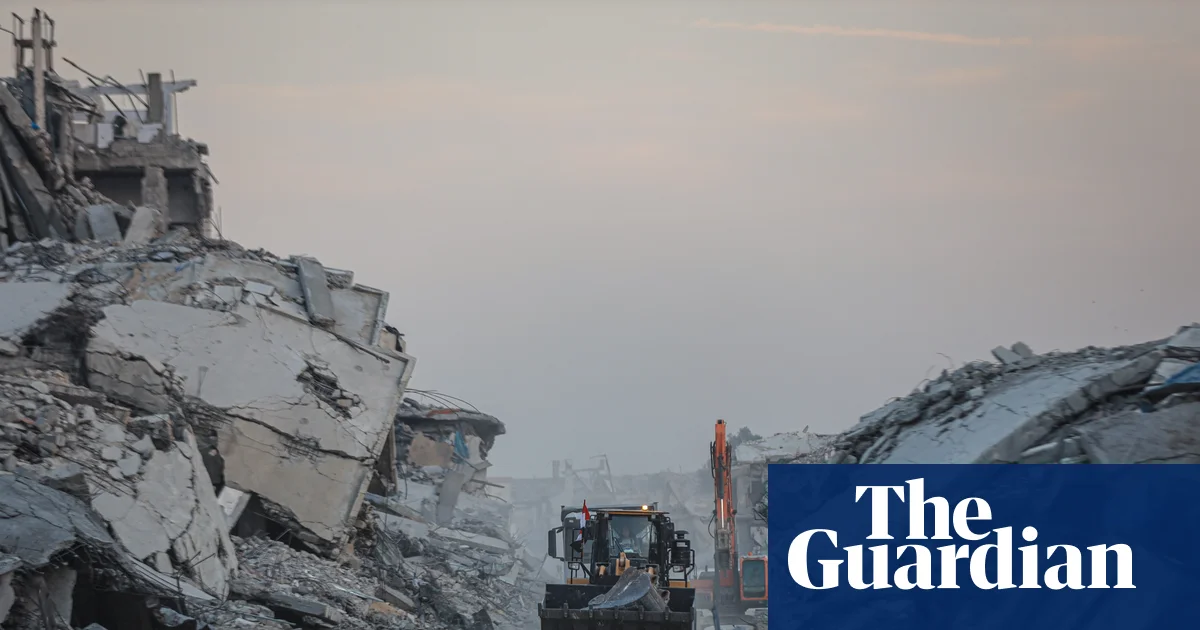
In a moment that underscores the ongoing tensions in the Middle East, Israel has announced the return of the remains of three hostages from Gaza. This delicate gesture comes amidst a fragile, month-long ceasefire that many see as a rare window for possible de-escalation. According to Israeli officials, forensic experts are now tasked with identifying these remains, which were reportedly found in a tunnel in southern Gaza, as part of the ongoing efforts to recover bodies and facilitate peace negotiations. Since the ceasefire took effect on 10 October, more than a dozen hostages have been released or recovered, yet the situation remains strained and complex, illustrating the deep-rooted tensions that persist among the conflicting parties. The handling of these remains is not merely a humanitarian act but a pivot point illustrating how the conflict’s human toll continues to shape the geopolitical landscape.

This exchange fits within the overarching framework of the US-brokered 21-point plan for Gaza’s stabilization, which, among other measures, involves the creation of an international peacekeeping force. Several nations, predominantly from the Arab world and beyond, have expressed tentative interest in deploying troops to aid Egypt and Jordan in securing Gaza’s borders, but they demand a clear **UN Security Council** mandate before committing. The decisions made here will significantly impact regional stability, as the presence of an international force could either deter future hostilities or, conversely, inflame tensions if perceived as foreign meddling. As experts, including geopolitical analysts and historians, caution, the outcome of this intervention could permanently alter the balance of power in the Middle East, either stabilizing Gaza or escalating the cycle of violence.

Yet, unresolved debates loom large—particularly around **Hamas’s disarmament**, governance, and the fate of Gaza in the post-conflict era. Prime Minister Benjamin Netanyahu has declared that “pockets of Hamas” remain in Gaza, particularly in areas such as Rafah and Khan Younis, which he vows to eliminate. Meanwhile, the ongoing Israeli military campaign has devastated Gaza, with fatalities exceeding 68,600 according to the Hamas-controlled health ministry—an often-cited but politically sensitive figure. These casualties, some 75 of whom have been identified through DNA testing, exemplify the human scope of this conflict. The civilian toll has come under international scrutiny, with critics accusing Israel of possible war crimes, while Israeli officials deny such allegations and cite self-defense against Hamas’s attacks. The **geopolitical impact** is profound: the conflict’s persistent brutality risks igniting wider regional unrest, challenging international norms, and complicating efforts for peace.

In the grand narrative of history as it continues to unfold, the exchange of remains signals both the hope for reconciliation and the peril of prolonged conflict. As global institutions and nations deliberate future troop deployments and peace initiatives, the weight of history presses heavily. The question remains whether these small, symbolic steps can ultimately open pathways to peace or merely serve as brief pauses in a conflict that has claimed innumerable lives and reshaped the Middle East’s geopolitical architecture. The coming days will reveal whether this fragile ceasefire can evolve into lasting stability or if the echoes of violence will once again drown out the hope for peace—leaving a legacy of destruction or renewal etched into the sands of Gaza and the conscience of the world.

Jebel Marra's Fertile Land Wasted as Conflict Ravages Crops
Jebel Marra’s Fertile Land Wasted as Conflict Ravages Crops

The Hidden Resilience of Jebel Marra Amid Sudan’s Turmoil

In the chaos and devastation wrought by Sudan’s ongoing civil conflict, a quiet, resilient community persists in the Jebel Marra highlands, defying the turmoil that engulfs much of the country. Located in the western Darfur region, this mountainous enclave remains under the control of the Sudan Liberation Army – Abdulwahid (SLA-AW), a group that has refused to join the broader conflict but instead controls “liberated areas” for over two decades. While the rest of Sudan faces economic collapse, famine, and widespread violence, inhabitants of Jebel Marra carve out a tenuous existence, shielded by the rugged terrain yet haunted by the shadows of conflict and economic isolation.

The geopolitical impact of the situation in Jebel Marra extends beyond local survival, highlighting the fragmented nature of Sudan’s territorial control and the persistence of armed non-state actors. Despite a fragile truce in neighboring areas and limited trade with some local markets reopening, the overarching reality remains one of siege and disconnection. Major roads are blockaded by Arab militias and RSF forces, isolating the region from national markets and humanitarian aid, thereby deepening humanitarian crises. Analysts warn that this persistent instability in the region underscores a broader, dangerous erosion of state authority, with local ethnic and armed groups operating in vacuums of governance, undermining the fragile peace efforts. For many, Jebel Marra exemplifies how some communities, despite environmental abundance and agricultural potential, are caught in the crossfire of larger geopolitical struggles.

War’s Far-Reaching Toll and the Human Cost

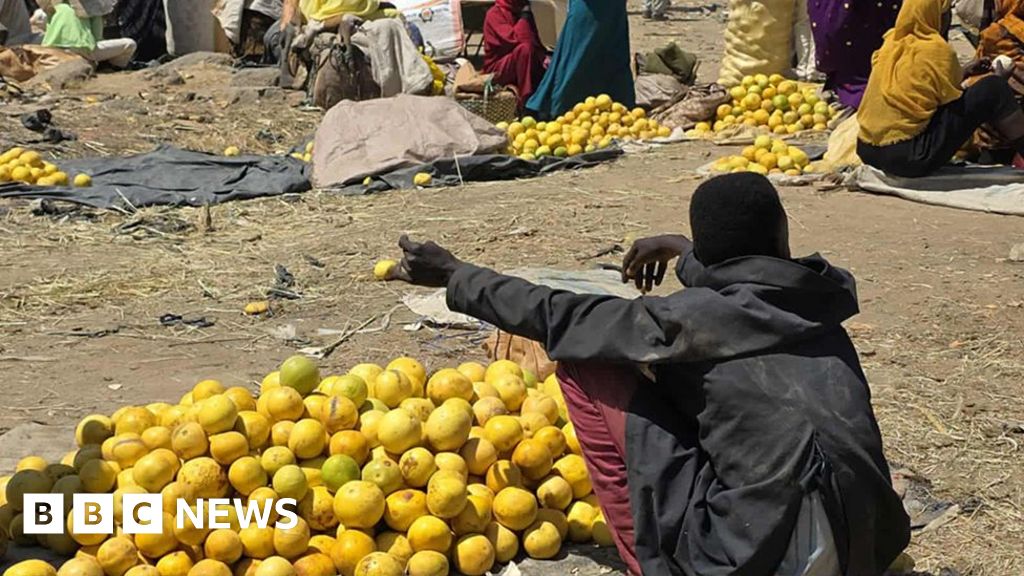
Across Sudan, nearly 25 million people face severe food shortages, with more than 600,000 on the brink of famine, according to the United Nations. The two-and-a-half-year-old conflict has crippled agriculture, destroyed infrastructure, and decimated local economies. In places like Golo and Tawila, farmers, vendors, and displaced civilians struggle with an unstable supply chain, often forced to sell their goods at a loss or bypass treacherous routes to reach markets. In Tawila, makeshift markets have emerged amidst the danger, with villagers risking their lives to smuggle food into besieged cities, demonstrating an unwillingness to succumb entirely to despair but also exposing how isolated and volatile the economic fabric has become.

The ethnic and political divisions underlying the conflict have compounded these issues, with armed groups controlling territories and checkpoints that demand heavy fees, often harassing or attacking civilians. International organizations, including the UN and various aid agencies, warn that unless a sustainable political solution is reached, Sudan risks slipping further into chaos. The ongoing blockade and military operations have meant aid struggles to reach vulnerable communities, creating a dire environment where starvation and disease threaten to wipe out entire populations. Historians and analysts compare the unfolding crisis to previous regional conflicts, cautioning that Sudan’s future hangs in the balance—a fragile scrawl on the page of history that could either turn towards lasting peace or descend into further chaos.

Shifting Alliances and a Fractured Political Landscape

The current geopolitical landscape in Sudan is a tapestry of shifting alliances, as various armed factions and ethnic groups carve out autonomous zones. The RSF and Arab militias dominate many strategic points, while SLA-AW in Jebel Marra remains neutral but surrounded by hostility. The region’s strategic importance lies in its relative geographical isolation, but that is increasingly threatened as the conflict’s ripple effect adds new layers of complexity. The international community watches nervously, with some observers noting that any resolution must acknowledge the multifaceted nature of Sudan’s fractured society.

The potential for a broader regional destabilization remains high—many fear that without intervention, the country might bifurcate into splintered, ungoverned zones, paralleling regions in Iraq or Libya where local warlords hold sway. Predictions by geopolitical analysts suggest that if the current trajectory persists, Sudan may become a battleground not just of national power struggles but of international influence, where external actors vie for strategic dominance amidst a highly fragile and volatile environment. The international institutions warn that *how* the Sudan crisis is resolved will reverberate across Africa, affecting regional stability, migration, and global security.

As the pages of history continue to turn, the story of Sudan remains unwritten—caught between hope and despair, sovereignty and chaos. The resilient communities of Jebel Marra are a stark reminder that amidst the epicenter of conflict, human endurance persists. Yet, the choices made by global powers and Sudan’s fractured factions will determine whether this saga ends in reconciliation or further tragedy, leaving behind a landscape scarred by battles now beyond counting but not beyond memory. The world watches, knowing that the next chapter is being written, and history’s pen has yet to rest.

Gaza conflict shook up politics — peace may still be on the horizon for the Middle East

The recent ceasefire in Gaza has sparked a seismic shift in **Middle Eastern geopolitics**, signaling a potential turning point that could redefine alliances, regional influence, and international diplomacy. While some analysts urge caution, warning that ongoing violations by **Israel** and **Hamas** suggest fragile trust, the deeper implications point toward an emerging landscape where traditional rivals are compelled to cooperate under unprecedented pressures. As **U.S. President Donald Trump** pushes his controversial 20-point plan for Gaza, regional powers such as **Qatar** and **Turkey** are accentuating their influence by leaning heavily on **Hamas**, underscoring how external pressure can catalyze unexpected realignments across the Arab world.

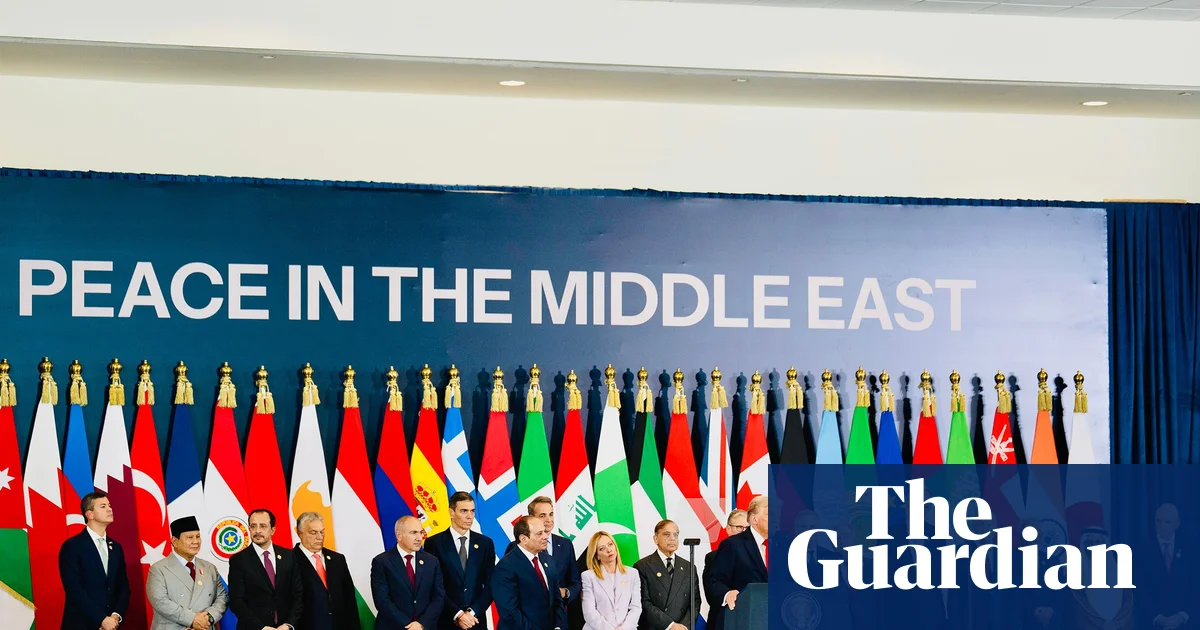
One of the most remarkable developments is the attendance at the recent summit in **Sharm el Sheikh**, which included **Iraq’s Prime Minister Mohammed Shia’ al-Sudani**. His visible support—symbolized by a thumbs-up with Trump and praise for Tony Blair’s proposed “Peace Council”—signals a potential shift. Historically, **Iraq**, a nation long under Iran’s heavy influence since the post-2003 U.S. invasion, is now spotted edging toward the **Arab orbit**, hinting at a significant realignment of regional power. According to analysts like Michael Knights of Horizon Engage, Baghdad considering troop contributions to a planned international stabilisation force in Gaza foreshadows an evolution in **Iraq’s** regional role, potentially diminishing its previous allegiance to **Iran**. Such a shift could accelerate **Arab** unity and influence—Movement that, if sustained, may undermine Iran’s geopolitical strategy of forward defense, which relies on a network of militant proxies like **Hezbollah** and **Hamas**.

This realignment comes at a time when Iran’s strategic position appears increasingly compromised. The short war with Israel has exposed Iran’s military limitations and economic vulnerabilities, especially as **European**, **UK**, and **U.S.** sanctions tighten around Tehran. The deterioration of Iran’s regional proxies—Hezbollah in Lebanon, the Assad regime in Syria, and militant factions in Gaza—marks the end of Tehran’s expansive **”forward defense”** doctrine. International analysts warn that the **ceasefire** may paradoxically serve as an engine of **region-wide integration**, rekindling discussions of land connections from the Gulf to the Mediterranean and promoting **diplomatic normalization** of Israel with Gulf Arab states. Nevertheless, the specter of Iran’s discontent remains, as Tehran faces a bleak diplomatic and military landscape that could push it toward more desperate measures.

Amid these developments, the U.S. and its allies appear to be seizing an opportunity to engineer a broader regional realignment. None other than **Trump’s** architect of the **“Riviera” plan**—initially met with skepticism—seems to have accelerated its implementation, potentially laying the groundwork for a new geopolitical equilibrium. If **Abraham Accords** expand to include **Saudi Arabia**, **Indonesia**, and other Arab nations, the potential for **diplomatic normalization** could radically transform the region, diminishing **Iran’s** influence and empowering **moderate Arab states** eager for stability and economic growth. However, such a trajectory hinges on the Palestinian issue—an obstacle that remains a persistent, unresolved question shaping the future of peace and stability.

As history continues to unfold, the **Middle East** finds itself at a critical crossroads. The fragile ceasefire, while temporary, exposes the deep currents of change beneath the surface—currents driven by shifting alliances, ideological battles, and the relentless pursuit of regional dominance. The world watches as these forces collide, and the fate of millions hangs in the balance. The narrative of this conflict is far from over; instead, it has entered a new chapter—one that could either usher in generations of peace or plunge the region into deeper chaos. The next moves made by regional and global powers will be remembered not just as political decisions, but as defining moments that could shape the geopolitical landscape for decades to come.

Social Media Auto Publish Powered By : XYZScripts.com