Matox News

Truth Over Trends, always!

Parents of nursery abuse victims set to confront Bridget Phillipson on justice and safety

Recent revelations about the Bright Horizons Finchley Road Nursery incident have cast a stark light on the ongoing vulnerabilities within our societal structures dedicated to safeguarding children. According to Alison Millar, head of the abuse team at Leigh Day, investigations have only just begun, yet disturbing patterns have already emerged. Parents’ concerns over staffing practices, supervision lapses, and troubling interactions with children were reportedly ignored or inadequately addressed. These failures reflect a broader societal issue where systems entrusted with protecting the most vulnerable are faltering, with potentially devastating consequences for families, communities, and the moral fabric of our nation.

The case underscores how social issues intertwine with core institutions such as education and childcare, revealing cracks that often go unnoticed until tragedy strikes. The reactions from affected families highlight a sense of betrayal; they trusted these institutions to nurture and safeguard their children. When misconduct is overlooked or dismissed, it not only compromises child safety but also erodes parental confidence and community cohesion. Social commentators and sociologists like Charles Murray have long argued that institutional failures contribute to social disintegration, and incidents like this serve as painful reminders of the urgent need for reforms rooted in accountability and transparency.

Addressing these challenges requires a multifaceted approach.

  • Implementing rigorous background checks and ongoing staff evaluations
  • Fostering a culture of openness where concerns are promptly addressed
  • Empowering parents to participate actively in childcare oversight
  • Increasing community engagement and oversight to prevent institutional neglect

At the heart of these social issues lies a moral responsibility: to protect the innocence of childhood and foster environments where children can thrive without fear. Yet, societal shifts—such as diminished respect for authority, growing distrust in public institutions, and demographic changes—have complicated this mission. Historically, sociologists like Christopher Lasch have warned about the erosion of traditional community bonds, which are crucial for safeguarding children from harm. As these bonds weaken, communities face the peril of becoming passive spectators rather than active guardians.

Ultimately, this crisis compels us to reflect deeply on who society truly serves and how its moral commitments are upheld. Can we reclaim a shared sense of responsibility to protect our youngest members? As tragic as these incidents are, they present an opportunity—an urgent call to rebuild institutions, restore community trust, and reaffirm the moral duty we all bear. In this effort, there is an enduring hope: that societies grounded in vigilance, compassion, and steadfastness can forge a future where the safety and dignity of every child are sacrosanct and protected by collective resolve. The path forward demands courage, integrity, and a collective refusal to accept complacency—reminding us that the true strength of a society is measured by how it cares for its most vulnerable.
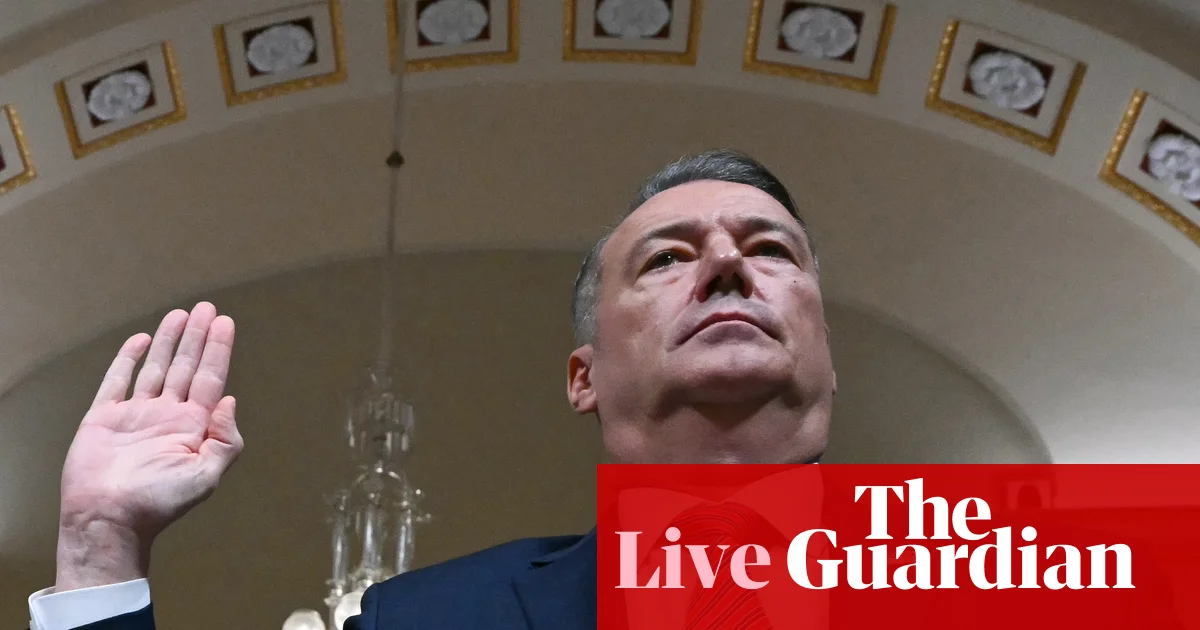
DHS Officials Confront Lawmakers Over Immigration Funding Deadlock — Live Update

The unfolding news from Washington D.C. underscores a pivotal moment in American and international geopolitics, marked by internal turmoil, high-stakes negotiations, and escalating conflicts over immigration policies. As President Donald Trump faces scrutiny and opposition over aggressive immigration enforcement and recent deadly incidents involving federal agents, the U.S. Congress remains deeply divided on how to proceed with funding for Homeland Security and managing the chaos at the border. This domestic gridlock and upheaval are sending ripples across the global stage, with regional alliances and trade relations hanging in the balance.

The recent testimony by top officials from ICE, CBP, and USCIS before Congress reveals a Department engulfed in crisis. Acting ICE Director Todd Lyons boldly declared that agents are facing “the deadliest operating environment in agency history,” citing unprecedented border crises fueled by policies from the previous administration. Meanwhile, congressional hearings highlighted disturbing accusations of excessive force and lack of accountability, with calls from Democrats for immediate leadership changes. These internal conflicts—alongside revelations of misconduct, such as the pepper spraying of civilians including children—are fueling fears of a wider erosion of trust in U.S. law enforcement and governance.

Simultaneously, the administration’s ongoing negotiations over DHS funding expose a broader struggle for control and authority. With funding set to lapse on February 13th, bipartisan efforts to resolve the deadlock are stymied by fundamental disagreements over immigration enforcement, transparency, and oversight. The GOP insists on measures like expanded vetting and restrictions on protests, whereas Democrats demand reforms to curb abuses and restore public confidence. As analysts warn that a government shutdown would weaken national security, the geopolitical fallout becomes increasingly evident—not just as an internal American matter but as a challenge to U.S. credibility on the world stage.

Adding an international dimension, President Trump’s recent aggressive rhetoric against Canada—threatening to block a vital bridge and falsely claiming that trade with China would include a ban on ice hockey—illustrates his unpredictable approach to diplomatic relations. Formerly a supporter of the Gordie Howe International Bridge, Trump’s threats threaten to disrupt a critically important economic link between the two North American neighbors, jeopardizing regional stability and economic cooperation. Experts at the International Institute for Strategic Studies warn that such provocative tactics risk reigniting old tensions and undermining longstanding alliances. As the geopolitical weight of the U.S. shifts inward amid political chaos, allies and adversaries alike are recalibrating their strategies, watching with cautious suspicion as America’s internal divisions threaten to spill over into global influence.

Historians warn that moments like these—marked by internal disputes, public unrest, and foreign policy unpredictability—are often when nations’ fates are truly decided. Whether the U.S. can address its core issues of accountability and reform will determine not only its future stability but also its standing among the free nations of the world. As the weight of history presses down, the unfolding drama in Washington promises one thing: the next chapter in America’s story is still being written, and the outcome remains painful, uncertain, and profoundly consequential for the arc of global power.

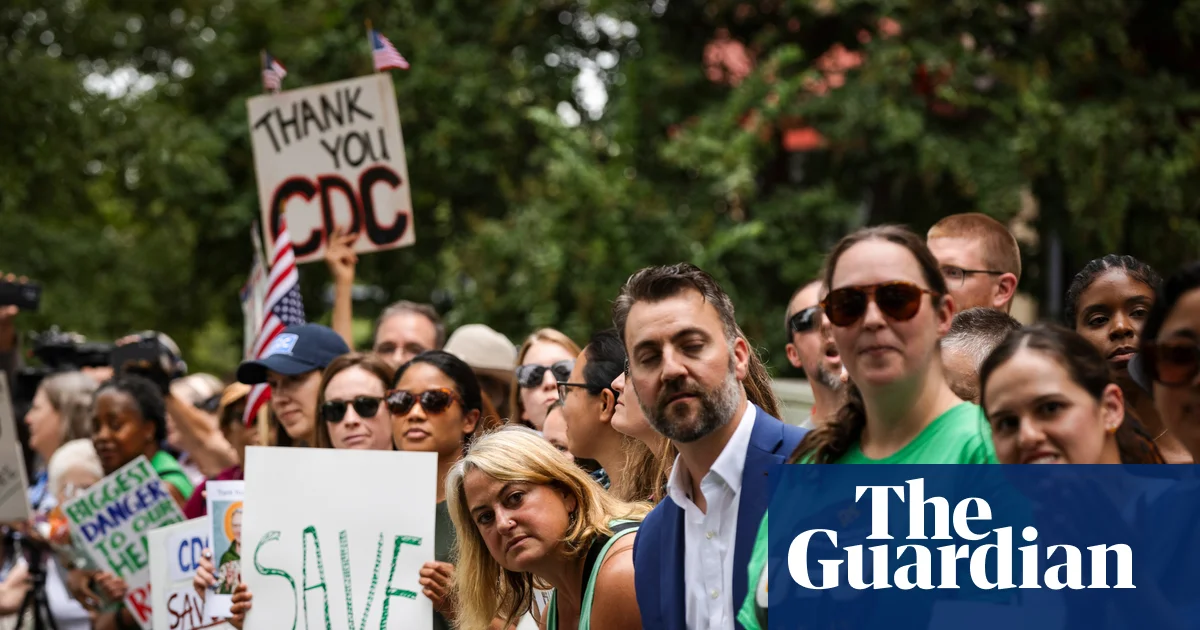
CDC Staff Confront ‘Limbo’ After Cycles of Firing and Rehiring Under Trump Era

The Fallout of CDC Layoffs: A Society in Turmoil and the Erosion of Public Trust

In recent months, the chaos surrounding layoffs at the Centers for Disease Control and Prevention (CDC) has unveiled deeper societal fractures that threaten the very fabric of community health and safety. As layoff notices flood federal offices, many families are witnessing firsthand how depopulation of critical health agencies diminishes America’s capacity to respond to public health crises. The involuntary attrition of over a quarter of the CDC workforce, including vital departments like the National Center for Chronic Disease Prevention and the Research Library, underscores a disturbing trend towards the dismantling of institutions meant to safeguard community well-being.

This wave of fiscal austerity and administrative chaos is not simply an issue of bureaucratic inefficiency; it narrows the pathways of trust and accountability that families rely on during health emergencies. The elimination of offices tasked with research and oversight—such as the ethics office and the Institutional Review Board (IRB)—raises profound questions about the moral responsibility of leadership. When crucial checks and balances are removed, families and communities are left vulnerable to unanticipated risks or ethical breaches that could have been prevented in better times. As social historian Dr. Lisa Greenberg notes, institutions like the CDC form the backbone of societal resilience, and their systematic undermining signals a dangerous slip away from accountability and expertise.

The implications extend beyond the realm of policy into everyday lives. Families, educators, and local communities are increasingly feeling the weight of a fractured health infrastructure. Arguments made by sociologists such as Dr. Samuel Torres suggest that the erosion of institutional integrity fosters a culture of skepticism and politicization that hampers collective efforts to address pressing issues like mental health, substance abuse, and preventative care. A community lacking coherent health guidance becomes a vulnerable arena for misinformation and fear, with many parents and teachers struggling to navigate an environment where evidence-based recommendations are disregarded or unavailable.

Amid this turmoil, the human impact manifests most painfully in instances like the tragic terrorist attack on CDC headquarters, where employees faced gunfire and trauma, or the targeted harassment and doxing that threaten the safety of public health champions. Such incidents expose a societal tension: when public health officials become targets of hostility or violence, it underscores a troubling decline in societal civility and respect for expertise. Former CDC officials warn that the decimation of the agency’s leadership impairs the nation’s ability to respond swiftly and effectively, leaving Americans increasingly exposed to health risks. This erosion of leadership, as historian Dr. James Navarro reflects, demonstrates a broader shift in societal values—from trust and collective responsibility to suspicion and individualism.

Ultimately, the story of the CDC layoffs is a mirror held up to society’s own vulnerabilities. As government resources dwindle and leadership becomes consumed with partisan battles, the hope for societal renewal lies in recognizing the importance of institutions rooted in expertise, ethics, and community service. The resilience of families and communities depends on their ability to advocate for a return to responsible governance—one that values human life over political optics. In the silence left by empty offices and forsaken research, society is called to reflect: can the communities built on shared values rebuild from the ruins, or will they fall further into disarray? The path forward demands more than policy shifts; it requires a renewed moral commitment to safeguard the health and dignity of every American, especially in an era where societal harmony and scientific integrity hang in delicate balance.

Social Media Auto Publish Powered By : XYZScripts.com