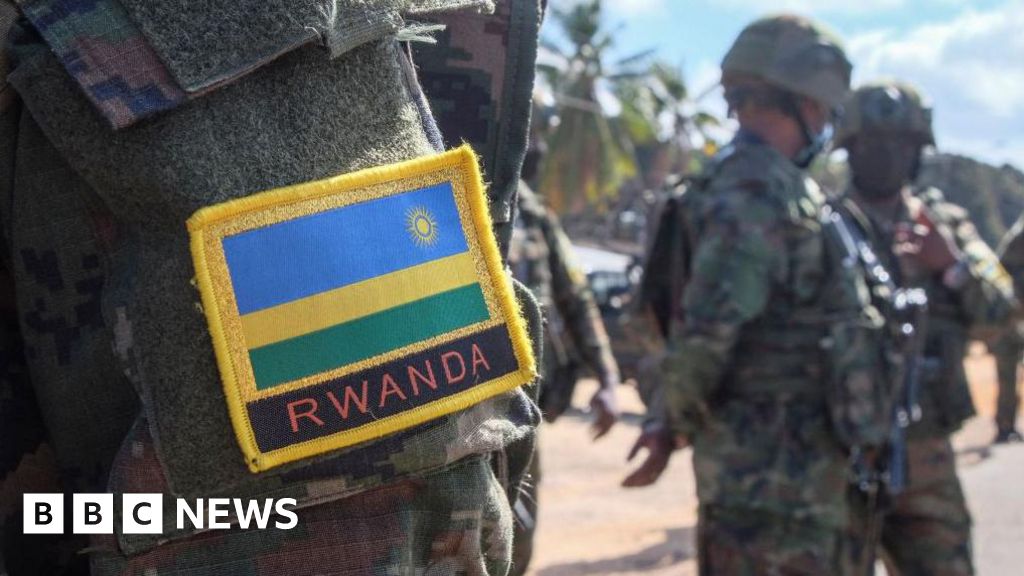

The escalating diplomatic tensions between Rwanda and Washington have taken a decisive turn, igniting fears of deeper geopolitical shifts in eastern Africa. Rwanda officially accused the United States of adopting a “one-sided” and politically motivated stance in recent international maneuvers, raising alarms over the growing influence of global powers in regional conflicts. As Rwanda navigates its sovereignty amid international pressures, analysts warn that such accusations underscore a broader contest for influence in Africa—an arena increasingly seen as a strategic chessboard.
Rwanda’s ire centers around recent decisions made at the United Nations and within bilateral negotiations, where the U.S. has taken positions that Rwanda claims dismiss its security concerns and diplomatic interests. International observers highlight that the U.S. response appears to favor certain factions within the regional conflict landscape, aligning with Western interests at the expense of Rwandan sovereignty. Historically, foreign intervention—whether in the form of aid, sanctions, or diplomatic pressure—has long influenced African states’ trajectories, often at the expense of their internal stability and autonomy. Rwanda’s leadership contends that such external influence undermines regional peace efforts and ignores the complex realities on the ground.
The geopolitical impact of this diplomatic standoff extends beyond the borders of Rwanda and the United States. It exemplifies a broader struggle among major global players—particularly China, Russia, and the European Union—to reshape Africa’s geopolitical map. The International Crisis Group and other think tanks warn that increased competition risks destabilizing already fragile regions, fueling cycles of violence and economic uncertainty. Moreover, Africans and their leaders are increasingly vocal about the need to chart independent paths, resisting external meddling and asserting sovereignty in shaping their futures.
History offers a cautionary tale—where external powers, often cloaked in the guise of aid or diplomacy, have historically exploited regional conflicts for strategic gains. As Rwanda’s accusations echo through international corridors, the world faces a pivotal moment: will existing powers respect Africa’s sovereignty, or will the continent become an arena for greater geopolitical rivalry? The answer may well determine whether the winds of change carry toward peace and stability or if they blow toward enduring conflict. In the shadows of history, the unfolding story warns that the stakes are nothing less than the future sovereignty of nations and the true meaning of independence in a fractured world order.