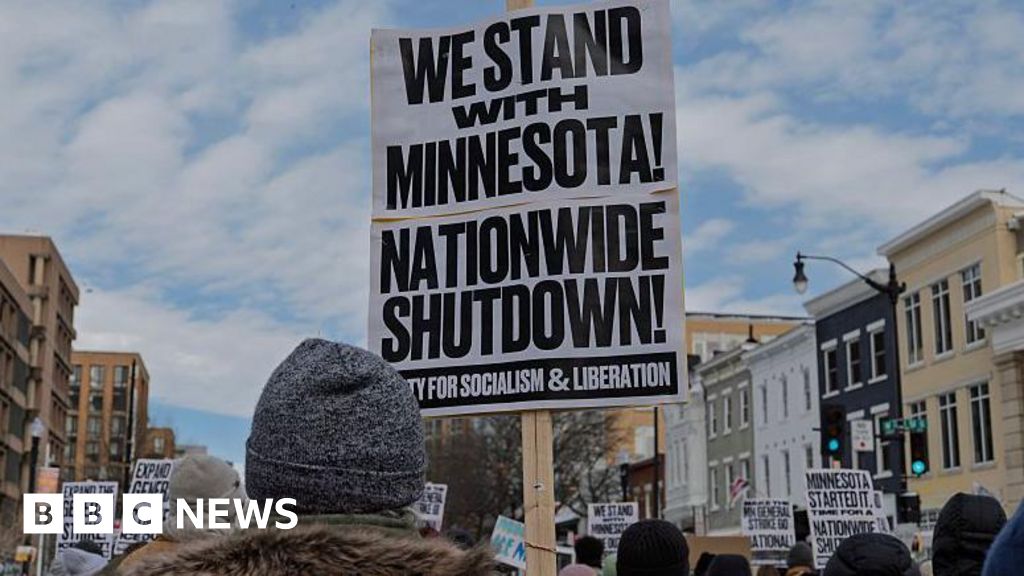

The recent congressional hearings in the United States have thrown a stark spotlight on the ongoing controversy surrounding the federal government’s aggressive immigration enforcement policies. Witnesses, including family members of victims and victims themselves, recounted harrowing encounters with federal agents, raising serious questions about the human rights abuses and accountability failures of agencies like Immigration and Customs Enforcement (ICE) and Border Patrol. This unflinching testimony reveals a deeply troubling picture: a government-authorized crackdown that has, in numerous cases, turned deadly, exposing the darker consequences of unchecked federal power. Such revelations have ignited a fierce debate about the geopolitical and social impact of U.S. immigration policies, with critics warning that these actions threaten to harm American societal fabric and international standing.
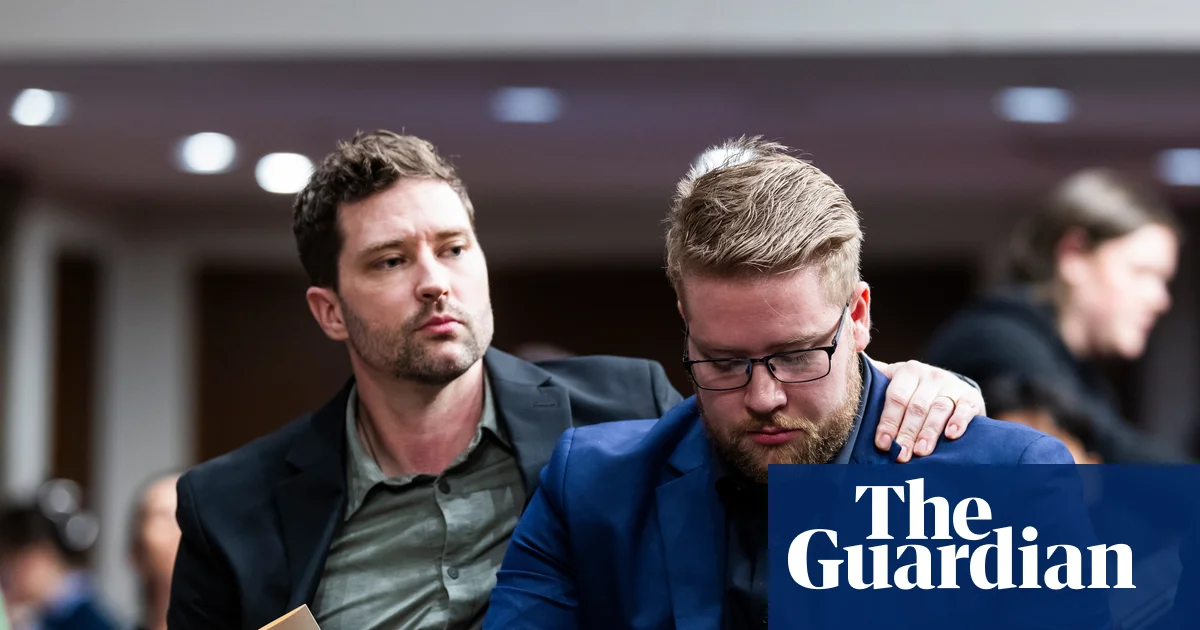
Key to the hearings was the emotional testimony of families who have lost loved ones in encounters with federal agents. Brothers Luke and Brent Ganger vividly described the death of their sister, Renee Good, shot by ICE officers during a routine traffic incident. Their grief was compounded by reports of further violence, including the fatal shooting of protester Alex Pretti by border patrol agents. These stories underscore a troubling pattern: federal agents engaging in violence with impunity, often with little oversight or accountability. Critics, including prominent analysts and international organizations, argue such conduct damages the credibility of the U.S. on the global stage, where it claims to champion human rights and the rule of law. Moreover, these incidents have far-reaching implications, fueling societal divisions and eroding faith in institutions meant to protect citizens and non-citizens alike.
The hearing also brought to light stories of trauma inflicted on ordinary Americans, such as Marimar Martinez and Aliya Rahman. Martinez, a Chicago native, was shot five times by a border patrol agent who later circulated her gruesome hospital images as trophies — an act exposing a culture of misconduct that seems embedded within certain enforcement arms. Meanwhile, Rahman, who suffers from autism and traumatic brain injury, was forcibly removed from her vehicle while trying to access medical care, with agents referencing her as a mere “body.” Her account highlights the dangers faced by vulnerable populations caught in the crossfire of national security policies. Such practices, often carried out with little regard for due process or human dignity, threaten to alienate communities, spread fear, and deepen societal fractures—facts acknowledged by many international watchdogs.
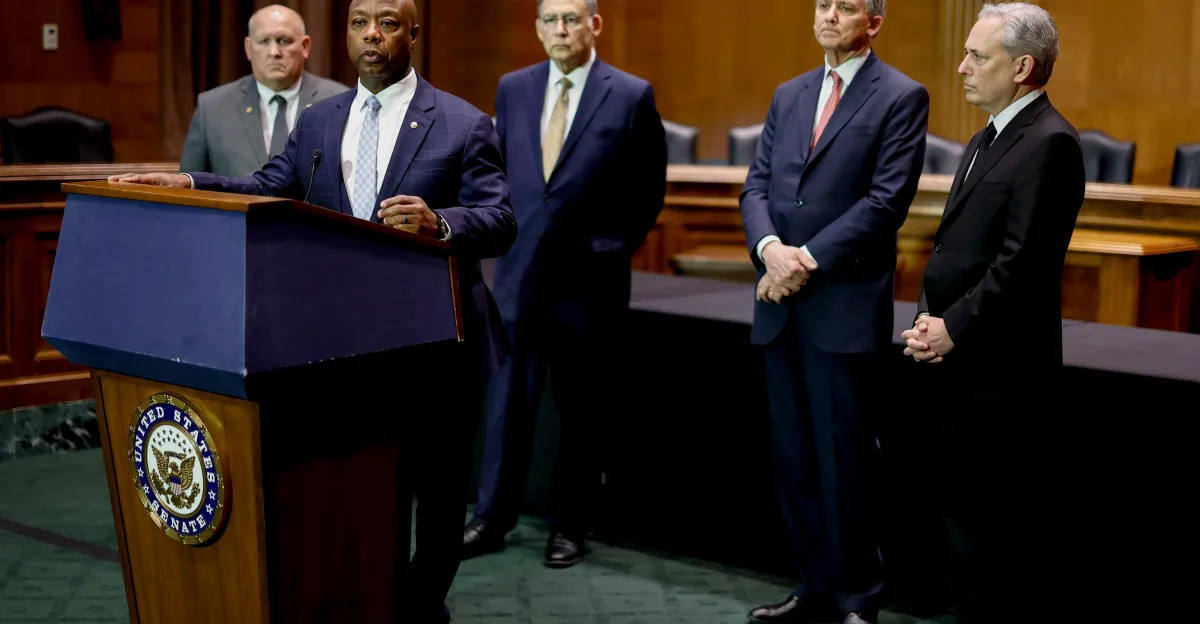
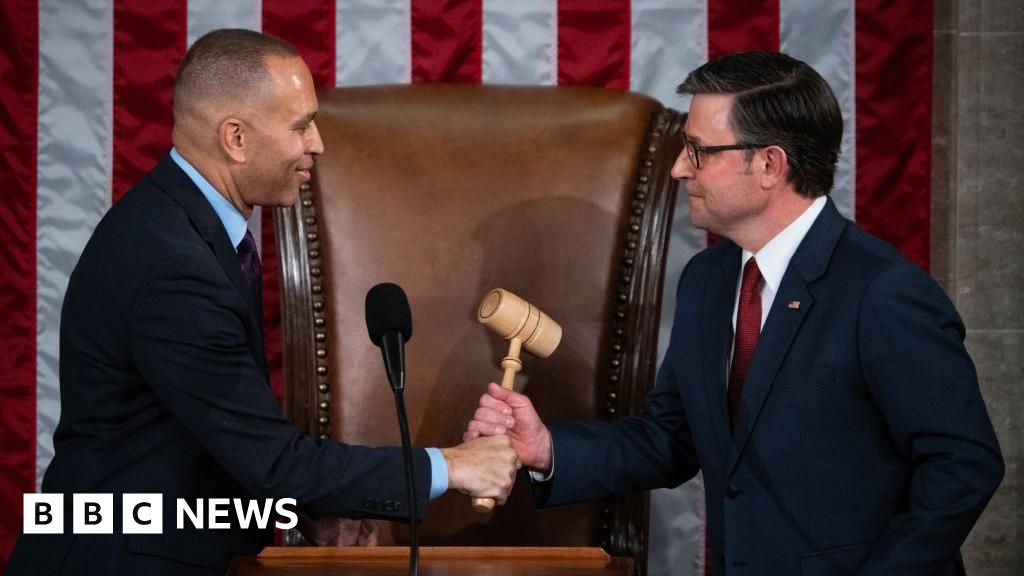
These revelations have stirred a powerful call for reform, with many voices from the political realm demanding justice. Richard Blumenthal, a senator from Connecticut, framed the testimonies as a “defining moral moment,” questioning the moral integrity of those responsible. Meanwhile, Alex Padilla pointed out the absence of Republican engagement, emphasizing the partisan divide that hampers bipartisan oversight of such crises. Critics argue that this political inaction emboldens agencies to operate above scrutiny, thus risking the destabilization of American values and the erosion of international credibility. As these stories unfold, historians and analysts warn that America faces a pivotal reckoning: whether to uphold its founding ideals of justice and human rights or to succumb to policies that, in the name of security, violate the very principles that underpin the nation’s identity. The weight of this moment falls heavily on the shoulders of policymakers — for the tide of history remains uncertain, yet undeniable: the choices made today will echo through generations, shaping the face of the nation and the global order for decades to come.