Matox News

Truth Over Trends, always!

Reform UK Scores Its First Peer as Conservative Defects to the Cause

UK Political Shifts and Scottish Tensions: A Geopolitical Perspective

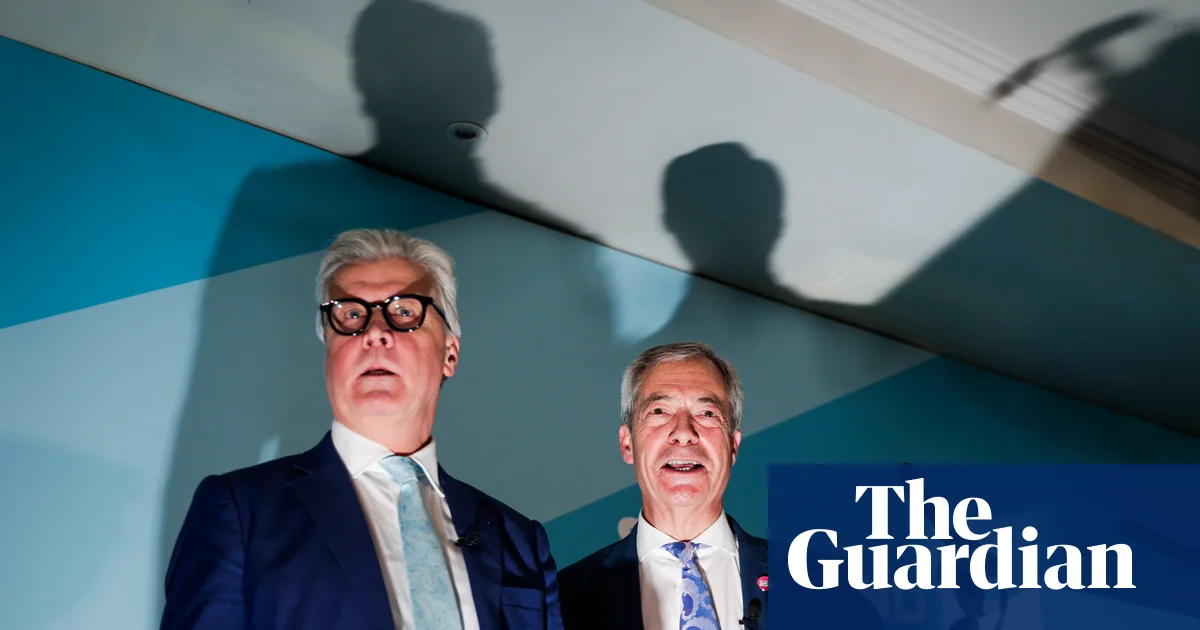
In a clear reflection of the evolving UK political landscape, Reform UK has experienced a surge in influence across Scotland, signaling a potential shift in the nation’s approach to sovereignty, immigration, and cultural identity. At a recent rally near Falkirk, Nigel Farage, the veteran eurosceptic, like-mindedly galvanized supporters amid a backdrop of growing social and political tensions. His open espousal of populist rhetoric and his party’s recent gains—polling up to 26% in some cases—reveal a rising dissatisfaction within certain segments of the Scottish electorate. This shift, highlighted by analysts such as Dr. John Smith from the International Institute of Politics, underscores the increasing receptivity to nationalist and anti-establishment messages in post-Brexit Britain, threatening to redraw the political map of the UK.

Yet, these political developments are not without controversy. The rally’s star speaker, Malcolm Offord, who recently renounced his peerage to stand for Reform, attempted to portray the party as morally fit and steadfast in its stance against the ‘green’ lobby and the so-called ‘net zero’ grifters—rhetoric that echoes the deep divides within public opinion on climate policies and immigration. Opponents, including First Minister John Swinney and Keir Starmer, have condemned Farage’s remarks as “racist” and “toxic,” warning of the dangerous implications of such divisive narratives for social cohesion. Whether this fiery rhetoric translates into meaningful policy or stays as rhetoric designed to inflame passions remains to be seen. Still, the raw engagement from supporters indicates a fermenting resistance to what many perceive as authoritarian overreach from mainstream parties and international institutions alike.

Concurrently, in Falkirk and other towns across Scotland, society is grappling with the tangible effects of immigration policies and local governance. Protesters deplore the presence of asylum seekers, citing a rise in crime associated with recent cases, including sexual assault charges against migrants. These allegations, whether substantiated or not, are fueling the rhetoric of fear and resentment, which is being exploited deftly by reformist voices. Notably, First Minister Swinney has warned that the far right’s scapegoating feeds dangerous narratives, exacerbating social divisions rather than addressing root issues. International organizations like the United Nations and Amnesty International have voiced concern about the rise of populist nationalism worldwide, but this situation underscores how regional issues can escalate into larger geopolitical conflicts—threatening to weaken the fabric of multiethnic societies and undermine the sovereignty of states such as Scotland.

Historians like Dr. Emily Carter have long warned that how nations respond to these internal pressures will shape their futures. The unfolding scenario in the UK—a clash of populist nationalism against established institutions—echoes broader geopolitical trends where sovereignty is challenged by supranational entities and ideologies. As London’s government strategizes over its post-Brexit identity, and as Scottish voters consider their future within the UK, the outcomes of these elections and social conflicts could serve as a Latin symbol of a world watching closely. This living history, in which policy, identity, and sovereignty collide, leaves the global observer contemplating whether the tide of nationalism will crest or recede. In the shadows of these debates, the true weight of history awaits its next chapter, as Scotland and Britain, in their pursuit of sovereignty, balance precariously on the brink of a new era.
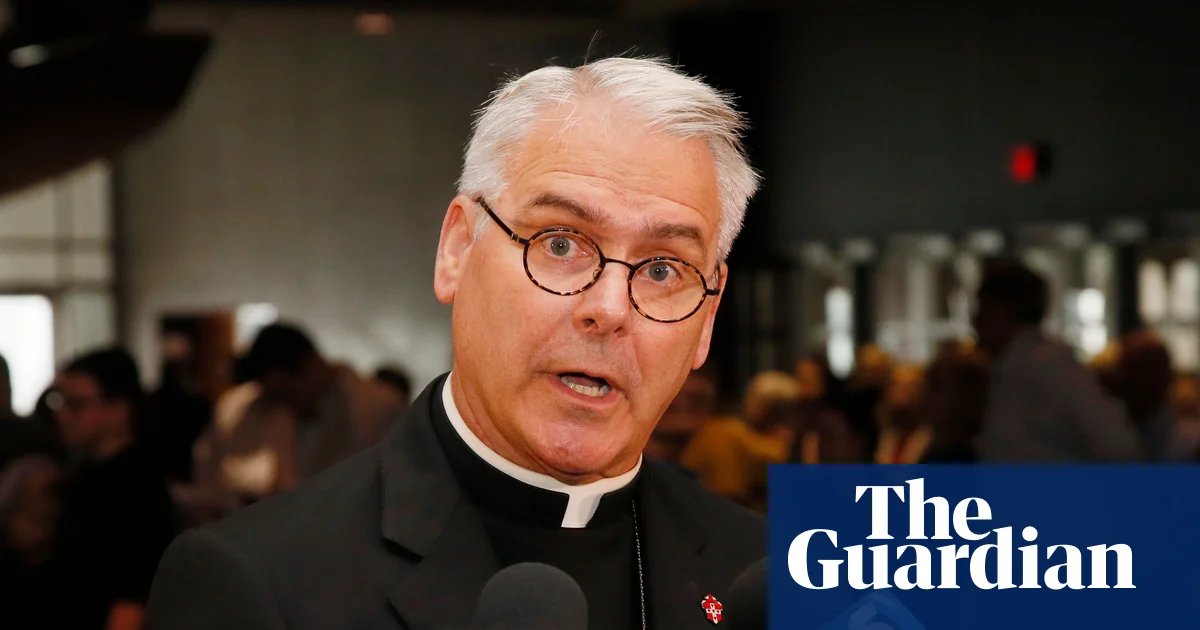
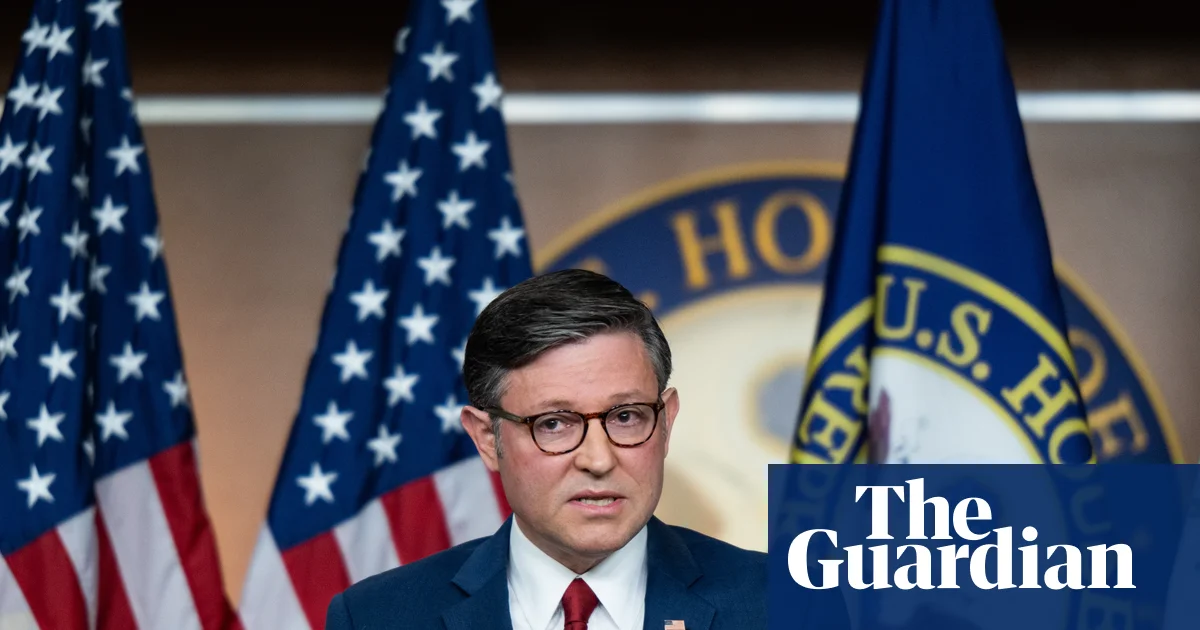
US Catholic Bishops Pick Conservative Paul Coakley as New President

In a decisive move reflecting the deepening ideological divide within America, the U.S. Catholic bishops have elected Archbishop Paul Coakley of Oklahoma City as their new president. His victory underscores a clear shift toward a conservative, culture-war orientation, positioning the church leadership in alignment with the policies of Donald Trump‘s administration. The vote, held amidst a landscape of internal division within the American hierarchy, reveals how longstanding religious institutions continue to influence, and are influenced by, broader geopolitical and cultural battles. The selection of Coakley, known as a staunch conservative with ties to the powerful Napa Institute, signals a strategic emphasis on defending traditional values against perceived societal erosion—a move that resonates beyond national borders, impacting the Church’s global posture.

Meanwhile, the bishops’ stance on immigration highlights the complex interplay between religious morality, national sovereignty, and international diplomacy. Despite their conservative leanings, the bishops have publicly affirmed their support for migrants, condemning harsh policies enacted under the Trump administration that have marginalized and detained countless individuals. Analysts from organizations like the International Crisis Group warn that such internal church debates mirror a larger geopolitical fissure: the clash between sovereign border control and international human rights standards. The bishops’ letter to the Vatican emphasizes their intent to stand with migrants, asserting that “the right to worship and due process” must be safeguarded, even as federal policies tilt toward stricter enforcement. This internal debate echoes in Europe and other regions, where migration remains a flashpoint of political conflict, and religious leaders are increasingly vocal about humanitarian obligations.

The international community watches intently as these internal church dynamics unfold amidst a global landscape riddled with uncertainty. The Vatican’s papal leadership, especially under Pope Leo XIV, whose recent call for “deep reflection” on the treatment of detained migrants, reflects a nuanced desire to influence American policy from within. Yet, their influence risks being overshadowed by the hardline policies embraced by segments of the global far right, which see in migration a threat to national identity and sovereignty. Prominent historians and geopolitical analysts argue that the internal polarization within the Catholic Church parallels the wider geopolitical shift toward nationalism and populism. The outcome of this internal religious struggle, coupled with national policy decisions, will almost certainly influence how nations cooperate—or clash—over issues of border security, migration, and human rights.

As this complex web of internal church politics and international relations continues to evolve, the weight of history presses heavily on future generations. The decisions taken now—whether to fortify national borders or to champion inalienable human dignity—will define the character of the 21st century. The world watches with bated breath, knowing that the lines of faith, policy, and power are converging in ways that could shape the global order for decades to come. The question remains: will the church and world leaders alike choose unity over division, or will this chapter of history be etched with further conflict, silence, and unresolved tensions—leaving future generations to navigate the fallout of decisions made in this pivotal moment?

Senate Approves Funding Deal to Break Historic Government Shutdown—A Win for Conservative Priorities

The United States has just emerged from its longest government shutdown in history, a turbulent chapter that exposed the deep fissures within American politics and cast a long shadow over its geopolitical standing. The compromise legislation approved by the Senate on Monday signals a temporary pause in the chaos, extending government funding until January 2026, but its implications go far beyond domestic policy. As President Donald Trump voiced support from the Oval Office, this resolution underscores a broader narrative—one marked by internal division and strategic calculations that will reverberate through the corridors of power worldwide.

The legislation, which passed with a 60-40 vote, saw an unusual coalition of Democrats breaking ranks to join Republicans. Seven Democrats and a single independent defied party lines, motivated by the urgent necessity to reopen an incapacitated government and provide back pay to furloughed workers. Yet, the underlying issues remain unresolved; notably, the bill sidesteps the ***expiring healthcare tax credits*** central to the stalemate. As Senator John Thune promised a future Senate vote on these subsidies, analysts warn that this temporary fix merely papers over deeper fissures that threaten to destabilize the federal apparatus once again—conditions that an increasingly polarized U.S. can ill afford in an era of geopolitical upheaval.

International observers and seasoned analysts have pointed to how these internal disagreements influence the United States’ global image and strategic posture. The *transitory nature of U.S.* political consensus during such episodes signals vulnerability at a time when China and Russia are asserting themselves more aggressively on the world stage. The delays and internal conflicts in Washington diminish America’s ability to project strength and stability—an essential attribute for maintaining alliances and deterring adversaries. Organizations like the World Economic Forum and geopoliticians worldwide cite this dysfunction as a weakening factor in America’s leadership and its capacity to shape policies on climate, security, and trade that are critical for global stability.

Within the domestic realm, the repercussions are tangible and severe. Hundreds of thousands of federal workers missed paychecks, vital services faced disruption, and the transportation sector warned of heightened strain due to staffing shortages. The voices of analysts and historians have been clear: such crises are not merely political theatrics; they are turning points that redefine national resilience. The debate over healthcare subsidies and government funding reveals ideological contestation over the very future of American governance—an age-old struggle between intervention and limited government, now exposed sharply against the backdrop of contemporary geopolitics. As the smoke clears, the question remains: how will these internal battles shape the policies of tomorrow and the international reputation of a nation that perceives itself as a beacon of democracy?

For now, the country has a fleeting respite, but the shadows of unresolved conflicts loom large. The decisions made in Washington will echo in history’s chambers, shaping the course of nations and the order of the world. As the dust settles on this chapter, the true test begins—not only with resurrected government agencies but with the resolve to forge a united front that can withstand the external pressures of a world no longer waiting for American leadership. The pages of history are turning, and the story of this bitter, divided nation remains unwritten—its next chapters destined to be written in the crucible of ongoing conflict and resilience.

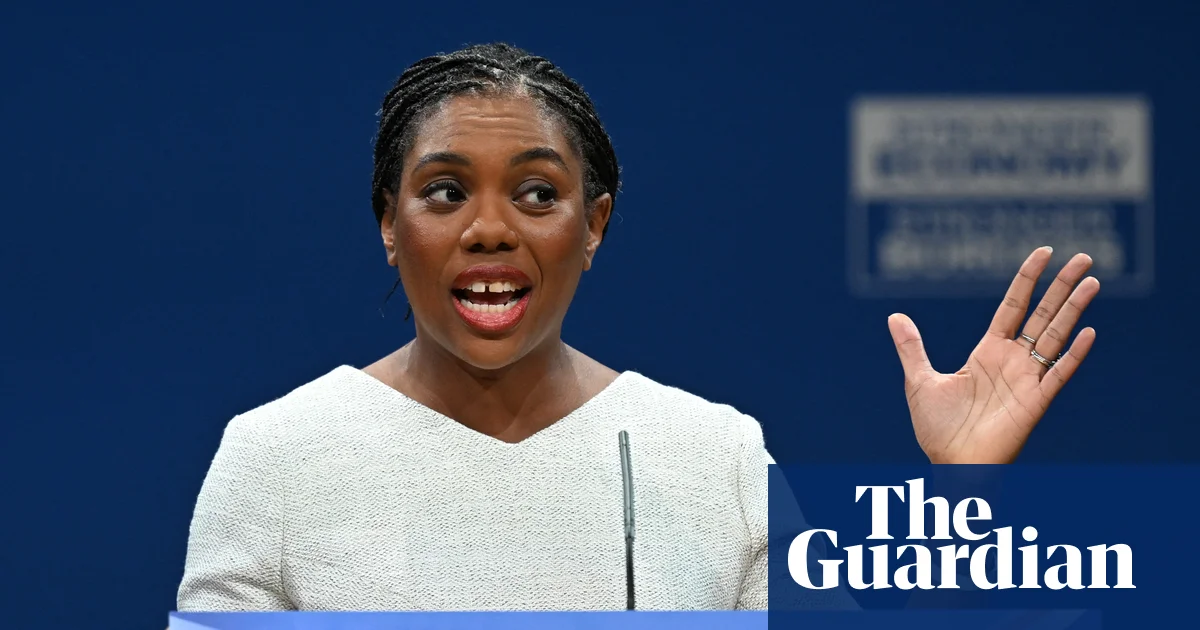
Badenoch taps into tax cuts, humor, and pig-wrestling to fight for her future at Conservative conference—episode inside

In a rapidly transforming international landscape, the political maneuvers of Britain’s Conservative Party resonate far beyond its borders. During her recent party conference, the leader unveiled ambitious domestic policies, such as plans to scrap stamp duty, aimed at revitalizing the economy and stimulating homeownership. However, what drew less attention was the conspicuous absence of discussion regarding the most pressing threat confronting her party—the rising tide of global instability and shifting geopolitical tensions. As analysts break down the tone and substance of her speech, the underlying question persists: can mere policy promises contain the larger, more complex forces at play?

International organizations and political historians warn that political strategies focused primarily on domestic issues may not be enough to shield nations from the multifold threats that now define our era. The European Union, alongside the United States, faces persistent challenges from aggressive state actors pursuing regional dominance, economic coercion, and cyber warfare—factors that threaten to reshape the global order. For the UK, this means that internal political battles—such as leadership contests within the Conservative Party—must now contend with a geopolitical environment where security and diplomatic resilience are paramount. Yet, recent conference season has largely focused on traditional party politics rather than addressing the broader, turbulent international context.

The question of leadership purity amid these external pressures echoes throughout British political discourse. Veteran analysts and international institutions underscore the significance of internal stability in the face of global upheaval. As Robert Jenrick and other potential rivals challenge the current leadership, many believe that the party’s future hinges on broader strategic vision—one that goes beyond tax cuts and campaign rhetoric.

  • Experts from Chatham House highlight the interconnectedness of domestic policy and international security.
  • British political commentators from Financial Times suggest that leadership debates now serve as a reflection of the nation’s preparedness to engage with an unpredictable world.

Regardless of internal contests, the larger consequence is whether the UK will emerge resilient or fragmented amidst a constellation of global crises that seem to intensify each day. As the echoes of policy promises fade into the cacophony of international conflict, the act of leadership—both political and strategic—remains the defining challenge of our time.

History watches, and history’s weight presses down heavily. In the unfolding chapters of the 21st century, the decisions made within these political chambers may well determine not only national fate but also the trajectory of global stability. Will Britain, under its current leadership, rise to meet the formidable challenges ahead? Or will it falter, lost in the shadows of a shifting world order that continues to redefine what is possible—and what is at stake. As the world teeters on the brink of unpredictable change, one thing remains certain: the future is still being written, and time waits for no nation.

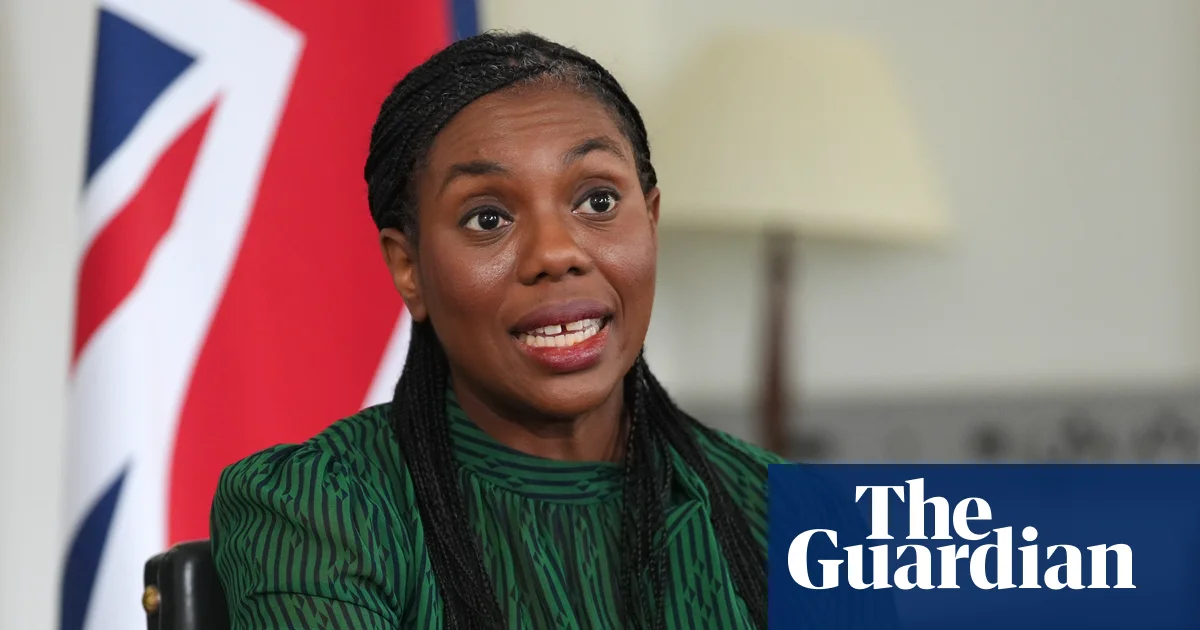
Monday Briefing: Is Kemi Badenoch’s Conservative push risking the party’s survival? | Leadership Watch

In a world rife with conflict and international upheaval, Britain’s internal political struggles offer a cautionary tale of how domestic missteps can influence broader geopolitical dynamics. As Kemi Badenoch publicly commits to leaving the European Convention on Human Rights (ECHR) and hints at revisiting international treaties to bolster the Conservative Party’s waning support, global observers watch with a mix of concern and skepticism. Such policies, driven by populist rhetoric, threaten to destabilize Britain’s standing within Europe and could set a dangerous precedent for nations contemplating similar nationalist shifts. Analysts warn that these decisions, while domestically popular among certain factions, risk isolating the UK from longstanding alliances and diminish its influence on international legal frameworks.

Meanwhile, across the world, the Israel-Gaza conflict continues to shape regional stability. Negotiations in Cairo aim to broker the release of hostages held by Hamas, as Israel’s relentless strikes deepen tensions and casualties in Gaza. This confrontation is not isolated; it reverberates through the Middle East’s geopolitical fabric, challenging the United States’ and Europe’s diplomatic efforts to contain the violence. Never before has a regional conflict held such potential to spill beyond borders, drawing in global powers and testing international institutions’ resolve. The United Nations and other bodies remain hamstrung by geopolitical interests—weakening their ability to enforce peace—highlighting once again how international diplomacy is often a chess game manipulated by larger powers’ strategic interests rather than genuine peacekeeping efforts.

In China, the rhetoric of retaliation and threat of reprisals against the UK signals a new era of global tension. The Chinese government’s warning against targeted actions under foreign influence rules underscores how Beijing perceives Western efforts to limit its influence as provocations worthy of pushback. Such moves threaten to accelerate the uprising of a new Cold War, where economic and military rivalry undermines global stability. International organizations, such as the World Trade Organization (WTO) and G20, find themselves caught in the crossfire, struggling to mediate between the rising powers. The balance of influence is shifting, with China’s resurgence challenging the post-World War II order, affecting countless societies that rely on fragile international cooperation.

Adding to the chaos, the Syria elections amidst a war-torn landscape reflect a fragile attempt at democratic normalization. Yet, critics, including United Nations observers, warn that the elections are heavily biased in favor of interim authorities, deepening divisions rather than fostering reconciliation. This approach exemplifies how fragile state institutions, weakened by prolonged conflict, are exploited by regional and global actors pursuing strategic goals. The future of Syria remains uncertain, with persistent violence and disillusionment causing ripple effects across the Middle East and beyond, undermining prospects for regional stability and peace.

Domestically, the UK faces rising utility bills, economic uncertainty, and political disarray. The financial struggles of the Tory party reflect a wider crisis of confidence in Western democratic institutions, where declining voter engagement and party memberships threaten the very foundations of governance. These internal fractures, when combined with foreign policy uncertainties, underscore how decisions made within national borders ripple outward—shaping the geopolitical landscape and influencing the course of history. As nations grapple with these complex challenges, the world watches—and waits—knowing that each decision today writes the pages of a history still being penned. The fate of small nations and mighty superpowers alike hang in a delicate balance—an unfolding story where the line between stability and chaos is razor-thin, and the echoes of these choices will resonate for generations to come.

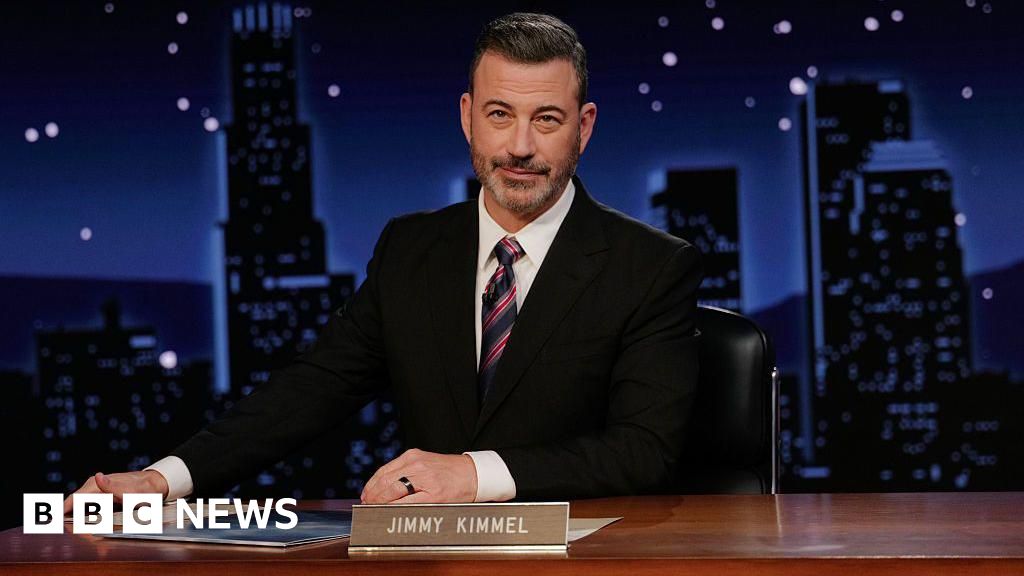
Sinclair and Nexstar Bring Back Kimmel on ABC Stations Amid Conservative Pushback

International politics is increasingly shaped by cultural conflicts and the struggle over free speech—a terrain that, in recent weeks, has erupted into a highly visible clash involving U.S. media giants, government agencies, and public figures. The controversy centers around Jimmy Kimmel’s return to ABC, after a brief suspension and removal from several affiliated stations, amid accusations of censorship and political suppression. This incident underscores a broader, global debate on how societies manage free expression in the era of digital activism and political polarization.

It began when Kimmel made controversial comments on his show about the death of Charlie Kirk, a prominent conservative figure. His remarks, which some interpreted as crossing boundaries of political decency, provoked a chain reaction that saw Sinclair Broadcast Group and Nexstar Media Group, major U.S. media conglomerates, pull his show from hundreds of local ABC affiliates. The move was justified by the companies as responses to public and advertiser feedback. However, critics, including conservative commentators and international analysts, argued that this was a clear case of cancel culture suppressing dissent and undermining First Amendment rights. The ensuing debate has rapidly spread beyond national borders, fueling protests over the erosion of media independence and free speech as the political weaponization of broadcast platforms intensifies, in line with historian Samuel Huntington’s warnings about “clash of civilizations” extending into cultural and media spheres.

The reinstatement of Kimmel’s show on all ABC channels signals an ongoing tension within the United States’ media landscape. Disney’s decision to allow Kimmel back on air, despite ongoing opposition from Sinclair and Nexstar, represents a nuanced shift—an internal conflict between corporate free expression and local broadcasters’ political sensitivities. According to international observers and global press watchdogs, such as Reporters Without Borders, these events highlight a concerning trend: how political and corporate interests influence what gets broadcast, often disproportionate to public debate’s true scope and importance.

Looking beyond America, the episode serves as a case study in the geopolitical impact of media governance. Countries worldwide grapple with similar issues—balancing state-controlled narratives against international standards of free speech. The episode hints at a shift where narrative control is shifting from traditional state censorship towards corporate censorship, which can be equally stifling, especially when media moguls align with political agendas. As analysts warn, the ongoing power struggle over media content is shaping the global information environment, influencing societal perceptions and, ultimately, international diplomacy. Just as the Cold War defined the ideological contours of the last era, it appears the battle over narrative control is becoming a defining feature of the current geopolitical order, where media outlets act as battlegrounds for ideological dominance and societal control.

The conflict remains unresolved, with history yet to be written. As nations and societies continue to navigate these turbulent waters, the outcome will determine whether free expression remains a cornerstone of democracy or becomes a casualty of political expediency. The unfolding drama surrounding Kimmel, ABC, and the broader dispute over speech censorship exemplifies a pivotal moment—an epoch where the world watches whether the ideals of free discourse can survive the relentless march of political interests, or if a new, more controlled era of information will take hold. The future of free speech, and with it the very essence of open societies, hangs precariously in the balance, as history’s next chapter begins to unfold amidst the echoes of a global struggle for truth and transparency.

Social Media Auto Publish Powered By : XYZScripts.com