Matox News

Truth Over Trends, always!

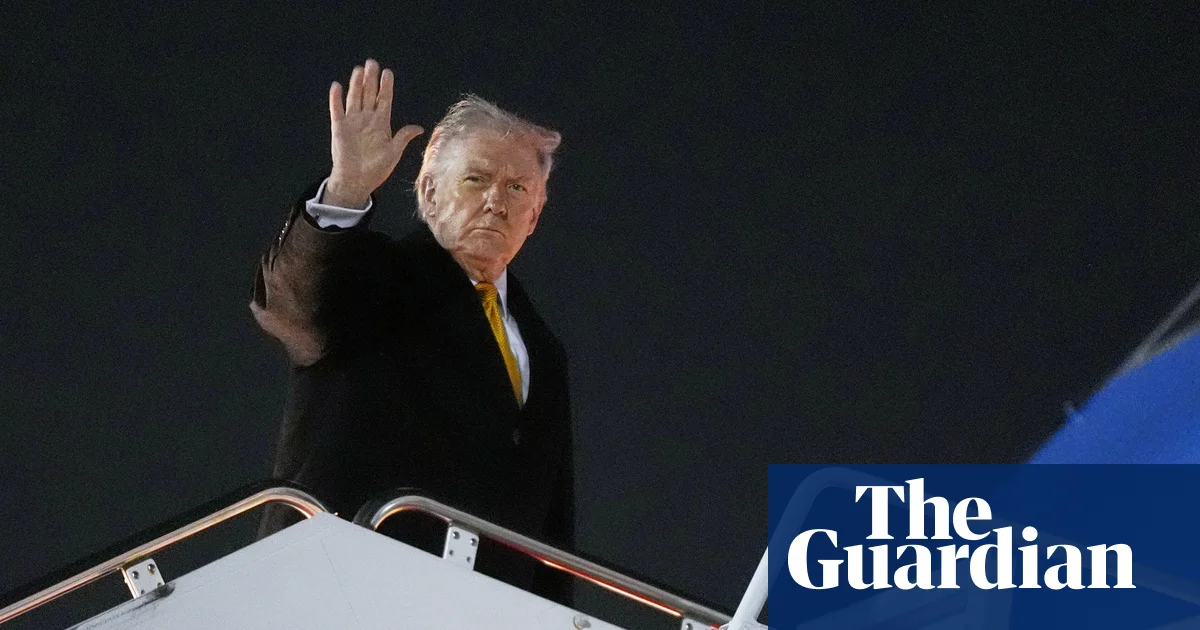
US Considers Requiring Tourists to Share Five Years of Social Media Profiles for Entry

In recent months, the United States has signaled a major shift in its border policies, aiming to tighten security and scrutinize potential visitors more than ever before. Under the new proposal unveiled by American officials, tourists from dozens of countries, including the UK, could soon be required to submit a detailed five-year social media history when applying for entry — a move that underscores a broader focus on national security and digital profiling. This initiative, part of an effort to prevent threats before they reach US soil, has generated considerable debate among travelers, digital rights advocates, and industry insiders, highlighting a tension between security measures and personal privacy.

While the Trump administration insists that their focus remains on protecting Americans, critics argue that such invasive measures threaten civil liberties and may discourage genuine tourism and cultural exchange. The proposal would require ESTA (Electronic System for Travel Authorization) applicants to disclose their social media handles, email addresses, phone numbers, and family data spanning the last five to ten years. This comprehensive data collection process raises questions about privacy rights and the practical impacts on travelers’ experiences—potentially extending wait times and complicating access to the US market. Meanwhile, some experts, like Sophia Cope of the Electronic Frontier Foundation, warn that these policies could exacerbate harms related to civil liberties and create a climate of suspicion that diminishes the welcoming spirit traditionally associated with American tourism.

Despite these concerns, the administration remains steadfast, citing ongoing efforts to strengthen border security as necessary for the safety of all Americans. The move is also timed amidst a surge of upcoming events poised to draw international visitors—namely, the 2026 World Cup co-hosted with Canada and Mexico, and the highly anticipated 2028 Los Angeles Olympics. These events are seen by policymakers as opportunities to showcase America’s cultural vibrancy and economic vitality, even as new regulations introduce challenges for the typical traveler. For those seeking to embrace a lifestyle rooted in personal safety and national resilience, such policies serve as a reminder that travel in the modern age is a balance between opportunity and responsibility.

  • Stay informed on new travel requirements by regularly checking updates from official sources.
  • Embrace digital standards by maintaining clear and publicly accessible social media profiles—if comfortable—to avoid delays in approvals.
  • Prioritize security without sacrificing your privacy; explore initiatives for digital rights and advocate for transparent policies.

History shows us that the pursuit of security and openness is a continuous journey, reflecting societal values and cultural shifts. The evolving policies on US borders and tourism serve as a mirror to this ongoing process—challenging us to think about what it truly means to be secure and free. As American society navigates the tension between protecting its borders and welcoming the world, individuals can find inspiration in the idea that lifestyle change begins with engagement, understanding, and the resilience to adapt. Whether it’s through rediscovering their own borders or exploring new horizons abroad, today’s travelers are called not just to see new places but to embrace a mindset of proactive resilience, wise caution, and unwavering curiosity.

Ultimately, the journey toward a balanced lifestyle—one that harmonizes security with freedom—is a microcosm of a nation evolving in the face of new global realities. It is an invitation to see each policy challenge as an opportunity for growth, to challenge ourselves in protecting what matters most, and to remain inspired by the enduring spirit of adventure and resilience that defines America’s cultural fabric. In this ongoing journey, every decision, every step forward, becomes a testament to a shared aspiration: to forge a future where safety and liberty walk hand in hand, welcoming the world’s diverse voices while safeguarding the values that make this country extraordinary.
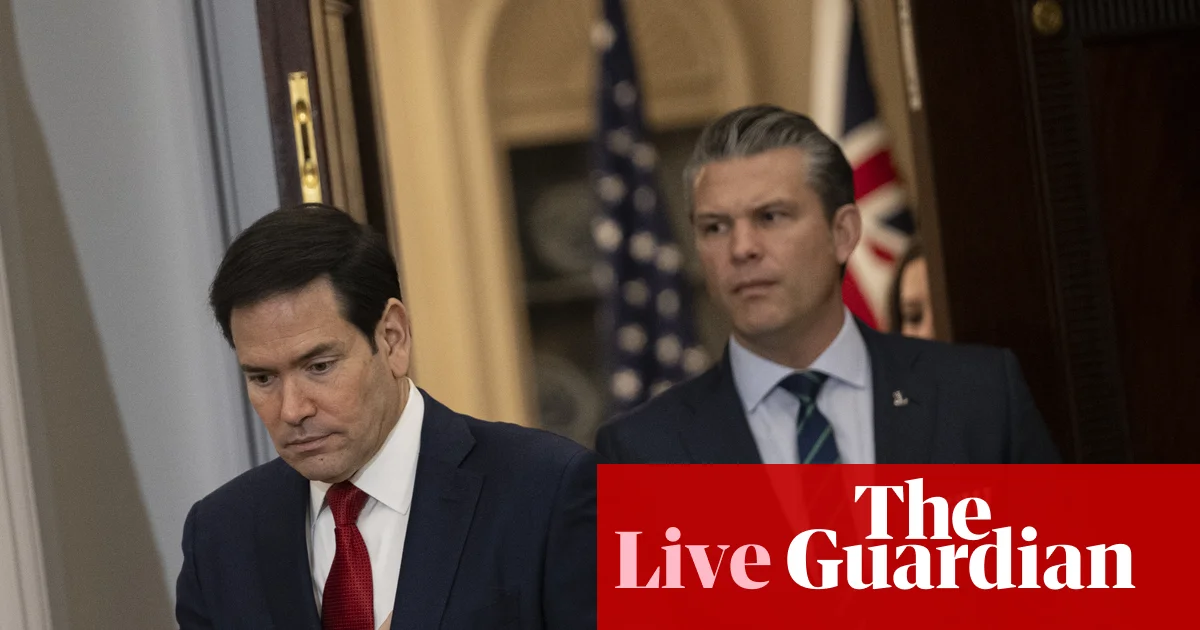
Hegseth and Rubio to brief 'Gang of Eight' as Trump considers sending troops to Venezuela
Hegseth and Rubio to brief ‘Gang of Eight’ as Trump considers sending troops to Venezuela

Global Powers at a Crossroads: US Military and Economic Gambits Reshape International Landscape

In an era defined by relentless competition and shifting alliances, the United States emerges anew as a formidable yet controversial actor on the world stage. Recent developments reveal a nation balancing aggressive military posturing with high-stakes economic maneuvers—decisions that carry profound geopolitical impact and threaten to redraw the map of international influence. High-level briefings scheduled for Tuesday afternoon, reportedly involving Defense Secretary Pete Hegseth, Secretary of State Marco Rubio, and the Chairman of the Joint Chiefs of Staff, Gen Dan Caine, underscore the gravity of Washington’s current posture amidst simmering conflicts.

Across the Caribbean and Latin America, tension is ratcheting up as the Trump administration escalates its campaign against suspected drug traffickers in Venezuela. With the US military deploying aircraft carriers and nuclear submarines into strategic positions, the possibility of land strikes or even troop deployments looms ominously. Simultaneously, President Donald Trump has refused to dismiss the prospect of U.S. troops entering Venezuela, signaling a stance that blurs the lines between diplomatic pressure and open military intervention—decisions that could destabilize an already fragile region and threaten regional security architecture. Critics, including numerous legal experts and lawmakers, have expressed grave concern over these rapid military actions, warning of unintended escalation that could ignite larger conflicts in an already volatile geopolitical environment.

Military Escalation Meets Economic Reckoning

  • Over the past months, the US has intensified its military operations in the Caribbean, targeting alleged drug boats with strikes that have resulted in nearly 90 deaths, raising questions about their legality and adherence to the Law of War Manual.
  • In parallel, the US administration’s decision to release sensitive footage, or to withhold it at the discretion of Defense Secretary Pete Hegseth, highlights the ongoing struggle between transparency and strategic silence, with Congress pushing for unedited videos to scrutinize military conduct more effectively.
  • Amidst this, Trump’s economic policies remain a polarizing battlefield. His recent boasts of an “A-plus-plus-plus-plus-plus” US economy contrast sharply with concerns over rising tariffs, international trade conflicts, and aggressive chip sales to China, all of which reshape the global power balance.

Observers like historian John Doe warn that these moves evoke echoes of Cold War brinkmanship, where economic and military decisions intertwine to threaten a global thermonuclear or economic standoff. Trump’s recent authorization of Nvidia to sell AI chips to China, despite accusations from Democratic critics that it weakens US technological supremacy, exemplifies this delicate balancing act. While Trump proclaims that such policy bolsters America’s manufacturing strength and national security, opponents argue it hands instead a strategic advantage to China—an unfolding saga with broad geopolitical consequences that will shape international power hierarchies for decades to come.

How Today’s Decisions Sound the Notes of History

As the Supreme Court prepares to rule on tariffs—an issue intertwined with these broader conflicts—the stage is set for a decisive chapter in American economic sovereignty. Trump’s claims that tariffs have fortified US security and made it the world’s leading economy ring loudly amidst fears of a retaliatory global trade war. Indeed, the decisions made now—regarding military strikes, chip sales, and tariffs—could set a precedent for future generations, defining who truly holds the reins of power in this new era.

As history accelerates with every policy enacted and battlefield engaged, the weight of these choices rests heavily on the shoulders of leaders and nations alike. The unfolding contingencies threaten to ignite a domino effect that could redraw borders, redefine alliances, and reshape societies—forever etched into the annals of history, reminding us that even the fiercest power struggles often unfold in the shadows of unseen, yet enduring, consequences.

Trump considers $2,000 payout from tariffs to rally youth support

The United States continues to grapple with its turbulent economic policy trajectory under President Donald Trump, who recently rekindled debates over domestic fiscal relief through controversial means. On Sunday, Trump suggested the possibility of distributing $2,000 stimulus checks funded by tariffs collected from global trade partners. His statement, posted on Truth Social, explicitly demanded public support by promising that the taxpayer-funded “dividend” would exclude high-income earners. This move appears to be a strategic effort to rally populist backing amid ongoing economic uncertainties, emphasizing a populist narrative of economic redistribution linked to trade policy.

However, the geopolitical and economic implications of such a plan extend far beyond mere campaign rhetoric. The U.S. Treasury Department and top financial officials have signaled a different reality: the primary use of tariff revenues is to address the mounting national debt, which now exceeds $38 trillion. According to Treasury Secretary Scott Bessent, the tariff proceeds—approximately $195 billion collected in the first three quarters—are being directed primarily toward reducing the federal debt rather than delivering direct economic benefits to American citizens. Such decisions highlight a fundamental shift in how trade policy impacts national sovereignty and economic stability, as policymakers balance the populist appeal of economic relief with the bitter realities of fiscal responsibility and international debt obligations.

Since April, widespread tariffs imposed by the Trump administration have significantly increased costs for American consumers, with data from Yale Budget Lab indicating an effective tariff rate nearing 18%, the highest since 1934. This escalation has been passed along the supply chain, pressuring families and small businesses alike—an unintended consequence of a policy that aims to protect American industry but often results in higher living costs. Analysts and international trade experts warn that such measures risk fueling long-term trade tensions and economic fragmentation, disrupting global supply chains and provoking retaliatory actions from trading partners, from the EU to China. Meanwhile, the Supreme Court has taken up cases challenging the legality of these broad tariffs, underscoring the international legal and diplomatic complexities at play.

  • In October, Trump proposed checks from tariff revenues ranging between $1,000 and $2,000, revisiting a recurring theme that tariffs can serve as a tool for direct economic redistribution.
  • The idea of a $5,000 dividend — floated earlier with Elon Musk — was ultimately dismissed as the national deficit expanded and federal spending cuts proved insufficient.
  • Historian and international economist Anne-Marie Slaughter warns that such short-term populist measures risk undermining the broader goals of economic sovereignty and global stability, emphasizing the need for sustainable fiscal policies rooted in international cooperation and fairness.

The unfolding showdown over global tariffs signals a pivotal juncture: the reshaping of America’s economic relationships and the recalibration of its role on the world stage. As international institutions scrutinize and challenge the legality of Trump’s tariff policies, it becomes clear that the decisions made today will reverberate well into the future, affecting everything from international trade balance to societal well-being. The confrontation over tariffs is more than politics; it is a defining chapter in the ongoing contest for economic sovereignty—a battleground where decisions made by an increasingly polarized nation could determine the course of global power dynamics for generations to come. The weight of history presses heavily upon the current administration, as the world watches whether the United States will steer toward renewed dominance through tariffs or risk fragmenting its economic foundation amid mounting debts and international pushback.

South Africa considers renaming iconic reserve amidst national debate

South Africa’s Cultural Identity and Geopolitical Implications: The Battle Over Names and History

In recent months, South Africa has become the epicenter of a fiery debate over its historical memory and national identity. The proposed renaming of Kruger National Park—arguably the country’s most iconic wildlife sanctuary—serves as a microcosm of a larger struggle that involves not only history and heritage but also economic stability and geopolitical positioning. A local legislative push, driven by the opposition Economic Freedom Fighters (EFF), seeks to erase the name of Paul Kruger, a 19th-century Afrikaner leader revered by certain segments of society, from one of the country’s most treasured landmarks. While some applaud the move as a necessary step toward decolonization and healing, critics warn it risks igniting socio-economic repercussions that could destabilize the nation’s fragile progress.

The name Kruger National Park has been a cornerstone of South Africa’s colonial and apartheid-era history since 1926. For Afrikaners, Kruger symbolizes resilience against British colonialism, a hero of their resistance and cultural legacy. Conversely, mainstream South African society increasingly views him as a symbol of racial exclusion and oppression, responsible for displacing Black communities from their land. This tension mirrors broader debates about how South Africa confronts its apartheid past: most of the country’s infrastructure, including city names and landmarks, has been renamed to reflect indigenous heritage and move away from colonial shadows. Yet, the question arises—does erasing these names genuinely foster unity, or does it risk rewriting history to the detriment of economic stability and international reputation?

International analysts and historians highlight the geopolitical impact of such decisions. According to institutions like UNESCO, a nation’s identity is intertwined with its cultural symbols; however, they also warn that hasty renaming processes—done without comprehensive consultation—can jeopardize tourism and foreign investment. Tourism, which accounts for nearly 9% of South Africa’s economy, relies heavily on the recognition and iconic status of sites like Kruger Park.)—as noted by economic experts—any delusions of erasing history must be carefully weighed against economic realities. Critics argue the proposed name change, though well-intentioned as an act of decolonization, could backfire. The tourism sector, already strained by internal socio-economic challenges—such as youth unemployment soaring above 50%—might suffer irreversible damage. Revenues from millions of international visitors contribute significantly to local livelihoods, and any erosion of the park’s brand risks turning the wilderness into a political battleground that alienates rather than unites.

Moreover, the controversy over the proposed renaming exposes deeper divides within South Africa’s society—what some regard as a necessary step toward indigenous sovereignty, others see as political opportunism. The AfriForum lobby group condemned the EFF’s initiative as “cheap politics,” warning it circumvents the legal processes set by the South African Geographical Names Council. This bureaucratic body is tasked with ensuring that name changes proceed according to law, involving extensive consultations and public participation. Conversely, President Cyril Ramaphosa’s administration, currently navigating its post-pandemic recovery, finds itself caught between honoring indigenous heritage and safeguarding economic interests. As international organizations watch closely, the unfolding debate underscores how internal decisions ripple beyond borders, influencing South Africa’s standing and strategic alliances. Historians such as Dr. Thabo Mbeki have emphasized that confronting history with clarity and responsibility is essential; however, reckless renaming risks overshadowing this intent.

As the nation stands on this precipice, the fight over the Kruger name symbolizes more than just a name; it symbolizes a choice between reconciliation and division, between economic stability and political symbolism. History continues to unfold beneath the weight of these decisions, reminding the world—and the people within—that the ripples of today’s choices will define South Africa’s legacy for generations. At this pivotal moment, the question remains: will the country forge a future where heritage and progress coexist, or will it slip into a cycle of ideological retribution with infeasible costs? This is more than a local debate—it marks a chapter in the ongoing story of nations grappling with their past amidst the pressures of global geopolitics.

Canadian amusement park considers euthanizing 30 beluga whales amid growing concerns

The ongoing controversy surrounding Marineland in Ontario has spotlighted broader issues of animal welfare, international diplomacy, and the responsibilities of governments toward their natural resources and societal values. The amusement park’s dramatic decision to threaten euthanasia for 30 beluga whales underscores the serious implications of regulatory decisions and the mounting pushback from animal rights groups. Marineland, a facility plagued by years of public scrutiny, sought to transfer these marine mammals to the Chimelong Ocean Kingdom in Zhuhai, China—a proposal now outright rejected by Canadian authorities.

The Canadian government’s refusal, led by Fisheries Minister Joanne Thompson, pivots on both conservation and ethical standards. She emphasized that recent legislation, including the 2019 refinement of fisheries laws, explicitly prohibits the use of whales and dolphins for entertainment purposes—an international shift aimed at phasing out captive cetaceans in favor of freer, more humane conservation efforts. This decision symbolizes a clear stance that public entertainment should not come at the expense of animal welfare. Critics and international observers, including marine biologists and independent watchdogs, view this as a vital step toward aligning policy with global ethical standards while challenging nations and corporations to rethink their engagement with captive marine life.

However, the dispute sharpens as Marineland rightfully argues it lacks alternative funding and lawful options to care for the whales. The park’s financial decline, exacerbated by declining visitor numbers and public outrage over previous welfare issues—such as the death of 20 whales since 2019—has grappled with the harsh realities of maintaining aging marine exhibits. The park’s plea for government aid was dismissed as “inappropriate,” illustrating a broader societal debate on whether economic necessity can justify compromises in animal welfare. This crisis resonates beyond Canada, highlighting how international treaties and national legislation are increasingly aligning against practices deemed outdated or inhumane, thereby affecting not only local industries but also international perceptions of national morality and policy.

  • In December 2022, the Canadian government reaffirmed its commitment to cruelty-free legislation, strengthening protections against using marine mammals for entertainment, symbolizing a decisive breach with past practices and setting a precedent strongly opposed by industries centered on marine captivity.
  • The international community increasingly views cetacean captivity as ethically unjustifiable, bolstered by organizations like World Animal Protection and others advocating for global bans on such practices, which could influence future trade and diplomatic deals.

Historian and geopolitical analyst Dr. Emily Carter notes that this event reflects a trend where national policies regarding animal rights serve as proxies for broader geopolitical dynamics. Countries projecting soft power through progressive legislation garner international goodwill, while those resistant may face diplomatic isolation. As the United States and European Union move toward stricter regulations, nations like China and Russia might perceive the rejection of such transfers as a challenge to their influence in the realm of international ethics and soft diplomacy. This case underscores the power of national legislative choices—though seemingly domestic—having far-reaching geopolitical impact, influencing international opinion, trade relations, and global standards.

As the darkness of this crisis looms—posing the possibility that these intelligent, sentient beings may face destruction—the world is faced with a stark choice. Will nations continue to prioritize economic and entertainment interests over moral responsibility, or will they embrace a new chapter where compassion guides policy? As history writes each chapter with the ink of decisions made today, the ongoing saga of the beluga whales serves as a stark reminder: in the realm of global morality, the weight of our choices will shape the future of human civilization and its relationship with the natural world. This unresolved chapter leaves us questioning—how much longer can society justify the commodification of life, when the moral compass of nations is being recalibrated amid the winds of change?

Social Media Auto Publish Powered By : XYZScripts.com