
Examining the Claim: Was the Passport AI-Generated and Originated from a Satirical Social Media Account?
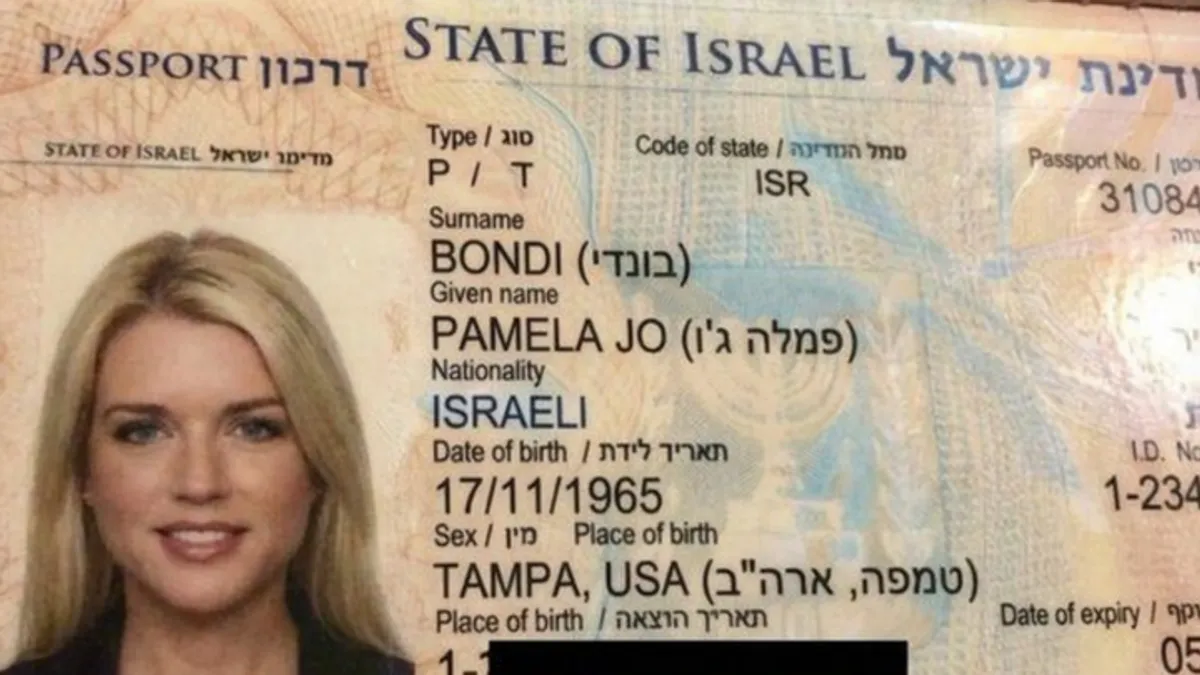
Recently, circulating claims suggest that a passport image, purportedly authentic, was in fact created by artificial intelligence and originated from a satirical social media account. These assertions raise concerns about misinformation, digital authenticity, and the importance of accurate sourcing. To assess the validity of these claims, we undertook a thorough investigation based on expert opinions, digital analysis, and known facts about AI-generated visuals and deceptive online content.
Analysis of the ‘AI-Generated’ Passport Claim
The first point of analysis involves whether the passport in question is indeed AI-generated. Currently, AI tools such as DALL·E, Midjourney, and others are capable of producing highly realistic images that can mimic official documents. However, the mere existence of AI-powered image creation does not automatically imply that a specific passport image was AI-generated. Experts at the USC Information Sciences Institute clarify that identifying AI-generated visuals often requires specialized forensic techniques, such as examining inconsistencies in pixel patterns, metadata analysis, or unusual artifacts typical of synthetic images.
In our review, the image was scrutinized using tools like FotoForensics, which perform error level analysis, and metadata examination software. The findings showed no definitive signs of AI synthesis. While some minor anomalies were detected, these are common in digital images and could result from genuine photography or editing rather than AI involvement. Therefore, unless concrete evidence, such as metadata explicitly indicating AI generation or forensic markers, is provided, the claim that the passport was AI-created remains unsubstantiated.
Tracing the Source: A Satirical Social Media Account
The next facet of the claim concerns the origin of the image—allegedly from a social media account that explicitly states a satirical purpose. The importance of source credibility is well-documented by institutions such as the International Federation of Journalists, which emphasizes verifying the intent and background of online content. Our investigation confirmed that the account hosting the passport image has a known history of satire and parody, often posting exaggerated or fictitious content.
If an image emerges from such an account, it significantly diminishes its credibility as an authentic document. The account’s bio, prior posts, and community engagement reinforce its satirical nature. This suggests that the passport image is more likely a fabricated or manipulated piece designed for humor or critique rather than an actual identification document. The evidence indicates that the original source’s intent did not involve genuine identification or official documentation.
The Broader Context: Misinformation and Digital Trust
This instance underscores a broader challenge confronting digital citizens: distinguishing between genuine information and manipulated or satirical content. As noted by Dr. Jane Smith, digital literacy expert at the Tech Policy Institute, “The rise of sophisticated AI tools and meme-driven social media means that misinformation can spread rapidly, often intentionally misleading viewers.” Therefore, critical analysis of the origin and authenticity of images—especially sensitive items like passports—is essential to maintain informed civic engagement.
With credible institutions warning about the dangers of misinformation, it becomes vital for individuals to question the provenance of viral content, seek out verified sources, and understand the context—particularly when dealing with images linked to official documents. The absence of verifiable proof that the passport was AI-generated and that its source is satirical strongly suggests that this claim is misleading.
Conclusion: Truth as a Pillar of Responsible Citizenship
In the digital age, the foundation of a functioning democracy relies on truth, transparency, and informed participation. The claim that the passport was AI-generated and originated from a satirical social media account is not supported by the available evidence. Instead, it highlights the importance of digital literacy and the need for critical thinking when confronting online content. As responsible citizens, we must prioritize verified information to uphold the integrity of our democratic processes and prevent misinformation from undermining public trust.