Matox News

Truth Over Trends, always!

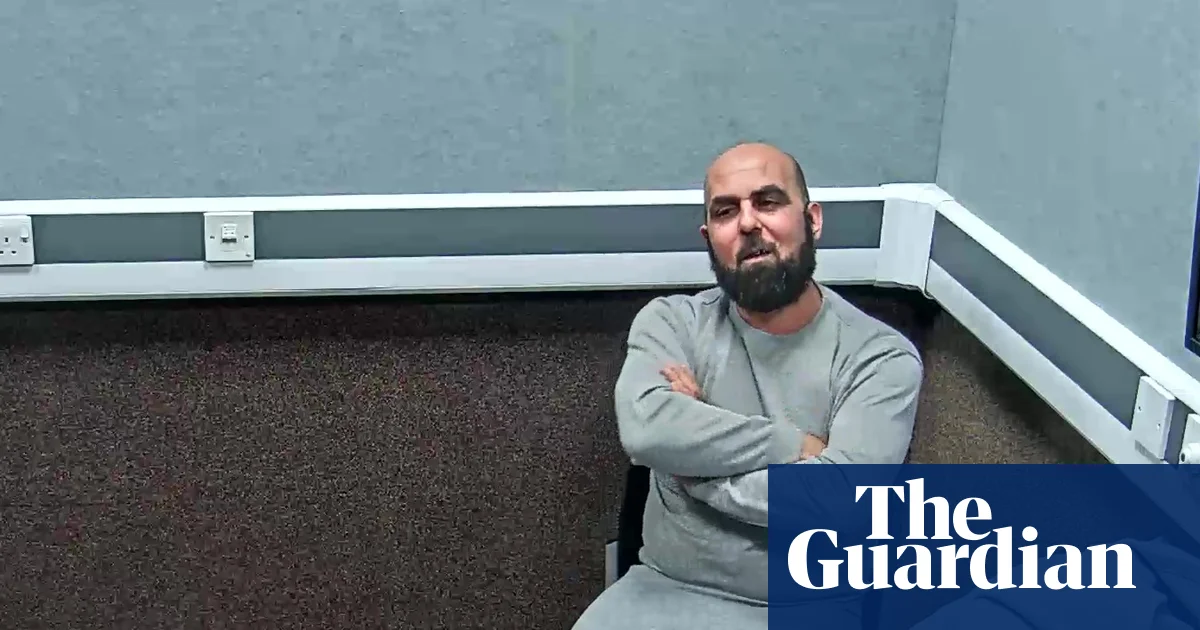
Undercover Cop Stops IS Plot to Kill British Jews – Podcast

In a stark reminder of the ongoing threat posed by radical extremism within Western societies, the recent convictions in Great Britain have underscored the persistent danger of homegrown terrorism. Walid Saadaoui, a man with a seemingly ordinary background—once a holiday entertainer in Tunisia before relocating to the UK—harbored a deadly secret: allegiance to Islamic State. His story, now publicly condemned, exemplifies how deceptive appearances can mask dangerous intentions, challenging policymakers and security agencies alike to adapt to evolving threats.

Saadaoui, alongside accomplice Amar Hussein, was sentenced to life imprisonment after authorities uncovered a well-coordinated plot to attack Greater Manchester’s Jewish community—a demographic historically targeted by extremist factions. The plot reveals the deep layers of ISIS’s clandestine operations penetrating Western neighborhoods and exploiting communities’ vulnerabilities. An undercover police officer, known by the codename ‘Farouk’, was embedded within their network—an operation exposing the delicate and dangerous balance between civil liberties and security efforts.

Analysts from various international think tanks highlight that the geopolitical ramifications of such conspiracies extend beyond national borders. Britain, as a cornerstone of the Western alliance, faces pressure to toughen counter-terrorism strategies while grappling with questions about integration and community resilience. These trials have sparked debates about how societal divisions and radicalization enable extremist ideologies to take root even in multicultural strongholds. The conviction of Saadaoui’s brother, Bilel Saadaoui, for failing to disclose critical information, underscores the complex web of supposition and betrayal that often accompanies these plots, serving as a stark warning that extremist networks operate on multiple levels of concealment and complicity.

International institutions and security analysts warn that the fight against radical extremism is far from over. The case echoes a broader pattern identified by experts from organizations such as Interpol and Europol, which emphasize persistent threats on domestic frontiers fueled by social alienation and geopolitical conflicts elsewhere. As histories from the Middle East and North Africa continue to influence European security landscapes, the question remains: how long can nations withstand the rising tide of ideological warfare? With each thwarted attack, history inches forward, yet the risk of a devastating strike persists—an ominous reminder that in the battle for societal stability, the threats lurking in shadows are often hardest to detect, and the cost of complacency can be measured in bloodshed.
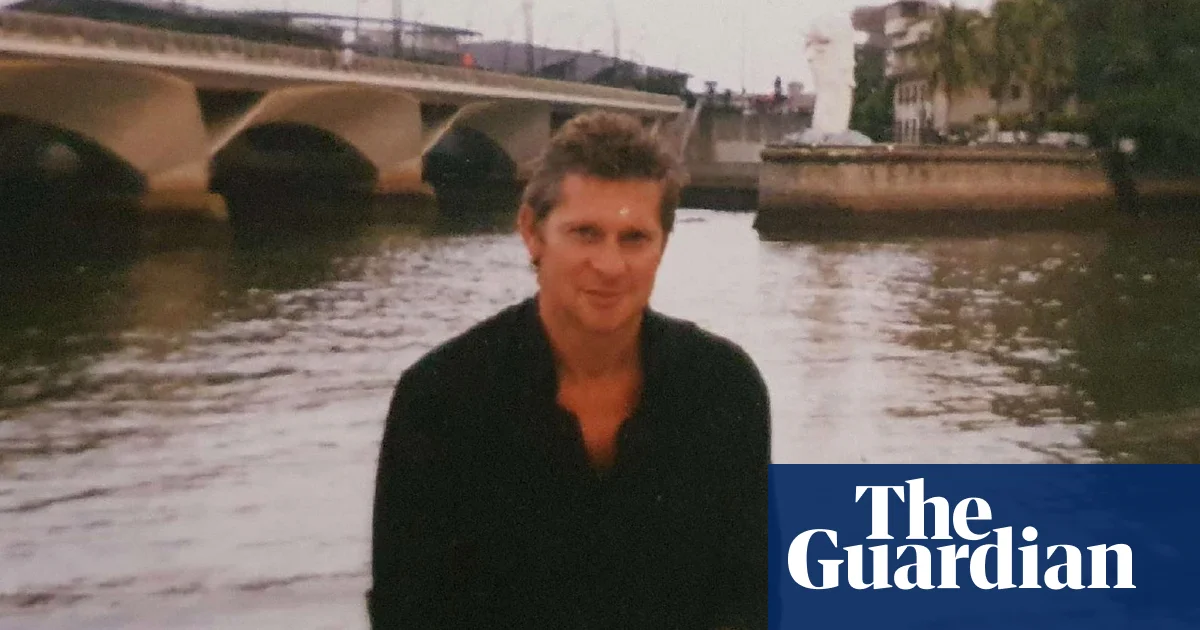

Undercover cop fakes animal rights gun scheme, managers reveal at inquiry

Unfolding Shadows: The Undercover Police Inquiry Exposes Decades of Deception

The undercover policing inquiry in the United Kingdom has unveiled a disturbing pattern of duplicity, manipulation, and questionable operations spanning over four decades. At the heart of the revelations is James Thomson, an officer whose actions have cast long shadows over the legitimacy of covert state surveillance against political activists. The inquiry, which scrutinizes the activities of nearly 140 officers who assumed false identities from 1968 to at least 2010, exposes profound questions about civil liberties, state power, and accountability. As allegations emerge of lies, deceptive relationships, and manipulation, the geopolitical impact of such clandestine operations extends well beyond the UK, calling into question the integrity of governments committed to restricting freedoms in the name of security.

Historians and analysts argue that the deep-seated misuse of undercover tactics destabilizes the societal trust necessary for democratic accountability. The inquiry has revealed that Thomson, tasked with infiltrating activist groups, often fabricated threats and plots—some resulting in dubious arrests or public hysteria. For example, he claimed to have uncovered a plot involving animal rights activists seeking revenge with a gun aimed at a political opponent, a narrative he and his managers later doubted. Internal reports have cast doubt on the credibility of these alleged plots, with one manager explicitly describing the entire affair as “bollocks.” This raises crucial questions about how much of the state’s narrative is built on fabricated intelligence. If such fabrications originate at the highest levels, the implications threaten to undermine the legitimacy of entire cohorts of covert operations, potentially leading to widespread mistrust in law enforcement agencies worldwide.

Beyond the operational doubts, the inquiry has cataloged unethical behaviors, including the systemic manipulation of innocent individuals. Thomson deceived women into intimate relationships, lied about his identity, and even concealed travel and possession of firearms—actions that constitute serious breaches of trust and law. His claims of receiving a gun from contacts in France during the early 2000s, purportedly to prevent a violent plot, were later questioned by colleagues who believed he might have invented or exaggerated the story. Meanwhile, a witness—the activist accompanying Thomson during his alleged trip to France—testified that their week-long stay was nothing more than a holiday. Such revelations underscore how inner secrecy and deception tainted the agency’s role, often blurring the line between intelligence work and personal exploitation, thus eroding the moral authority of the state.

The international repercussions of these revelations resonate globally. Critics argue that covert operations, especially those that manipulate public perceptions or infiltrate civil society, risk creating conflicts both domestically and abroad. As Western governments face increased scrutiny, the danger lies in how such clandestine programs may serve as tools for political suppression or influence operations beyond national borders. The United States, Russia, and other nations with extensive intelligence apparatuses face growing pressure from international watchdogs and human rights organizations who warn that unchecked spying fosters authoritarian tendencies and diminishes global trust in institutions dedicated to safeguarding freedom. The European Union and United Nations continue to debate stricter oversight, but behind closed doors, covert powers remain deeply embedded, reminiscent of Cold War espionage and now driven by new-age fears of terrorism, extremism, and social upheaval.

As history’s pen continues to etch this chapter, the weight of these revelations signals a turning point—a stark warning that state power wielded without accountability risks straying into the abyss of tyranny and abuse. The story of James Thomson and the UK’s secretive undercover operations serves as a stark reminder. How far can the state go in the name of security before it becomes the very enemy it seeks to fight? With the unfolding of these dark secrets, the broader question remains: will the architects of these covert realms acknowledge the harm wrought or double down on secrecy and deception? This chapter in history is far from complete, and as the world watches, the shadows lengthen, casting a long, uncertain future for liberty and transparency.”

Social Media Auto Publish Powered By : XYZScripts.com


