Matox News

Truth Over Trends, always!

COP30 Evacuated as Fire Breaks Out—Pacific Leaders Push for Urgent Climate Action

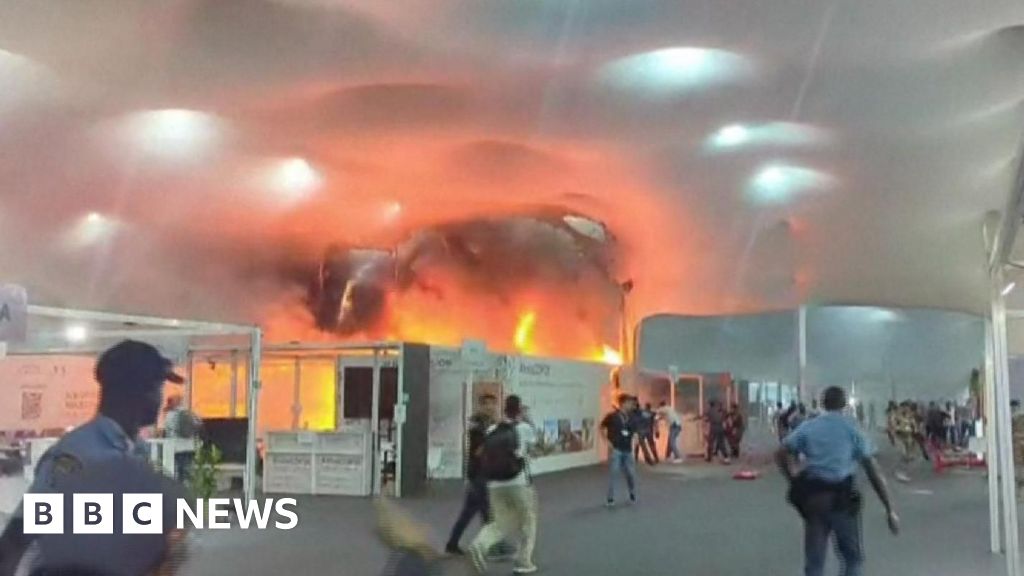
In a dramatic turn of events that underscores the fragility of international diplomacy, the UN climate summit, COP30, held in Belém, Brazil, was abruptly halted when a fire broke out inside the conference venue. Chaos erupted as flames and heavy smoke engulfed the pavilion, forcing hundreds of delegates, journalists, and concerned observers to evacuate in a scramble for safety. The incident not only disrupted critical negotiations but cast a shadow over the increasingly urgent global efforts to combat climate change, highlighting how unforeseen crises can unilaterally derail multilateral diplomacy.

The Brazilian authorities quickly claimed to have contained the fire, which authorities believe was likely an electrical fire. However, the cause remains under investigation—which adds to the volatility of the situation—while the immediate aftermath saw delegates seeking shelter outside, some under the shade of nearby petrol stations amid oppressive heat and humidity. The fire caused visible damage, burning through the venue’s protective sheeting and creating a large hole in the structure, temporarily halting what was already a delicate consensus-building process involving nearly 200 nations. This fiery disruption could have repercussions far beyond Brazil, impacting the geopolitical fabric as nations grapple with the fallout of a crisis that embodies the precarious state of global cooperation on environmental issues.

International analysts, including prominent climate experts and United Nations officials, warn that incidents like this expose the deeper vulnerabilities within the global climate governance framework. With negotiations at a crucial juncture—aiming to outline next steps and commitments—the fire’s disruption could serve as a symbolic warning about the fragility of international consensus. Observers note that such chaos may undermine trust, especially as climate change remains a battleground where geopolitical tensions are heightened; a safe and collaborative environment is essential before nations can approach the substantial task of crafting effective policies. The UN reiterated that the summit is temporarily on hold, with authorities now inspecting the venue for safety before proceedings can resume, but the incident leaves many questioning whether global leadership is equipped to confront the mounting crises ahead.

Historically, international critics and strategic analysts have argued that crises—whether geopolitical or environmental—often act as turning points revealing structural weaknesses within the global order. With tensions simmering over climate commitments, resource disputes, and geopolitical rivalries, the fire at COP30 serves as a stark reminder that the stakes extend beyond mere policy disagreements. As history has shown, moments of crisis tend to accelerate or derail progress depending on leadership responses. If the current incident is any indication, the path toward genuine international unity on climate issues is as uncertain as it is critical. As delegates sit outside in the sweltering heat, the world watches,—a symbol of the ongoing struggle to forge an enduring global consensus amid the chaos of an unfolding crisis—reminding us all that history’s next chapter is still being written, and the true test of leadership lies in overcoming the unforeseen with resolve.
Brazil expands Indigenous lands following COP30 protests

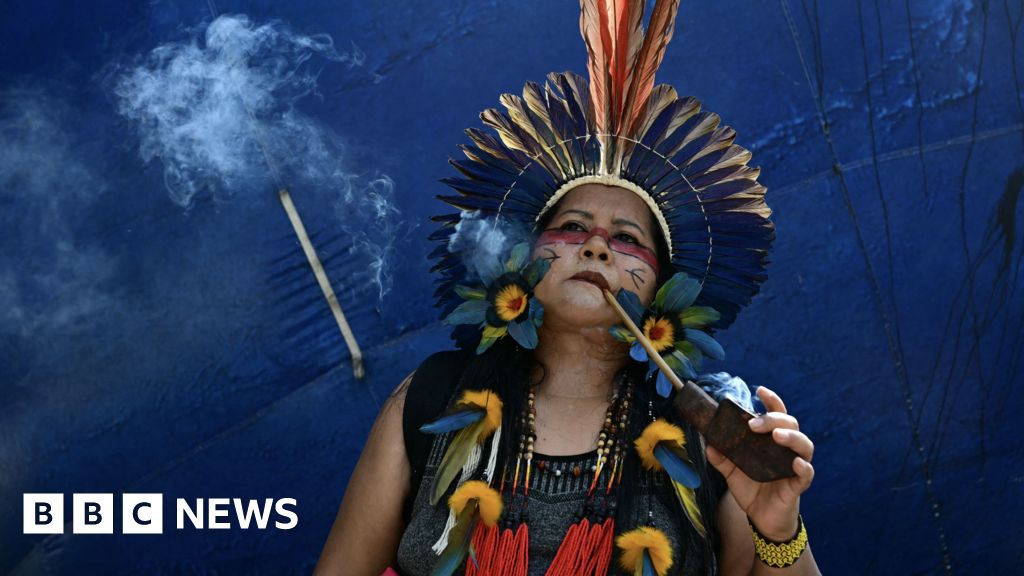
In a notable move amidst the ongoing global climate crisis, Brazil has formalized the creation of 10 new Indigenous territories, a decision that echoes the rising tide of Indigenous-led environmental activism at the COP30 climate summit in Belém. This initiative, announced on Indigenous Peoples’ Day, is a significant shift from recent decades when protections for Indigenous lands had either been neglected or actively undermined. The measure, which encompasses vast areas including part of the Amazon rainforest—an ecological titan responsible for a major share of the planet’s carbon sequestration—aims to preserve both cultural heritage and vital biodiversity.

These newly designated Indigenous territories, covering hundreds of thousands of hectares and inhabited by thousands of Indigenous peoples such as the Mura, Tupinambá de Olivença, Pataxó, Guarani-Kaiowá, Munduruku, Pankará, and Guarani-Mbya, represent a strategic effort that aligns environmental conservation with Indigenous rights. Historically, under former President Jair Bolsonaro’s administration, policies tended to promote unregulated mining, logging, and commercial farming—actions that directly accelerated Amazon deforestation and contributed to rising global temperatures. Now, under the leadership of President Luiz Inácio Lula da Silva, Brazil appears to be reversing course, recognizing Indigenous claims forcibly suppressed under previous regimes. Analysts worldwide praise this shift, noting it could prevent up to 20% of potential deforestation and slash carbon emissions by 26% by 2030, according to studies by the Articulation of Indigenous Peoples of Brazil and environmental research groups.

This move holds significant geopolitical impact as it signals a broader push among nations to embrace tangible actions against climate change. The protection of these lands—especially ones overlapping over 78% with the Amazon National Park—serves as a critical bulwark against the global environmental shift. Indigenous territories have repeatedly shown to be effective buffers against deforestation and ecological degradation, and global experts such as climate scientists argue that these measures are essential in the fight to keep global warming below 1.5°C. The decision’s timing, coinciding with COP30’s focus on the “how to limit temperature rises,” underscores the growing international consensus on the need for immediate, enforceable action. Yet, critics warn that enforcement remains fragile and that the fight against illegal mining and logging persists as a civilizational challenge that threatens these fragile ecological and cultural sanctuaries.

As international organizations and countries grapple with the urgent task of climate mitigation, Brazil’s new policies highlight a pivotal point in global environmental politics. The question remains whether economic pressures—driven by a resilient global market’s thirst for commodities—will erode the gains made through Indigenous stewardship or bolster them as part of a broader strategy for sustainable development. Historians and climate analysts warn that neglecting Indigenous sovereignty and ecological knowledge risks repeating past failures. The future of the Amazon—and possibly the entire planet—rests on these decisions, with each government’s stance echoing through this unfolding chapter of history. The tale is far from finished; as the world watches and waits, the weight of history presses on every policy and every forested hectare protected or lost, shaping the legacy of this vital planet for generations to come.

Thousands rally outside COP30, demanding real climate action now

Belém, Brazil — a City on the Frontline of Climate Politics

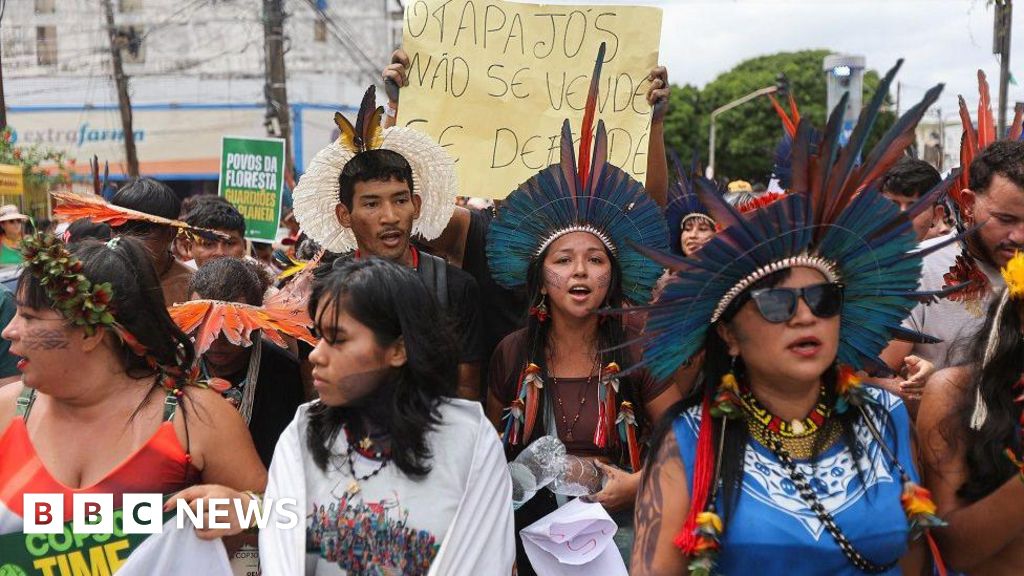
As World leaders convene at COP30 in Brazil, the city of Belém is currently witnessing a dramatic clash between international policy ambitions and grassroots activism. Thousands of climate protesters, energized by a palpable sense of urgency, have flooded the streets near the summit, expressing their frustration with what many consider the deliberate inaction of global powers. Carrying signs like “free the Amazon” and staging symbolic funerals for fossil fuels, these activists symbolize the deepening tension between environmental conservation and the economic interests that threaten vital ecosystems.

Amidst the chants and samba music, indigenous communities—regarded worldwide as primary stewards of biodiversity—have taken to the streets with banners urging for *”demarcation now”*, demanding legal sovereignty over their ancestral lands. The Amazon rainforest, often called the world’s “lungs,” remains a flashpoint for debate: while the summit’s hosts, led by President Luís Ignacio Lula da Silva, aim to showcase Brazil’s ecological commitments, recent actions have cast doubt on these promises. Mere days before the talks commenced, the Brazilian government approved oil exploration permits at the Amazon’s mouth—an act perceived by many as a betrayal of climate commitments and a sign of the country’s conflicting priorities.

Geopolitical Impact of Policy and Protest

The summit sees a record number of delegates from fossil fuel industries, totaling over 1,600 lobbyists, a 12% increase from last year, according to analysis by the coalition Kick Big Polluters Out (KBPO). This influx underscores the influence of industry interests in shaping climate policy—a reality that many young activists and analysts view as a clear obstacle to genuine progress. The absence of the United States from active negotiations, after former President Donald Trump labeled climate change a “con,” has further stymied efforts for a cohesive international strategy. Without the world’s largest economy participating meaningfully, experts warn that ambitious targets remain unattainable, endangering future generations’ prospects for climate stability.

International organizations and climate scholars emphasize that these developments threaten not only environmental sustainability but also geopolitical stability. As climate disinformation proliferates, efforts like the Declaration on Information Integrity signal a push to combat misinformation and promote facts-based policymaking. Yet, critics argue that vested economic interests often drown out scientific consensus, undermining the very foundation of real progress. Meanwhile, indigenous voices continue to be marginalized, despite their critical role in safeguarding ecosystems; many have set up stalls outside the summit’s fences, desperate to have their concerns heard, while security forces tighten their grip on protest zones.

How Decisions at COP30 Shape Our Future

Historians and analysts concur that the outcome of this summit could define the trajectory of global climate policy for decades. With ongoing negotiations focusing on how to implement existing commitments and fund adaptation efforts, the stakes have never been higher. Yet, the persistent tug-of-war between environmental righteousness and economic development exposes unresolved contradictions at the heart of international diplomacy. As the week progresses, the world watches with bated breath—questioning whether this pivotal gathering will ignite meaningful change, or become yet another chapter of official silence in the face of ecological catastrophe.

In these decisive moments, history continues to unfold beneath the Amazon skies, where the future of human civilization and the planet’s fragile ecosystems hang in the balance. The choices made in Belém today will echo through generations—an indelible testament to the ongoing struggle for justice, sovereignty, and survival amidst a rapidly changing climate landscape.

Brazilian Minister: Recognize Indigenous Lands in Climate Strategy at COP30

As the United Nations Climate Summit (Cop30) unfolds in Belém, Brazil, the global spotlight intensifies on the urgent intersection of climate policy and indigenous rights. Sonia Guajajara, a prominent Indigenous activist turned minister under President Lula da Silva, has emphasized that recognition of demarcation of Indigenous lands must be embedded into the core strategies to combat the climate crisis. Her declaration not only underscores the moral and environmental importance of safeguarding these territories but also highlights a broader geopolitical challenge: how international cooperation, or the lack of it, shapes the future of the Amazon, vital to global climate stability.

  • Guajajara’s call for the recognition of Indigenous land rights aligns with evolving climate diplomacy where protecting natural ecosystems is increasingly seen as a shared responsibility.
  • At the summit, Indigenous communities, Afro-descendants, and traditional farmers have congregated, deliberately demonstrating their indispensable role in generating sustainable solutions, thus challenging the prevailing narratives driven by industrial interests.
  • This activism comes amid warnings that exploitation—particularly by the mining sector—threatens the Amazon’s rivers, notably the Tapajós, which have been contaminated by mercury from illegal gold extraction.

The geopolitical impact of these developments extends beyond Brazil’s borders. Brazil’s Congress, dominated by agribusiness and mining interests, seeks to open vast territories such as Yanomami lands to industrial mining—a move fiercely opposed by environmentalists and Indigenous leaders. The stakes are high; these territories house some of the world’s most critical ecosystems, which are essential to global climate regulation. Historically, such pursuits have often been underpinned by a narrative of economic development at the expense of indigenous sovereignty. However, the summit’s focus indicates a shifting paradigm where environmental conservation and Indigenous rights are now central to international policy discussions.

A pivotal aspect of Cop30’s agenda is the Tropical Forest Forever Facility (TFFF), a pioneering financial mechanism aimed at incentivizing countries with substantial forest cover to resist deforestation. So far, approximately $5.5 billion has been pledged, with Brazil’s President Lula aiming for a total of $25 billion from public funds, supplemented by plans to generate an additional $100 billion through financial markets. If successful, the TFFF could become a vital tool in counteracting global deforestation trends, symbolizing a potential shift from reactive conservation to proactive investment. Nonetheless, recent diplomatic setbacks, notably the UK’s decision not to contribute, cast a shadow over international collaboration, threatening to undermine the summit’s ambitions. Critics argue that this retreat not only hampers the fund’s potential but also damages the fragile trust necessary for sustained global climate efforts. Guajajara expressed her disappointment: “It is regrettable that Britain is not contributing resources,” highlighting the widening gap in international commitment.

This reluctance from advanced economies echoes a broader geopolitical division. China, which has expressed tentative support for the TFFF, maintains the stance that developed nations must bear the primary financial burden for climate mitigation. Historically, this tension reflects the ongoing debate over climate justice: should developing countries shoulder the economic costs of their own development, or should the historical polluters—mainly industrialized nations—fund the transition? As climate analysts warn that the window to limit global warming to 1.5°C is rapidly closing, these conflicting priorities threaten to stall vital progress. According to international organizations, such as the IPCC, failure to bridge these gaps could lead to irreversible environmental and societal upheaval—a stark reminder that the “battle for the Amazon” is emblematic of a larger contest over global influence and responsibility.

As the proceedings unfold amidst peaceful protests and diplomatic negotiations, the weight of history seems ever more profound. The decisions made here—whether for indigenous recognition, environmental finance, or geopolitical alignment—will echo through generations. In the shadow of the Amazon’s towering canopies and the corridors of power, the urgent question remains: *how long can the world ignore the lessons of history before the consequences become irreversible?* The story of Cop30 is still being written, and the final chapters have yet to be penned. Yet, one truth endures; the fate of the Amazon and humankind’s future are intertwined, caught between the relentless tide of progress and the imperative to preserve the planet’s sacred natural inheritance.

COP30 Live: US Absence Sparks Tensions as Youth Protests Rage On

Global Climate Diplomacy in Flux: The Geopolitical Impact of COP30 and Civil Society Unrest

As Brazil hosts the COP30 climate summit amidst a backdrop of upheaval, the geopolitical landscape of climate policy is experiencing a profound transformation. The absence of the United States—the world’s largest historical greenhouse gas emitter—marks a pivotal turning point in international climate negotiations. Meanwhile, civil society activists, indigenous leaders, and environmental guardians are capitalizing on the vacuum created by U.S. disengagement, mobilizing with unprecedented fervor. The arrival of a flotilla of over 100 vessels, including the Greenpeace Rainbow Warrior, symbolizes a new era of direct action that challenges traditional diplomacy and accentuates the deepening societal rifts over climate justice.

The absence of the US delegation— confirmed by research from Carbon Brief—has stoked a wide array of reactions. While former UN climate chief Christiana Figueres declares it a blessing, some analysts warn that this void might embolden petro-states like Saudi Arabia and India to push their agenda, potentially undermining international commitments. Notably, California governor Gavin Newsom has emphasized the importance of subnational efforts, asserting that “what stands in the way becomes the way.” This shifting dynamic indicates a fracture in the once-unified front of international climate diplomacy, where local and regional actors are emerging as critical players, challenging the old paradigms enforced by politician-led negotiations.

Society at the Forefront: Protests, Indigenous Resistance, and the Fight for Land and Life

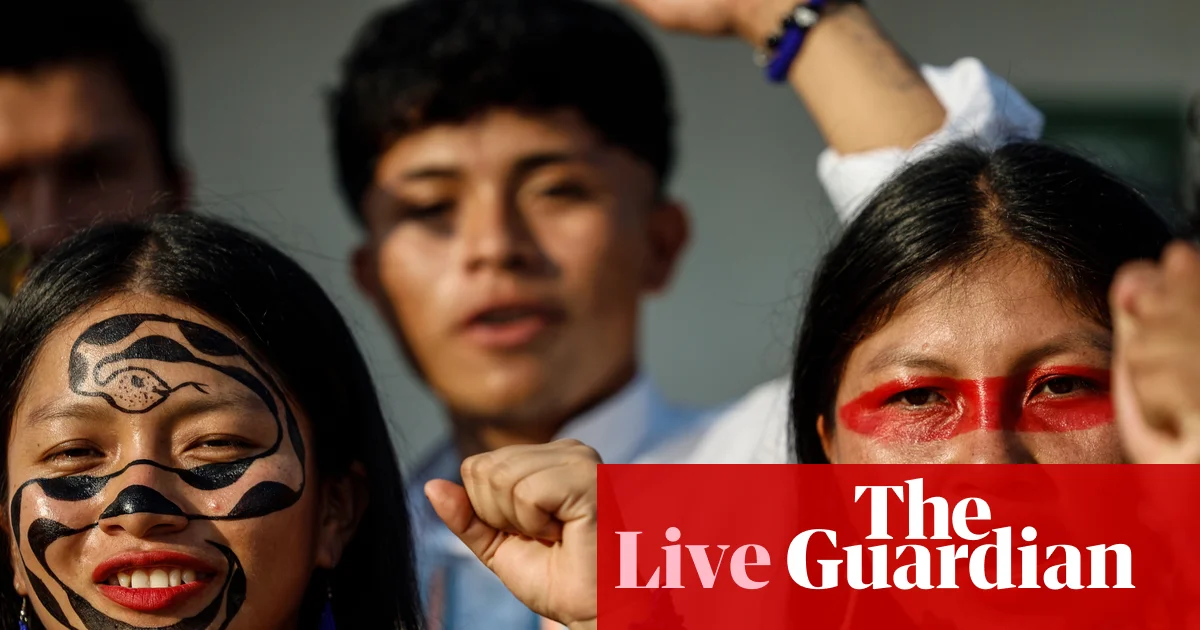
Within Belém, voices of indigenous and forest communities have become the heartbeat of the summit. The **”Boats for Climate Justice Flotilla,”** representing some 5,000 activists from 60 countries, underscores a widespread awakening among marginalized groups demanding recognition of their rights and the protection of critical ecosystems like the Amazon. Maya-Lou Kayapo and Sarah Rodrigues exemplify this resistance, emphasizing that “financial support needs to go directly to the traditional peoples who protect the forest, not to extractivist industries.” As protesters sing slogans such as “Fight for the Right to Life” and “No to Soy!”, they embody an uncompromising stance that society’s future depends on respecting nature and indigenous sovereignty.

The tensions reached a crescendo when dozens of activists burst into the Blue Zone, confronting UN security—an act signaling the resurgence of civic unrest that had been suppressed in recent years. Such demonstrations mark a strategic shift toward direct action and civil disobedience, reflecting a broader social burnout with diplomatic lip service and a growing impatience for tangible change. The symbolism of the inflatable snake, “the great cobra,” underscores their call for reparative justice, emphasizing that financial and political support must flow to communities at the frontline of climate change, not multinational corporations or fossil fuel interests.

Implications for Global Policy and the Future of Climate Action

The geopolitical impact of these developments transcends mere symbolism. International organizations like the IPCC and climate analysts warn that the new landscape, marked by US absence and grassroots pressure, could either accelerate or derail global efforts to meet the Paris Agreement targets. The “entirely feasible” investment of $1.3 trillion annually by 2035, as outlined by the High-Level Expert Group on Climate Finance, hinges on effective mobilization of public and private funds — a task complicated by geopolitical fractures and societal upheaval.

Historian William K. Reilly and others caution that the ongoing crisis exposes the fundamental flaw in relying solely on international negotiations. Instead, the future hinges on bottom-up initiatives—local leadership, civil resistance, and innovative policy mechanisms. Gore’s portrayal of the climate crisis as “literally insane” underscores the urgency of shifting from brittle diplomacy to resilient societal action. As humanity teeters on the edge of climate tipping points, the unfolding narrative of COP30 reveals a world in tension—caught between the old guard’s retreat and new forces demanding a radical reimagining of our relationship with Earth. The decisions made now may well write the next chapter of history—one either of collective salvation or irreversible decline.

Social Media Auto Publish Powered By : XYZScripts.com