Matox News

Truth Over Trends, always!

FBI and Minnesota cops probe ICE arrest that battered man’s skull

Investigation Unfolds Over Alleged ICE Assault in Minnesota

The recent incident involving Alberto Castañeda Mondragón, a Mexican national, has become a flashpoint in the ongoing debate over law enforcement conduct and immigration enforcement in the United States. Authorities in Minneapolis are investigating allegations that immigration officers from ICE brutally assaulted Castañeda Mondragón during a January arrest, resulting in severe skull fractures and life-threatening injuries. This case has ignited a global discussion about the abuses of power, racial profiling, and the lack of transparency surrounding immigration enforcement practices, raising critical questions about the consequences of aggressive policing tactics in a nation founded on the rule of law.

The facts surrounding the incident are under intense scrutiny. Witnesses and hospital reports indicate that Castañeda Mondragón sustained injuries incompatible with ICE’s narrative—claiming he attempted to escape handcuffs and hit his head on a concrete wall. Medical experts have dismissed this version, citing fractures across his skull that suggest levels of trauma inconsistent with a fall. Meanwhile, surveillance footage from nearby businesses, which could shed light on the events, appears to have been overwritten, hampering efforts by investigators. The FBI and St. Paul police are now probing the circumstances—yet a climate of suspicion persists, fueled in part by past abuses and controversies involving ICE officers.

This case is emblematic of broader geopolitical tensions that cross national borders. The United States has long been entangled in a complex and often controversial immigration policy, with critics accusing federal agencies of racial bias, misconduct, and systemic abuse. As analysts warn, these incidents can harden anti-American sentiment in Latin America and erode the legitimacy of U.S. justice, particularly when the global community increasingly views America’s immigration enforcement as a form of soft imperialism. The publicized misconduct not only jeopardizes U.S. diplomatic relations—especially with Mexico, whose citizens are disproportionately affected—but also fuels discontent and mistrust among immigrant communities within the country. The policies that govern immigration enforcement thus directly influence social cohesion, international perceptions, and geopolitical stability.

From the perspective of international institutions and historical critics, the controversy highlights a recurring pattern: yet another example where law enforcement agencies in the West are accused of crossing the boundaries of acceptable conduct, risking the erosion of civil liberties. The United Nations and human rights organizations have expressed concern over the increase in police brutality and controversial immigration raids, framing them as symptomatic of wider systemic failures. Some experts, including prominent historians, note that such incidents echo troubling chapters from the history of authoritarian state tactics—where perceived threats are harshly suppressed, often with minimal accountability. The relentless scrutiny sent through investigations and court proceedings becomes a challenge to the “culture of impunity” that persists in some law enforcement circles.

Crucially, this incident underscores the turning point in public awareness about civil rights versus national security priorities. As lawmakers and civic advocates demand increased transparency and accountability, the timing could not be more pivotal. The U.S. faces mounting pressure to reconcile its commitment to international human rights standards with its enforcement policies—an effort further complicated by internal political divisions and the influence of powerful security agencies. The case of Alberto Castañeda Mondragón might serve as a catalyst for reform or, conversely, deepen the cycle of secrecy and misuse of authority if unchecked. Ultimately, the unfolding drama encapsulates a core question: which principles will define the future of justice in a nation that claims to stand for liberty and equality but is haunted by its own shadows of violence and injustice? As history continues to be written, the world—and the victims of these encounters—wait for answers yet to come.
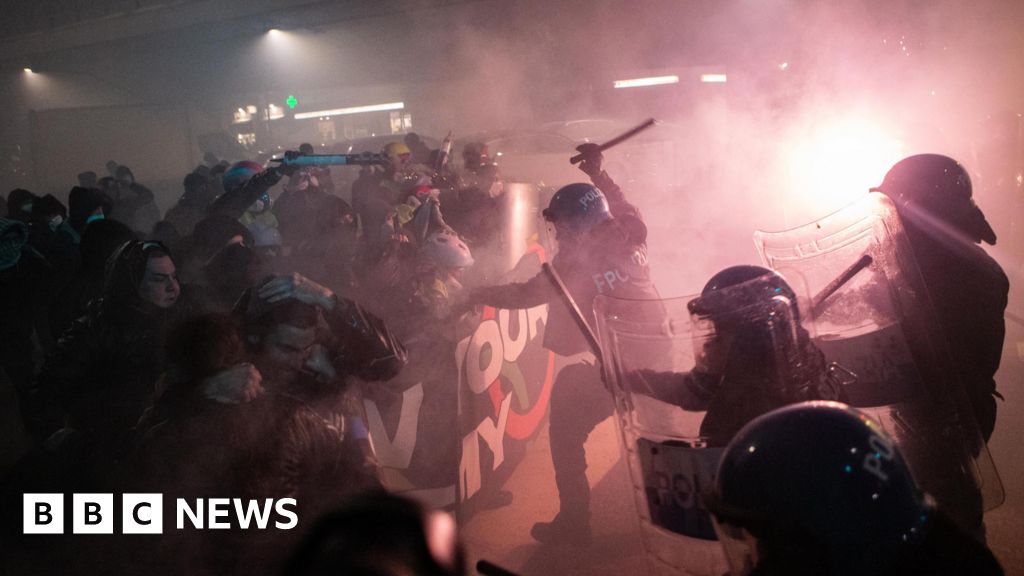

Italian cops crack down on protesters in Milan ahead of Olympics

In an unfolding development that underscores the persistent volatility of civil unrest across Europe, authorities in Italy have reported the detention of at least six individuals following a recent demonstration in Turin. This protest, initially intended as a rally for economic reform and social justice, swiftly escalated into violence, raising alarm across both national and international spheres. Such incidents highlight the fragile state of social cohesion in parts of the continent and draw renewed scrutiny on the government’s approach to civil dissent.

The violence erupted unexpectedly amidst a context of mounting economic pressures and political discontent, which have been vastly magnified by global uncertainties. The Ufficials confirmed that the unrest in Turin was not an isolated event but part of a broader wave of demonstrations sweeping through parts of Europe, fueled by frustration over rising inflation, unemployment, and perceived government indifference. Analysts from international think tanks are warning that these tensions may escalate if the underlying issues are not addressed, potentially destabilizing long-standing social contracts within European nations.

International organizations, such as the European Union and the United Nations, have issued cautious statements underscoring the importance of dialogue and restraint. However, the recent arrests in Italy serve as a stark reminder of how fragile the situation remains. Despite the government’s efforts to quell unrest, critics argue that heavy-handed security measures risk alienating the very populations they aim to pacify, potentially fueling further unrest. How this delicate balance will unfold could reshape the social fabric of the region for years to come.

Historians and geopolitical analysts increasingly warn that incidents like the Turin demonstrations are more than isolated clashes—they are emblematic of deeper, systemic shifts within the European order. As nations grapple with rapid economic and demographic changes, the decisions made today will determine the future of governance and social stability. Governments are under mounting pressure to find effective, just solutions that respect civil liberties while maintaining law and order.

As the world watches, the *story of Turin* continues to unfold, a powerful reminder that history is always in motion—each protest, each arrest, shaping the narrative of a continent at a crossroads. The tension in Italy echoes across borders, a stark warning that if policymakers do not heed the underlying issues, the consequences could ripple outward, threatening the very foundations of democracy and social harmony. The weight of history presses heavily, and the future remains uncertain, written in the choices made in these critical moments.

Sydney Cops Charge Four Men Over Alleged International Child Abuse Scandal

The recent apprehension of four Australians accused of operating a satanic child sexual abuse material ring in Sydney highlights a disturbing chapter in the ongoing battle against transnational crime and the dark web. With law enforcement executing multiple searches across key locations—such as Waterloo, Ultimo, and Malabar—this case underscores the brutal reality of how illegal networks exploit technological vulnerabilities and societal silence. The Australian authorities’ swift action, including the arrest of individuals like Landon Germanotta-Mills and others, reflects a growing international consensus on the importance of crackdowns on child exploitation, even amidst battles against free speech and digital privacy rights.

According to NSW Police, Germanotta-Mills, who claims to be the founder of the independent news platform The Underground Media Network, is alleged to have played a leading role in distributing and facilitating child abuse materials, some with satanic and ritualistic themes. His platform, which articulates a mission to “expose institutional abuse,” appears paradoxical in light of his alleged activities—highlighting a recurring theme where online spaces ostensibly dedicated to justice become tangled in the very issues they oppose. International analysts warn that such cases could set distressing precedents, enabling criminal networks to manipulate the perception of legitimacy and undermine public trust in advocacy outlets. This case further illuminates the intersection of digital activism and clandestine operations, testing the resilience of societal morals and law enforcement’s capacity to adapt to rapid technological shifts.

Elsewhere in Australia, three additional men—Benjamin Raymond Drysdale, Mark Andrew Sendecky, and Stuart Woods Riches—faced court proceedings, with bail requests denied in each case. Their alleged involvement spans accessing, possessing, and disseminating child abuse and bestiality materials. The breadth of charges indicates a concerted effort by authorities to dismantle elements of this network, but the deeper warnings resonate beyond mere criminal prosecution. Many international human rights bodies and security analysts argue that such cases expose vulnerabilities in global digital infrastructure and legal frameworks, urging nations to reinforce their protections against these heinous crimes. The international community remains watchful—some experts speculating that these revelations could stimulate a broader multilateral effort or, conversely, incite resistance from those attempting to thwart law enforcement’s reach.

This disturbing episode exemplifies a larger geopolitical landscape where nations grapple with how to balance freedom of speech against the need for security. The impact on societal trust, particularly among youth, is profound; as the internet becomes more accessible, so do the risks of exploitation. Critics argue that overly broad or vague legislation may threaten civil liberties, yet the global push to clamp down on child exploitation remains firm. As noted by international security agencies and renowned historians of digital rights, the outcome of these cases may well influence future policies—either strengthening resilience or unleashing unintended consequences that could embolden underground networks.

In the shadowed corridors of this ongoing war against corruption and decay, the weight of decision-making presses heavily upon global and national leaders. History records that the battle against evil disguised as activism often tests the very fabric of society. Today’s crackdowns could set decisive precedents, but tomorrow remains unwritten. As the world watches, the unfolding story of justice, morality, and international cooperation continues—a stark reminder that the fight for innocence, truth, and human dignity is far from over. In the silence that follows, history’s pen waits—recording a chapter where darkness was challenged, and hope endured against all odds.

Nancy Mace Clashes with Airport Cops in Explosive Outburst: Police Report

Major Political Controversy Sparks Disruption in Public Sector Operations

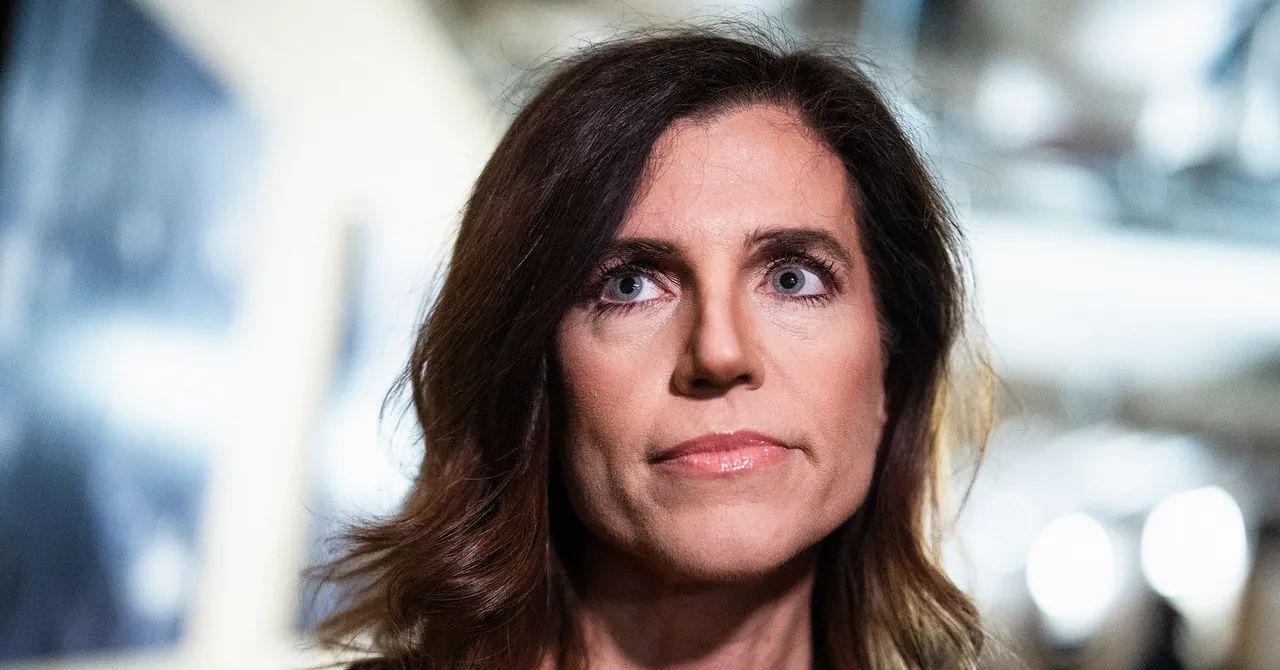
In a development that underscores the unpredictable intersection of politics and technology, South Carolina Congresswoman Nancy Mace has recently found herself embroiled in a controversial incident at Charleston International Airport. According to an incident report obtained by WIRED, her unruly behavior toward law enforcement and security personnel has not only raised eyebrows but also spotlighted vulnerabilities within logistical and security infrastructures. As public sector disruption becomes increasingly intertwined with political theatrics, tech companies operating in the realm of security, identity verification, and AI-driven enforcement are now reassessing their innovation strategies to navigate industry instability.

This episode exemplifies the critical need for disruption-resistant systems in operational workflows, especially where governmental and security agencies rely heavily on automation and digital interfaces. While traditional security protocols—such as manual checks and human oversight—have served well, the incident emphasizes the urgency for emerging automated compliance tools and AI-driven behavioral analytics. Companies that incorporate these innovative technologies could not only improve operational efficiency but also enhance resilience against unforeseen political risks. As analyst Gartner has consistently reported, the future of public sector security will increasingly depend on the ability of AI systems to prevent, detect, and adapt to unexpected human behaviors that threaten safety and order.

Furthermore, the incident highlights a broader industry shift towards automation and smart security protocols, especially in high-stakes environments such as airports. Disruption in traditional security models—exacerbated by operational gaps such as the ongoing government shutdown affecting TSA salaries—calls for a strategic pivot towards blockchain-based identity verification, biometric authentication, and AI-powered behavioral monitoring. Companies that recognize these market shifts early will lead the next wave of public-private partnerships, which could fundamentally redefine security logistics and compliance in a post-pandemic, hyper-polarized world.

From an innovation perspective, the episode underscores the urgency for disruptive technologies that can predict and manage human factors within critical infrastructure. Experts from MIT and industry leaders like Elon Musk have long championed the integration of autonomous compliance systems, recognizing their potential to mitigate risks associated with human unpredictability. As industry analysts warn, failure to adapt to these disruptive shifts could expose vulnerabilities, inviting greater instability and operational costs. The future landscape will likely favor businesses leveraging AI, blockchain, and advanced behavioral analytics to create resilient, adaptive systems—and those slow to innovate risk becoming obsolete.

In a world increasingly defined by rapid technological transformation and fleeting political stability, the call for proactive innovation is more urgent than ever. National security, business resilience, and public trust depend on their ability to disrupt traditional models and adopt next-generation infrastructure. The incident at Charleston Airport serves as both a cautionary tale and a clarion call to innovators: those who harness the disruptive potential of emerging technologies will shape the future of security, governance, and societal stability. As the industry evolves, remaining static will no longer be an option—forward-thinking companies must lead the charge into a disruptive new era.

Social Media Auto Publish Powered By : XYZScripts.com