Matox News

Truth Over Trends, always!

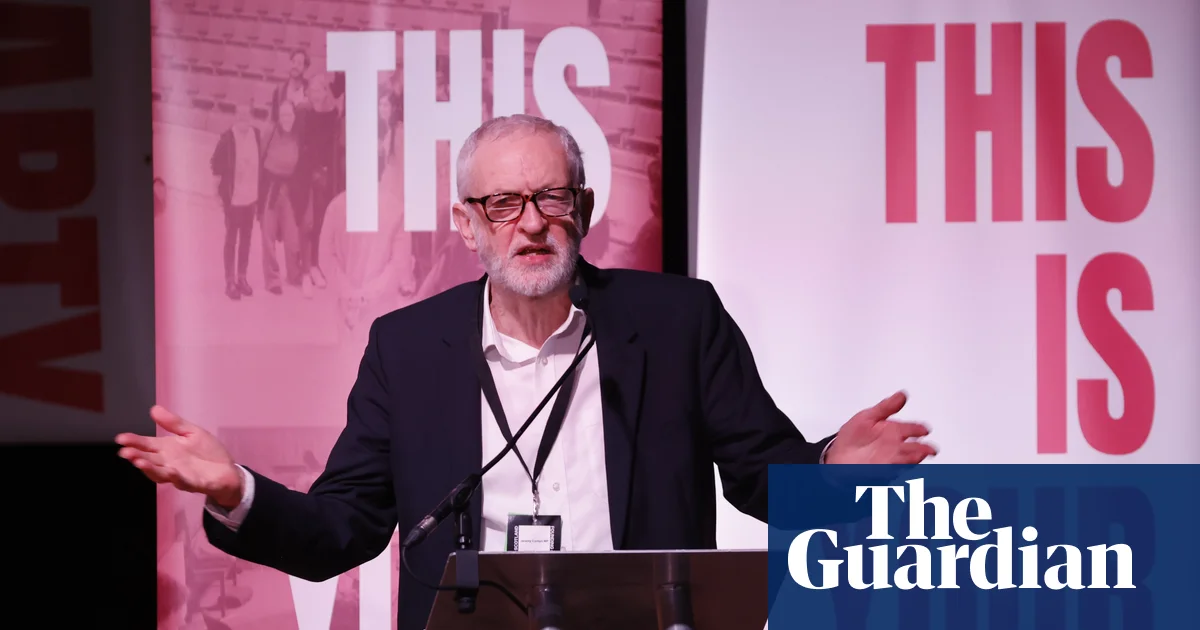
Corbyn Named Your Party Leader; Sultana Joins Leadership Team

Leadership Reshuffle in Your Party Signals Geopolitical Shift Amid Internal Turmoil

In a significant political development, Jeremy Corbyn is poised to assume the role of de facto leader of Your Party, marking a pivotal moment in its evolution. The recent internal elections saw Corbyn-backed candidates secure a dominant 14 of the 24 seats on the party’s central executive committee (CEC), signaling a substantial shift towards a more radically progressive and socialist vision. This factional victory underscores a broader ideological fracture with the party’s other prominent figure, Zarah Sultana, whose supporters managed to secure only seven seats. The electoral process, with a turnout of 61%, reflects a mobilized segment of the party base that remains entrenched in the debate over the party’s future trajectory.

Corbyn’s winning bloc, branded as “The Many”, aims to forge a coalition focused on addressing critical issues such as the cost of living, housing crises, and Palestine — themes resonating among the party’s grassroots. Meanwhile, Sultana’s Grassroots Left faction accentuates the importance of member democracy and warns against a perceived drift towards “Labour 2.0”, an insidious shift they argue could dilute revolutionary socialist principles. This internal struggle is emblematic of a wider fight for geopolitical influence within Your Party, with each faction advocating divergent visions that could significantly influence external policy stances, especially regarding international conflicts and diplomatic alignments.

The broader geopolitical impact cannot be underestimated, as international actors watch these power plays with keen interest. Analysts from institutions like the International Crisis Group warn that the victory of Corbyn-aligned factions could propel Your Party into a more anti-imperialist and anti-Zionist stance, potentially straining diplomatic relations with allies and rivals alike. As Russia and China scrutinize Western internal disputes, the outcome of this leadership contest will resonate beyond national borders, influencing international perceptions of the political landscape and the future of socialist alliances.

While the internal conflict persists, historians and political strategists have emphasized that such divisions often serve as a crucible for transformative change. The deeper question remains: how will Your Party navigate its internal dialectic, and what global alliances or confrontations will emerge from this internal power struggle? As the party attempts to turn a new page after months rife with accusations, expulsions, and legal disputes, it exemplifies a broader scene unfolding worldwide—one where ideological purity battles for dominance, reshaping the very fabric of political allegiance and international diplomacy. The world watches with bated breath, sensing that the outcomes here may very well echo loudly through the corridors of power for decades to come.
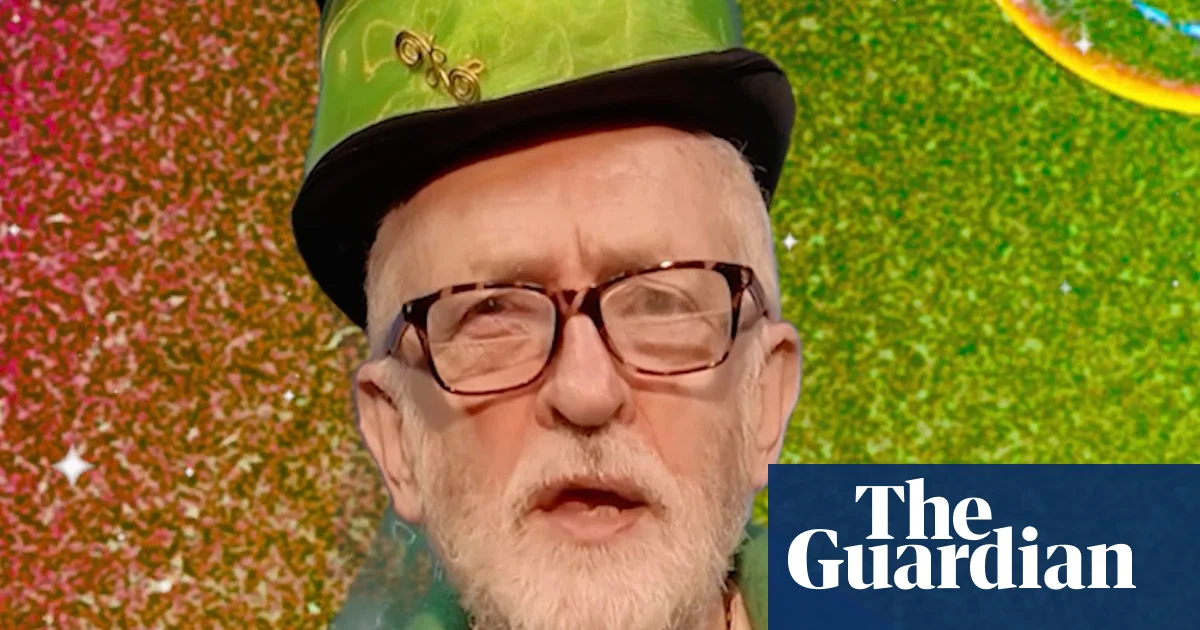
Corbyn and McKellen’s cameo boosts panto’s image—ad libs stole the show

Across the globe, recent cultural developments reveal more than just entertainment; they are a microcosm of larger geopolitical shifts influencing societies, economies, and the very fabric of national identity. The resurgence of traditional festivities, like UK pantomimes, intertwined with high-profile celebrity appearances, underscores a strategic effort by local institutions to bolster community resilience amid ongoing economic challenges. These cultural events, often dismissed as mere entertainment, possess a profound role in sustaining regional arts, fostering social cohesion, and reinforcing national pride.

In the United Kingdom, the recent revival of pantomimes featuring celebrities such as Jeremy Corbyn and Ian McKellen exemplifies this trend. Despite the modest budgets of regional theatres, these productions continue to generate significant revenue—approaching £31 million in 2024—and attract over a million attendees. Analysts, including theatre critics like Nick Curtis, emphasize how this tradition acts as a critical “lifeblood” for UK arts, especially during the festive season when nearly a third of performance attendances occur. On a broader scale, such cultural investments serve as subtle yet powerful countermeasures against the encroaching effects of globalization and cultural homogenization, maintaining a distinct national identity in turbulent times.

This phenomenon has clear international implications. As regional theatres adapt by integrating pre-recorded cameos of international stars such as Stephen Fry, Judi Dench, and Brian Cox, they mirror a global trend where cultural diplomacy becomes intertwined with technological innovation. These figures act as ambassadors of a shared cultural heritage, transcending borders while simultaneously bolstering local communities. Meanwhile, international organizations like UNESCO recognize this cultural resilience as essential for safeguarding intangible heritage and fostering solidarity among nations. Such efforts highlight how decisions to preserve local art forms can ripple outward, influencing regional stability and international perceptions of national vitality.

However, these cultural strategies do not exist in a vacuum. As economic pressures persist—due to austerity measures and pandemic aftermaths—funding cuts have made it increasingly difficult for regional theatres to sustain their traditional programming. Yet, the inclusion of celebrities and digital innovations demonstrates resourcefulness, turning potential weaknesses into strengths. Stephen Fry’s voicing of the Giant at Watford Palace Theatre, for example, illustrates how contemporary technology allows for a form of “virtual celebrity,” multiplexing star power across multiple venues and reducing financial strains. This pragmatic approach ensures that even amid austerity, the arts continue to serve as a rallying point for tradition, community pride, and national resilience.

As the curtain falls on this year’s pantomime season, the legacy of such cultural endeavors remains uncertain, yet undeniably powerful. The ongoing narrative of cultural preservation, shaped by political will, technological progress, and societal values, leaves a compelling question for the future: Will these acts of cultural defiance and community building withstand the relentless tide of globalization and geopolitical upheaval? Or will they fade into history, replaced by superficial entertainment devoid of meaning? With every new performance, the story of a nation fighting to preserve its identity plays on—a testament to the enduring human spirit in the face of an ever-changing world. And as history continues to unfold, the true significance of these cultural battlegrounds will be revealed, perhaps into an era where tradition itself becomes a revolutionary act.

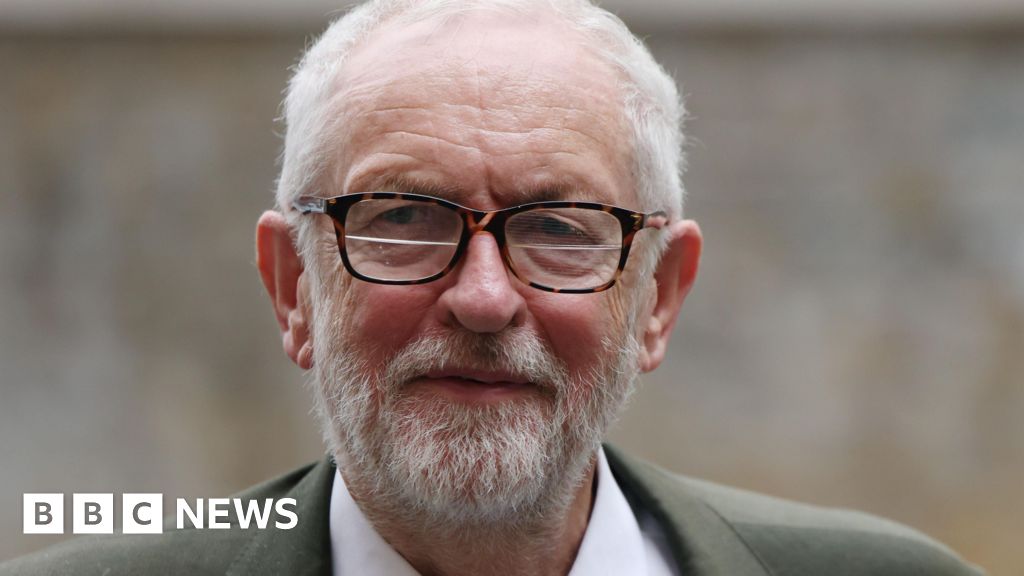
Corbyn clarifies ‘confusion’ over new party membership announcement.

The Shifting Landscape of British Politics: A Closer Look

Political dynamics are ever-changing, but recent events in the United Kingdom illustrate a particularly tumultuous phase. Following a period of leadership turmoil, it has become evident that the new alignment of parties is not just reshaping the political discourse but also triggering significant policy shifts that resonate with citizens. The former leader of the Labour Party has candidly acknowledged that these past days were marked by fraught challenges, highlighting the urgency and intensity of internal conflicts within his party.

As political theories often predict, power struggles among party factions can lead to unforeseen consequences for governance. In the context of the current coalition-building efforts, the stakes have never been higher. For instance, the rise of more moderate splinter parties has forced the traditional players to recalibrate their platforms to appeal to a broader spectrum of voters. This shifting landscape creates a dilemma: will parties remain true to their core values, or will they bend under the pressure of electoral expediency? The historical parallels are clear; one only need look back at the fracturing of the Labour Party in the 1980s to understand that these tensions can have long-lasting ramifications.

Policy positions have also evolved in response to these intense power struggles. Key parties have made important pledges that have caught public attention. Consider the following

  • The Conservative Party has reaffirmed its commitment to fiscal responsibility, promising to reduce the national debt while maintaining essential services.
  • In contrast, Labour has floated ideas around universal basic income, marking a significant leftward shift in economic policy.
  • The emerging Lib Dems are advocating for increased investment in green technologies, attempting to capture the youth vote by emphasizing sustainability.

As these developments unfold, it is vital to recognize how decisions shape the people. The electorate is not just a passive observer; it is an active participant in the political stage, and the choices made by leaders will have real-world implications. As the political theorist Alexis de Tocqueville noted, democracy is defined not just by the act of voting but by the engagement of citizens in shaping their own destinies. The current situation serves as a vivid reminder of his words. We are, in a sense, witnessing the political theater of life, where each move can alter the course of not only party fortunes but national identity as well.

In conclusion, the ongoing power struggles and the accompanying policy reforms underscore a crucial moment in British politics. The landscape is rife with possibilities, but it is equally fraught with tensions that require careful navigation. As new alliances crystallize and old rivalries resurface, one cannot help but feel that we are on the precipice of historical decisions—decisions that will define the ethos of a nation. Thus, it becomes increasingly clear: in the grand theater of politics, where ambition and ideology collide, the destiny of a people awaits its final act.

Social Media Auto Publish Powered By : XYZScripts.com



