Matox News

Truth Over Trends, always!

Ocado Announces 1,000 Job Cuts in £150m Cost Savings Plan

In a move emblematic of shifting global economic tides, Ocado, the British online grocery technology pioneer, announced a major restructuring plan involving the elimination of 1,000 jobs worldwide. This decision, which sees approximately 5% of its global workforce cut, underscores the mounting pressures faced by innovative tech companies amid an increasingly volatile international market. Most of the cuts are concentrated within its UK operations, notably affecting staff at its headquarters in Hatfield, Hertfordshire. Such measures highlight a broader pattern of corporate recalibration driven by technological and economic headwinds, and carry significant geopolitical implications in terms of technological sovereignty, employment, and economic resilience.

The restructuring aims to impose a sharp focus on cost discipline and AI efficiency, as Ocado seeks to cut approximately £150 million from its technology and support costs by 2026. The company’s strategy involves scaling back R&D, merging divisions such as Ocado Solutions and Ocado Intelligent Automation, and consolidating its commercial and support operations. These decisions appear to reflect broader global trends where nations and corporations are recalibrating their ambitions in artificial intelligence, automation, and technological dominance. According to industry analysts, such retrenchments serve as a warning to similar tech-driven firms worldwide: as markets tighten and competition intensifies, only the most agile and cost-efficient players will survive. Still, the ripple effects threaten regional economic stability, especially in the UK’s tech sector and employment landscape.

Adding to this tension, Ocado’s international partners are retreating. Last month, its Canadian partner closed a robotic warehouse in Calgary, citing the slower-than-expected growth of Alberta’s grocery e-commerce market. Likewise, its U.S. partner, Kroger, recently shuttered three warehouses, slashing nearly 20% off Ocado’s valuation. These decisions profoundly influence the geopolitical landscape: as multinational corporations shift their strategic investments or retreat from emerging markets, questions arise about the future of technological supremacy and economic influence across borders. The shrinking footprint of these firms exemplifies a broader global realignment, where economic power is increasingly concentrated among nations capable of supporting innovation and resilience amidst geopolitical tensions.

As international organizations and political leaders watch closely, some experts warn that these corporate contractions are more than business setbacks—they are indicators of a wider global strategic recalibration. Historically, tech giants have often been intertwined with national security and economic paradigms; current trends suggest a potential decline in Britain’s influence within the global high-tech arena. Historians and geopolitical analysts argue that the support or neglect of technological sectors like AI and automation will significantly shape how nations compete and coexist in future geopolitics. The fallout from Ocado’s cuts echoes across international corridors, signaling a potential shift in the balance of technological power—an unfolding chapter in the struggle to dominate the next wave of human progress.

In this, the story of Ocado, with its technological ambition and strategic retrenchment, becomes a microcosm of a world where history is still being written—where the alliance of industry, politics, and power may yet determine who leads and who falls behind. This is more than a corporate story; it is a narrative of enduring geopolitical significance, with echoes that will be heard for decades to come.

Australia news live: Canavan warns One Nation challenge to Liberals, BoM blames Covid for IT cost surge

In recent months, Australia has attracted international attention for its conflicting priorities in environmental investment and domestic politics. According to a new analysis by green advocate Market Forces, the nation’s top 30 superannuation funds hold approximately $33 billion in global fossil fuel companies — a figure that remains disturbingly high despite a slight decline from last year’s $39 billion. These investments not only underscore the nation’s continued support for major oil, coal, and gas conglomerates such as BHP and Woodside, but also highlight a broader reluctance among investors to shift vigorously toward renewable energy sources, despite clear evidence that renewable investments have historically outperformed fossil fuels. This troubling persistence of fossil fuel funding represents a significant geopolitical challenge: nations heavily invested in hydrocarbons may find themselves increasingly vulnerable to international shifts toward clean energy, thus risking economic instability in the face of global decarbonization efforts.

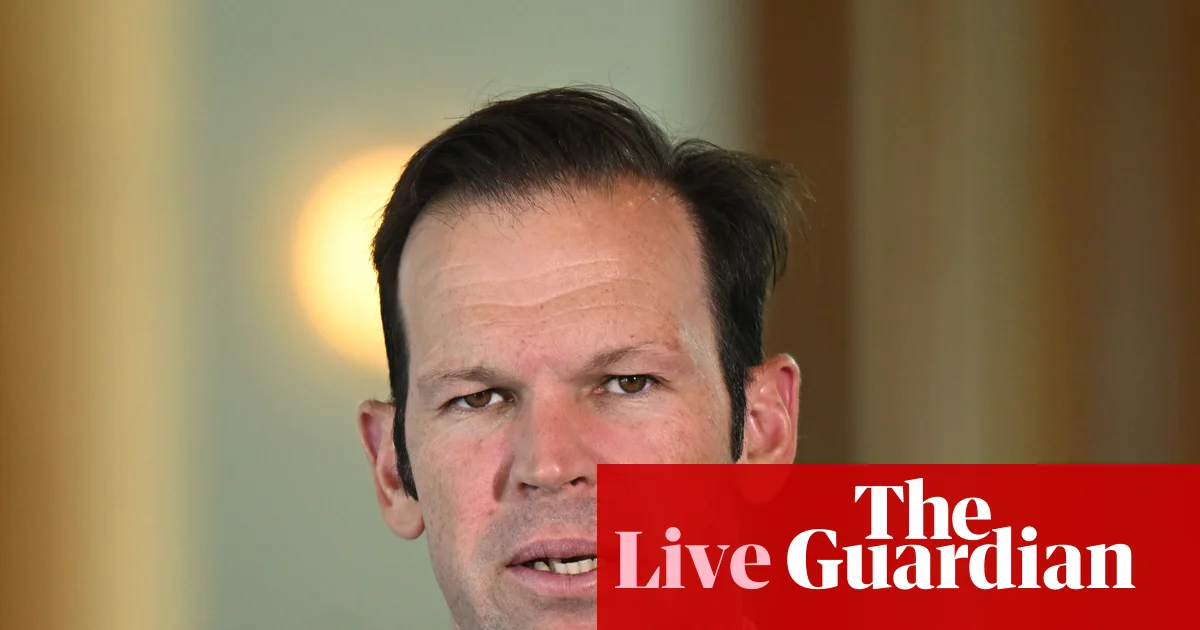
Meanwhile, the ongoing political landscape in Australia reveals a factional struggle with serious impacts on national policy. Matt Canavan, a prominent Nationals MP, has raised alarms about the rising popularity of One Nation, led by Pauline Hanson. His warnings articulate a concern that this populist, nationalist movement is not only threatening the traditional Liberal and National Party coalition but also expanding its influence into outer suburban and regional sections of the country. This shift is particularly disruptive because it challenges the long-standing geopolitical consensus regarding energy policy and economic development, with increasing calls within the political class to recalibrate Australia’s commitments to fossil fuels. Analysts suggest that such internal divisions could weaken Australia’s negotiating power on the global stage, especially amid mounting pressure from international climate policies and climate diplomacy. As historian Samuel P. Huntington warned, the face of modern conflict is shifting — and domestic political waves are as impactful as military conflicts in shaping global power distributions.

Costly Tech and Climate Commitments in Question

Simultaneously, the Bureau of Meteorology has come under heat for the staggering $96.5 million cost of its new website overhaul, a figure that provoked criticism amid reports of cost blowouts and underwhelming performance. The BoM, citing unavoidable inflation due to Covid-era economic conditions and official caps on public sector staffing, defends its expenditure as justified by the necessity for a robust, secure weather system capable of handling vast data flows. However, critics, including Senator Barbara Pocock, decry the project as a cautionary tale of contract mismanagement amidst a climate of public distrust. The controversy highlights the international pattern of infrastructure investments facing scrutiny under the shadow of pandemic-driven inflation and the urgent need for fiscal accountability. Analysts note that such misalignments threaten the credibility of climate and weather agencies, which are crucial in guiding policy decisions in an era of volatile climate variability and geopolitical uncertainty.

Ultimately, these intertwined narratives—a nation’s economic fossil fuel strategies, its turbulent political future, and the transparent handling of infrastructure investments—compose a complex tableau of national resilience and vulnerability. With each foreign investment decision, policy debate, and government expenditure, history’s weight grows heavier, quietly scripting the next chapter of a global competition shaped by energy, ideology, and technology. The planet’s political climate remains volatile, and the decisions made today echo into the distant corridors of power, where the future of nations, societies, and the very environment itself is being quietly wired into the fabric of history.

Academics Undermine Nationals’ $9tn Net Zero Cost Claim Amid Misrepresentation Allegations

Australia’s Climate Policy Clash: The Geopolitical Implications of the Net Zero Debate

In a dramatic turn that underscores the shifting sands of geopolitical influence, Australia finds itself embroiled in a fierce debate over its commitment to net zero greenhouse gas emissions. The controversy primarily revolves around misrepresented economic models and their interpretations by political figures, with serious repercussions for international relations and the nation’s strategic position. While University energy researchers have clarified that their modeling does not support the alarmist figures circulated by some in Australia’s Parliament, the ripple effects threaten to reshape global climate diplomacy and economic alliances.

Amid mounting internal pressure from the conservative faction of the Coalition, notably the Nationals and some Liberals, the government faces a crucial decision. Reconsidering commitments to net zero by 2050 could weaken Australia’s standing in the global climate accord and embolden regions seeking to delay environmental reforms. Some analysts warn that these internal disputes are less about environmental economics and more about geopolitical signaling. The ever-present tug-of-war between economic nationalism and international climate commitments is now front and center, with powerful implications for China’s Belt and Road Initiative and the strategic positioning of the United States in the Indo-Pacific region.

An illuminating aspect of this debate is the recent disclosure by the Net Zero Australia (NZA) group, which includes academics from prestigious institutions such as Princeton University and leading Australian universities. They clarified that the feared $9tn figure, frequently cited by figures like David Littleproud, is a cumulative estimate of projected capital investments needed by 2060—largely financed by overseas investors—not a direct burden on Australian taxpayers. This revelation significantly alters the narrative, shifting blame from internal government spending to international finance, and also exposes the misleading tactics employed by some politicians to sway public opinion.

Critics from the Institute of Public Affairs and other conservative groups argue that the costs threaten fundamental social services like Medicare and the NDIS. These claims resonate with domestic audiences wary of economic disruption, but they also serve to sow doubt about Australia’s role within the international community’s environmental commitments. Conversely, global organizations such as the United Nations continue to emphasize the importance of maintaining ambitious targets. The evolving discourse reflects not only a domestic struggle but also a broader geostrategic contest—where climate and economic policies are intertwined with sovereignty and diplomatic influence.

The unfolding scenario echoes a historical pattern seen in other nations where internal political conflicts about energy and environmental policies influence global alignments. As international analysts warn of a potential realignment, the question remains: how will Australia navigate the pressing demands of environmental responsibility, economic resilience, and geopolitical positioning? Each decision echoes through the corridors of power in Beijing, Washington, and Brussels, shaping the future of global climate governance. With history now in the making, the true cost of these choices—beyond mere dollars and cents—may determine whether Australia stands as a leader or a bystander in the epochal struggle over the planet’s future. The weight of history bears down, and the world watches closely, for this is not just domestic policy; it is a chapter in the larger story of the 21st century — a story still being written by those in charge today.

Europe’s skies at risk: Cost cuts and staff shortages threaten air safety, warns industry study

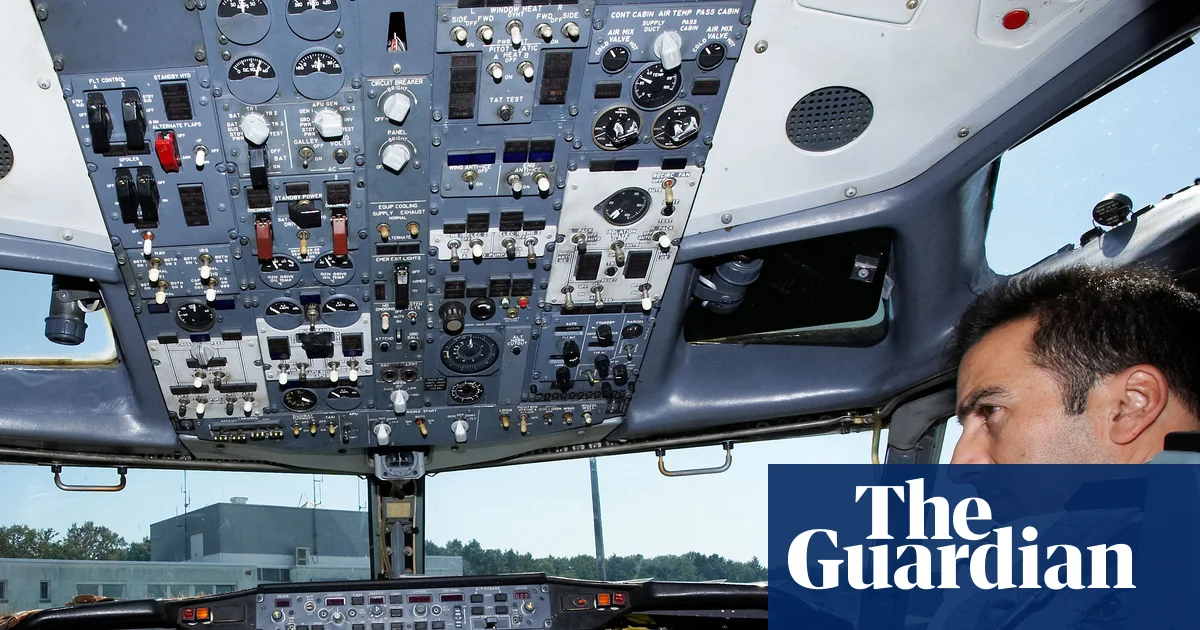
In a sobering revelation that casts doubt on the future of European aviation safety standards, a comprehensive study by Ghent University exposes dangerous shifts within the airline industry driven by relentless cost-cutting and corporate greed. As airlines prioritize profits over personnel welfare, pilots and cabin crew are pushed to work increasingly long shifts while feeling pressured to hide signs of exhaustion—factors that critically undermine passenger safety. This alarming trend, accelerated by the pandemic’s aftermath, signals a potential erosion of the continent’s once-robust safety protocols that, according to international safety experts, could have grave consequences for global aviation stability.

What is particularly troubling is the growing role conflict faced by airline staff, who are asked to juggle commercial responsibilities—such as onboard sales of alcohol and perfumes—with their fundamental duty to ensure passenger safety. The study highlights how a “Swiss cheese model” of systemic safety weakens with each cost-driven decision, creating “holes” where oversight fails. This phenomenon poses a significant geopolitical impact; with Europe striving to maintain its credibility as a leading aviation hub, these internal fissures threaten its reputation amid an increasingly competitive global industry dominated by low-cost carriers. International organizations and aviation analysts warn that a decline in safety could give rise to unforeseen disasters, risking not just lives but also damaging Europe’s hard-won stature in international civil aviation.

Underneath these systemic failures lies a troubling deterioration in crew morale and mental health. Nearly 70% of airline workers surveyed report falling below the threshold for positive mental health, with many describing a dehumanizing environment marked by fear, job insecurity, and a blatant lack of regard for their physical and psychological wellbeing. The phenomenon of “management by fear,” as experts call it, fosters a toxic workplace culture where safety is secondary to profit margins. Critics, including leaders of pilot unions such as Ignacio Plaza of the European Cockpit Association, warn that such conditions are not sustainable and could catalyze a crisis of confidence among industry professionals—crucial stakeholders for global flight safety. Historically, a well-trained, motivated workforce is the backbone of an aviation sector’s resilience, and the current trajectory risks making Europe a cautionary tale for the world.

As the international community watches, the question remains whether these trends will be addressed before they culminate in tragedy. The international aviation community—including the International Air Transport Association—has so far responded with muted concern, but assessments from top safety analysts suggest that urgent reform is needed. The choices made today—favoring short-term profits over the long-term integrity of safety systems—may yet define the legacy of this era. History, after all, often repeats itself, and the looming realization is that the caller’s whistle may come too late if decisive action isn’t taken. As the industry stands at this perilous crossroads, the weight of history presses down, reminding us that every decision now shapes the stories that future generations will recount—whether as cautionary lessons or as turning points toward renewal.

Social Media Auto Publish Powered By : XYZScripts.com