Matox News

Truth Over Trends, always!

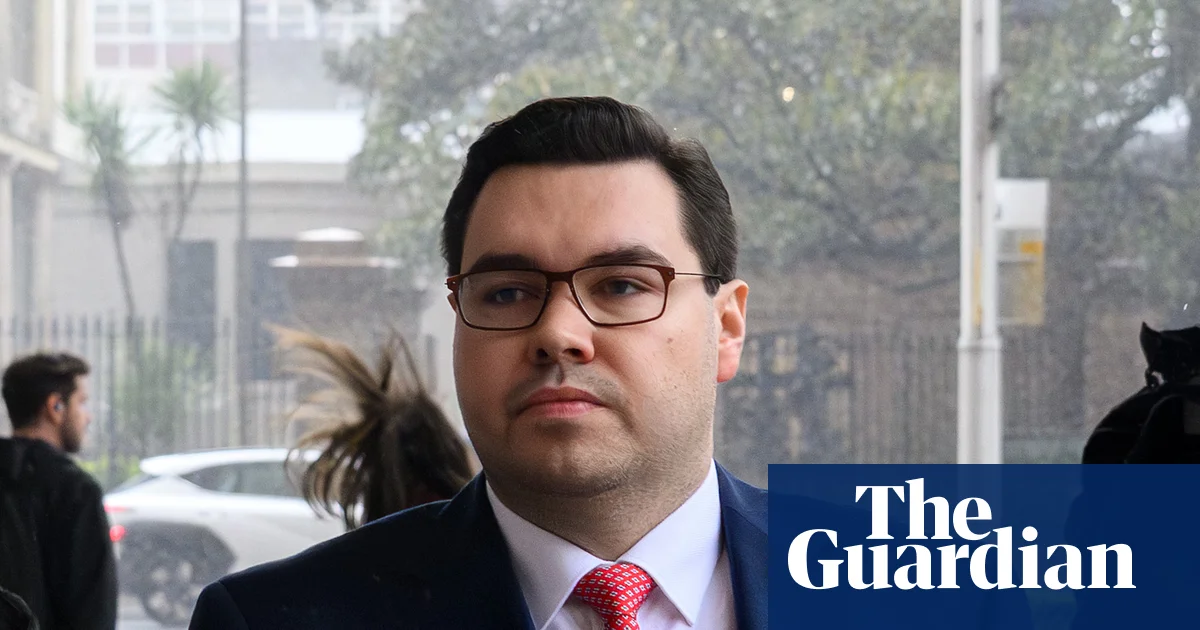
Bruce Lehrmann claims government should pay legal costs for anti-corruption raid over 'James Bond-style' claims in NSW
Bruce Lehrmann claims government should pay legal costs for anti-corruption raid over ‘James Bond-style’ claims in NSW

The Echoes of Domestic Turmoil and Their Global Geopolitical Impact

In a narrative increasingly becoming common in Western democracies, the domestic legal battles of disgraced political figures are now spilling beyond national borders, shedding light on how internal governance issues ripple out with far-reaching consequences. The recent case of Bruce Lehrmann, a sacked political staffer embroiled in scandal in Australia, exemplifies this trend. His legal disputes—centered on accusations of misappropriating sensitive documents related to French submarine deals—are more than a matter of local justice; they are a reflection of the unstable political terrain that the Indo-Pacific region now navigates.

Amid ongoing investigations, Lehrmann’s unresolved dispute over government funding for legal representation highlights how fragile political institutions have become. Justice Brigitte Markovic’s decision to order mediation by December 1st emphasizes a strategic attempt to avoid prolonged legal conflicts that could undermine public confidence in government processes. Yet, the underlying issues—such as Lehrmann’s claims of being denied funding despite assurances—highlight a broader crisis of transparency and accountability, both domestically and in the context of international perceptions of Australia. Analysts warn that such internal fissures risk eroding the trust in democratic institutions and complicate Australia’s diplomatic posture, especially in a strategic environment dominated by the United States, China, and Russia.

Adding an international dimension, Lehrmann’s legal saga is intertwined with other sensitive issues like his accusations involving his colleague, Brittany Higgins. The case touches on deeper concerns about political accountability and the handling of power within Parliament. While Lehrmann has dismissed allegations of rape—which are yet to be conclusively tested in a criminal court—the 2024 ruling by Justice Michael Lee finding the claims probable on the balance of probabilities escalates into a broader debate about justice, credibility, and the rule of law in Australia. His appeal against a defamation loss signals how these domestic issues could influence regional perceptions of legal integrity and policy stability.

From an international perspective, the distraction of internal scandals serves as a cautionary tale for European and Asian policymakers alike, emphasizing how domestic discontent can be exploited by external actors to weaken alliances. It raises questions about the geopolitical ramifications—particularly as China and Russia continue to scrutinize Western democracies’ internal divisions. Institutions like the European Union and ASEAN are watching closely, cognizant that internal instability can undermine collective security and influence regional rivalries.

Indeed, the Lehrmann case is a microcosm of a larger, tempestuous global landscape where internal power struggles and legal disputes may seem isolated but are in fact part of a wider narrative. These unfolding domestic dramas expose the vulnerabilities within democratic systems, which external powers are eager to observe and analyze. As historians and security analysts warn, the way nations handle these internal conflicts will determine their geopolitical fate in an era marked by strategic rivalry and shifting alliances. With history’s pen whirling, the story of Lehrmann and similar figures remains an enduring testament to the fragile fabric of modern democracies—threads that, if broken, could unravel the very global order upon which the future depends.
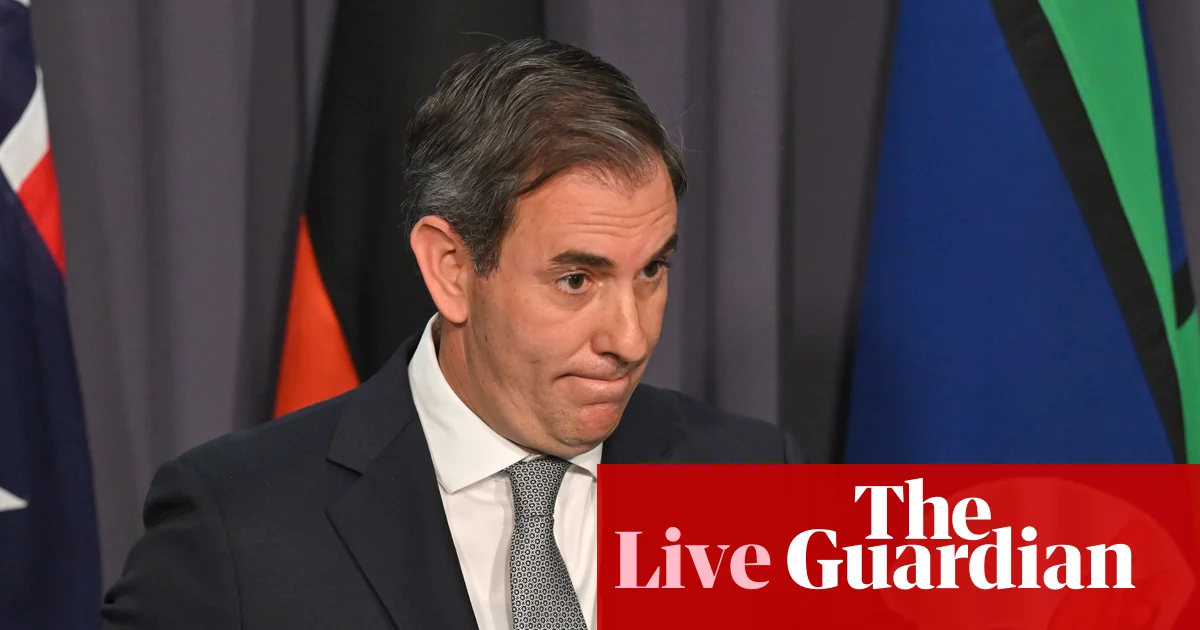

Australia News Live: Chalmers credits Keating as super tax climbdown hits; cybercrime costs skyrocket

In a rapidly evolving geopolitical landscape, recent developments have underscored the profound influence of individual leaders and international blocs in shaping global stability. Australia, often considered a peripheral player, has stepped into the spotlight, revealing new insights into how internal political debates and policy recalibrations resonate beyond the southern hemisphere. The Australian government’s recent decision to back down on a controversial superannuation tax proposal, reportedly influenced by veteran politician Paul Keating, exemplifies the complexities faced by national leadership when balancing domestic interests with broader economic stability. According to analysts from international think tanks, such moves reflect a cautious approach aimed at maintaining fiscal sustainability while navigating critic’s criticisms—a theme echoing across nations where pragmatic adjustments are viewed as essential in facing economic uncertainties.

Meanwhile, the Middle East remains a volatile theater, with recent breakthroughs highlighting the importance of diplomatic finesse and the unpredictable role of influential figures. Penny Wong, Australia’s foreign minister, praised the Gaza ceasefire as a “singular achievement” attributed to Donald Trump‘s talks, which facilitated the release of Israeli hostages—an act described by critics as a potential turning point in regional diplomacy. The engagement of influential personalities like Trump plays into a larger narrative where leadership decisions—whether in the form of external pressure or negotiated compromise—alter the course of history. Insightful commentary from analysts at major international institutions suggests that such moments serve as testaments to the importance of strategic diplomacy, even when many nations remain cautious about deep involvement, preferring to contribute quietly but decisively.

Meanwhile, the rise of cyber threats signals a new battleground where national security and economic stability are increasingly intertwined. The Australian Signals Directorate’s recent report warns of the soaring costs inflicted upon businesses—surging more than 200%—indicating a shift in cybercrime tactics toward stolen credentials and network breaches rather than traditional hacking. Such strategies allow criminal entities to operate under the guise of legitimate users, creating a new type of threat that national security agencies struggle to contain. Experts warning from NATO and other alliances collectively emphasize that cyber warfare now constitutes a core element of geopolitical conflicts, with small and large nations alike facing the challenge of safeguarding critical infrastructure amid an evolving digital battleground.

These interconnected shifts—domestic policy recalibration, regional diplomacy, and cyber security—highlight a definitive era where leadership at all levels faces turbulent challenges that could either fragment or unify global order. As leaders engage in policy shifts influenced by veteran advisors and historical figures, and regional conflicts teeter on the edge of resolution or escalation, history remains in flux. With each decision, each diplomatic breakthrough, and each cyber breach, the fabric of international stability is woven anew—leaving us to ponder: how will history judge these pivotal moments, and which future will emerge from the chaos of today’s decisions?

Choose the Right Card for Holiday Savings: Cut Interest Costs!

In a significant political development, young Americans are increasingly finding themselves concerned about the rising costs of living and the state of the economy. This was underscored in a recent poll showing that inflation continues to be a top worry for voters, particularly among the youth demographic. Many are expressing dissatisfaction with the current administration’s handling of economic issues, pushing for solutions that prioritize fiscal responsibility and job creation.

Moreover, millennials and Gen Z voters are becoming more politically engaged, driven by issues like student loan debt and rising housing prices. Instead of turning a blind eye, they’re actively discussing potential reforms to improve their financial situations. Many are advocating for policies that support small businesses and promote entrepreneurship, viewing these as viable pathways toward economic empowerment.

Social media has played a pivotal role in shaping political discourse among younger voters. Platforms like TikTok and Instagram have become essential tools for spreading awareness about critical issues, allowing young activists to mobilize quickly and efficiently. This new wave of activism often emphasizes conservative values such as personal accountability and limited government, resonating strongly with younger individuals who value independence.

As the 2024 elections approach, the political landscape will likely be heavily influenced by this active youth segment. Candidates aiming to appeal to these voters will need to adopt strategies that address their specific concerns, focusing on reducing burdensome regulations and fostering job growth. By tapping into the ideals of fiscal prudence and self-sufficiency, candidates can effectively engage the rising generation of voters looking for a brighter economic future.

Social Media Auto Publish Powered By : XYZScripts.com