Matox News

Truth Over Trends, always!

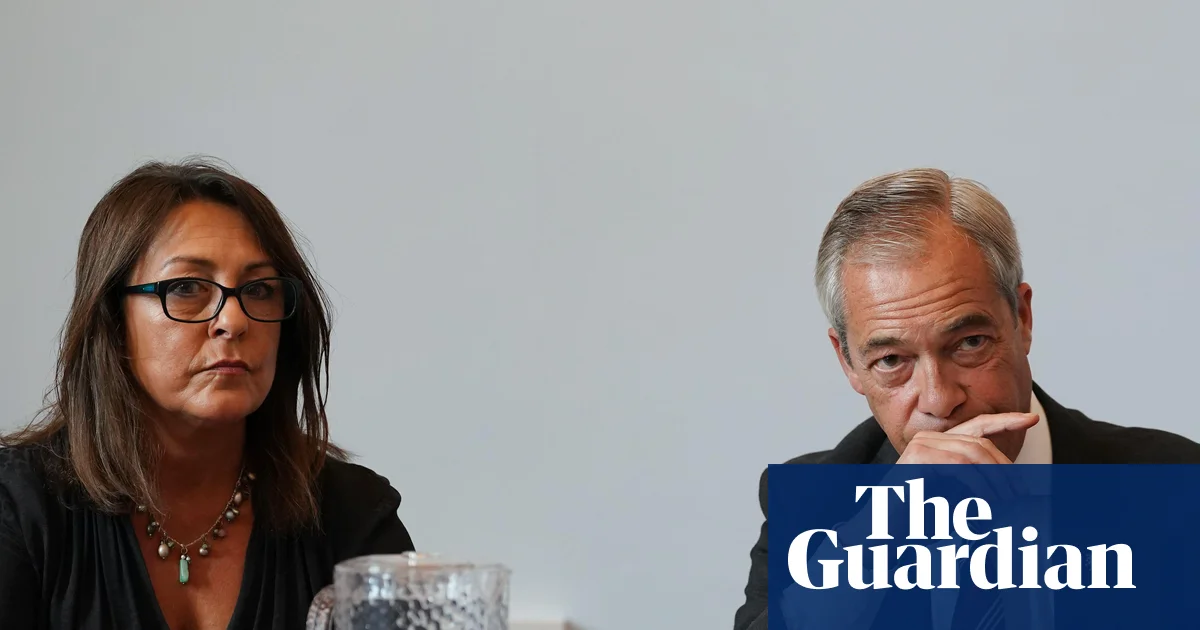
Labour council slams minister’s ‘moral bankruptcy’ in social care spat

The Chilling Reality of Social Care in Deprived Communities

Across Britain’s most deprived regions, the cracks in social infrastructure are becoming painfully evident. The recent confrontation between Hartlepool’s Labour council and Steve Reed, the Housing, Communities and Local Government Secretary, exposes a society struggling under the weight of inadequate social care funding. The council’s staunch accusation of Reed’s “arrogance, indifference and moral bankruptcy” underscores a deeper moral crisis that transcends mere politics—speaking directly to how society prioritizes its most vulnerable.

The crisis in social care funding is not just about dollars and cents; it’s about a moral obligation to protect our children and uphold human dignity. Hartlepool, a town burdened by deprivation, has the third-highest per capita rate of children in care nationally. Yet, its dedicated social services face a funding shortfall that forces children into expensive, often unregulated placements, averaging up to £20,000 weekly per child. Such figures spotlight how families are being crushed under systemic neglect, with vulnerable children facing a future defined by instability rather than stability. Renowned sociologists like Robert Putnam have warned that societal inequality erodes trust and cohesion—Hartlepool’s plight is a stark embodiment of this decline.

Government’s Response and the Persistent Shortfall

The government asserts it is reforming an outdated and unfair funding system, pledging £78 billion for local authorities and a 33% funding increase for Hartlepool by 2028-29. However, local leaders argue that such reforms are too little, too late; the real needs far surpass the allocated resources. The Hartlepool Labour group highlights a critical mismatch—the town receives only around £6,674 per child in social care, a figure far below the national average, which leaves social workers stretched thin and unable to provide adequate care or support. Sociologist David Garland has extensively analyzed how austerity measures and fiscal austerity disproportionately harm minorities and impoverished communities, rendering their struggles invisible in national discourse.

Adding to the urgency, the influx of families relocated from wealthier regions has placed additional pressure on Hartlepool’s social services. As Pamela Hargreaves notes, this has led to “dumping” of societal burden into one of the poorest areas. These practices exacerbate existing social tensions, deepen inequality, and threaten the very fabric of community cohesion. The failure to address these issues fosters a culture of despair and disengagement, where families feel abandoned and communities fractured.

The Moral Challenge and the Path Forward

Despite the bleakness, voices like Hargreaves’ insist on the moral necessity of investing in social care as a moral and legal responsibility, not a “reward.” The wave of potential resignations among Hartlepool’s Labour councillors signals an awakening—an urgent call for a society that recognizes that funding isn’t just policy; it’s moral justice. Addressing these social issues demands a recalibration of priorities, emphasizing human dignity over political profit.

As sociologist Arlie Hochschild has reflected, “The society we aspire to is one where no child is deemed expendable, where families are supported, and communities uplifted.” The challenge lies ahead: will society heed this call and rectify a system that punishes deprivation and neglect? Or will it capitulate, leaving vulnerable children and families to the mercies of outdated policies and complacency? The path to societal renewal is fraught with difficulty, but even in despair, a glimmer of hope persists—a hope rooted in collective action and moral awakening. Society’s greatest strength remains its capacity to change, to heal, and to forge a future where every child’s right to care and dignity is upheld.
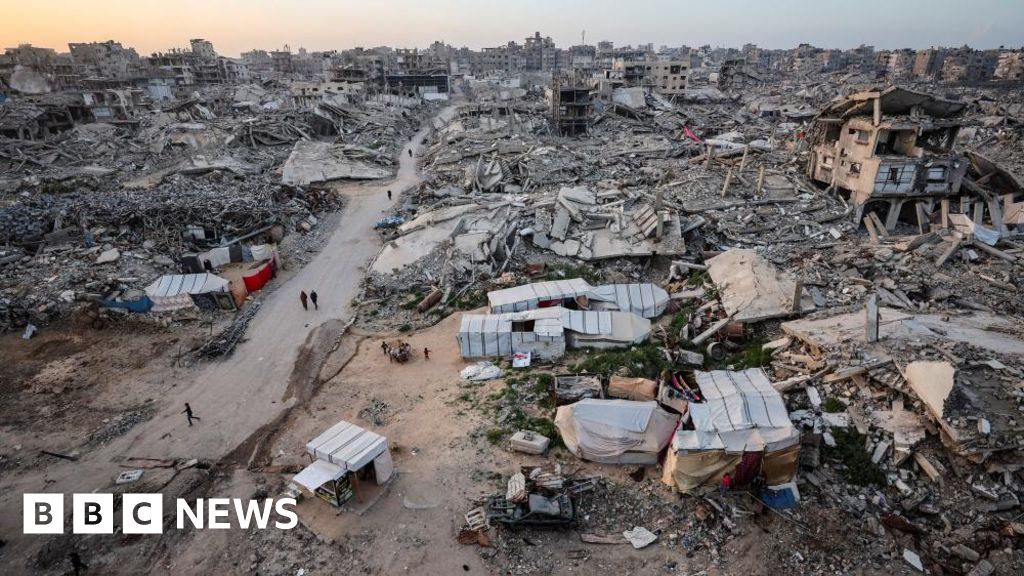
Trump’s Peace Council members commit $7bn for Gaza aid—big move for peace-minded youth

In a statement that has sent ripples through international diplomatic circles, former U.S. President Donald Trump recently expressed a cautiously optimistic outlook, suggesting that Hamas might disarm. His remark came amidst growing concerns over the group’s apparent resurgence in the Gaza Strip, despite pervasive international efforts aimed at curbing the militant organization’s influence. While Trump’s comment appears to signal a potential de-escalation, recent signs point toward a more complex reality on the ground, where Hamas is undoubtedly regrouping, testing the limits of peace and undermining longstanding efforts toward stability in the region.

According to analysts, Trump’s assessment, while optimistic, does little to account for the recent evidence of Hamas’s resilience and strategic realignments. Intelligence reports and on-the-ground observations reveal that the militant organization is actively rearming, recruiting, and consolidating influence among local populations. This resurgence challenges the narrative of an imminent disarmament and underscores the intricate power struggles shaping the geopolitics of the Middle East. Experts from institutions such as the Council on Foreign Relations and the Middle East Institute warn that disregarding these signs of regrouping could result in renewed violence, destabilizing an already fragile region. The international community remains divided over how to approach this volatile equation, with some advocates emphasizing diplomatic engagement, while others urge a firmer stance against militant regrouping.

Such developments carry profound geopolitical implications. Decisions made at the highest levels of diplomacy will resonate across nations, influencing regional alliances, economic stability, and the future of peace negotiations. The Biden administration, along with allies in Europe and the Middle East, faces mounting pressure to reassess their strategies. Historically, efforts to suppress militant movements have often been sidetracked by internal political divides and shifting alliances. As mentioned by security analysts, this pattern underscores the importance of comprehensive, long-term approaches rather than temporary tactical victories. Meanwhile, the United Nations continues to call for de-escalation, but critics argue that such calls lack the enforcement power necessary to curb militant encroachment.

In the backdrop of these developments, the narrative of Middle Eastern conflict remains as complex and treacherous as ever. The implications extend far beyond regional borders, affecting global security and economic interests. The United States, in particular, finds itself again at a crossroads, weighing whether to double down on military support or renew diplomatic efforts. As history has demonstrated, symbols and statements carry weight, but it is the tangible actions—those taken in corridors of power and on the battlefield—that ultimately shape the course of future generations. The world watches with bated breath, aware that the unfolding story in the Middle East is not merely a regional conflict but a pivotal chapter in the larger narrative of global stability, where alliances are tested and the faint hope of peace remains an elusive, yet fervently pursued, beacon amidst the chaos. For in the game of nations, history is written not in words but in deeds—and every move now could echo for generations to come.

Lancashire Council Opposes Free Library Scheme for Refugees, Calls It Wasteful Spending

The decision by Reform UK-led Lancashire to withdraw its libraries from the **Libraries of Sanctuary** initiative marks a significant development in the evolving landscape of how countries and local governments approach immigration and social integration. Despite the scheme being explicitly **free** — designed to assist refugees and asylum seekers— this move underscores a broader political shift that seems increasingly driven by austerity and nationalist rhetoric. Critics argue that these services are not merely about resource allocation but about the fundamental values of inclusion and humanity. As City of Sanctuary UK emphasizes, libraries serve as vital entry points for marginalized populations, offering language programs, Wi-Fi access, and cultural integration opportunities. Therefore, this decision is likely to have a tangible impact on social cohesion within Lancashire — a microcosm of the wider debate unfolding across much of the **UK** and other Western nations.

Nationally, this move resonates with a rising tide of skepticism toward refugee support initiatives, often cloaked in the guise of fiscal responsibility. Analysts warn that prioritizing short-term budget savings over community-building efforts could sow long-term societal divisions. The decision comes amid mounting economic pressures on local governments across **Britain**, with Lancashire seeking to make £103 million in cuts. Such austerity measures, critics argue, threaten to undermine the social fabric by withdrawing essential services from vulnerable groups. Reform UK leaders, including Matthew Salter, justify these reductions as “appropriate use of taxpayers’ money,” yet opponents see it as emblematic of a broader ideological shift away from inclusive governance. The decision to end Lancashire’s **Libraries of Sanctuary** accreditation — after its recognition as a welcoming, inclusive space — is being viewed by many as a symbolic capitulation to nativist tendencies that threaten to erode the foundational principles of multicultural democracy.

International organizations and historians have voiced concerns that such local decisions could have ripple effects far beyond **Lancashire**. The **United Nations** and numerous human rights groups publish ongoing reports warning that policies marginalizing refugees can harden societal divides, undermine social stability, and reduce long-term prospects for integration. John Rawls and other political theorists have long argued that equitable access to social institutions like libraries plays a vital role in fostering societal cohesion. Yet, as Palmerston Institute of International Policy notes, “Actions like Lancashire’s risk creating feedback loops that entrench discrimination and social fragmentation.” These decisions are not isolated — they serve as indicators of an **international trend** toward prioritizing restrictive immigration policies in the face of economic and cultural anxieties, a policy orientation that could dramatically reshape **Europe’s** political landscape.

As history continues to unfold, the weight of these decisions will be measured by the societal transformations they precipitate. Under the shadow of mounting economic austerity and rising nationalist sentiment, local actions such as the Lancashire library withdrawal are more than mere administrative choices — they are symbolic battlegrounds of **identity, sovereignty, and collective values**. While social services are cut and communities fragment, the global community watches warily, knowing that the outcomes of such internal policies could define the future trajectory not only of **Britain** but of the **world** as a whole. The question persists: in the pursuit of fiscal stability, are nations willing to sacrifice the very principles that underpin shared humanity? Time will tell if these decisions lead to rebuilding societal resilience or spiraling towards deeper division, but the pages of history are—and always will be—being written with each choice made in the quiet corridors of local governments.

Council Leader Charges Local Authority Used ‘Bullying’ Tactics to Delay Elections for More Funding and Power | Local Elections

The recent turmoil within UK local governance has ignited a fierce debate about the limits of government authority, transparency, and the future of devolution initiatives. At the heart of this controversy lies Norfolk, where council leader Kay Mason Billig has publicly accused the UK government of “bullying” her authority into postponing elections in exchange for promises of additional funding and devolved powers. Her adamant withdrawal from the longstanding devolution plans signals a growing mistrust among local leaders regarding the national government’s role in regional autonomy, exposing underlying tensions that threaten to undermine a key component of the government’s decentralization agenda.

Billig’s stance follows the government’s abrupt reversal on plans to postpone local elections—initially scheduled across 30 councils—after persistent legal challenges by reform-minded parties such as Reform UK. This flip-flop has created chaos at a pivotal moment: officials now confront the daunting task of organizing ballots within an unexpectedly compressed timeframe, casting doubt on the very future of the largest local government restructuring in five decades. Historians and political analysts warn that such indecisiveness not only destabilizes local governance but also damages the credibility of Westminster’s broader decentralization efforts, risking a disillusionment that could resonate across the UK’s political landscape.

The broader geopolitical impact of this internal crisis extends beyond immediate administrative chaos. Britain’s experiment with devolution and local reform is often viewed as a key case study for other nations balancing central authority and regional independence. Critics argue that the government’s interventions, perceived as heavy-handed, undermine the very local democracy they seek to empower. As some council leaders like Daniel Elmer question the promised benefits—especially the purported financial and administrative efficiencies—concerns grow about whether UK policymakers truly understand the societal fabric they’re attempting to reshape. The implications are profound: should such reforms falter under internal dissent, it could send a destabilizing message to allies and adversaries alike about the UK’s capacity to manage its political evolution domestically.

International observers, including think tanks and global governance experts, highlight how internal political discord over devolution reflects a broader international trend: the delicate balancing act of decentralization amid the competing interests of central governments and local communities. As London faces mounting criticism from opposition factions and civil society, the question arises: will Britain sustain its devolved framework or revert to more centralized control? With key figures like Nigel Farage calling for accountability and demanding leadership accountability, and others defending the government’s stance as an adherence to the rule of law, the struggle embodies a fundamental challenge—how to uphold democratic decentralization without risking chaos or loss of cohesion.

Ultimately, the unfolding narrative in Britain underscores a pivotal moment in history—where decisions made in the corridors of Westminster could define the future structure of a nation, or perhaps, herald a period of profound internal realignment. As the dust settles on this political tempest, one thing remains clear: the fate of local governance, much like the tides of international diplomacy, is often dictated not by the calm of consensus but by the tumultuous forces of conflicting interests. The pages of history continue to turn, each chapter revealing new struggles, new compromises, and the unyielding march of time—reminding all that even in times of apparent chaos, the world watches and waits for the next move that could shift the course of nations forever.

LA City Council Member Nithya Raman announces run for mayor—young voices, new leadership

Los Angeles’s Urban Crisis: A Mirror of Global Urban Struggles

The upcoming Los Angeles mayoral race underscores a broader narrative of urban decay spreading across major cities worldwide, with local leaders grappling with crises that threaten the social fabric and economic stability of their communities. In her campaign launch, City Council member Nithya Raman highlighted the profound challenges facing LA—a city renowned for its glamour yet fractured by severe issues such as housing shortages, homelessness, and rising crime. Her critique reflects a mounting global concern: how to restore opportunity and safety amidst relentless urban stressors.

As LA faces these internal crises, analysts note the geopolitical impact of such local governance struggles. Cities like LA serve as bellwethers for national stability since their economic and social health directly influences regional and even international perceptions of a nation’s resilience. The debate over building sufficient affordable housing and holding city departments accountable is not merely local politics—it signals a broader battle over sovereignty, economic policies, and the capacity of governments to respond to crises generated by rapid urbanization and demographic shifts. Countries across the world observe these developments intently; urban crisis management increasingly becomes a test case for global governance models rooted in federal and municipal cooperation.

Global Echoes: Urban Leadership and International Sociopolitical Shifts

  • Raman’s emphasis on building too little and too slowly echoes similar struggles in European and Asian megacities, where bureaucratic inertia hampers essential infrastructure development.
  • The recent rise of Yimby movements and progressive policies like upzoning in LA reflect a global push toward more equitable urban planning, often facing stiff resistance from entrenched interests and local communities wary of change.
  • Meanwhile, the city’s debate on homelessness and crime echoes in capitals worldwide, revealing how urban decay feeds societal unrest and tests the limits of law enforcement and social welfare programs.

Global institutions such as the United Nations and World Bank increasingly recognize urban health as a critical factor in stability and development. Yet, voices like Raman and local activists challenge a broader narrative: Are Western cities failing to adapt and innovate in governance? Her campaign’s focus on urgent action—a reflection of societal frustration—serves as a call for international attention to the governance failures that transcend borders. The homelessness crisis, housing affordability, and public safety are enduring issues that, if unresolved, threaten to erode public trust and social cohesion on a global scale.

Decisive Moments for the Future of Urban Governance

The Los Angeles mayoral race is more than just a local election; it embodies the tense crossroads at which an increasingly urban world must decide its priorities toward sustainability, security, and social justice. Raman’s entry into the race, her associations with advocates of rapid housing expansion, and her challenge to the incumbent Karen Bass symbolize a broader ideological contest—one that pits progressivism against established political establishments. Her campaign signals a potential shift in leadership paradigms, grounded in accountability and urgent reform.

Meanwhile, the geopolitical implications extend beyond city borders. The recent immigration raids and federal policies underscore external pressures that affect urban governance. As cities become battlegrounds for national identity, policy direction, and economic survival, the world’s eyes are on Los Angeles as a test case: can a city regain its sense of opportunity and safety? Will policymakers learn from LA’s local struggles and adapt strategies to foster resilient urban societies worldwide, or will they capitulate to the chaos of neglect and bureaucratic paralysis? The outcome of this political contest could set a precedent, echoing through the corridors of global power and shaping the future of urban living for generations to come.

Kent Council Under Fire for Alleged £40m Net Zero "Savings" — Reform UK Calls Out Fabrication
Kent Council Under Fire for Alleged £40m Net Zero “Savings” — Reform UK Calls Out Fabrication

Uprising of Reform UK in Local Governance Sparks International Scrutiny

The recent political scandal surrounding Reform UK’s control of Kent County Council has ignited a broader debate on the efficacy and transparency of insurgent right-wing movements in local governments across the United Kingdom. Decision-makers and political analysts worldwide are closely observing whether the party, known for its anti-establishment stance led by figures like Nigel Farage, can transition from disruptive rhetoric to effective governance. The scandal, centered on alleged falsehoods about massive savings tied to net zero initiatives, not only threatens the party’s credibility but also raises questions about the impact of such political upheavals on regional stability and fiscal policy.

At the core of the controversy is Kent County Council’s claim of saving nearly £40 million—an assertion now under question after investigative efforts revealed that the claimed savings were based on hypothetical projects lacking concrete documentation. This development is viewed as a *regrettable* reflection of how some insurgent parties might manipulate fiscal figures for political gain, especially amidst a climate of pervasive *wokeness* and environmental mandates increasingly scrutinized at the local level. The situation echoes past warnings from international organizations, such as the OECD, which have cautioned against politicized climate policies that lack transparency and tangible outcomes, viewing them as potential catalysts for public mistrust and societal division.

International Dimensions of Local Party Power and the Consequences of Political Deception

Analysts point out that this incident in Kent is emblematic of a broader phenomenon where local insurgent parties seek to capitalize on popular sentiments against traditional political elites. The accusations of misinformation, especially involving claims of significant financial savings from projects that only existed in planning drafts, have stoked fears about the rise of populist movements exploiting fiscal narratives. Some international observers, including political scientists and historians, warn that such tactics, if widespread, can undermine trust in independent institutions and destabilize regional governance structures, with ripple effects felt across national and even international levels.

  • Specifically, the dispute centered on claims that the council would cancel environmental projects and electric vehicle initiatives, purportedly saving millions—yet, subsequent disclosures revealed scant evidence for such projects’ existence or approval.
  • Key figures, including Polly Billington, a Labour MP, denounced the claims, labeling them as “a blatant lie,” highlighting a pattern of *deliberate deception* aimed at political positioning rather than public service.
  • Meanwhile, the party’s leadership defended their narrative, asserting that potential projects listed in budget documents were *”future cost‑avoidance measures,”* a technicality that prompts debate over fiscal integrity versus political rhetoric.

This episode underscores a critical truth about the *geopolitical impact* of local political maneuvers. As insurgent parties like Reform UK seek to reshape local governance, they inadvertently influence broader national discourse on fiscal responsibility, environmental policies, and government accountability. The governing institutions at the European Union and beyond have long emphasized transparency as essential for maintaining public trust, and the current scandal exemplifies how deviations from this principle can fuel unrest and populist backlashes. Furthermore, the event serves as a warning to societies worldwide that the unchecked rise of populist rhetoric, especially when encapsulating exaggerated or fabricated claims, can erode the foundations of democratic accountability.

The Unfolding Narrative as History Continues to Write Itself

As Kent reels from the revelations, the wider implications for British politics loom large. The incident adds to a growing list of conflicts where *truth and transparency* collide with political ambition, raising questions about the future of governance in a landscape increasingly dominated by media savvy and populist appeals. The departure of Paul Chamberlain, who resigned after admitting to a “lapse of judgment,” reflects internal struggles within these movements, hinting at deeper issues of discipline and ideological cohesion. Internationally, observers note that such internal discord can serve as a microcosm of larger societal tensions, where the desperate pursuit of power often clashes with ethical governance.

The world watches as the story continues to unfold—each revelation, denial, and political maneuver shaping not just local policies but echoing across borders. The very tenets of truth, fiscal responsibility, and accountability are now at a critical crossroads. As history’s pen writes, the question remains: will these early missteps be the cautionary tales that forge resilient democratic institutions, or will they be the dark chapters that expose the fragility of society’s trust and the perilous edge of populist politics? With the weight of the future hanging in the balance, the unfolding saga in Kent reminds us that, in the theater of geopolitics, every local battle shapes the narrative of a world still striving, still fighting, for its soul.

Londoners warned: Watch out for scam messages following council cyberattack

In an era marked by increasing digital dependency, cyber-attacks have become a potent weapon wielded not only by criminal gangs but also reflecting wider geopolitical tensions. Recent events in London, where three councils—including Royal Borough of Kensington and Chelsea (RBKC)—confirmed they had fallen victim to cyber breaches, underscore the vulnerability of local government services in a digital age. These breaches, linked to sophisticated malware, have reportedly compromised “historical data,” igniting fears over the potential exposure of personal and financial information for upwards of 147,500 residents. Governments worldwide are scrambling to counter such threats, recognizing that the repercussions extend beyond local inconveniences and threaten the integrity of national security frameworks.

  • The affected councils have reported significant operational disruptions, with some systems offline for weeks, highlighting a pattern seen across the UK, which has faced a surge in ransomware incidents. Public sector entities, traditionally seen as less targeted, are now prime objectives, with global analysts warning of a shift in cyber warfare strategy.
  • While there is no definitive confirmation that ransomware was involved in the London attacks, the modus operandi mirrors well-documented tactics of gangs based in the Soviet Union. These criminal enterprises often demand cryptocurrency ransoms, effectively making extortion a lucrative international enterprise.
  • Authorities, including the National Crime Agency and Metropolitan Police, are collaborating to identify and neutralize the perpetrators. Yet, experts argue that such incidents are signals of a broader geopolitical crisis, where cyber offensives are becoming tools of statecraft, influencing societal stability and international relations.

Global institutions such as NATO and the European Union watch these developments with growing concern, recognizing that cyberwarfare has evolved into a new front in the contest for global dominance. As analysts like Dr. James Baker point out, “In geopolitical terms, these attacks could be precursors to larger plans involving espionage, disruption, or even kinetic conflict, with digital battlegrounds serving as standoff zones.” The United States and Russia are already engaged in an opaque and escalating cyber rivalry, which has reached the doorstep of small municipalities and major nations alike. It acts as a stark warning: the security architecture that many nations depend upon is more fragile than ever.

In the face of these mounting threats, governments are called to reevaluate their cybersecurity policies, emphasizing resilience and rapid response. Yet the bigger picture remains troubling; as historical and modern analysts warn, these digital conflicts threaten to redefine sovereignty and societal trust. The ripple effect of a local cyber breach can echo into international diplomacy, economic stability, and public confidence in institutions. As history’s grand narrative continues to unfold, one thing is clear: humanity stands at a crossroads, where the decisions made today will shape the balance of power and societal harmony in the decades to come. The digital battleground is no longer a distant frontier—it is now the heart of our collective security, and the weight of history bears heavily upon all who govern in this new era.

Ministers: Send debts won’t threaten our schools—youth-focused council absorbs costs responsibly

The Struggle for Support: How Social Issues in Education Reshape Families and Communities

In recent years, the landscape of special educational needs and disabilities (Send) has become a focal point of societal tension, exposing broader issues of demographic shifts, funding disparities, and community resilience. As families with children requiring tailored support grapple with an increasingly strained system, the question arises: can our society uphold the moral obligation to adequately support its most vulnerable? Local authorities and parent groups have voiced growing concern over the government’s plans to repurpose funding sources, with many warning that these measures risk destabilizing networks of care and education for children with complex needs.

At the core of this crisis is the rapidly rising demand for Send services. Since 2016, the number of young people with education, health and care plans (EHCPs)—official documents outlining support entitlements—has doubled across England. This demand, compounded by underfunding and systemic inefficiencies, has created a perfect storm, where families are left to navigate a labyrinth of uncertainty and inadequate resources. Currently, local authorities receive a ring-fenced grant to fund Send, but rising needs have led them to spend billions beyond what the central government provides. The Social Commentator Anna Bird cautions that the government’s optimism about reform timelines may overlook the reality that overhauling such a complex system will take considerable time, risking further hardship for families caught in the gaps.

The Money Problem and Its Impact on Families and Education

  • The £6 billion forecasted cost for supporting children with disabilities is set to be taken from local authorities, effectively shifting financial burdens from the state onto community shoulders.
  • This move comes despite warnings from the Office for Budget Responsibility (OBR) that councils face a cumulative deficit of £14 billion by 2028, threatening their capacity to sustain other vital services.
  • Opposition voices, including the Shadow Education Secretary, assert that any reduction in school budgets jeopardizes educational quality and fairness, especially for children with special needs.

For families like Aimee Bradley, a mother of three autistic children, the lack of transparency fuels anxiety. “Parents see vague promises and no concrete plans,” she states. Many are worried about not just the future of their children’s support services but also the quality of education and inclusion in mainstream society. Sociologists emphasize that when social infrastructure falters, it’s families—particularly those with marginalized children—who bear the brunt, reinforcing cycles of inequality and social exclusion.

The Social and Ethical Dilemmas of Budget Cuts

Amidst the debate, experts like Luke Sibieta from the Institute for Fiscal Studies advise that the government has three primary options: slowing the growth in Send spending, increasing the overall schools budget, or cutting mainstream school funding. Each pathway threatens to ripple through communities, affecting the morale and stability of schools, and the cohesion of neighborhoods. The National Audit Office’s description of the system as “broken” underscores a sobering reality: without urgent and sustained reform, society risks leaving behind its most vulnerable children, perpetuating a cycle of unequal opportunity that stunts community growth and societal progress.

For many social commentators, the core challenge lies in balancing fiscal responsibility with ethical duty. The future hinges upon whether policymakers recognize that investment in supporting children with special educational needs is not merely a matter of budgets but a moral imperative to nurture societal resilience and fair opportunity. As society faces these difficult choices, the hope persists that the collective moral voice of families, educators, and community leaders can forge a future where every child is valued and supported—restoring faith that society’s true strength lies in its capacity to care for its most vulnerable.

Over 2,000 trafficked kids and unaccompanied teen asylum seekers disappear from UK council care—urgent action needed

UK Child Trafficking and Missing Unaccompanied Minors: A Shadow Crisis Unfolds

Britain’s social welfare system faces a grim reality as a recent report exposes alarming shortcomings in safeguarding trafficked children and unaccompanied minors seeking asylum. The investigation, titled Until Harm Ends, compiled through Freedom of Information requests across England, Wales, Scotland, and Northern Ireland, reveals a disturbing trend: hundreds of vulnerable children vanish from care settings, with little accountability or central oversight.

The data paints a troubling portrait of institutional failure. Out of 2,335 children identified as trafficked or suspected trafficked, a staggering 37%—or 864 children—were reported missing. Among nearly 12,000 unaccompanied child asylum seekers in care, 13%—or 1,501 children—disappeared while under local authority supervision. Such figures underscore an urgent warning about the vulnerability of these youths, many of whom are at high risk of re-trafficking and exploitation due to insecure immigration statuses and systemic neglect.

International and domestic analysts are sounding the alarm. Organizations like ECPAT UK and Missing People emphasize that repeated failures in safeguarding efforts are part of a broader paradigm where legislation and policy often fall short of humanitarian needs. Patricia Durr, ECPAT UK’s chief executive, explicitly criticizes the current system, citing a systemic pattern of neglect and societal division. She states, “This report highlights the risk trafficked and unaccompanied children face. It remains challenging to understand why these children continue to be failed. They are consistently let down by the systems meant to support them…

Policy Failures and Their Geopolitical Impact

The report also highlights how policy decisions—particularly regarding housing and care—compound the crisis. Although since September 2021, local authorities have been mandated to place children under 16 in settings that provide proper care, the situation for 16- and 17-year-olds remains dire. Many are housed in “supported accommodation”, settings that often lack the structure necessary to prevent exploitation. This discrepancy exposes a looming gap in youth protection, further fueling concerns over how migration and asylum policies intersect with child welfare.

From a geopolitical perspective, this crisis feeds into broader debates over national sovereignty, border control, and immigration policy. Critics argue that a lax approach to vulnerable migration flows facilitates traffickers’ operations, which exploit the ambiguities between legal protections and border management. The situation is also symptomatic of a wider European trend—where the political rhetoric surrounding immigration has often been exploited to justify austerity and security measures that neglect the most vulnerable.

Both domestic and international commentators, including analysts from Amnesty International and The United Nations, warn that neglecting these societal needs risks fostering unrest and external criticism. The failure to adequately protect trafficked children tarnishes Britain’s reputation and Challenges national standing as a bastion of human rights. Moreover, this issue’s complexity underscores a stark reality: policies crafted in the name of sovereignty and security sometimes undermine the moral fabric of societies, exposing their failure to protect the weakest among us.

The Battle for Systemic Reform and the Weight of History

The government’s response emphasizes reforms, such as the upcoming overhaul of children’s social care via the children’s wellbeing and schools bill. Yet, critics argue that policy declarations alone cannot undo systemic fractures without real accountability. The call to action is clear: authorities must prioritize safeguarding infrastructure, ensure transparency, and actively combat re-trafficking. Without such measures, the cycle of neglect risks perpetuating.

As the nation grapples with this shadow crisis, the story remains unfinished. The figures speak volumes, but behind them lie countless stories of innocence lost and futures shattered. Historians and policymakers alike warn that history will remember whether Britain’s leadership chose justice or complacency in the face of such vulnerability. The coming days will decide if the ongoing narrative of neglect turns into a story of renewal, or if the weight of responsibility remains a heavy burden on conscience—an enduring legacy etched into the fabric of history’s unfolding.

Peterborough Council Says No More Kids in B&Bs—A Win for Family Stability

Addressing the Society-Defining Challenge of Youth and Family Homelessness

Across communities like Peterborough, the silent crisis of youth homelessness is reshaping the very fabric of social cohesion and family stability. The recent campaign by Peterborough Citizens, an alliance of schools, charities, and community groups, highlights a growing understanding that housing instability profoundly damages not only individual lives but also the future of entire neighborhoods. The shift away from temporary, crisis-driven accommodation to more stable, family-centered housing solutions marks a crucial step in reversing decades of neglect and exposing systemic failures.

The policy triumph of the recent campaign, which led to a **73% reduction in children living in bed-and-breakfast (B&B) accommodations**, signals more than just statistical progress; it exemplifies the moral imperative to prioritize the welfare of the most vulnerable. Matt Oliver, head of housing needs, describes B&Bs and hotels as “the worst kind of emergency accommodation,” emphasizing the social toll on families. The experience of Sehrish Darr, a mother of four, underscores this reality. Her six months of homelessness in cramped, unsuitable hotel rooms caused physical health issues for her children and disrupted their education—highlighting how housing crises extend into every corner of family life, impacting health, mental well-being, and opportunities.

In education settings, these social issues not only threaten academic progress but threaten to widen the societal rift. Schools, often seen as community anchors, find themselves on the frontlines of this crisis. Instances like Ms. Darr’s experience reveal that homelessness can be hidden due to shame or fear, preventing families from seeking help. Such barriers hinder effective intervention and exacerbate the social inequality that young people face. Recognizing this, Peterborough Citizens advocates for a **mandatory notification protocol**, where schools and GPs are informed swiftly when a child enters temporary accommodation, allowing targeted support and fostering resilience in the community.

This multifaceted approach reflects broader sociological insights: experts like Professor David Greenberg argue that community engagement and early intervention are essential in breaking the cycle of homelessness and social disintegration. As histories of social policy reveal, systemic struggles such as homelessness often stem from economic, political, and cultural shifts that demand innovative, ethical responses. The hope lies in collective action—families reclaim stability, schools serve as safe spaces, and communities build a resilient, compassionate future.

The closing challenge remains: society stands at a crossroads where the plight of the homeless and displaced reflects deeper moral questions. Each family, like Sehrish Darr’s, bears the silent weight of social failure, yet also embodies the hope and potential for societal transformation. As society grapples with these wounds, a vision emerges—one where compassion, policy innovation, and community solidarity can forge a future where no child, no family, must endure the pervasive silence of homelessness. Society’s true strength will be measured not by how swiftly we respond to crises but by how enduringly we prevent them, fostering spaces where every young person can dream, grow, and thrive amidst the resilience of a society that refuses to turn away.

Social Media Auto Publish Powered By : XYZScripts.com