Matox News

Truth Over Trends, always!

UN Security Council Backs Trump's Gaza Strategy, Youths Take Note
UN Security Council Backs Trump’s Gaza Strategy, Youths Take Note

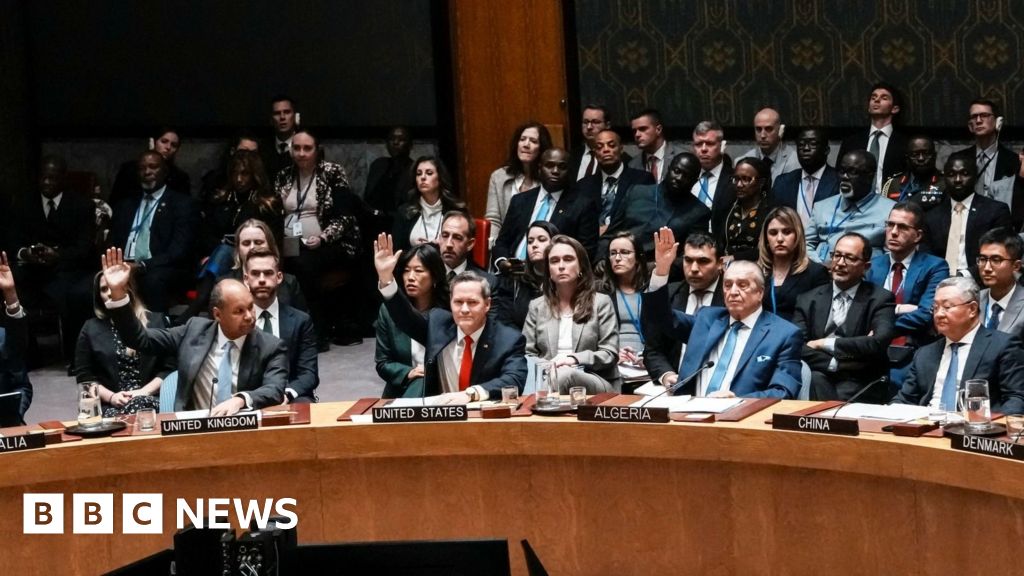
The United Nations Security Council has taken a decisive step by passing a US-drafted resolution endorsing Donald Trump’s 20-point peace plan for Gaza. This resolution, supported by 13 nations including the UK, France, and Somalia, reflects a significant shift in international approach to the ongoing Israeli-Palestinian conflict. The plan’s core involves the deployment of an International Stabilisation Force (ISF), aimed at disarming non-state armed groups, ensuring civilian security, and facilitating economic reconstruction. The US’s strategic push aims at transforming Gaza’s brutal cycle of violence into a “peaceful” rebuilding process, but critics argue that it risks entrenching external influence over Palestinian sovereignty.

However, this move has ignited fierce resistance from Hamas, which categorically rejects the plan, labeling it as a veiled attempt to impose “international guardianship” that violates Palestinian rights. Hamas officials have condemned the deployment of the ISF, alleging it would disarm and weaken their resistance, turning the group into a “party to the conflict” aligned with Israel and its allies. The group’s rejection highlights a fundamental divide—while international actors seek stability, many Palestinians see this effort as eroding their national aspirations. Historians and analysts warn that such external interventions risk further destabilizing Gaza by undermining the Palestinian Authority’s legitimacy, potentially prolonging the cycle of violence.

The resolution’s implications extend beyond immediate security concerns. It introduces a framework for future Palestinian statehood, a notion vehemently opposed by Israel. The inclusion of potential statehood naturally complicates U.S. and regional diplomacy, with Israel emphasizing a rejection of any plans that threaten its dominance over Jerusalem and the West Bank. The Obama-era Arab Peace Initiative—once a beacon for regional reconciliation—seems to be giving way to new, unpredictable dynamics as Arab countries navigate their relationships with Israel and the United States. The geopolitical impact is profound, redefining alliances and strategies across the Middle East.

Meanwhile, the plan has broader consequences for regional stability. The envisaged ISF’s coordination with Israel and Egypt is a calculated attempt to stabilize the borders and rebuild Gaza’s infrastructure, but it also raises questions about sovereignty and the role of foreign troops within Palestinian territories. The deployment of a new Palestinian police force—operating under a U.S.-backed authority for the first time—signals a possible shift in local governance, although Hamas remains firmly opposed, promising to resist what it calls a “foreign occupation.” The ongoing conflict, marked by the recent ceasefire and the tragic toll on civilians—over 69,000 Palestinians reportedly killed—remains a stark reminder of how fragile peace remains in this turbulent region. Diplomats warn that misjudgments or renewed conflicts could plunge Gaza back into chaos, with the weight of history pressing heavily against hopeful prospects for peace.

As the world watches, the unfolding saga in Gaza embodies a complex interplay of ambition, resistance, and international power. The resolution’s passage is a pivotal episode in a story that stretches beyond the borders of the Middle East—one that could either herald a new chapter of cautious stability or accelerate a cycle of conflict that seems unending. The questions remain: will outside forces foster peace, or will they deepen the divide that has long scarred this land? As history continues to unfold, the fate of Gaza hangs in the balance, a stark reminder that peace is often the most fragile of victories in a region still haunted by its turbulent past.
Reform Council Pushes for Flag Removal to Brighten Up Christmas Lights in Kent

Controversy Over Flags and Christmas Lights in Harrietsham

Flags vs. Festive Cheer: The Cultural Clash in Harrietsham

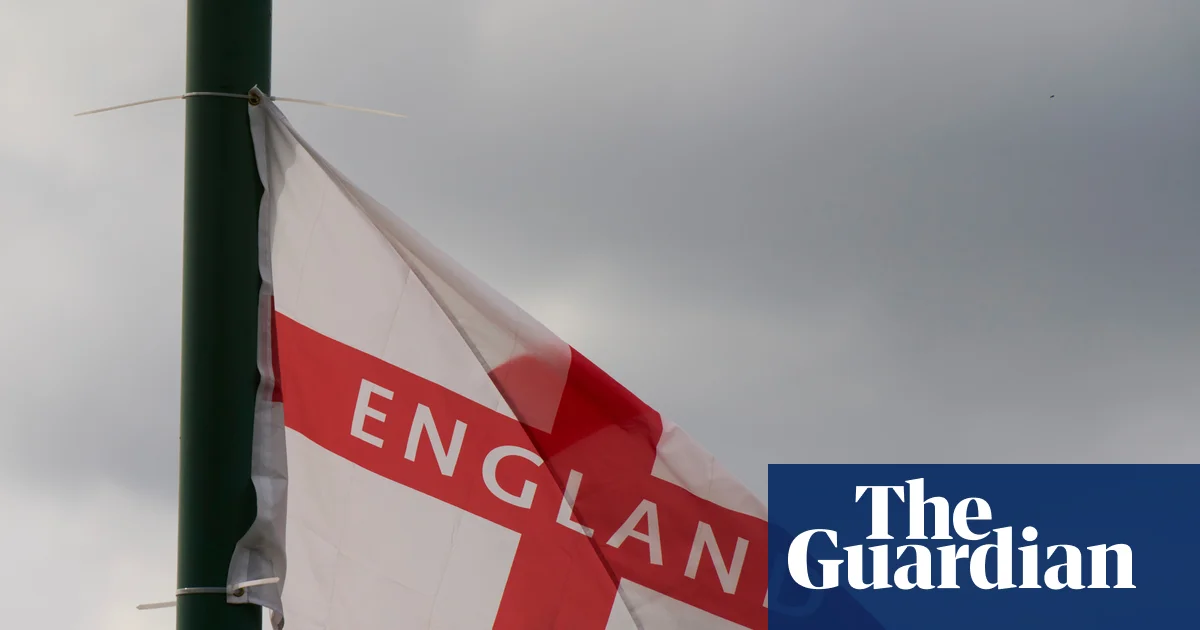
The recent decision by Kent county council to mandate the removal of union and St George’s flags from streetlights before the village can proceed with its traditional Christmas decorations has sparked a fierce debate that reflects broader societal tensions. This incident, deemed “beyond ironic” by local leaders, underscores how cultural symbols and identity politics increasingly influence community life and social cohesion. As the council’s safety concerns dominate discussions, the decision highlights an underlying struggle over the societal role of national symbols amid a rapidly changing demographic landscape.

The controversy centers on the flags, which are often associated with national pride and patriotic expression. While the county council asserts that safety during light installation is paramount, critics argue that the decision is emblematic of a broader trend of government intervention in cultural expression. For many families and communities, such symbols are part of their identity, deeply intertwined with their history and sense of belonging. The actions of the council have ignited concerns among residents and local groups who see this as an erosion of freedom to display their heritage. Notably, the parish council emphasizes that the flags, which were put up without formal permission, do not belong to the council property and therefore cannot be removed without owner consent—highlighting issues of property rights, local autonomy, and the cultural significance of public symbols.

This conflict has implications beyond mere symbolism; it affects the social fabric of communities and the everyday experiences of families. When local authorities restrict expressions that unite or represent a community’s history, it can lead to alienation and social fragmentation. Sociologists like Dr. Lisa Greenfield warn that such restrictions risk marginalizing conservative and patriotic elements, which are vital voices in the ongoing conversation about national identity. The debate reveals a cultural shift where traditional symbols are being scrutinized under the guise of safety or political correctness, often at the expense of community cohesion and shared celebration. Furthermore, the controversy illustrates how social tensions around identity, patriotism, and multiculturalism influence local governance and public spaces.

Supporters of the council’s stance argue that safety remains the highest priority in public planning, emphasizing that flags can obstruct visibility or interfere with installation safety. Peter Osborne, Kent council’s cabinet member for highways and transport, asserts that the removal process can be done efficiently by contractors without significant costs. Yet, critics like Stuart Jeffrey, a Green councillor and leader of Maidstone borough council, suggest that the broader issue is symbolic — that the flags represent more than just personal or local pride, but the tensions between local tradition and the push for a homogenized national identity. They contend that “the flags serve as a reminder of the community’s history, and their removal signifies a form of cultural suppression.”

Ultimately, this conflict resonates as a microcosm of society’s ongoing struggle to balance tradition with progress. It raises essential questions about how communities can preserve their heritage and identity in an increasingly diverse society, without compromising safety or the rule of law. As we move forward, the challenge lies not only in resolving disagreements over symbols and regulations but in fostering a society where families, educators, and communities can find common ground amid the inevitable changes shaping modern Britain. Reflecting on this, one can hope that society’s greatest strength remains its capacity to adapt, unite, and honor its roots—transforming division into dialogue, and symbols of division into symbols of collective hope for a more inclusive future.

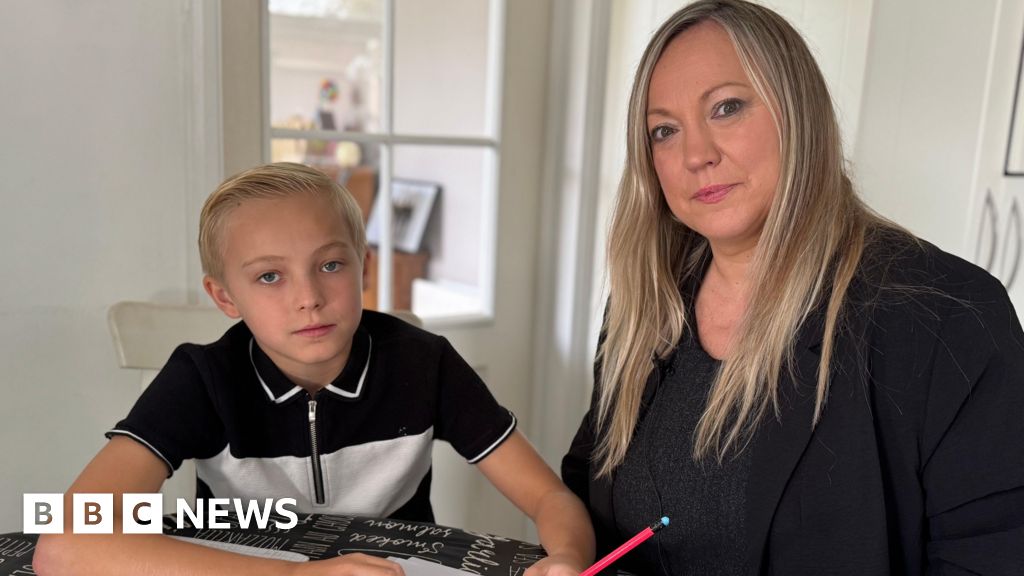
Autistic teen's plea for extra exam time overlooked by council, raising concerns about inclusive support
Autistic teen’s plea for extra exam time overlooked by council, raising concerns about inclusive support

Discrimination and the Struggle for Inclusivity in Education

Recent cases like that of Joshua, a 10-year-old boy diagnosed with autism and ADHD, have cast a spotlight on the ongoing \_battle for fair treatment within our education system.\_ Despite professional recommendations that he be granted 25% extra time during his 11+ exams—necessary accommodations to support his neurodiverse needs—Kent County Council (KCC) denied this request, citing adherence to established \_equalities law\_.

Joshua’s mother, Nicky, a qualified teacher and leader in special educational provision, expressed her dismay, asserting that her son was \_let down\_ by the system that should be designed to embrace inclusivity. Her critique echoes a broader societal tension: while our laws advocate for equality, their implementation often falls short for vulnerable communities, especially when bureaucratic procedures overlook professional advice or individual circumstances.

Communities and Families Bearing the Brunt of Systemic Gaps

Families like Nicky’s exemplify the profound personal toll. Her advocacy underscores how social issues extend beyond policy documents, directly influencing familial well-being and the future prospects of children with special needs. The disconnect between official guidelines—such as those from the Joint Council for Qualifications—and local authorities’ interpretations reveals a \_cultural gap\_ that hampers genuine inclusion.

Within many communities , families are torn between fighting for their children’s rights and grappling with systemic indifference. Sociologist Dr. Alan Goodman notes that social policies often unintentionally perpetuate \_demographic divides\_, especially affecting working-class families who lack the resources for persistent legal or bureaucratic battles. This disparity fuels a cycle where children with neurodivergence, instead of receiving tailored support, are simply sidelined or dismissed, contributing to a social fabric increasingly frayed at its edges.

Transformative Potential Through Education and Cultural Shift

Experts like Jess Hendrickx, a neurodivergent assessor and author, emphasize that **education alone isn’t enough; a societal shift toward **\_greater understanding and empathy\_\_** is essential.** The conversation around \_neurodivergence\_ has gained unprecedented momentum, yet the challenge lies in translating awareness into action. As sociologist Dr. Emily Carter underscores, \_inclusivity is a cultural commitment\_ that requires local authorities, educators, and communities to prioritize personalized support over rigid standards.

  • Implement comprehensive training for teachers and officials on neurodivergent needs
  • Develop policies flexible enough to accommodate diverse learning styles
  • Engage families as equal partners in educational planning
  • Ensure legal adherence while respecting individual circumstances

Ultimately, the core issue remains the society’s moral obligation to nurture its youngest members, ensuring no child is left behind simply because bureaucratic procedures are ill-equipped to recognize human diversity.

As society stands at this crossroads, the hope of transformation flickers like a distant star—fragile but enduring. The challenge is to build a future where social justice in education is no longer an aspiration but an unwavering reality, lightening the path for souls like Joshua, and reminding us all that in our collective striving, humanity’s true strength is found.

Social Media Auto Publish Powered By : XYZScripts.com