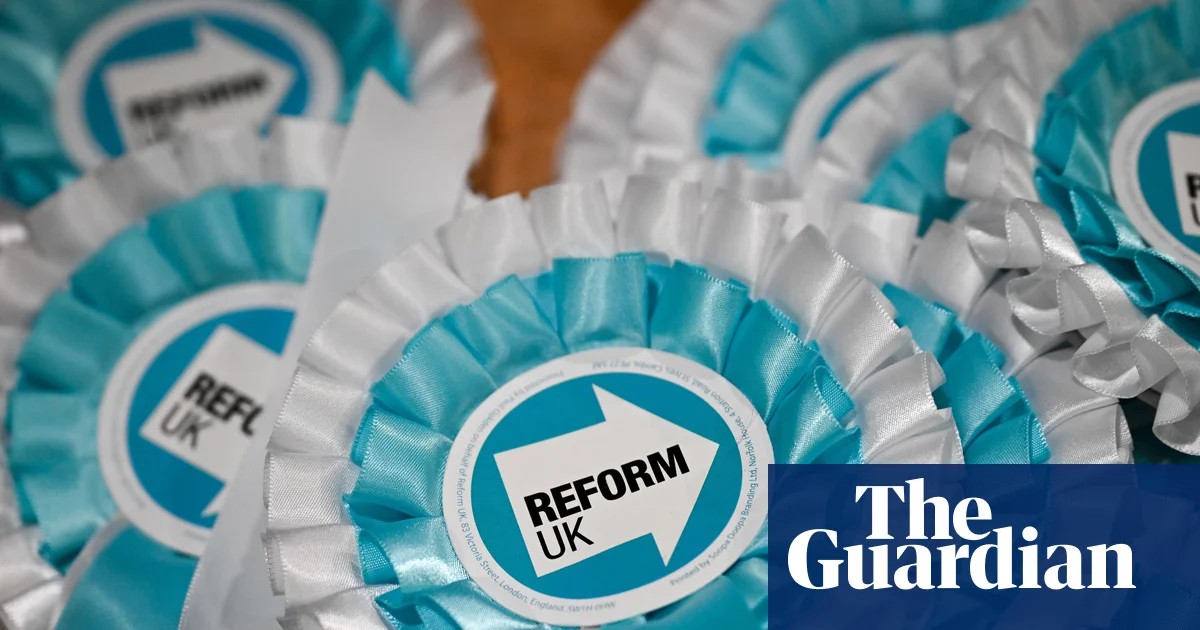

Across the United Kingdom, the recent upheavals within the political sphere signal more than mere local disputes—they reflect a deeper crisis in party discipline, leadership, and the very integrity of governance at a critical juncture. Nigel Farage’s Reform UK party, which champions populist reforms and a direct challenge to the establishment, now faces internal fractures that threaten to undermine its credibility. The suspension of councillors, including Isabella Kemp, from the Kent county council underscores the volatility and fragility of the party’s nascent political structure. These developments come amidst leaked memos revealing bitter internal disagreements, raising alarms about the stability and viability of outsider parties seeking to shake up entrenched political norms.
Analysts and political historians warn that such turmoil within Reform UK does not merely impact local governance but could reshape the geopolitical landscape of British politics. The party’s inability to maintain cohesion risks empowering traditional parties like the Conservative and Labour, who may capitalize on these divisions to reinforce their long-standing dominance. The controversy also exposes a broader question: Can populist insurgents sustain their momentum when internal discipline falters? The internal conflicts over leadership conduct, disciplinary measures, and policy promises threaten to create leadership vacuums, providing fertile ground for political opportunists and undermining voter trust. As political scientist Dr. Emily Knox notes, *“Such internal fissures are often a prelude to collapse, especially in movements that rely heavily on outsider appeal and minimal established governance structures.”*
This chaos at the grassroots level resonates beyond the corridors of Kent. International organizations like the International Crisis Group have long warned that party infighting and fractured leadership can have profound implications for national stability, policy continuity, and international reputation. When political factions fight within their own ranks, it emboldens adversaries—both domestic and abroad—who wish to undermine the sovereignty and stability of the state. Moreover, the crisis reflects broader societal tensions over accountability, public trust, and the efficacy of Britain’s new political entrants, which are attempting to carve a path away from the traditional party system. If these insurgent parties cannot demonstrate discipline and effectiveness in local councils, their national ambitions may soon be rendered empty gestures, susceptible to exploitation by political foes bent on restoring the old guard’s dominance.
As observers cite the embarrassing saga of Kent’s council, including debates over council tax increases and allegations of mismanagement, the geopolitical impact becomes evident. Britain’s internal stability and credibility are often scrutinized on the international stage, with ongoing tensions from global conflicts and economic uncertainties. The disarray within Reform UK exemplifies the challenges faced by populist movements in maintaining coherence amidst upheaval. According to strategic analyst Mark Rutherford, *“When political parties fracture internally, it signals a broader erosion of societal confidence, which foreign adversaries can interpret as weakness or vulnerability to exploit.”* Consequently, the saga in Kent is more than a local political squabble; it’s a microcosm of the risks facing Britain as it navigates a tumultuous era, where every leadership discord and internal conflict adds weight to the written history of a nation still seeking its footing in a rapidly shifting global order.
In the shadows of these political earthquakes, history awaits its next chapter. Will Britain rally from these internecine struggles and forge a resilient path forward, or will internal chaos deepen, paving the way for longer-term decline? As the weight of history presses down, the outcome remains uncertain—yet one truth is clear: in the unfolding story of national sovereignty and societal resilience, every decision, every division counts. The pages of this epoch are still being written, and whether Britain emerges stronger or fractured remains the question that history will ultimately answer.