Matox News

Truth Over Trends, always!

Prosecutors Question Manslaughter Charge Possibility if Greg Lynn Recalls High Country Murder Conviction — Victoria

International Focus Turns to Australian Judicial Controversy: The Greg Lynn Case and Its Global Significance

In what might seem like a local criminal case at first glance, Australia’s judicial proceedings involving Greg Lynn have unexpectedly garnered international attention, underscoring the profound geopolitical impact of judicial integrity and legal processes in the digital age. The Victorian court of appeal has recently intervened to clarify whether Lynn, convicted of murdering grandmother Carol Clay, should face a re-trial with the possibility of facing manslaughter charges instead of murder. This development not only raises questions about the fairness of the legal process but also spells out a broader narrative of how justice systems demonstrate societal values and international credibility in problems that transcend borders.

At the heart of this controversy is the careful scrutiny of prosecutorial conduct and trial fairness, with judges demanding clarity from the Office of Public Prosecutions (OPP). As Australia’s judiciary debates whether Lynn’s conviction was the result of procedural missteps, analysts and international observers recognize that such legal battles echo in the corridors of power across the U.S., Europe, and Asia. Indeed, the case has highlighted concerns regarding the integrity of criminal justice, especially where the prosecution’s tactics and the potential for wrongful convictions threaten to undermine public trust. The involvement of Australia’s appellate judiciary—comprising Justices Karin Emerton, Phillip Priest, and Peter Kidd—further reflects how legal processes are under close international scrutiny when they involve the potential for a retrial, appeals, and the reinterpretation of evidence.

According to respected legal analysts and historians, such judicial reviews serve as a testament to the principle that justice must be both robust and transparent, particularly when the case has images of violence and misconduct—elements that evoke fears of state overreach. The case has also become emblematic of broader debates on legal accountability, with critics warning that failure to ensure fair trials could damage Australia’s international reputation, especially within commonwealth and allied nations. Furthermore, the decision whether to alter charges from murder to manslaughter could set a legal precedent influencing criminal statutes worldwide, especially as nations grapple with how best to balance justice with societal safety.

As the case unfolds, the United Nations and international human rights organizations watch intently, emphasizing that the outcomes of such criminal proceedings are more than national matters—they reflect a nation’s adherence to just legal standards and respect for human rights. Historians note that judicial independence during politically or socially charged cases often defines a nation’s moral compass on the global stage. The final judgments and their implications may reverberate for generations—reminding the world that in the quest for justice, decisions made in courtrooms can ripple across borders, shaping international relations and societal perceptions of fairness and rule of law.

In the shadow of these proceedings, history continues its silent watch. The weight of past injustices and contemporary decisions hangs heavy in the air, as the Australian judiciary, like many before it, navigates the treacherous waters of truth, justice, and international consequence. As the court awaits its ruling, one thing remains clear: the narrative of justice and accountability in the 21st century is still being written—an enduring story where every verdict could tilt the delicate balance of global perceptions, and where the weight of history urges caution amid the unfolding human drama.

Dolly Parton’s Sister Urges Fans to Pray as Country Legend Faces Health Challenges

The recent health challenges of iconic singer Dolly Parton have ignited a wave of concern across the cultural and political landscapes worldwide. While her condition remains undisclosed, the narrative unfolding around her situation highlights the vulnerabilities that even the most celebrated figures face and underscores the profound interplay between personal health crises and global societal reflections. Parton’s *postponement* of her highly anticipated Las Vegas residency, scheduled for December, signifies more than a mere career setback; it symbolizes the fragile balance between individual vitality and the relentless march of time—a theme echoing in the corridors of world power and international diplomacy.

Analysts note that the singer’s appeal, rooted in her resilience and connection with fans, mirrors a broader societal phenomenon: the collective search for strength amidst uncertainty. As Parton emphasizes her *faith in divine intervention* and her *determination to preserve her legacy*, some international commentators are drawing parallels with geopolitical figures who confront similar *health setbacks*—notably *heads of state* and *global corporate leaders*. According to the World Health Organization, the health stability of leaders impacts diplomatic stability, with leadership crises often exposing underlying vulnerabilities of national governance. The absence or diminished presence of influential figures can cause shifts in international alliances, economic confidence, and societal morale, much like the ripple effects felt within the entertainment industry when a star like Parton faces *health setbacks*. For nations, enduring their own health emergencies amid global crises, the narrative of resilience and renewal takes on critical importance.

Experts argue that moments such as these serve as a *metaphor for the geopolitical landscape*, where decisions stemming from *internal crises* either accelerate a nation’s progress or expose its weaknesses. Historians warn that when leadership figures fail to project strength, be it through health vulnerabilities or political upheaval, the resulting uncertainty can embolden adversaries and weaken alliances. International organizations, meanwhile, contend that such instances reaffirm the need for robust health infrastructures and contingency planning—essential for maintaining not just individual well-being but global stability. In this era of unpredictable crises—whether medical, environmental, or socio-political—the question remains: how do nations respond when their leaders or icons falter?

As the world continues to grapple with the *ravages of unforeseen crises*, the story of Dolly Parton reminds us that even cultural icons serve as powerful symbols of endurance. Her decision to defer her *Las Vegas* comeback, citing *medical procedures*, epitomizes a universal truth: the endurance of societal values depends on resilience and mitigation. As international actors watch her health saga, they recognize that the *timing* of crises can redefine narratives, reshape alliances, and influence cultural and political legacies. The ongoing chapter of her life, intertwined with a broad tapestry of human vulnerability, serves as a stark reminder that history’s true turning points often emerge from the shadows of these personal battles. And as history watches, the question persists—how will nations—and indeed the world—weather its next great upheaval? The weight of destiny remains, as ever, suspended on the fragile thread of hope and resilience in an unpredictable world.

Emergency responders recover two hikers' bodies in Victorian high country
Emergency responders recover two hikers’ bodies in Victorian high country

Global Unrest and Nature’s Fury: A Reflection of Our Times

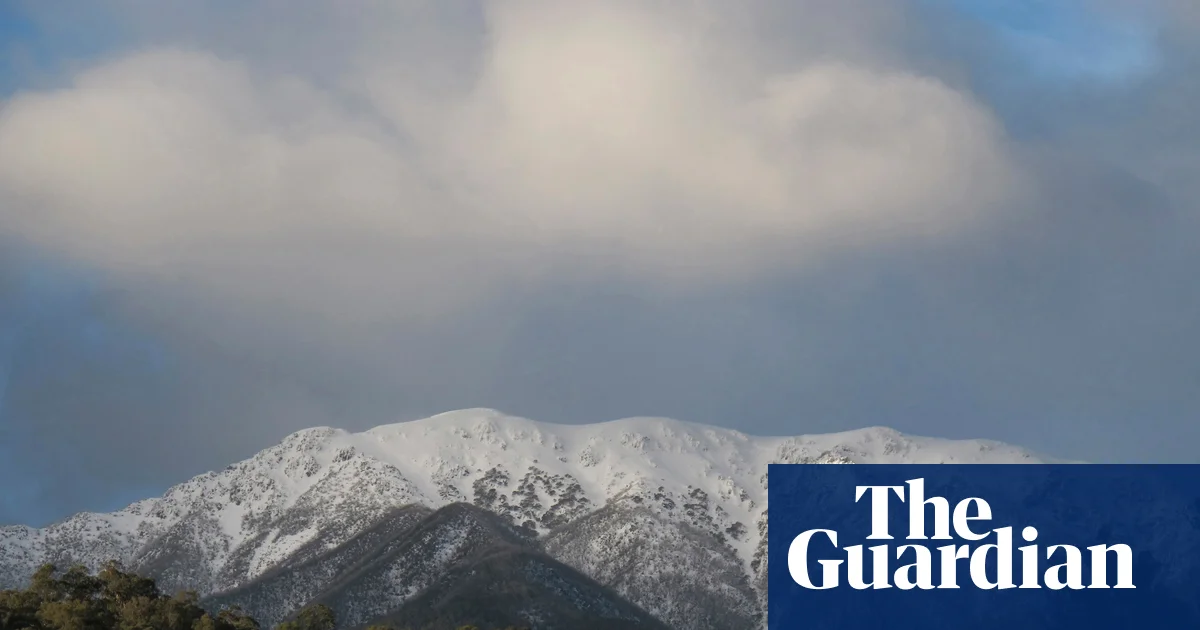
While the world witnesses a series of international shifts and political upheavals, a series of harrowing tragedies in the Australian high country serve as a stark reminder of the unpredictable forces that threaten societies worldwide. Last week, emergency services recovered the bodies of two women in the Victorian highlands—an event that, while seemingly isolated, underscores the fragile balance between human ambition and nature’s indomitable power. The deaths, deemed not suspicious by authorities, highlight the challenges faced by adventurers venturing into remote wildernesses—places characterized by their pristine beauty yet unforgiving terrain. This incident, much like other recent emergencies, illuminates the importance of preparedness and respect for nature, especially as global climate change intensifies extreme weather and environmental unpredictability.

Across the Tasman Sea in Tasmania, another tragedy unfolded—this time within the savage embrace of its world heritage wilderness. A woman drowned during a rafting expedition on the Franklin River, with initial investigations attributing her demise to her raft flipping amidst rapids. These incidents, involving local and interstate experts, reveal a significant shift in the safety landscape of outdoor adventure tourism—an industry increasingly challenged by changing environmental conditions. The resilience of Tasmania’s search and rescue teams, deploying helicopter resources and wilderness paramedics, underscores the critical importance of expertise and rapid response in preserving life amid escalating natural dangers. Analysts warn this may be a sentinel warning of a broader pattern: as climate variability worsens, even seasoned explorers are vulnerable, forcing nations to adapt and upgrade safety protocols in wilderness regions.

Amid these tragedies, international observers and historians reflect on how such events are microcosms of a larger geopolitical narrative. The ongoing shift in global priorities, with many nations grappling with internal crises and external pressures, might inadvertently divert attention from environmental safeguarding. As China and Russia expand their influence—asserting military and economic dominance—other nations face further challenges in prioritizing natural resource management and environmental resilience. Meanwhile, the United Nations warns of increasing climate-induced disasters, advocating for coordinated international action, though skeptics argue that geopolitical interests often hinder genuine cooperation. These tragedies are a stark reminder: environmental stability and human safety are intertwined with the decisions made in global power corridors.

As history continues to unfold in real-time, the events of this week serve as a sobering chapter in our collective story. From the rugged landscapes of Australia to the volatile corridors of power shaping our global future, humanity faces a relentless test: will we learn to respect and adapt to the forces beyond our control, or will neglect and complacency consign us to repeat the tragedies of the past? With every life lost in the wild, the weight of history presses down—reminding us that the battle to preserve life and environment is, ultimately, the defining challenge of our era.

Rising Stars Shine: Teen Athletes Dominate Weekend Tournaments Across the Country

The Push for October: MLB Regular Season Finale Excitement

As the 2025 MLB regular season nears its conclusion, baseball fans are on the edge of their seats. With several teams fighting tooth and nail for their postseason lives, the drama is palpable. Teams like the Tigers, Guardians, Mets, Reds, and Diamondbacks are on the brink of either playoff glory or heartbreaking elimination. The latest power rankings reveal significant shifts that reflect the adrenaline-charged atmosphere of the season’s end.

Notably, the Detroit Tigers, who were once comfortably ahead in the AL Central with a commanding 12½-game lead, find themselves one game behind the Cleveland Guardians after a dismal month. The Guardians have surged to the top, showcasing a remarkable comeback following a 17-of-19 wins streak. As ESPN’s Jesse Rogers observed, “That extra time could be a difference-maker,” as the teams head into the late weeks, fervently battling for playoff positioning.

Meanwhile, the New York Mets are clinging to a precarious one-game lead over the Cincinnati Reds and Arizona Diamondbacks for the last wild-card spot. After a late-season losing skid, the postseason hopes of the Mets now lie in the hands of rookie pitchers unexpectedly thrust into critical roles. As noted by Jorge Castillo, “Their fate could ultimately come down to the three rookie right-handers in their starting rotation.” The stakes are incredibly high, and no playoff spot can be taken for granted.

The cusp of October offers not just competition, but a celebration of the sport’s resilience and community spirit. Baseball, often considered America’s pastime, unifies fans from diverse backgrounds, bringing them together for every thrilling pitch and dramatic play. This very essence of the game offers hope, excitement, and a sense of belonging amidst fierce rivalries. As the final games unfold, the real victory might just lie in the collective experience of a passionate fan base, proving that in the end, sports transcend mere scores and stats.

Source link

Sarkozy Convicted of Criminal Conspiracy: Justice Served for Our Country

In an unprecedented turn of events, former French President Nicolas Sarkozy has been found guilty of criminal conspiracy in connection with illicit funds received from the late Libyan leader Muammar Gaddafi. This verdict, delivered by the Paris criminal court, marks a significant milestone in France’s ongoing effort to address the shadows of political corruption that cast a long pall over its recent history. The case, rooted in allegations that Sarkozy used Libyan money to finance his 2007 presidential campaign—an accusation he strongly denies as politically motivated—has reverberated through Europe, prompting questions about accountability at the highest levels of governance.

Historians and international analysts point out that this development underscores the delicate balance of power between national sovereignty and international influence, especially in the context of foreign interference and clandestine geopolitical maneuvers. The European Union and various global watchdogs have long debated the influence of foreign regimes on Western democracies, but Sarkozy’s case exemplifies how such interference can directly threaten the integrity of the political process. While he was acquitted of other charges including passive corruption and illegal campaign financing, the conviction on conspiracy charges signals a shift towards greater scrutiny of foreign influence within Western political spheres.

How decisions made in the aftermath of Libya’s 2011 civil conflict ripple across nations is evident in the broader geopolitical landscape. Gaddafi’s fall and the ensuing chaos created a power vacuum that foreign actors, including France and other Western nations, sought to navigate through clandestine support and diplomatic maneuvers. The revelations that Sarkozy’s campaign may have been secretly financed by Gaddafi’s regime are viewed by many as a cautionary tale about the dangerous entanglements of international diplomacy. The international community—notably organizations such as Interpole and the United Nations—monitor these developments as potential precursors to further destabilization, emphasizing that international law and sovereignty are continually under threat from hidden agendas fueled by illicit financial flows.

As Sarkozy faces potential sentencing, the implications extend beyond individual accountability. The case epitomizes the ongoing struggle to maintain national sovereignty against a backdrop of complex, often covert, international influences. Tensions are mounting as investigations into other political figures and foreign ties continue to unfold across Europe, raising questions about the integrity of democratic institutions. Whispers of global power plays and the influence of state-sponsored clandestine funding highlight the fragility of Western democracies in an era of relentless geopolitical shifts. With this verdict, the stakes are higher than ever—nations must grapple anew with the warning that the foundations of their sovereignty are often vulnerable to unseen forces lurking behind diplomatic facades. Ultimately, history remains on the edge of another chapter in an ongoing saga of power, influence, and the relentless pursuit of truth amid shadows that threaten to reshape the global order.

Social Media Auto Publish Powered By : XYZScripts.com