Matox News

Truth Over Trends, always!

Nigerian Officers Set for Trial Over Alleged Coup Plot Against President Bola Tinubu

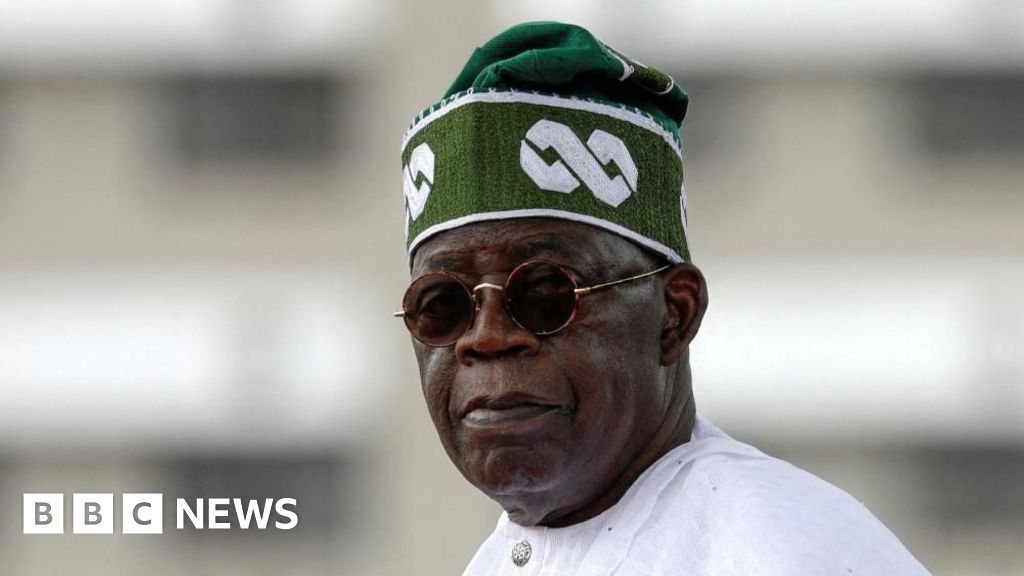
Nigeria, Africa’s most populous nation and a key regional power, is once again facing the specter of military discontent. Recent reports confirm that a group of military officers are scheduled to face trial on charges of plotting to overthrow President Bola Tinubu last year. This development underscores the fragile stability that persists within Nigeria’s armed forces, which have historically oscillated between authoritarian rule and fragile civilian governance. Although the Nigerian military initially dismissed rumors of an attempted coup, an internal investigation has revealed enough evidence for some officers to stand before a military judicial panel, signaling a potential shift in the internal dynamics of Nigeria’s security apparatus.

Historically, Nigeria has endured a turbulent political landscape marked by multiple coups spanning from 1966 to 1993, leaving scars on its national psyche and institutional stability. Today, analysts warn that allegations of coup‑plotting are especially sensitive given the country’s history. The military’s official stance emphasizes that such plots are “inconsistent with the ethics, values, and professional standards” expected of its soldiers, but the underlying tensions run deep. As violent insurgencies, political unrest, and economic frustrations continue to simmer, the armed forces find themselves under increasing operational pressure—fighting jihadist groups in the northeast, combating communal violence, and addressing widespread insecurity. These multifaceted challenges threaten to weaken discipline and cohesion within the military ranks, which many experts attribute to the rising possibility of dissident factions seeking to challenge civilian authority.

This internal crisis within Nigeria’s military must be viewed within the broader context of the current regional upheaval in West Africa. Countries such as Mali, Burkina Faso, Niger, and Guinea have experienced recent coups, prompting fears among regional policymakers and international observers. While countries like Mali and Burkina Faso continue to grapple with military takeovers, Guinea has seen a recent return to democratic rule after military-led interventions. These shifts are generating a sense of urgency and vigilance among the Ecowas regional bloc, which has historically positioned itself as a guarantor of stability in West Africa. For Nigeria, a nation often seen as the regional stabilizer, the question arises: how will its internal military unrest impact regional cohesion and security?

International analysts, including those from think tanks and organizations like the UN and Africa Union, warn that the delicate balance of power in West Africa is at risk. With Nigeria’s military asserting its loyalty to civilian rule publicly yet facing credible challenges from within, the possibility of a broader destabilization looms. The ongoing tensions reflect deeper issues—resource constraints, militant insurgencies, and internal factionalism—that threaten to unravel the progress made since Nigeria’s return to civilian rule in 1999. As these developments unfold, the shadow of history’s darker chapters looms large, reminding the world that the struggle for democracy is an ongoing battle fought not only on the streets but within the military’s own ranks.

In the unfolding narrative of Nigeria and West Africa, the current tensions serve as a stark warning—history’s lessons are not easily forgotten. The continuing saga of military influence, regional instability, and the fight to secure democratic institutions may yet rewrite the future of this pivotal region. The world watches with bated breath, understanding that the decisions made now could shape the course of history for generations to come, as the section of history still being written demands resilience and resolve in the face of jeopardy.
Benin coup attempt against President Talon stopped by loyal troops, says minister

Emerging Turmoil in Benin: A Mayhem for Stability in West Africa

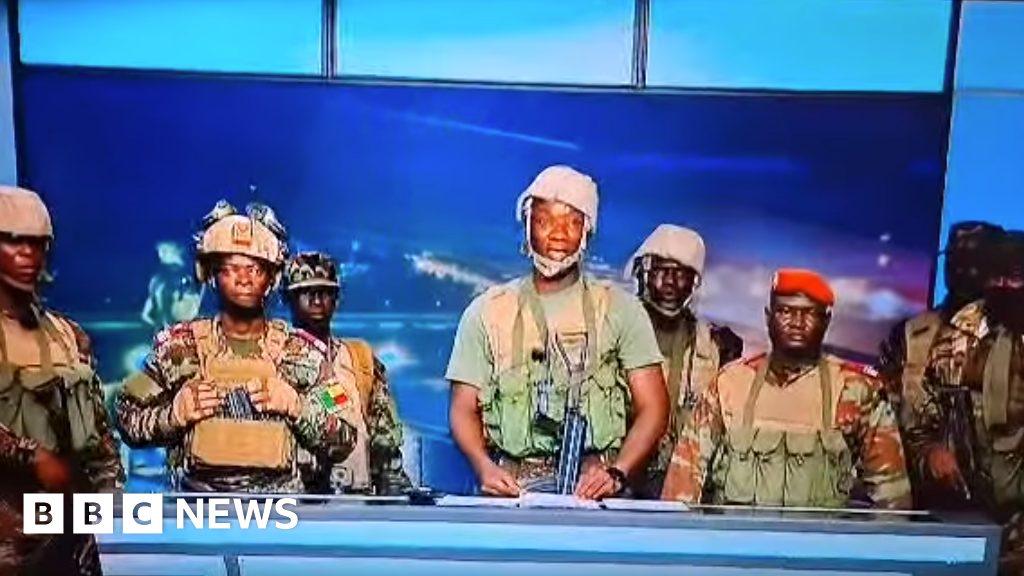
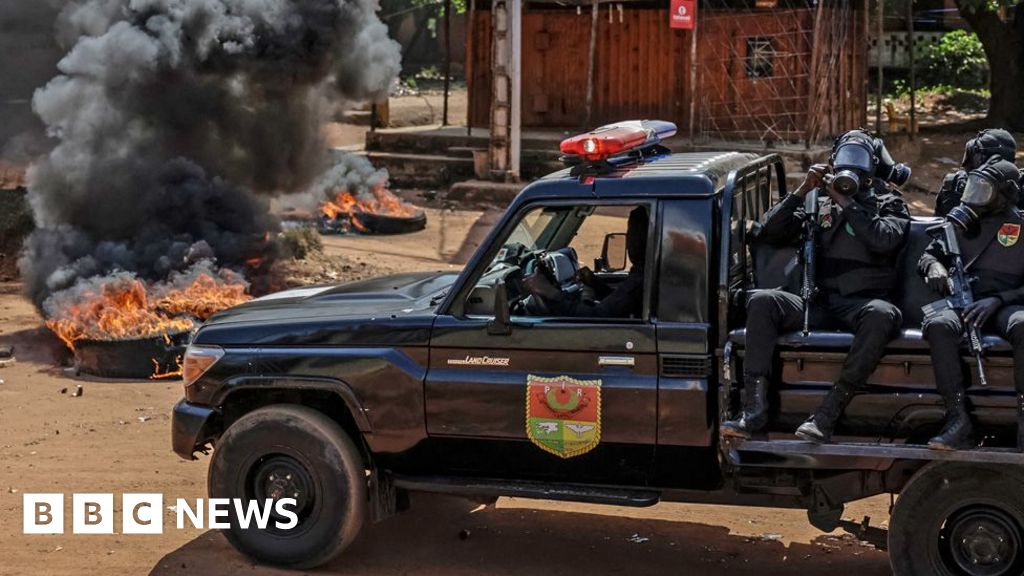
The recent attempt to overthrow the democratically elected government in Benin has sent shockwaves throughout the continent, highlighting the fragile state of stability in West Africa. In a series of alarming events early Sunday, members of the Beninese armed forces broadcasted on national television that they had ousted President Patrice Talon, a leader who has long been regarded as a pragmatist with deep ties to the West. Eyewitnesses reported gunfire and confirmed that state broadcasters had been taken hostage, stirring fears of a wider regional destabilization amid ongoing upheavals across the Sahel region — a hotbed of jihadist insurgency and political volatility. Despite the swift response from loyalist forces, with the military reportedly arresting 14 individuals involved in the coup attempt and deploying helicopters across Cotonou, the incident underscores how the security fabric in West Africa remains dangerously thin.

Historically a bastion of relative stability, Benin has enjoyed a reputation as one of Africa’s more democratic nations—although recent political developments have cast a shadow over this status. President Talon, a wealthy businessman dubbed the “king of cotton,” has prioritized economic reforms and infrastructure development since his assumption of power in 2016. Nevertheless, critics accuse him of suppression of dissent, and his government’s handling of opposition has prompted internal unrest. A constitutional amendment passed last month, which extended parliamentary terms from five to seven years without altering presidential term limits, has further eroded faith in the democratic process. Analysts warn that these moves, coupled with allegations of electoral suppression, are fueling discontent and destabilizing democratic institutions from within.

Amid this turmoil, the regional context cannot be ignored. In recent years, West Africa has witnessed a surge of coups in countries such as Mali, Niger, Guinea, and Burkina Faso. Driven by insurgencies linked to Islamic State and al-Qaeda affiliates, these destabilizations have strained security forces and compounded political crises. Russia’s growing influence across the Sahel adds another complex layer, with Burkina Faso, Mali, and Niger forming the Alliance of Sahel States — a regional bloc that challenges Western-led stability efforts. These developments have been met with condemnation from organizations like Ecowas and the African Union, both emphasizing their ‘zero tolerance’ stance on unconstitutional changes. Yet, some observers suggest that regional powers and external actors may be inadvertently fueling unrest, as rival geopolitical interests clash on African soil.

The geopolitical impact of these events extends well beyond borders. As countries grapple with internal divisions and external influences, the future of democracy, security, and economic growth in West Africa hangs in the balance. The crisis in Benin serves as a stark reminder that the region’s stability is fragile and that every decision made today could shape the course of history for decades to come. With international actors watching anxiously, the unfolding stories of courage, conflict, and resilience will determine whether this moment marks a breakthrough toward regional stability or a tragic descent into chaos, leaving behind a legacy defined by uncertainty and upheaval.

As history’s pages continue to turn, the question remains: will the forces of destabilization or those of democracy prevail in the heart of Africa? The answer, like the region itself, is still being written—and the world holds its breath.

Coup or Con Job? The Truth Behind the Rumors

Guinea-Bissau’s Political Turmoil: A Transition of Uncertainty

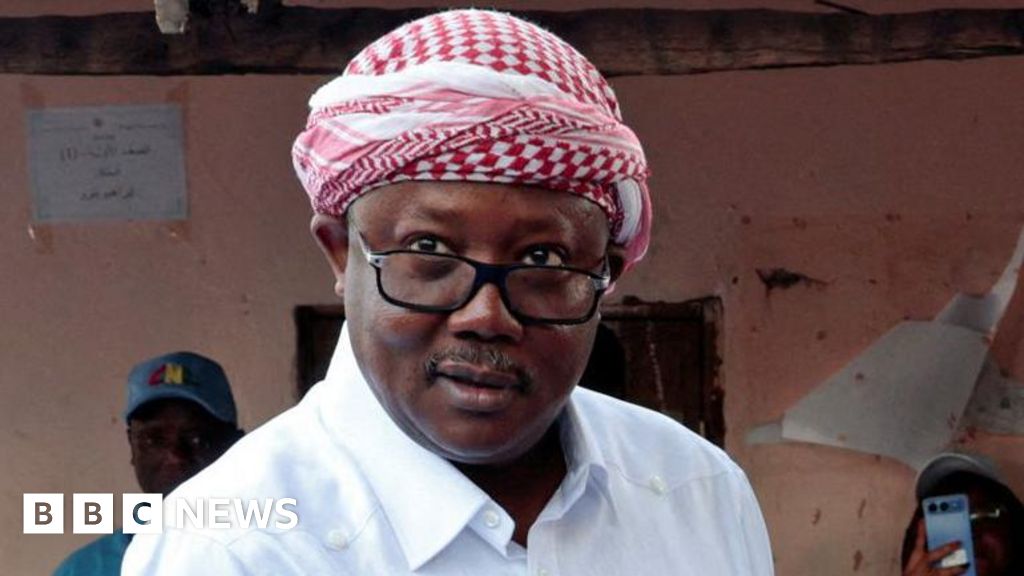
In an unfolding saga that captures the attention of global geopolitics, Guinea-Bissau finds itself once again at a crossroads of military intervention and political upheaval. The West African nation, famed for its history of at least nine attempted and successful coups since independence in 1974, saw a dramatic military takeover last Wednesday, marking yet another chapter in its turbulent history. Military officers announced they had seized control amid gunfire near the presidential palace, arresting President Umaro Sissoco Embaló and reportedly halting the electoral process. These actions have left the international community, particularly regional authorities, grappling with the uncertain legitimacy and potential consequences of this unexpected power shift.

The circumstances surrounding the coup have sparked widespread scrutiny and skepticism among analysts, civil society, and neighboring nations. While the military claimed to act to prevent a foreign-backed plot involving drug traffickers—an accusation that aligns with Guinea-Bissau’s notoriety as a drug trafficking hub—their language was notably ambiguous, insisting they were not executing a traditional coup but were instead thwarting destabilization efforts. The military’s declaration that they had ‘taken control’ yet refused the label of “coup” underscores the complex, often contradictory narratives fueling mistrust about the true motives. International organizations, including the Economic Community of West African States (ECOWAS) and global watchdogs, have urged caution, warning that such instability could further entrench the country’s fragile institutions and undermine regional stability.

The day before the takeover, Guinea-Bissau had concluded a presidential election in which Embaló sought a second term. However, the release of the election results was abruptly suspended following the military’s intervention. Opposition figures and civil society questioned whether Embaló, who quickly flew to Senegal after the coup, might have orchestrated the event to prevent unfavorable election outcomes. Some critics argue that Embaló has a history of fabricating coup attempts to justify authoritarian control, a tactic testified by his dissolution of parliament after previous alleged coup plots. The appointment of military figure Gen. Horta N’Tam as transitional leader—a close ally of Embaló—further fuels suspicions that the current regime is driven more by manipulation and personalities than by genuine democratic intent.

Geopolitical Impact and Societal Consequences

For West Africa, Guinea-Bissau’s ongoing instability signals a warning: fragile democracies easily fall into cycles of military interference, threatening regional security, especially in a time when international powers edge closer to involvement. The international community is watching with concern, wary of a scenario where political chaos facilitates drug trafficking and organized crime, further destabilizing the region’s fragile security landscape. Historians and analysts warn that repeated coups serve as setbacks for national sovereignty and democratic consolidation, with potential for long-term instability that can spill into neighboring countries—exacerbating tensions and worsening social unrest. The swift departure of Embaló to Congo-Brazzaville, coupled with Nigeria’s granting asylum to opposition figure Dias, exemplifies the fluid, unpredictable nature of this crisis and underlines the mounting international stakes.

The reactions from Guinea-Bissau’s populace are a mixture of hope and despair, reflecting a nation exhausted by decades of military meddling. Large protests demand the release of detained political leaders and the publication of election results, signaling a desire for genuine democratic processes. Civil society groups have called for strikes and civil disobedience, advocating for a return to electoral transparency. Yet, the palpable tension underscores a societal fracture; some residents see the military’s intervention as a necessary evil, assuming a temporary transition might restore order amidst chaos. The question remains: will this power vacuum be filled with true authority that steers Guinea-Bissau toward stability or further derail its fragile institutions?

As the world’s eyes fixate on this unfolding crisis, the lessons of history resonate deeply. Guinea-Bissau’s latest events echo the cautionary tales of African nations where military coups frequently derail nascent democracies, leaving scars that take decades to heal. The crossroads before Guinea-Bissau is not merely about who holds power but about the future direction of its society, sovereignty, and regional stability. The decisions made in the coming days—by military leaders, civilian institutions, and international actors—will echo in history, perhaps sealing the fate of a nation caught in the relentless tide of upheaval. This is the hour of reckoning, amid the shadows of past failures and the fragile dawn of renewed hope.

Guinea-Bissau’s President Umaro Sissoco Embaló Sought Refuge in Senegal Following Coup

The recent turmoil in Guinea-Bissau underscores the fragility of democratic institutions in West Africa, a region increasingly influenced by military interventions and external pressures. This week, the nation witnessed yet another military coup, a recurring theme in its post-independence history, which has seen at least nine coups or attempted upheavals over the last fifty years. The abrupt removal of President Umaro Sissoco Embaló and the installation of an interim military leader exemplifies the deep-rooted challenges facing the country’s political landscape. As regional powers and international organizations express concern, the question of whether Guinea-Bissau’s political instability will spiral into a broader crisis remains.

  • The military detained Embaló and other key political figures, suspending the electoral process just before official results could be announced.
  • The coup was justified by the military as a move to thwart a purported plot involving unnamed politicians and a “well-known drug baron”—highlighting Guinea-Bissau’s longstanding role as a major hub in international drug trafficking.
  • Regional Ecowas swift response saw the organization suspend Guinea-Bissau from decision-making bodies, demanding the military return to the barracks, condemning their actions as a “grave violation of constitutional order”.

Internationally, the situation has elicited sharp condemnation from the African Union and the United Nations. UN Secretary-General Antonio Guterres expressed “deep concern” and called for an “immediate and unconditional restoration of constitutional order,” emphasizing the importance of stabilizing the nation before further deterioration. These reactions reflect the wider recognition that Guinea-Bissau’s instability does not exist in isolation but feeds into the broader geopolitics of the region. For decades, Western powers and neighboring states have watched carefully, wary of the country’s vulnerability to drug trafficking, military meddling, and political backslide.

Moreover, the crisis in Guinea-Bissau exemplifies how internal political machinations—ranging from allegations of rigged elections to claims of self-staged “simulated coups”—are often entwined with geopolitical interests and local power dynamics. Analysts like Beverly Ochieng from Control Risks suggest that embattled President Embaló’s recent actions, including dissolving parliament after a coup attempt, might have inadvertently created space for military intervention, possibly orchestrated or at least exploited by factions seeking stability through strength. How the military’s assertion of control will reshape Guinea-Bissau’s future remains uncertain, but regional leaders, notably Sierra Leone’s President Julius Maada Bio, have taken steps to secure Embaló’s safety, illustrating how geopolitical concerns extend beyond national borders.

As history looms heavily over Guinea-Bissau’s current predicament, the nation’s struggles become a stark reminder to the world: weak institutions, unresolved political conflicts, and external criminal influences can turn fragile democracies into battlegrounds of chaos and control. The decisions made now—whether to impose sanctions, support diplomatic resolutions, or leave military factions unchecked—will leave an indelible mark on the country’s trajectory. The wheels of history are turning, and in a region where the stakes include not only national sovereignty but international safety, Guinea-Bissau’s story is far from over. As the international community watches in measured silence, the ongoing battle for stability, sovereignty, and soul of Guinea-Bissau begins a new chapter—one that will define the future of this troubled yet strategically vital country, a tiny nation sitting precariously on the edge of chaos and renewal.

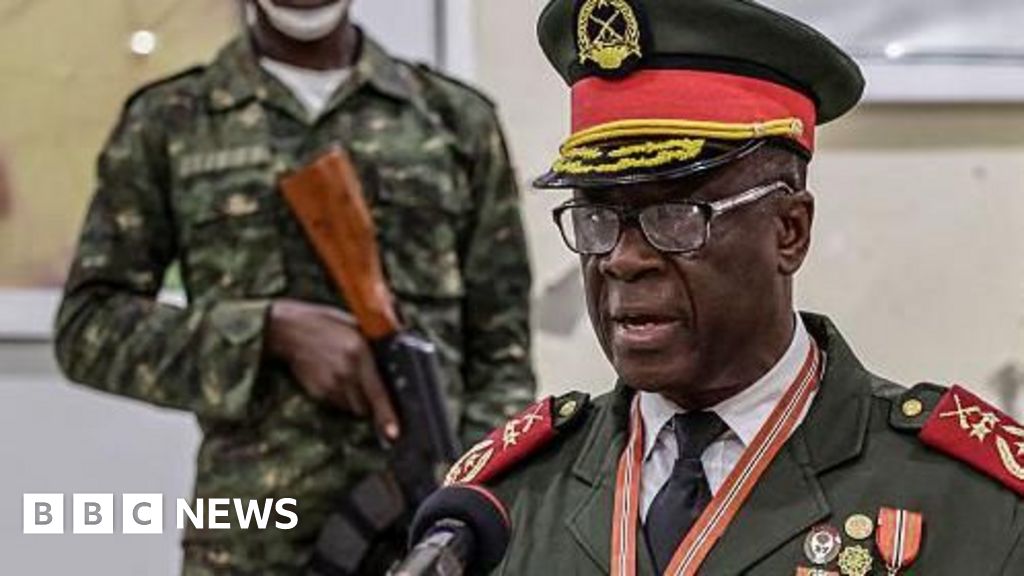
Guinea-Bissau Army General Declared President After Sudden Coup

Guinea-Bissau: Military Coup Sparks Unrest and Challenges Regional Stability

The recent upheaval in Guinea-Bissau, a nation long plagued by political instability, has taken a dramatic turn as the military announced a coup d’état, seizing control amidst claims of thwarted electoral processes. The country’s interim leader, Gen Horta N’Tam, who was sworn in as the transitional president just a day prior, now faces the daunting task of navigating the crisis. The coup came after persistent allegations that outgoing President Umaro Sissoco Embaló may have orchestrated a “simulated coup”—a supposed ploy to block the release of electoral results—fueling suspicions of manipulation and widespread dissent. This event underscores the fragility of Guinea-Bissau’s democracy, where previous coups and attempted putschs total at least nine since independence in 1974.

International organizations, notably the African Union and the Economic Community of West African States (ECOWAS), have responded swiftly, condemning the military’s action and calling for the immediate reinstatement of constitutional order. Leaders from the AU, emphasizing the importance of respecting democratic processes, demanded the “immediate and unconditional release of President Embaló and all detained officials.” The crisis reflects the region’s ongoing struggle with stability amidst a broader context of illegal drug trafficking, militant influence, and political corruption—a dark legacy that has made Guinea-Bissau a notorious narco-state. Its strategic coastline, dotted with uninhabited islands, has long been exploited by drug traffickers moving cocaine from Latin America toward Europe, which international analysts say exacerbates the country’s descent into chaos.

The geopolitical impact of this upheaval extends well beyond Guinea-Bissau’s borders. Neighboring nations—especially Senegal and Guinea—face increased instability, as uncertainty in Bissau threatens regional security and the fight against transnational crime. Historically, Guinea-Bissau’s military influence has oscillated between fragile governance and outright coups, often manipulated by external criminal networks and internal power struggles. The current crisis threatens to deepen regional fragmentation, complicate efforts by Western nations to monitor drug routes, and could possibly embolden other military factions in West Africa, stirring fears of a domino effect that could destabilize an already volatile zone.

Historians and security analysts warn that Guinea-Bissau’s political crisis is more than a local issue—it is a critical indicator of the wider geopolitical challenges facing the West African region. Dr. Emmanuel Osei, a renowned regional political analyst, states: “What we’re witnessing isn’t just a coup; it’s a symptom of external interests intertwined with internal fragility. The integrity of democratic institutions is under siege, and the repercussions will be felt far beyond the shores of Guinea-Bissau.” The regional body, ECOWAS, has urged restraint and a return to dialogue, but as gunfire erupted in Bissau’s streets, fears mount that the nation’s future could be decided by guns rather than ballots. As the international community closely monitors the unfolding drama, all eyes turn toward a nation whose story remains unwritten, yet whose decisions could sway the course of regional stability for years to come. The weight of history presses heavily, leaving the world to ponder: will Guinea-Bissau find its way back to peace, or will it slip further into the shadows of instability—a dark chapter in the ongoing saga of West Africa’s fragile sovereignty?

Bolsonaro Told to Begin 27-Year Prison Term Over Coup Plot

Brazil’s Political Turmoil Shakes Global Balance

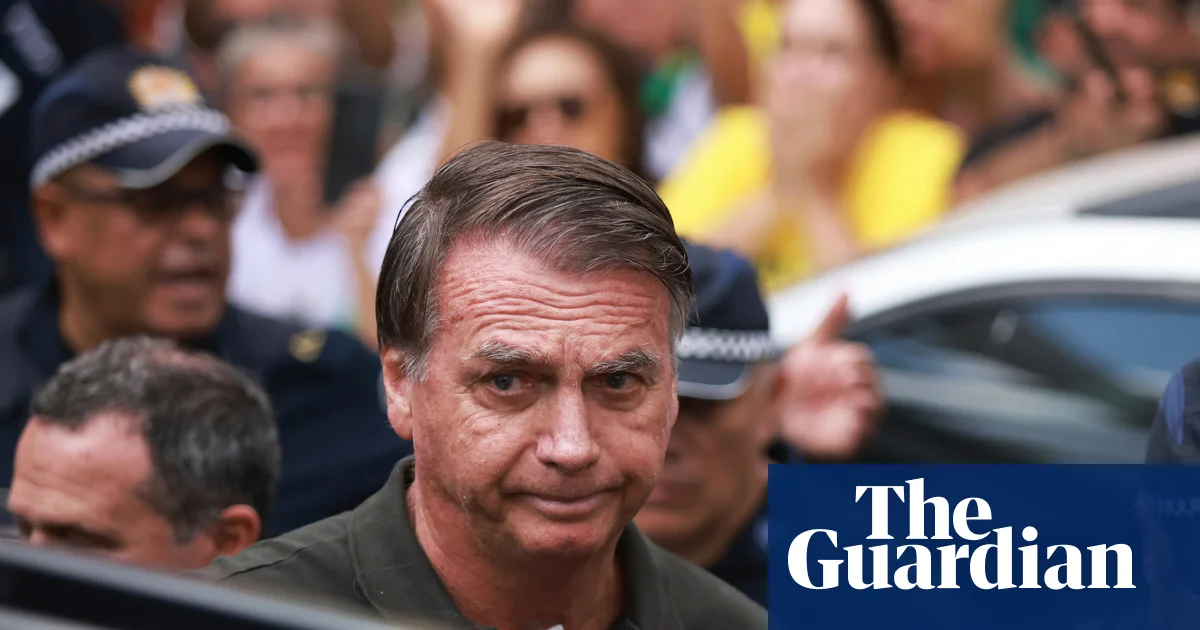
In a landmark decision that reverberates well beyond its borders, Brazil‘s Supreme Court has ordered that Jair Bolsonaro, the former president and a staunch right-wing figure, begin serving a prison sentence of 27 years and three months for allegedly orchestrating a coup conspiracy after his electoral defeat. Justice Alexandre de Moraes declared the case had reached its *final judgment*, leaving no room for appeals. This pivotal moment underscores a significant shift in Brazilian politics, signaling a firm move toward accountability amid heightened internal tensions.

The criminal proceedings stem from allegations that Bolsonaro led a conspiracy aimed at keeping him in power following his 2022 electoral loss to Luiz Inácio Lula da Silva. The former president, 70, was detained in Brasília and transferred from house detention to a federal detention center after authorities deemed him a flight risk. In a startling confession during a hearing, Bolsonaro admitted to attempting to open his ankle monitor, citing “medicine-induced paranoia” as a reason, but maintained his innocence and insisted he had no intention of fleeing. The court has ordered that Bolsonaro receive full-time medical care, highlighting concerns over his deteriorating health as seen through statements from his medical team. This development underscores how **legal and health issues intersect** in shaping Brazil’s political future—a nation at a crossroads where judicial decisions could determine the trajectory of democracy itself.

International analysts and historians have warned that Bolsonaro’s conviction marks a *turning point* in **Brazil’s** history, illustrating the state’s resolve to uphold constitutional order and prevent the rise of authoritarian elements. The trial also revealed that Bolsonaro had prior knowledge of assassination plots against Lula and other political figures, while plans to arrest and execute Supreme Court Justice Moraes were uncovered—culminating in the *failed attempt* to destabilize Brazil’s democratic institutions. Despite these *threatening developments*, the military did not support Bolsonaro’s plots, and Lula was inaugurated peacefully in January 2023, reaffirming the resilience of formal political processes.

The aftermath of the conspiracy was swift and stern: Bolsonaro and his alleged co-conspirators— including former security and defense officials— were ordered to serve sentences, effectively dismantling his influence. Furthermore, Bolsonaro has been barred from running for public office until 2060, a move seen as a decisive blow to his political resurgence. Bolsonaro dismisses the proceedings as a “witch hunt,” but the courts’ unwavering stance signals a broader message: **democratic institutions will be defended regardless of political rhetoric or influence**. As the world watches, the question remains whether this bold step will restore stability or deepen the continent’s ongoing political crisis.

History’s pen continues to inscribe an extraordinary chapter for **Brazil**, a nation grappling with the aftermath of political violence and the challenge of safeguarding democratic principles against the tides of radicalism. The narrative is still unfolding—an epic marked by courage, confrontation, and the relentless pursuit of justice. As the dust settles on Bolsonaro’s unprecedented fall from grace, nations across the globe remain alert to the *potential for ripple effects*—a warning that, in a world teetering on the edge, dedicated leaders and institutions must stand firm. The fate of **Brazil** and its place in the international order hangs in the balance, as history watches with bated breath.

Bolsonaro Ordered to Begin 27-Year Prison Term Over Brazil Coup Plot

Brazil’s Recent Verdict and Its Geopolitical Ripples

The recent sentencing of Jair Bolsonaro, Brazil’s former president, marks a significant milestone in the country’s troubled journey towards stabilizing its fragile democracy. After being convicted of conspiring to overthrow the elected government through a planned coup, Bolsonaro has been ordered to serve a 27-year prison sentence within the confines of a police base in Brasília. This development does not merely represent a judicial victory for Brazil’s judiciary, but it fundamentally alters the nation’s political landscape and signals the potential end of a populist chapter that many see as perilous for Latin America’s largest democracy.

As Brazil confronts its internal divisions, the decision by the Supreme Court, led by justice Alexandre de Moraes, to enforce Bolsonaro’s sentence follows a tumultuous period marked by conspiracy, failed assassination plots targeting Luiz Inácio Lula da Silva, and widespread political unrest. The plot—designed to eliminate Lula and his vice, Geraldo Alckmin—was thwarted with military leaders refusing to participate, reflecting the complex dynamics between civilian rule and military influence in Brazil. The court’s ruling underscores a clear message: political violence and sedition will be met with firm judicial resistance, a stance that resonates across the region, where instability remains a potent threat to democratic institutions.

How International and Domestic Forces Shape Brazil’s Future

This sentencing sends a powerful signal to both domestic and international audiences. Analysts from global organizations, such as the Inter-American Democratic Charter, warn that this development might inspire efforts to reinforce democratic norms amid populist crises across Latin America. However, Bolsonaro’s supporters continue to see him as a victim of what they label a “systematic witch-hunt,” and vow to persist despite his incarceration. Acts of defiance—small protests and social media campaigns—highlight the ongoing ideological battle that continues to shape Brazil’s political future. The decline in Bolsonaro’s popularity, as confirmed by recent polls indicating support waning to just 13%, indicates that the country might be moving away from the brink of further chaos. Yet, the deeply embedded divisions persist, with some factions still unyielding in their allegiance to his nationalist and anti-establishment rhetoric.

The international community watches with cautious interest as Brazil turns another page. In the broader context, the geopolitical impact of this event extends beyond Brazil’s borders. The election of Bolsonaro and his alignment with right-wing, populist movements had previously stirred concerns among regional allies and global powers wary of the erosion of democratic institutions. As Brazil distances itself from its populist past, the shift might signal a move toward greater stability, but also raises questions about the role of populist leaders in Latin America’s future trajectory. Historically, such moments serve as turning points—either toward renewed democratic consolidation or further exacerbation of partisan divides.

History in the Making

Despite efforts by Bolsonaro’s loyalists to rally opposition, the current landscape suggests a waning influence of his movement. The arrest and sentencing of key conspirators, coupled with the diminished enthusiasm among his base, paint a picture of a political era approaching closure. Nonetheless, the shadows of his legacy remain, alive in the memory of those who see him as a hero fighting against an unjust system. As history continues to unfold, the weight of this moment will be felt for generations as a defining chapter—an insurrection narrowly averted, and a fragile democracy still battling to find footing amidst the turbulence of populist extremism.

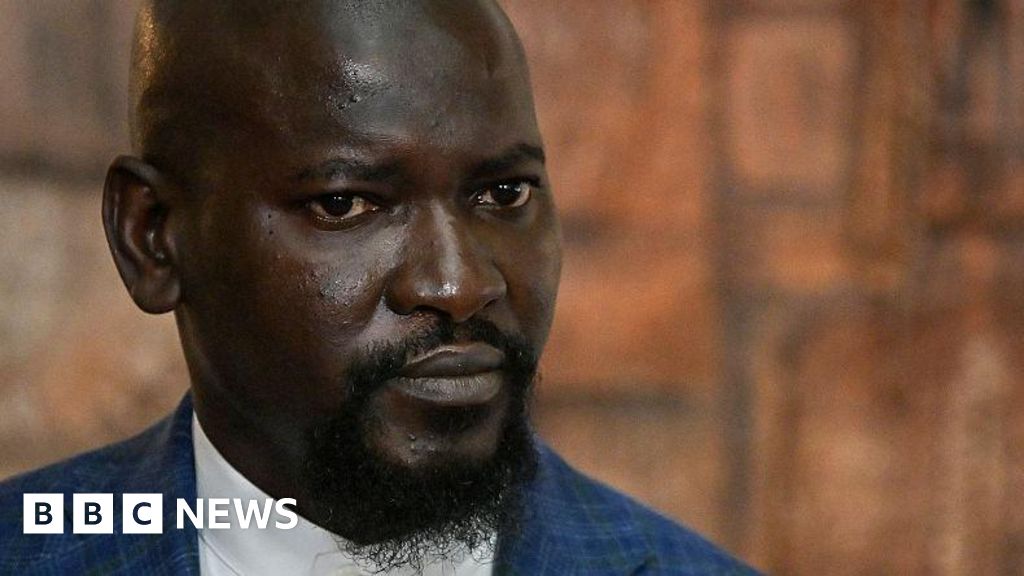
Coup chief Mamady Doumbouya officially Launches Bid for Guinea’s Presidency

In Guinea, a nation still reeling from recent upheavals, a pivotal moment is unfolding that could redefine the country’s future trajectory. The military commander Col Mamadi Doumbouya, who seized power in a coup four years ago, has shattered his earlier promise to facilitate a transition to civilian rule by announcing his candidacy for president. His submission at the Supreme Court, flanked by soldiers and cloaked in anonymity with sunglasses, raises profound questions about the political integrity of upcoming elections. This move not only signals a consolidation of military influence but also challenges longstanding international expectations for Guinea’s democratic processes.

Despite initial pledges to hand over power, Doumbouya’s decision to compete in December’s electoral contest underscores a pattern witnessed across parts of Africa where military regimes manipulate political systems amidst promising rhetoric. The exclusion of major opposition parties—such as RPG Arc en Ciel and UFDG—by electoral authorities further diminishes the legitimacy of these elections, fueling concerns from international watchdogs like the Economic Community of West African States (ECOWAS) and analysts who warn that these developments threaten regional stability. The situation exemplifies the rise of authoritarian tendencies under the guise of democratic transition, with critics emphasizing that Guinea’s political space is narrowing under the weight of authoritarian governance disguised as constitutional reform.

The electoral process itself has become a battleground for credibility, highlighted by a controversial deposit requirement of 875 million Guinean francs ($100,000), which many consider a barrier designed to limit political participation. While the previous deposit was nearly comparable, the increased financial threshold has sparked outrage among ordinary Guineans, who see it as an obstacle to genuine democratic contestation. Historically, African nations have wrestled with such manipulations—where economic hurdles serve as tools for entrenched elites to maintain power—yet the international community remains cautious in its response, wary of fueling instability. As historians and analysts observe, this election reflects a broader geopolitical trend: authoritarian strongmen cloaked in transactional democracy to insulate themselves from accountability and opposition.

Under Col Doumbouya‘s rule, Guinea has seen a crackdown on dissent—media outlets have been suspended, internet access restricted, and street protests violently suppressed. Such tactics evoke memories of how military regimes across Africa have often justified repression by citing the need to stabilize the nation and eradicate corruption, despite evidence to the contrary. Yet, the very justification used by Doumbouya—accusations of rampant corruption and human rights abuses under his predecessor—appears to be increasingly exploited as a pretext for consolidating power rather than as a genuine crusade for reform. The geopolitics of the region are sensitive, with neighboring powers and international organizations watching closely, wary of a possible slip into prolonged autocracy that could undermine regional security and economic stability.

As Guinea’s political theater prepares for this decisive chapter, history hangs in the balance, leaving the wider world to ponder: Will this election herald the dawn of renewed civilian governance, or will it serve as yet another chapter in Africa’s ongoing struggle with military entrenchment? The influence of veterans’ testimonies and regional diplomatic efforts emphasizes the necessity of vigilance, for in the shadows of this unfolding contest, the future of Guinea—and perhaps West Africa—may be decided not just by ballots, but by the enduring power of agreement, influence, and the weight of history-bearing decisions still to come.

Social Media Auto Publish Powered By : XYZScripts.com