Matox News

Truth Over Trends, always!

EU Ukraine Loan Deal Could Boost UK Economy if We Step Up to Help Cover Costs

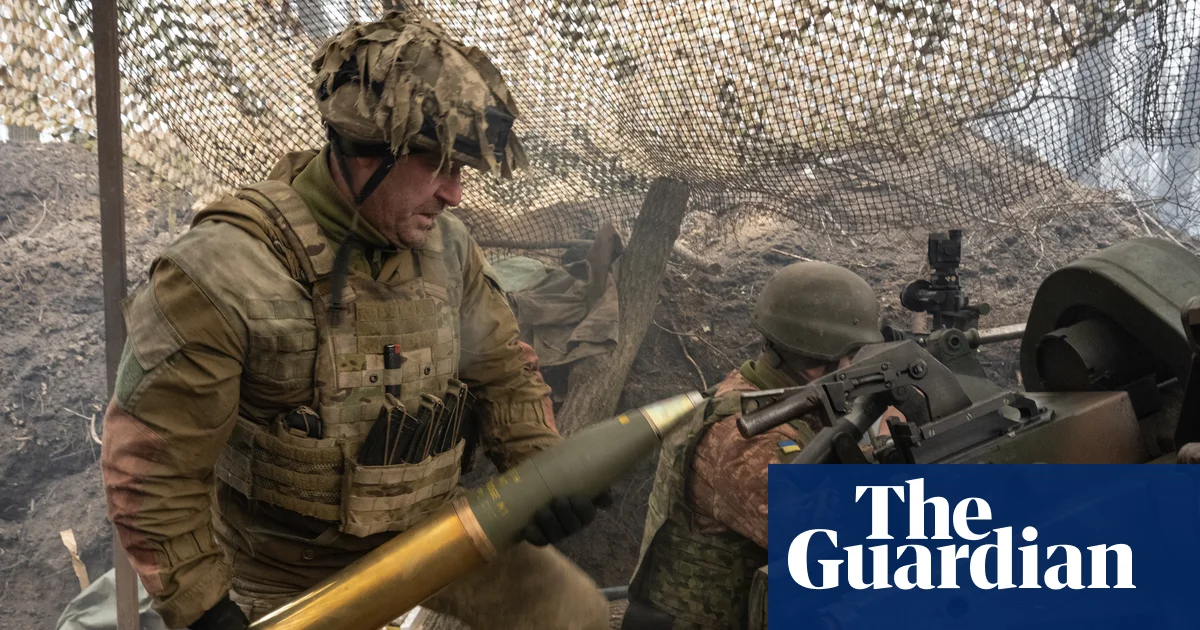
The European Union has reached a pivotal moment with the recent approval of a €90bn (£78bn) loan intended to sustain Ukraine amidst its ongoing conflict with Russia. This financial lifeline, approved by most EU member states through a process that involved 24 of 27 nations, signifies a strategic effort to bolster Kyiv’s defenses and economy during a period of grueling winter hardship and relentless Russian assaults. The loan, sourced from EU borrowing on international markets, underscores the bloc’s commitment to Ukraine’s sovereignty but also highlights the complex web of decisions and negotiations shaping Europe’s geopolitical posture.

The recent developments bear significant geopolitical impact, especially with the emerging role of the United Kingdom. Despite the UK’s official stance of limited involvement, the EU’s updated loan plan proposes a pragmatic compromise—allowing British firms to supply military equipment to Ukraine under a new clause that promotes a “fair and proportionate financial contribution” from the UK toward the costs of EU borrowing. This move reflects a deliberate diplomatic strategy to find common ground post-Brexit, as seen in the security and defense partnership signed last May, which aimed to reset relations and forge a collaborative front against shared threats. Analysts suggest that this phased approach to cooperation could be a stepping stone toward more substantive integration, particularly in defense realms that have historically been a source of divergence.

International organizations and geopolitical analysts have expressed cautious optimism. The European Commission and regional leaders view this loan as a crucial component in Kyiv’s broader strategy to sustain its military and civil infrastructure, especially as it faces the brutal realities of months of Russian strikes on energy and heating systems, leaving millions vulnerable during winter. The plan allocates €60bn specifically for Ukraine’s defense needs, allowing procurement from EU and closely associated countries such as Norway, with provisions permitting purchases from non-EU nations, including the United States, to ensure Ukraine access to advanced weaponry like Patriot missile systems. Such flexibility underscores the EU’s recognition that a united front in military support requires navigating complex international supply chains, often involving the UK and other allies.

However, the decision also carries a stark warning for the broader geopolitical landscape. The absence of a clear figure for the UK’s financial contribution raises questions about the future scope of post-Brexit cooperation and how far London is willing to go in sharing the burden of European security. Critics argue that piecemeal arrangements risk fragmenting the unity necessary to counter Russian aggression and could embolden adversaries observing European discord. Moreover, the EU’s reliance on borrowing to fund Kyiv’s support illustrates the fiscal challenges faced by the bloc, especially as some nations like Hungary, the Czech Republic, and Slovakia initially hesitated, underscoring the fragile consensus around this aid package. As EU lawmakers prepare to ratify the loan by April, the world watches with anticipation—knowing that these decisions may very well define the present epoch of European stability and independence. We stand at a crossroads where the weight of history exerts a profound influence, and the choices made today will echo through generations, shaping the continent’s destiny in ways still being written.


Interpol’s Tiger Trafficker Breaks Cover in India—Arrested by Authorities

In a landmark development in the ongoing battle against illegal wildlife trafficking, authorities in India have arrested Yangchen Lachungpa, one of the world’s most wanted traffickers of tiger body parts. Lachungpa’s detention marks a significant blow to transnational organized crime networks that have long exploited the lucrative black market for tiger parts, which are highly sought after in China and other parts of Asia. Her arrest, following a coordinated operation involving the Madhya Pradesh State Tiger Strike Force and the Wildlife Crime Control Bureau, underscores the international community’s increased resolve to combat poaching, especially in regions where local enforcement has historically been challenged by corruption and remoteness. As a key figure in a sprawling trafficking network connecting Nepal, Tibet, and Bhutan, Lachungpa’s capture reveals the extensive reach of these illegal operations and their impact on global biodiversity.

Wildlife officials have described her arrest as a major breakthrough, emphasizing that her role in orchestrating trafficking corridors out of India contributed significantly to the continued decline in tiger populations across Asia. It is rare for a woman to be captured in connection with such heinous crimes, making her detention even more noteworthy. Despite her previous arrest in 2017 and subsequent disappearance after bail, authorities remained persistent, and her recent re-arrest highlights the importance of international cooperation in wildlife conservation battles. The case also sheds light on the delicate balance between law enforcement efforts and geopolitical considerations, as traffickers like Lachungpa operate in jurisdictions where corruption and weak enforcement traditionally hinder justice.

The illegal trade of tiger parts, driven by demand in China, remains a significant threat to one of the world’s most iconic species. Tiger parts are used in traditional medicine and as symbols of status, fueling a lucrative black market that global organizations such as the International Fund for Animal Welfare have repeatedly condemned. In 2024, there were 26 documented cases of tiger poaching, an unsettling figure that shows this illicit trade persists despite global crackdowns. The previous year saw 56 cases—a stark indicator of the ongoing crisis. Such statistics compel international bodies and governments to act decisively, recognizing that wildlife trafficking is intertwined with broader issues of environmental degradation, illegal financing, and regional instability.

Historian and geopolitical analysts warn that how nations treat their wildlife resources reflects larger geopolitical shifts and societal priorities. As India demonstrates increased enforcement and international cooperation, it sends a message—the tide is turning against illegal trafficking networks. Yet, beneath this victory lies a sobering reminder: the fight against wildlife crime is ongoing, often more covert and complex than it appears. The arrest of Lachungpa serves as a reminder that these networks threaten not only biodiversity but also the social fabric of nations, where corruption and criminal enterprise threaten stability. As history continues to unfold, the world watches—knowing that the fate of remaining tiger populations now hinges on collective vigilance and unwavering resolve to confront this dark chapter in human stewardship. The path to saving these majestic creatures remains fraught with danger, but the lessons learned here may yet shape a future where species once pushed to the brink can survive against all odds.

Social Media Auto Publish Powered By : XYZScripts.com


