
Unveiling the Truth Behind Trump’s State of the Union Claims: A Critical Analysis
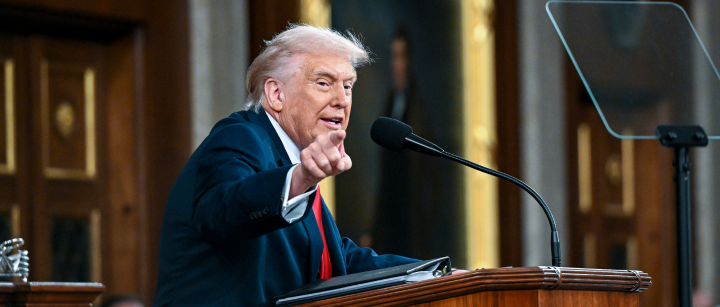
In his recent State of the Union address, former President Donald Trump proclaimed that “our nation is back, bigger, better, richer and stronger than ever before,” suggesting a triumphant resurgence of America’s economy, security, and global standing. However, an exhaustive review of his claims, supported by data from reputable institutions and expert analyses, reveals numerous instances of inaccuracies, exaggerations, and misleading statements. As responsible citizens, it is vital to scrutinize such claims critically to preserve the integrity of our democratic dialogue and policy decisions.
Economic Claims: Inherited Conditions and Current Performance
Trump asserted that he inherited “a stagnant economy” with “inflation at record levels” and that the nation was “a dead country” prior to his leadership. This is false. Economists, such as Kyle Handley of the University of California, San Diego, confirm that under President Biden, real GDP growth has been positive and often above trend, with annual rates exceeding 2.5% in recent years, even amid challenges like the COVID-19 recovery. Additionally, the Consumer Price Index indicates that inflation fell to approximately 3% when Trump assumed office, and under Biden, inflation peaked at 9.1% but has since declined to about 2.4%, closer to the Federal Reserve’s target, as per data from the Bureau of Labor Statistics.
Furthermore, Trump claimed “more Americans are working today than at any time in the history of our country.” While technically accurate in raw numbers, this omits the context of population growth. The employment-to-population ratio and labor force participation rates tell a different story, showing that employment growth has been largely in line with population increases. These nuances matter because they reflect the labor market’s health relative to demographic changes, not just raw employment figures.
Foreign Policy and Security: Overstatements and Misrepresentations
Trump’s boast that he “ended eight wars” misleads. Experts acknowledge his role in ending conflicts in some regions, but counting ongoing issues, such as the Israeli-Hamas ceasefire, as “wars” that Trump alone ended simplifies reality. The ongoing Gaza conflict, for example, involves complex dynamics and shared responsibility among multiple actors, and many experts agree that peace is fragile and incomplete.
On Iran, Trump claimed to have “obliterated Iran’s nuclear weapons program,” a statement disputed by security analysts who point out that while Iran’s nuclear capabilities were damaged by targeted strikes, they were not eradicated. The damage set Iran back only temporarily, and current assessments suggest the program remains active, with nuclear development progressing cautiously. Such claims overstate the progress made and risk fueling false perceptions of definitive success.
Domestic Policy: Promises and Realities
Regarding domestic issues like drug prices, Trump claimed that Americans now pay “the lowest price anywhere in the world for drugs.” This claim is misleading. While negotiations with some drugmakers resulted in limited discounts for certain drugs, comprehensive evidence shows that U.S. drug prices remain high relative to other countries. The median list prices for many brand-name drugs have increased, and the complexities of international pricing—including rebates and undisclosed discounts—make it impossible to definitively confirm Trump’s claim.
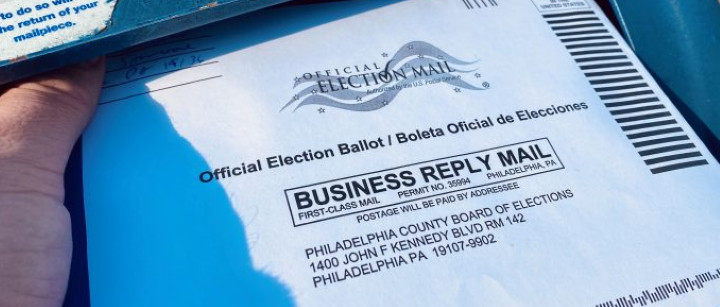
On election security, Trump consistently insists that “cheating is rampant” and that widespread voter fraud exists. This is unsupported by evidence. Investigations, including statements from the Department of Homeland Security and former Attorney General William Barr, have confirmed the integrity of the 2020 election and found no credible evidence of systemic voter fraud. Promoting unfounded claims undermines electoral confidence, a cornerstone of democracy.
Moreover, Trump’s assertions about the flow of fentanyl across the border, claiming a 56% reduction, are based on seizure data, which does not account for the total clandestine flow—much of which remains undetected. Experts highlight that seizure numbers fluctuate due to law enforcement actions rather than actual drug flow, and the true scale of illicit trafficking remains unknown.
Conclusion: The Prime Responsibility of Truth in Democracy
Our review demonstrates that President Trump’s claims, while often presented confidently, are frequently exaggerated, misleading, or unsupported by objective data. Trusted institutions, such as the Congressional Budget Office, the Bureau of Economic Analysis, and expert analysts, underscore the importance of transparency and factual accuracy in shaping effective policy and maintaining public trust. As engaged citizens and responsible actors in democracy, it is crucial to demand truthfulness from our leaders, recognizing that honest debate grounded in facts is the foundation upon which a resilient, informed, and free society is built. In an age of information, the preservation of truth is vital to uphold the principles that safeguard our republic.