Matox News

Truth Over Trends, always!

Indonesia plans crackdown: banning social media for under 16s to protect the youth

In a move that signals a significant shift in the global digital landscape, Indonesia has announced an unprecedented plan to restrict access to major social media platforms for minors. Platforms such as YouTube, TikTok, Facebook, Instagram, Threads, X, Bigo Live, and Roblox are poised to face new age-based limitations, marking what officials describe as a pioneering effort among non-Western nations. This decision underscores a broader trend of emerging economies asserting greater control over digital spaces within their borders, blending concerns over cultural sovereignty with national security.

According to Hafid, Indonesia’s digital minister, the proposed ban will commence with platforms popular among youth, effectively delaying children’s access based on age. The cryptic phrase that Indonesia will become “the first non-Western country to delay children’s access to digital spaces according to age” highlights an emerging global realignment of digital sovereignty, contrasting with the laissez-faire approach traditionally championed by Western digital giants. The move is not only about safeguarding societal values but also about asserting sovereignty in an era where technology has often outpaced regulatory frameworks—and where Western standards of digital freedom face mounting scrutiny outside of their home regions.

International analysts and historians see this as a critical turning point. Several experts suggest that U.S.-led Silicon Valley giants must reckon with increasing geopolitical pressure, especially from nations eager to craft digital policies aligned with their cultural and security priorities. Organizations such as the International Telecommunication Union and the World Economic Forum have long debated how to harmonize technological innovation with national interests. Yet, Indonesia’s stance signals a departure from the global consensus on open access, emphasizing instead a cautious, states’ rights-oriented approach that could ripple across developing nations. This burgeoning trend hints at a future where digital sovereignty becomes a key front in geopolitical conflicts, with nations reclaiming control over their digital borders.

As the world watches, the decision holds ramifications far beyond Indonesia’s borders. How other nations respond will shape the next chapter in the ongoing struggle between global technology giants and sovereign states. The move also raises profound questions about the societal impact on youth—who, in a world increasingly driven by digital engagement, may find their access to information and opportunity curtailed or manipulated by state interests. The debate is now as much about cultural preservation as it is about technological control. With each policy shift, history continues to be written—an unfolding narrative of power, identity, and the incessant pursuit of sovereignty in a borderless digital age. As Indonesia boldly asserts its domestic authority over the digital realm, the geopolitical stage is set for a new era—one where nations must navigate the treacherous waters of global digital influence, with history awaiting their next move.

Anthropic takes DOD to court over supply chain crackdown

Anthropic Challenges Pentagon’s AI Supply Chain Risk Designation: Disruption at the Heart of National Security Tech

The AI landscape is witnessing a consequential clash between innovation, government regulation, and national security interests, as Anthropic, a leading AI firm founded by former OpenAI researchers, announces plans to contest the Department of Defense’s recent classification of the company as a “supply chain risk.” This move underscores the growing tension between emerging AI capabilities and entrenched military policies, with profound implications for disruption in defense technology procurement and strategic autonomy.

According to Dario Amodei, Anthropic’s CEO, the designation is not only legally unsound but also threatens the firm’s core operations and innovation pipeline. Amodei emphasized that most of Anthropic’s customer base remains unaffected, asserting, “the risk designation applies only to AI use within specific Department of War contracts.” This nuanced distinction highlights the industry-wide challenge of balancing government oversight with evolving AI innovation—a challenge that, if unresolved, could stifle private sector endeavors in critical technology sectors. The legal contest aims to redefine the scope of government-mandated restrictions, potentially setting a precedent for other AI firms eager to innovate while navigating complex military oversight.

The contentious issue revolves around how much control the Pentagon seeks over AI systems. The department advocates for unrestricted access to AI tools for “all lawful purposes,” including potentially mass surveillance and autonomous weaponry, which opponents like Anthropic argue contravene fundamental rights and ethical standards. The controversy surrounding Anthropic’s leaked internal memo, in which CEO Amodei criticized OpenAI’s cooperation with the Defense Department as “safety theater,” signals a broader industry debate over security, ethics, and the military’s role in shaping AI standards. This discord reveals an industry at a crossroads—where safeguarding innovation from intrusive regulations is becoming increasingly urgent to maintain competitive advantage and technological sovereignty.

The complexities extend beyond legal and ethical kerfuffles: business implications are profound. With the Pentagon shifting its support to OpenAI—signing a major deal to replace Anthropic—industry insiders warn that government contracts will increasingly favor firms aligned with national security priorities. As noted by analysts from Gartner and MIT, “companies that can demonstrate robust security and compliance protocols will likely dominate defense-related AI markets,” emphasizing that disruption in government partnerships could redefine industry leadership. Meanwhile, Anthropic’s commitment to continue supporting U.S. military operations “at nominal cost” underscores the importance of agility and resilience in a landscape where futures are determined by legal battles and strategic alliances.

Looking forward, the implications extend beyond the U.S. borders. Emerging markets and global competitors are closely watching these developments, recognizing that the enforcement—and potential loosening—of such regulatory policies could shape the global AI arms race. Leading voices like Elon Musk and Peter Thiel warn that “regulatory overreach” risks throttling innovation at a time when technological supremacy may determine geopolitical dominance. The industry stands at a pivotal juncture where the challenges of embedding ethical oversight into disruptive AI systems are surging alongside the race to dominate the next era of warfare and economic power. For stakeholders across tech, defense, and policy realms, the urgency is clear: more than ever, strategic agility and innovation-driven disruption are essential to shape a future where AI not only advances prosperity but also secures national sovereignty amidst rising global rivalry.

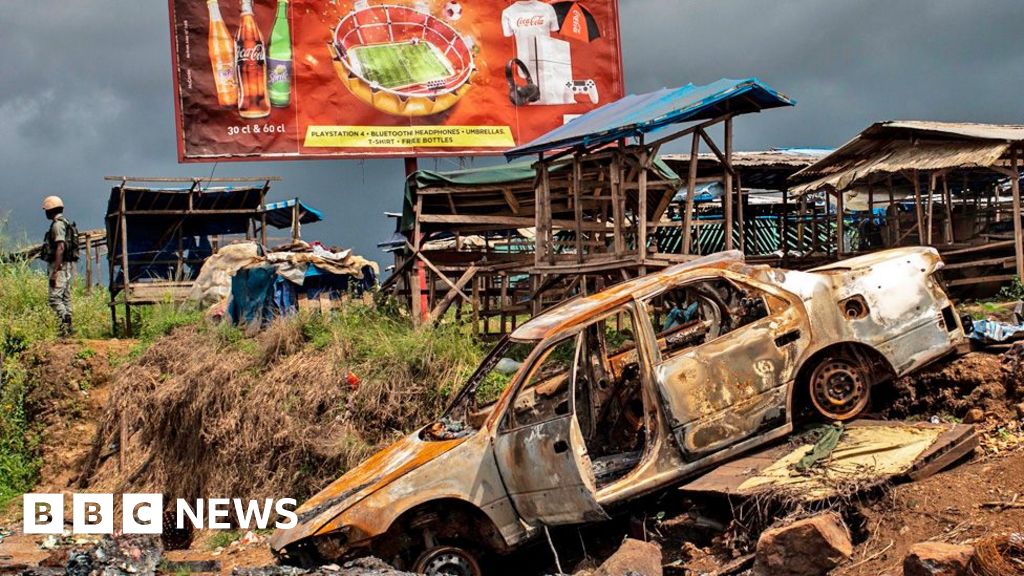
Belgium arrests three suspected Cameroon separatists in crackdown on war crimes

In recent developments, international authorities have uncovered allegations that various entities, believed to be connected to clandestine networks, are actively raising funds to sustain an armed struggle. Prosecutors from multiple jurisdictions have documented evidence suggesting that these groups are mobilizing financial resources to support ongoing conflicts, which bear significant implications for regional stability and global security. The international community watches with mounting concern, recognizing that such activities threaten to destabilize fragile peace accords and revive entrenched conflicts.

The strategic ramifications of this financial mobilization are profound. Analysts and historians warn that funding for armed conflicts tends to escalate violence, prolonging chaos and undermining diplomatic efforts. While some argue that these groups claim to fight for ideological or territorial goals, the undeniable consequence is the erosion of sovereign stability in the affected regions. Institutions like the United Nations have called for heightened vigilance and coordinated international action. Their recent reports emphasize that unchecked financial flows extend the life of conflicts, complicate ceasefire agreements, and deepen humanitarian crises.

From a geopolitical perspective, nations directly involved or neighboring conflict zones are likely to experience ripple effects that threaten their security. Various countries may be compelled to increase military spending, tighten border controls, and scrutinize financial transactions—actions that often strain diplomatic relations and stretch national resources. Moreover, the funding networks may intertwine with illicit activities such as trafficking, arms smuggling, and money laundering, further complicating the task of law enforcement agencies globally. International organizations, including Interpol and regional security alliances, are already intensifying efforts to trace and dismantle these financial pipelines, yet the challenge remains formidable.

As the world faces these mounting tensions, some voices in the diplomatic and strategic communities underscore that the decisions made today will define the trajectory of regional and global peace. Underlying conflicts are rarely purely ideological; they are fueled by economic interests, local grievances, and international power play. Historical lessons from the 20th century warn that unchecked financing of armed groups can spiral into protracted conflicts that devastate societies and derail progress. As world leaders grapple with these realities, the narrative of history is still being written—where the choices for peace or further chaos hang delicately in the balance. Yet, one thing remains certain: the weight of the future is now in the hands of those who control the flow of money and power.

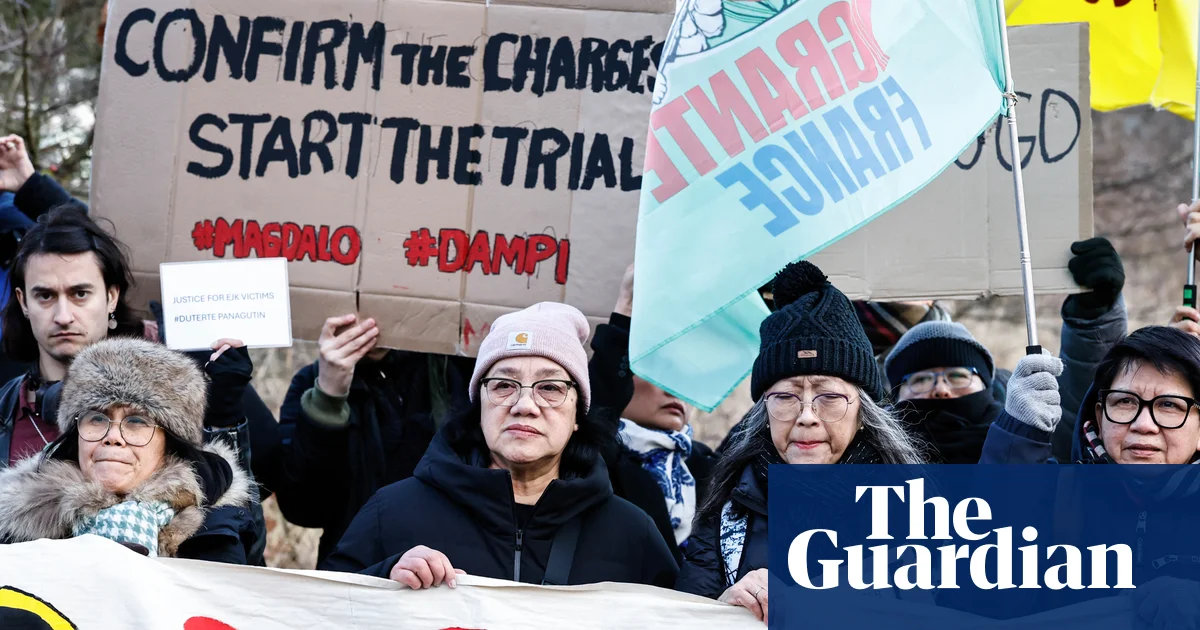
ICC Policeman: Duterte’s Firm Hand at the Core of Philippines’ Drug Crackdown

International Court Begins Proceedings Against Former Philippine President Duterte Over ‘War on Drugs’

The International Criminal Court (ICC) has initiated a groundbreaking step in international justice, setting the stage for a historic trial of Rodrigo Duterte, the former leader of the Philippines. Accused of crimes against humanity stemming from his brutal anti-drugs campaign, Duterte’s case underscores a significant international reckoning with a controversial method of law enforcement that claimed tens of thousands of lives. Prosecutors allege that during his presidency from 2016 to 2022, Duterte wielded ultimate authority—orchestrating a policy that turned the nation into a battleground of violence, with a genocide-like campaign targeted at the urban poor.

This high-profile move highlights the escalating role of the ICC in addressing domestic atrocities by powerful leaders. Prosecutors, led by ICC Deputy Prosecutor Mame Mandiaye Niang, have presented a compelling case that Duterte was “at the very heart” of a systematically lethal campaign. The accusations include 49 incidents involving 78 victims of murder and attempted murder, with allegations that these are merely fragments of the broader “war on drugs” that saw between 12,000 and 30,000 civilians killed. These figures, reported by analysts and human rights advocates, reflect what many view as a gross violation of international human rights norms. The case also exposes how state-sponsored violence directly affected societal stability, especially among marginalized populations.

While Duterte continues to deny the charges, asserting his ailing health and frailty as reasons for his absence at the pre-trial hearing, victims’ families and international observers see this as cowardice in the face of justice. The court proceedings serve not only as a legal process but also as a powerful symbol of accountability—challenging the impunity often enjoyed by autocrats. Experts like historian Mark Twain and political analysts warn that international standards are evolving, and leaders wielding authoritarian tactics are increasingly vulnerable to prosecution. The court’s role in this process signifies a broader shift towards upholding justice, even for those at the highest levels of power—an essential development in holding leaders accountable for crimes committed in the name of law.

Amidst the legal battles and fierce courtroom debates, the broader geopolitical impact cannot be overstated. Duterte’s case resonates beyond the Philippines, reinforcing a global message: no ruler is above international law. The international community, divided yet gradually unified, faces a critical choice—permit violence and impunity to flourish or stand for justice and human dignity. The proceedings at The Hague evoke echoes of historic trials, reminding the world that the weight of history depends on whether nations embrace accountability or let its dark chapters remain unaddressed. As the case unfolds, it leaves a haunting question—how many more voices will be silenced before the tide of justice finally turns?

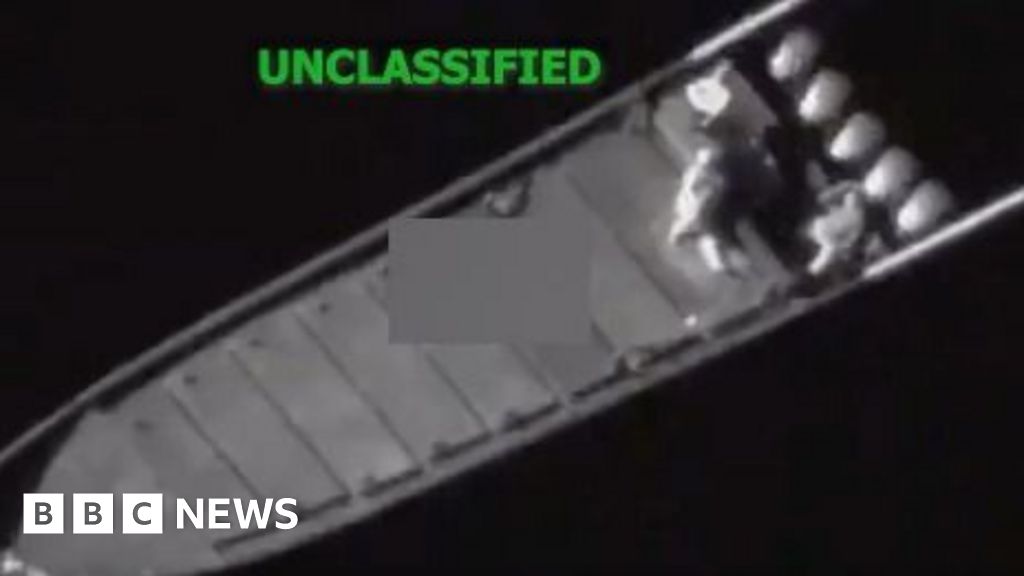
US military: 11 killed in strikes on suspected drug boats—tough crackdown continues

In recent months, a disturbing wave of violence has emerged across parts of Central and South America, with reports indicating that more than 130 individuals have been killed in supposed “narco-trafficking operations” allegedly spearheaded by the United States. These actions, which have been characterized by some analysts as aggressive counter-narcotics campaigns, are raising serious questions about their legal, ethical, and geopolitical implications. The toll on local communities and political stability underscores a critical juncture for regional sovereignty and international law.

International observers and regional authorities are divided in their responses. While some praise the efforts to combat drug cartels that threaten societal order, others caution against the overreach of foreign military and law enforcement agencies that risk violating national sovereignty. According to renowned geopolitical analysts, these operations could serve to destabilize governments, exacerbate existing violence, and foster anti-American sentiment that may ripple throughout Latin America. The U.S. government asserts that its actions are necessary to dismantle powerful criminal networks, yet critics argue this approach often results in unintended humanitarian consequences and undermines local legal processes.

From a broader perspective, the geopolitical impact of this escalation extends beyond regional borders. By engaging in aggressive anti-drug campaigns, the United States may be unintentionally fueling a narrative of interventionism that hampers diplomatic relationships with other emerging powers, such as China and Russia. International organizations like the United Nations have called for a *comprehensive, multilateral approach* to narcotics control—yet, many argue that unilateral military actions, cloaked as anti-drug efforts, undermine the very foundations of international cooperation. Historically, such strategies have often led to a cycle of violence and instability, revealing the inherent risks of substituting diplomatic solutions with force.

As histories of past conflicts remind us, the true turning point lies in understanding the complex socio-economic roots of narcotics trafficking and addressing them through sustainable development and law enforcement reforms. The growing death toll and accusations of extrajudicial killings serve as a stark warning: the pursuit of a drug-free society cannot justify disregarding human rights or sovereignty. Nations across the world watch eagerly, aware that each decision made today could shape the future stability of entire regions. The story of these violence-laden campaigns is still unwritten, yet its current chapters echo through halls of international authority—a testament to the enduring, often tragic, struggle of nations to forge peace amid chaos and to define their destiny amid the shadows of unresolved conflicts.

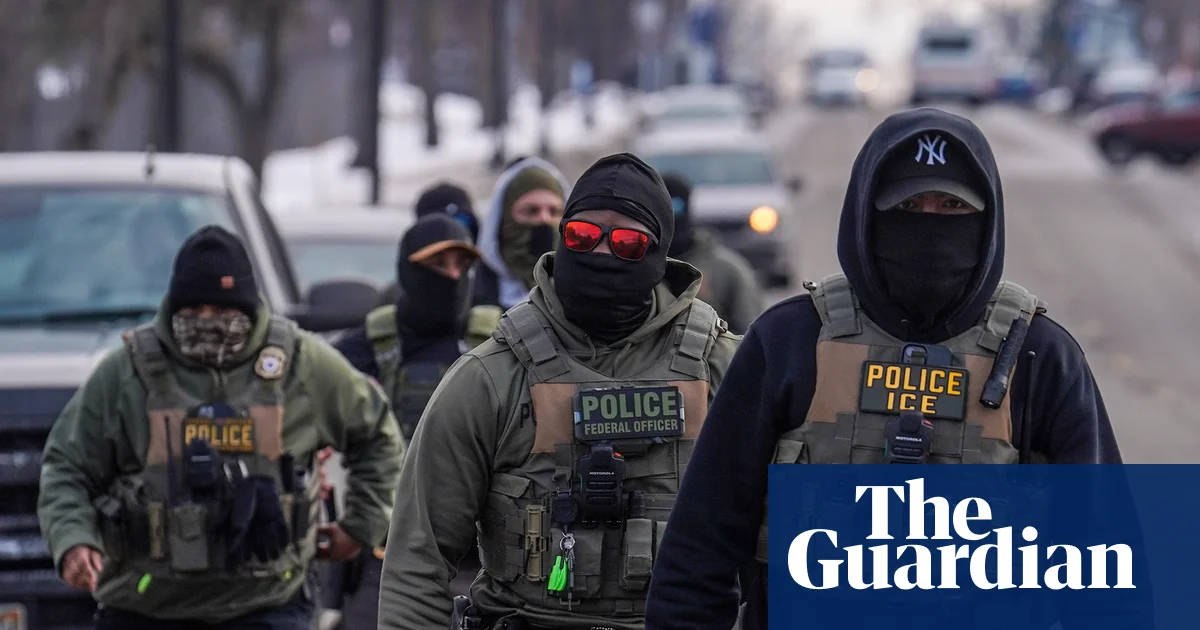
US Border Official: Immigration Crackdown in Minnesota Will Wrap Up

The recent withdrawal of federal immigration enforcement operations in Minnesota marks a decisive moment in the ongoing struggle between the federal government and local communities over immigration policy. Under the leadership of President Donald Trump, the U.S. Department of Homeland Security initially launched an aggressive crackdown in the state, aiming to tighten border security and curtail illegal entry. However, the operation resulted in tragic consequences, including the deaths of two U.S. citizens, mass detentions, and widespread protests—highlighting the deep tensions surrounding immigration enforcement today. Such policies are not merely internal issues; they have profound geopolitical repercussions that ripple well beyond America’s borders, influencing international perceptions of U.S. commitment to law and order.

As Tom Homan, the acting border czar, announced a significant drawdown earlier this week, the move signals a shift—albeit cautiously cautiously—toward a more pragmatic approach that seeks to restore community trust while maintaining enforcement priorities. Officials in Minnesota, including Democratic governor Tim Walz and Minneapolis mayor Jacob Frey—both openly critical of the crackdown—expressed cautious optimism. Mayor Frey highlighted the resilience of local communities in the face of what he called an “occupation,” asserting that “a love for our neighbors” and a sense of American patriotism will guide their recovery. Yet, amidst this internal political debate, the broader geopolitical impact remains stark: U.S. immigration enforcement is a matter of national sovereignty, influencing international allies and adversaries alike, especially in an era of rising global migration crises and regional conflicts.

Historians and analysts warn that the current trajectory could set a dangerous precedent for how the U.S. handles its borders and internal security. Organizations like the International Organization for Migration and security experts have pointed out that such policies often fuel global instability, as neighboring countries observe the U.S. retreating from its international commitments. Meanwhile, China and Russia watch carefully—assessing whether U.S. internal divisions weaken its global influence or present opportunities to expand their own spheres. The policy of mass deportations, touted yet again by Homan, underscores an unwavering commitment to “public safety,” yet critics argue that excessive enforcement can exacerbate societal divisions and undermine diplomatic credibility, especially as the U.S. seeks alliances in regions vulnerable to upheaval.

Ultimately, the unfolding story in Minnesota is but a chapter in the larger saga of a superpower grappling with its fractured identity. As Trump’s administration doubles down on its hardline stance, the world watches—wondering whether the United States can reconcile its values of freedom and order amidst a climate of upheaval. The decision to draw down agents, to focus on public safety, and to acknowledge the costs of previous tactics raises questions about the future of U.S. immigration policy. Will the nation find a sustainable balance, or will it descend further into internal chaos and global irrelevance? The answer is still unwritten, hanging like a shadow over history’s relentless march forward—an enduring, haunting question that history will either vindicate or condemn.

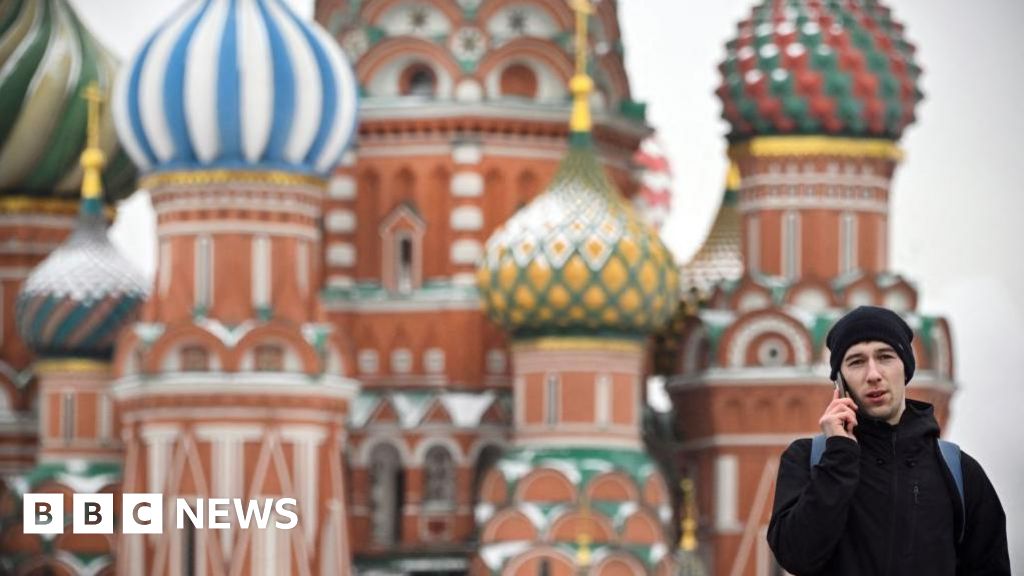
Russia clamps down: WhatsApp blocked amid messaging crackdown

Global Implications of Nation-State Internet Censorship: A Closer Look at Recent Digital Suppression

In a move that underscores the escalating tension between national sovereignty and the unchecked influence of global digital platforms, an unnamed country has significantly increased its control over the online domain landscape. Reports indicate that 13 prominent resources—including YouTube, Facebook, WhatsApp Web, Instagram, the BBC, and Deutsche Welle—have been systematically removed from the National System of Domain Names (NSDI). This act marks a decisive shift towards digital sovereignty, with profound implications for global information flow and individual freedoms.

Observers and analysts highlight that, since these sites’ removal, access is now only possible via a virtual private network (VPN), effectively sealing off the country’s population from the global digital commons. This scenario echoes Cold War-era censorship but now manifests in the modern era’s digital battleground, symbolizing a strategic move to control information and shape perceptions within borders while isolating citizens from international viewpoints. Several independent cybersecurity experts warn that such measures not only hinder citizens’ ability to access international news and social networks but also set a dangerous precedent for digital authoritarianism. By restricting access to platforms like the BBC and Deutsche Welle, which are known for their independent reporting, the ruling regime signals its intent to monopolize information and deter dissent.

Geopolitical Ripple Effects and the Role of Global Institutions

Leading international organizations, including the United Nations and the International Telecommunication Union (ITU), are now under increased scrutiny, as their previous calls for open internet access clash with rising nationalistic pursuits. Historians and geopolitical analysts warn that such censorship acts threaten the delicate balance of international digital cooperation established in post-Cold War decades. When a country isolates itself in cyberspace, it not only diminishes its citizens’ access to global economic opportunities but also risks alienating itself from the collective effort to combat transnational cyber threats.

The geopolitical impact extends beyond individual nations’ borders. Regions with restrictive internet policies risk deepening divides, fueling distrust, and fostering a digital “firmament” that could culminate in a bifurcated world order—one where Western-led norms of open communication coexist with increasingly isolated, national-controlled digital spheres. The warnings from international cybersecurity agencies suggest these developments might embolden other regimes contemplating similar measures, thereby threatening the freedom of information that has underpinned modern democracies.

How Decisions Shape Societies and Future Trajectories

This strategic digital isolation is not merely a matter of technical control but a reflection of broader societal shifts. As social media platforms serve as modern town squares, governments that control access to these spaces directly influence public discourse and social cohesion. The removal of sites like Facebook or Instagram reduces opportunities for civic engagement, especially among youth, who increasingly depend on these avenues for information and activism. Such actions could lead to increased societal polarization and hamper the development of informed citizenry vital for democratic resilience.

International experts warn of the long-term consequences, emphasizing that decisions made now will shape generations. Were this trend to deepen, it could pave the way for digital enclaves—pockets of internet where only state-approved narratives flourish. The danger lies not only in censorship but in the systematic suppression of dissent, ideas, and innovation. As nations grapple with this new reality, the prospects for a free, interconnected world appear increasingly strained, leaving the echoes of history—once peaceful digital exchanges—shattered by authoritarian ambitions.

In the unfolding narrative of the 21st century’s geopolitical theater, the question remains: who will control the digital future, and at what cost for human liberty? The weight of history presses on, as nations continue their silent, yet decisive, moves to define the boundaries of freedom in an era where information is both a weapon and a right. The outcome of this digital clash will indelibly mark the tapestry of international relations, shaping societies and influencing the very fabric of global civilization for decades to come.

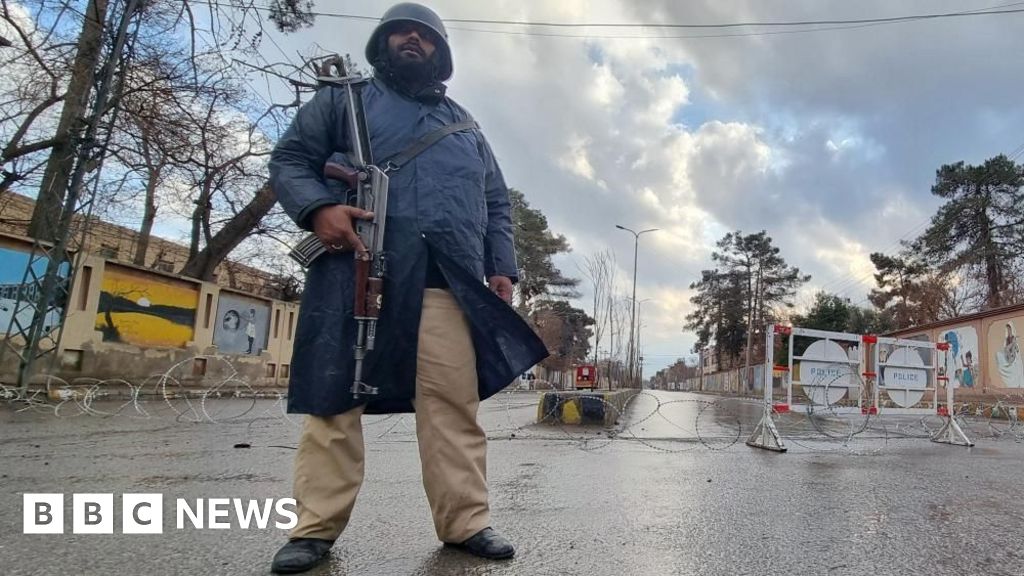
Pakistan Military claims destruction of 92 militants in Balochistan crackdown

The recent wave of militant violence in Pakistan has ignited alarm across the international community, revealing an escalating security crisis that threatens regional stability. According to reports, a brutal series of attacks has claimed the lives of at least 15 security personnel and 18 civilians, with militants launching coordinated assaults across multiple cities within the province. These violent episodes underscore the persistent challenge Pakistan faces from extremist factions that continue to operate with reckless abandon, exploiting vulnerable security conditions and expanding their influence amid ongoing political and economic turbulence.

Analysts and international security experts have expressed concern over the rising complexity and frequency of militant operations across Pakistan’s urban centers. The attacks, characterized by strategically timed assaults on military outposts, public spaces, and government buildings, demonstrate a disturbing level of planning and coordination. Historians contextualize these events as part of a long-standing pattern of insurgency fueled by regional rivalries, ideological extremism, and unresolved socio-political grievances. The situation has prompted calls from organizations such as the United Nations for greater regional cooperation to counteract militant networks that often operate with impunity along porous borders, especially attaching to Afghanistan’s unstable terrain.

The geopolitical impact of this violence extends beyond Pakistan’s borders. As a nuclear-armed nation, its internal security directly influences the stability of South Asia and the broader Indo-Pacific region. India has long maintained that Pakistan’s assistance in counter-terrorism efforts remains inadequate, blaming Islamabad for harboring militant groups that threaten regional peace. Meanwhile, the United States and allied Western nations continue to monitor the situation closely, although geopolitical priorities shift amid rising tensions with China and Russia. The stability of Pakistan, which is a critical player in the global fight against terrorism, depends heavily on internal security and the capacity of its government to suppress extremist elements and restore order.

This ongoing turmoil underscores a pivotal turning point: the fragile balance between combating militant insurgencies and maintaining civil authority. Critics argue that current policies are insufficient and that broader reforms—ranging from military measures to socio-economic development—are urgently needed. The stability of Pakistan is intricately linked with international security; a failure to contain the insurgents will only deepen regional conflicts and embolden terrorist networks, risking a broader chain reaction of instability. As history continues to unfold, nations stand at a crucial crossroads – one that could determine whether the region slides into further chaos or finds a path toward renewed stability. For now, the specter of violence persists, serving as a stark reminder that the fight against extremism is far from over, and the world must remain vigilant as the storm of instability continues to swell on the horizon.

Iran Youth Speak Out on Personal Heartache Amid Crackdown

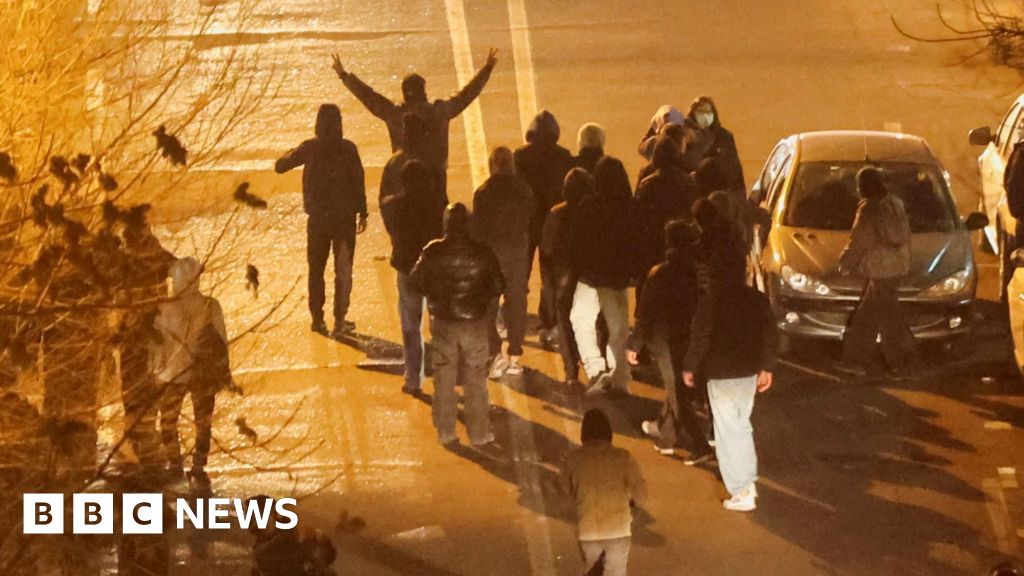
Iranian Unrest: A Nation in Turmoil

The Islamic Republic of Iran finds itself engulfed in one of the most intense waves of anti-government protests in its modern history. What initially began as a response to economic hardship has quickly evolved into a broader movement calling for fundamental political change. The protests, sparked in late December, have shown an unprecedented level of resilience among Iran’s youth, and their scale suggests an erosion of the regime’s longstanding grip on power. With reports of over 6,000 confirmed deaths—collated by human rights organizations—these events will undoubtedly reverberate across Middle Eastern geopolitics and challenge the narrative of stability traditionally promoted by Tehran’s leadership.

Violence on the Streets and Suppression Tactics

Eyewitness accounts and verified footage attest to the brutal response from Iranian security forces. Reports of security personnel firing live ammunition at protesters with impunity paint a harrowing picture of state repression, which includes the use of pellet guns targeting faces, eyes, and heads of demonstrators. One eyewitness, Parham, described how friends and fellow protesters were victims of targeted violence—some shot in the forehead or eye—resulting in several casualties. The government insists that most of the 3,100 reported deaths involve rioters and security personnel, but eyewitness testimonies and medical reports suggest a different story. As protesters organize despite a near-total internet shutdown, the urban battlegrounds resemble scenes from a conflict zone, stirring fears of a nationwide crackdown that could threaten Iran’s internal stability.

International and Geopolitical Ramifications

The fate of these protests holds significant geopolitical impact. Both Western nations and regional actors are watching closely, aware that regime stability in Tehran affects regional security, energy markets, and the balance of power in the Gulf. While U.S. policymakers and human rights advocates call for accountability, Tehran accuses foreign agents of fomenting chaos, framing the unrest as U.S.-backed riots. Such narratives, disseminated through state-controlled media, aim to legitimize the crackdown and rally nationalist sentiments. Historians like Professor Sarah Johnson warn that suppressing such mass dissent could deepen Iran’s reputation as a pariah state, potentially fueling further instability and driving a wedge between Iran and its neighboring countries.

The Struggle for Truth and the Human Toll

The personal toll of the unrest is staggering. Families are being coerced—forced to pay large sums or falsely record their loved ones as security personnel—an attempt to obscure the real death toll and punish grieving relatives. Survivors like Sina, who bears pellets in his eyes, highlight the brutal physical toll exacted by Iran’s security apparatus, which has used live fire and pellet guns indiscriminately. Reports from medical facilities confirm widespread injuries and trauma, with hospitals overwhelmed by victims of violence. Amid this chaos, the international community faces a dilemma: uphold human rights standards or accept Iran’s narrative of unrest as a foreign conspiracy. As history unfolds, it remains to be seen whether the voices of Iran’s youth and the suffering families will be heard or drowned out by the regime’s heavy-handed tactics.

The End of Silence or the Calm Before the Storm?

As the world stands on the precipice, pondering the significance of this upheaval, history reminds us that such moments are rarely fleeting. With each passing day, the sovereignty of Iran is being tested, and the trajectory of its future hangs in a delicate balance—one that will define the course of the Middle East for decades to come. Will Iran’s leaders tighten their grip, or will the indomitable spirit of its youth ignite a new chapter of reform? The answer is yet to be written, echoing through the corridors of history, with the weight of countless lives and the destiny of a nation hanging in the balance.

Hong Kong tycoon convicted in major national security crackdown, signaling tough stance on dissent

Hong Kong’s Jimmy Lai Conviction Marks a Turning Point in Global Geopolitics

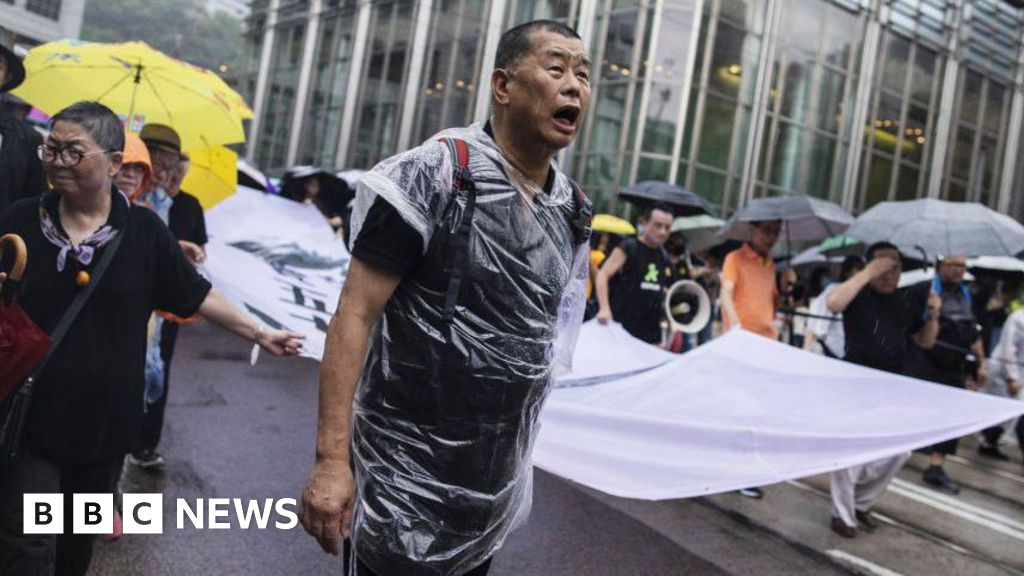
The recent verdict against Jimmy Lai, the famed Hong Kong pro-democracy activist and media tycoon, signals a profound escalation in the ongoing struggle over the city’s future and the broader battle for influence between China and the West. Found guilty of colluding with foreign forces under the city’s controversial national security law (NSL), Lai’s conviction reverberates far beyond Hong Kong’s borders, serving as a stark warning to dissenters and a testament to Beijing’s unwavering commitment to tightening its grip on the former British colony.

This legal action, which many scholars and analysts are calling a turning point in judicial independence, exemplifies how Beijing is actively rewriting the rules of engagement within the region. The U.S. and UK, long advocates for civil liberties in Hong Kong, condemned Lai’s trial as an example of “politically motivated persecution,” emphasizing that his conviction was motivated not by justice but by China’s desire to silence anyone daring to challenge Communist Party authority. International watchdogs, including Human Rights Watch, have asserted that the NSL and related legal practices are used to crush dissent and dismantle Hong Kong’s once vibrant pro-democracy movement. The judgment underscores how decisions made in Hong Kong are now deeply intertwined with geopolitical impact, shaping a conflict that pits Western values of free expression against an authoritarian Chinese state eager to consolidate power.

The case of Lai, who used his now-defunct Apple Daily newspaper as a platform to promote democratic ideals and lobby foreign governments for sanctions, is a stark symbol of the broader clash for ideological control. His advocacy, coupled with open meetings with U.S. officials like then-Vice President Mike Pence and Secretary of State Mike Pompeo, demonstrated how the pro-democracy movement in Hong Kong was viewed as a direct challenge to Beijing’s sovereignty. The Chinese government, through state media like Global Times, has responded with unwavering resolve, asserting the case sends a “clear message” — that any attempt to undermine the integrity of the nation will be met with “severe punishment.” Such rhetoric highlights how Beijing’s strategy employs legal measures as a tool for political consolidation, signaling to the world that dissent in Hong Kong—and beyond—is increasingly dangerous and, ultimately, futile.

In analyzing this development, experts warn that the implications extend well beyond Hong Kong. The fallout influences international relations and impacts the ability of democracies to stand up for their principles. Governments including the UK and US have criticized the Chinese authorities, demanding Lai’s immediate release, claiming his trial exemplifies the danger facing free societies worldwide. This clash over Hong Kong’s legal sovereignty is viewed by many as a broader contest over the future of freedom in a rising tide of authoritarianism. The question remains: how long can the West afford to ignore the tide of Chinese expansion that is now sharply focused on rewriting regional laws and norms to serve the interests of a rising autocratic power? The decisions taken in this courtroom will resonate throughout history, testing the resolve of nations that cherish liberty and debating the limits of State power in the name of security.

As history continues to unfold, Lai’s fate whispers a haunting warning — that the battle for the soul of Hong Kong is not just a local story. It is a story written in the margins of a global power struggle, where freedom’s defenders confront an increasingly assertive state that will go to any lengths to silence those who dare challenge the order. The echoes of Lai’s verdict serve as a stark reminder: in the shadows of justice, the true conflict for history’s verdict still looms, waiting to be written with the blood and defiance of those who dare challenge the silence imposed from Beijing to the world stage itself.

Social Media Auto Publish Powered By : XYZScripts.com