Matox News

Truth Over Trends, always!

US asserts it crafted the peace plan—protecting American interests and leadership

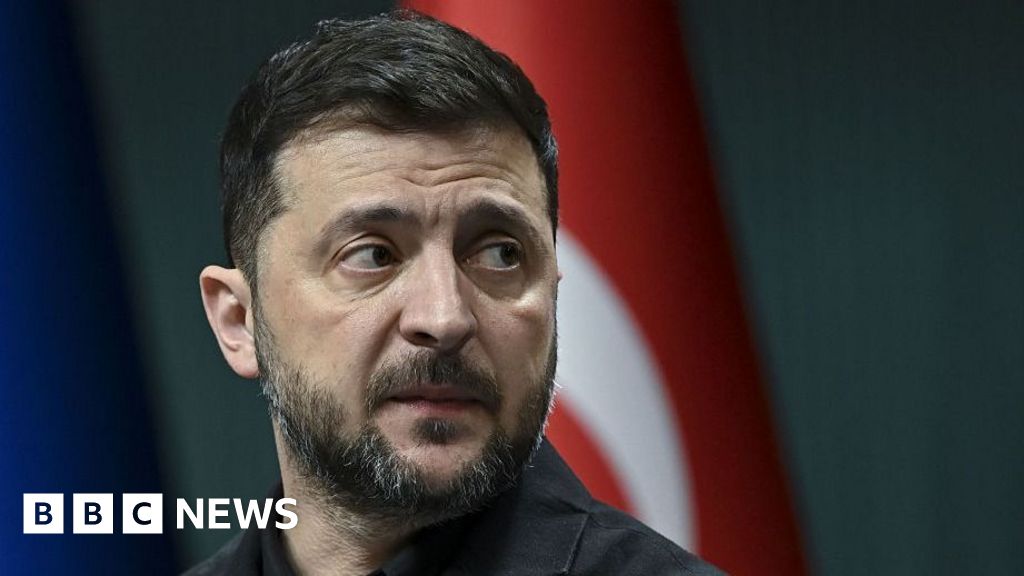
In a rapidly shifting geopolitical landscape, the United States finds itself at the center of a contentious debate over the future of Ukraine. Recently, reports emerged indicating initial proposals for ending the ongoing conflict in Ukraine included concessions that many allies deem unfavorable. These proposals, leaked to the public, suggested that Ukraine would have to withdraw from eastern territories it currently controls and place limits on its military strength—appeasing Russia but raising alarms among Kyiv’s Western allies. The draft, which has not been officially released, is seen by many as a Russian “wish list” that threatens to undermine Ukraine’s sovereignty, prompting sharp pushback from European leaders and NATO members.

U.S. Secretary of State Marco Rubio has publicly insisted that the plan in question was authored by the United States, emphasizing that it incorporates input from both Russia and Ukraine. However, some senators and international analysts have challenged this narrative, suggesting that the proposal more accurately reflects Russian interests rather than a balanced diplomatic effort. During a forum in Geneva, Republican Senator Mike Rounds claimed Rubio stated the draft was not official U.S. policy, further fueling doubts over America’s true stance. In response, State Department spokesperson Tommy Pigott dismissed these claims as “blatantly false,” reiterating the administration’s position that the plan was developed with American leadership and strategic input. The conflicting narratives underscore the delicate, high-stakes diplomacy playing out behind closed doors, with the future of the conflict hinging on fragile negotiations.

The core of the debate revolves around a 28-point plan that has caused intense division among Ukraine’s allies. European nations, including Germany, France, and the UK, have publicly voiced concerns, emphasizing that the plan could leave Ukraine vulnerable to future attacks and undermine its territorial integrity. This skepticism was articulated at the recent G20 summit, where a joint statement from most European leaders declared the plan “would require additional work,” citing concerns over border changes and restrictions on Ukraine’s military capabilities. French President Emmanuel Macron warned that any peace accord must guarantee security for all of Europe, resisting any proposal that can be perceived as capitulating to Russian demands. Meanwhile, German Chancellor Friedrich Merz acknowledged the distance still remaining towards a comprehensive and equitable peace, warning that “we are still quite a long way from a good outcome for everyone.”

As the international community watches anxiously, the stakes have never been higher. Since Russia’s invasion of Ukraine in February 2022, the conflict has evolved into a larger confrontation involving NATO, the US, and the European Union—each seeking to preserve their strategic interests while navigating the complexities of international law and national sovereignty. The potential concessions within the proposed plan threaten to reshape regional security dynamics, with some analysts warning of a precedent that could embolden future aggressions. Meanwhile, Ukraine’s President Zelensky remains resolute, appointing a new negotiator to lead future talks and maintaining that his government will defend its sovereignty at all costs. But in the shadows of diplomatic negotiations, the weight of history presses down on every decision, hinting at a future where the line between peace and perpetual conflict remains perilously thin. The unfolding saga in Geneva could yet become a defining chapter—either fostering a fragile peace or unleashing new waves of uncertainty that will test the resolve of free nations for generations to come.
Giorgio Armani’s Last Walk: A Iconic Catwalk Tribute Crafted by the Master Himself at Milan Fashion Week

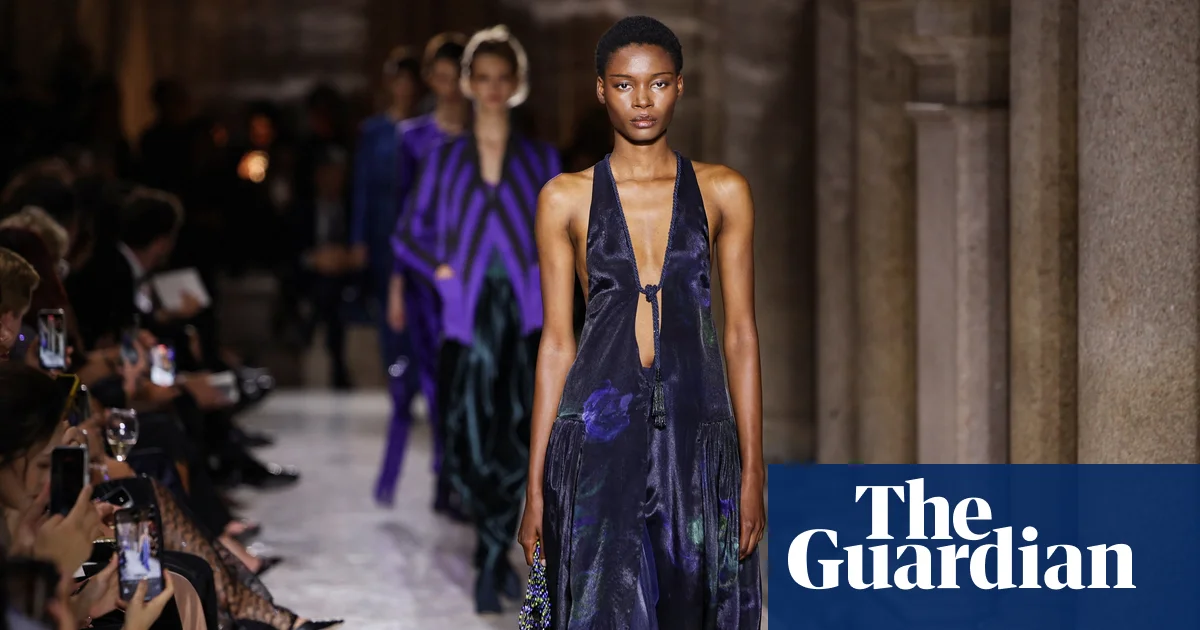
In an extraordinary tribute to a fashion icon, Giorgio Armani orchestrated what would be his final grand moment in Milan’s storied fashion scene. Known for redefining elegance with his softly assertive tailoring and Mediterranean-inspired color palette, Armani spent his last months meticulously planning a celebration of five decades of his iconic brand. This event, set in the romantic Pinacoteca di Brera, became more than just a runway show — it solidified Armani’s cultural relevance, blending high art with haute couture in a manner that resonated deeply with his loyal followers and fashion critics alike. Despite his passing earlier this month, the show went on, merging mourning with celebration, and forging a narrative that underscores his lasting influence on global style.

The event’s design reflected Armani’s signature blend of tradition and innovation. Invitations bore a black tie dress code alongside a T-shirt featuring a youthful portrait of Armani, a testament to the designer’s acknowledgment of his enduring legacy among younger generations. The guest list was a Who’s Who of Hollywood and fashion icons: Cate Blanchett, Lauren Hutton, and Richard Gere, whose early career was punctuated by Armani’s modern iconography in American Gigolo. It was a moment that merged social relevance and cultural impact: a celebration of style as power and a reminder that fashion continues to be a language of social identity, especially for the youth seeking to make bold statements through timeless elegance.

Armani’s latest collection, inspired by his personal experiences and favorite locations such as the historic Brera district and the island of Pantelleria, captured the mood of an era yearning for authenticity. The designs featured softly assertive tailoring again, with bold but refined double-breasted jackets, featherlight dresses in Mediterranean blues, and island-inspired looks designed to catch the breeze — an ode to freedom and individual expression. As fashion analysts highlight, Armani’s work exemplifies the “cultural significance of clothing as an extension of personal identity,” a trend championed by influencers turning to style as a form of subtle defiance against fast fashion’s fleeting trends. It’s this narrative of lasting impact that cements his place as “one of fashion’s heads of state,” as described by Anna Wintour, and it raises a fascinating question about the future trajectory of his empire.

Looking ahead, Armani’s heirs face a critical juncture. His explicit instructions to sell the brand to strategic buyers like LVMH, L’Oréal, or EssilorLuxottica signal a shift in how fashion powerhouses are viewing legacy brands. As the industry contemplates the next evolution—balancing heritage with innovation—the looming question becomes: Will Armani’s descendants preserve his understated, high-culture ethos, or will commercial pressures push the brand in a more mainstream, youthful direction? This dilemma encapsulates a broader societal shift — a generation increasingly eager to engage with authentic, culturally rich storytelling through fashion, yet also craving the accessibility and immediacy of contemporary trends. The future of Armani’s legacy isn’t merely about business; it’s about whether true style can remain a form of cultural commentary or if it will become just another fleeting commodity whether artfully curated or mass-produced. That’s the next big question for fashion, youth, and society: how will the enduring influence of a legend shape the aesthetic and social language of tomorrow’s cultural landscape?

Social Media Auto Publish Powered By : XYZScripts.com



