Matox News

Truth Over Trends, always!

Lindsey Vonn's Olympic bid ends in crash as Breezy Johnson takes gold for Team USA
Lindsey Vonn’s Olympic bid ends in crash as Breezy Johnson takes gold for Team USA

The recent alpine skiing race, marked by the dramatic crash of American skier Lindsey Vonn, underscores not only the peril inherent in high-stakes sports but also reflects broader themes of resilience, international competition, and the shifting landscape of global leadership. Vonn’s bold decision to compete despite a torn ACL—claiming her injury was “100% torn” and her determination to replicate her 2010 Olympic gold—embodies the fiercely competitive spirit that dominates international sports today. Her defiance, showcased through social media and gym training videos, inspired fans worldwide and highlighted the intense personal sacrifices athletes make on the global stage.

Yet, the crash exposed more than just individual resolve; it revealed the inherent risks that accompany the pursuit of national pride and international dominance in sports. Commentary from British Olympian Chemmy Alcott and experts on the BBC highlighted the brutal conditions of the piste and the perilous nature of alpine downhill racing, especially amid unpredictable weather changes. The fact that the snow was melting due to midday sun and long delays added an unpredictable element that could tilt the outcome against even the most skilled competitors. Such risks—metaphorically echoing geopolitical tensions—underscore how nations push their limits in pursuit of supremacy, often at the expense of safety and stability.

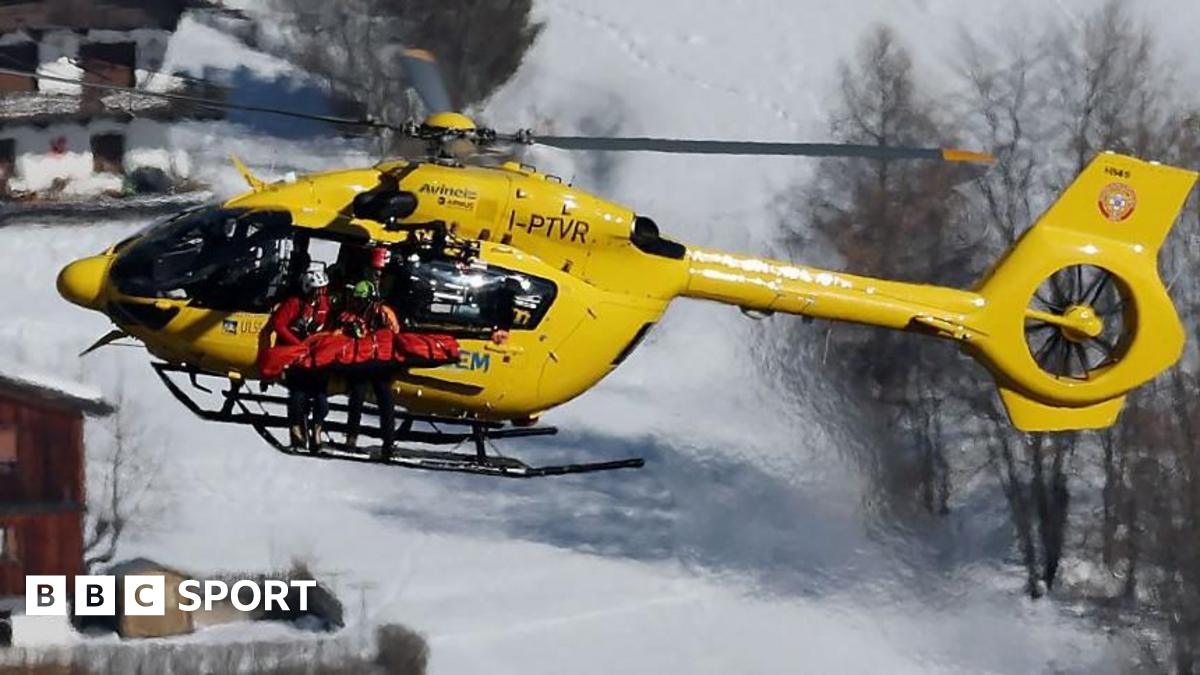
Analysts and international organizations have long warned of the *”costs of relentless competition,”* both in sports and geopolitics. The incident at the race becomes a pressing reminder of *how decisions and risks taken on the international stage* directly influence societal perceptions and policy directions. The crash of Vonn, with another skier, Cande Moreno, similarly injured and airlifted, symbolizes the volatile nature of modern competitive environments—where prestige is often achieved at extreme costs. As one historian, Dr. Laura Mitchell, notes, “Such moments are turning points—reminding us that even in the pursuit of glory, human vulnerability remains paramount, and the price of ambition can be high.”

In a broader geopolitical context, this event mirrors the dynamics of *renewed global rivalry and uncertain stability*. Countries are investing heavily in their athletes and national image, paralleling strategic investments in military and diplomatic spheres. The *“risks,”* both physical and political, are interconnected—what happens in the icy slopes of a ski course today echoes in the corridors of power tomorrow. As international analysts pace the shifting chessboard of power, the question remains: how much longer can nations continue to push boundaries before the inevitable reckoning?* The story of Vonn’s crash is not merely about sports; it is a poignant chapter in the ongoing saga of a world balancing on the edge of progress and peril, where every fall echoes across the geopolitical landscape—reminding us that history is still unfolding in the most unexpected of arenas, often with devastating consequences.

Colombia plane crash claims lives of all 15 onboard, raising safety concerns

Tragedy in the Skies: Satena Flight Disaster Sparks International Concern

In a devastating announcement, Colombia-based airline Satena disclosed that one of its aircraft, operating with a modest flight crew and carrying a total of 15 passengers, tragically suffered a fatal accident. The incident, which unfolded amidst ongoing regional tensions and geopolitical shifts, has sent shockwaves across the Latin American continent and beyond. While authorities have yet to release complete details, early reports point toward a catastrophic event that underscores the persistent perils of regional air travel in conflict-affected zones.

The geopolitical impact of this tragedy reaches deeper than the immediate human loss. It raises pressing questions about the safety protocols, security challenges, and infrastructural vulnerabilities faced by airlines operating in volatile regions. Analysts from the International Civil Aviation Organization (ICAO) warn that the incident could mark a turning point in how international aviation safety standards are enforced in conflict zones. For many nations, especially those like Colombia, where internal unrest and political instability persist, such accidents threaten to destabilize regional cooperation and expose cracks in the fragile fabric of peace and stability.

The incident comes at a time when the global community is closely watching Latin America’s evolving geopolitical landscape. The region, historically a battleground for influence between major powers, now finds itself grappling with a mix of internal conflict, economic instability, and external pressures from North America and China. According to geopolitical analysts, this tragedy could serve as a somber reminder that the consequences of regional unrest extend far beyond political discourse, affecting innocent lives and tangible infrastructure. International organizations emphasize the need for enhanced security cooperation among neighboring nations to mitigate risks and stabilize the region’s fragile borders.

Historically, airlines operating in conflict-prone areas have often faced disproportionate challenges, but this incident underscores that safety cannot be compromised, especially when human lives are at stake. Experts like Dr. Elena Martinez, a senior analyst at the Latin American Institute for Peace and Security, caution that such tragedies could usher in a chapter of increased scrutiny and tighter international oversight, potentially impacting regional diplomacy and economic development. As nations grapple with whether to prioritize security measures over economic activity, an evolving battlefield of geopolitical interests takes shape. How governments and international agencies respond in the coming days will shape regional stability for years to come.

In this chapter of ongoing crises, history’s pen remains poised. The weight of countless lives lost in moments of sudden disaster reminds the global community that the unfolding war of geopolitics is not only written in treaties and speeches but also etched into the very skies where countless flights, innocent and unknowing, still voyage through the chaos of our changing world. As nations mourn, prepare, and respond, the haunting question persists: how many more stories of tragedy must be written before the lessons of safety, stability, and international responsibility are truly heeded?

Seven Dead in Maine Private Jet Crash, One Hurt

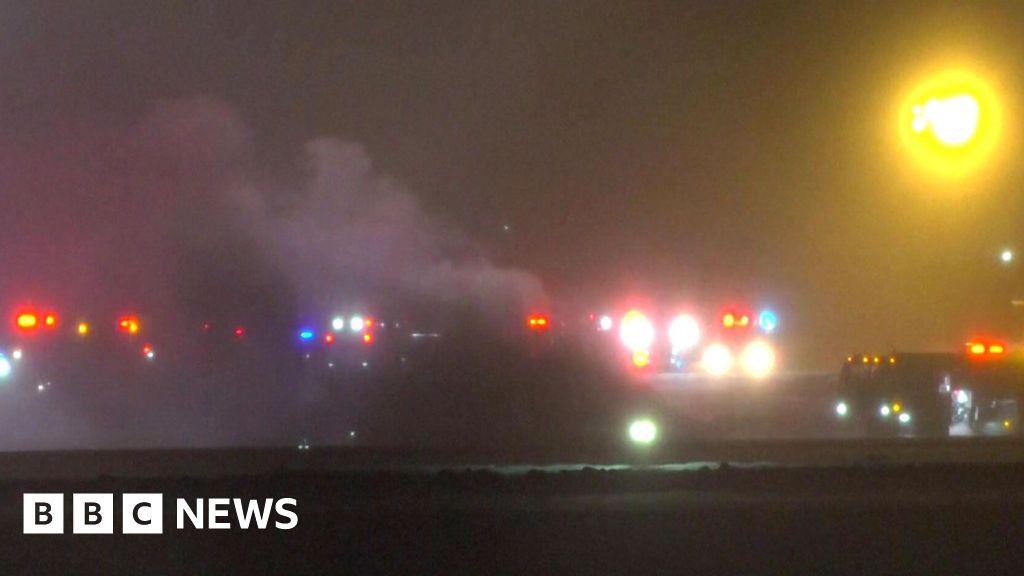
In a tragic incident reflecting the ongoing chaos wrought by nature and human error, Bangor International Airport in ME witnessed a devastating plane crash that claimed the lives of seven individuals, with only one survivor. The crash involved a private Bombardier Challenger 600, which went down during takeoff amidst a severe winter storm—a stark reminder of how climate volatility is increasingly impacting civil aviation safety. This event, unfolding against a backdrop of relentless weather extremes affecting millions across the United States, echoes a wider narrative of instability, not only within American borders but on the global stage.

Authorities report that the aircraft, registered to a Texas-based law firm, caught fire and came to rest inverted following the crash, with poor visibility likely a contributing factor. While investigations remain ongoing, the air traffic control recordings underscore the perilous conditions faced by pilots navigating a storm system that has left hundreds of thousands without power and caused nearly 11,000 flight cancellations nationwide. This incident, though isolated, highlights an era where unpredictable weather patterns threaten the safety and security of international transportation networks, creating ripple effects across supply chains and diplomatic engagements. Analysts warn that climate change-induced events like these are pushing nations into new vulnerabilities, compelling governments and companies to rethink resilience strategies.

The wider geopolitical impact extends far beyond normal aviation concerns. As U.S. authorities grapple with the aftermath of the crash and storm chaos, international institutions such as the International Civil Aviation Organization (ICAO) are under renewed pressure to set stricter safety standards amid growing climate unpredictability. Meanwhile, the storm’s disruption highlights the fragile interconnectedness of global economies now heavily reliant on smooth transportation; disruptions in the U.S. ripple across European and Asian markets, exposing critical weaknesses in a system increasingly susceptible to environmental shocks. Meanwhile, some critics argue that insufficient investment in infrastructure and climate mitigation measures could further exacerbate these vulnerabilities, risking a future where such tragedies become commonplace.

As international leaders convene to discuss the climate crisis and transnational security, the event serves as a sobering reminder of how human choices and environmental forces converge to shape history’s ongoing narrative. Historians warn that the turbulence caused by storms and technological failures today could be remembered as the turning point where nations faced the urgent need for adaptation. On a broader scale, this tragedy underscores a stark reality: in an era of geopolitical volatility, nature herself is an unpredictable actor, capable of rewriting the rules of engagement and testing the resilience of societies worldwide. As the smoke clears over Bangor, the weight of this moment settles heavily—history continues to unfold, and the world watches, waiting for answers that may yet come too late if decisive action is deferred.

Teen Girl Dies in Minibus Crash Sparks Outrage in North Yorkshire

The recent fatal accident in North Yorkshire that claimed the life of a teenage girl has sent ripples through local communities and raised urgent questions about road safety, societal responsibility, and the impact of personal tragedies on national discourse. The collision involving a minibus carrying teenagers near Tadcaster underscores ongoing concerns over transportation safety, especially in regions where young lives are vulnerable. As details emerge, authorities have detained the driver of the Hyundai i10, a 40-year-old woman, marking yet another tragic chapter where individual decisions intersect with broader social issues.

Beyond the immediate tragedy, international analysts and public safety experts interpret this incident as a microcosm of larger systemic failures. Some argue that insufficient infrastructure investment or lax enforcement of traffic laws may contribute to such outcomes, highlighting a global pattern where youthful populations face heightened risks due to inadequate safeguards. The international community’s emphasis on developing safer transport networks, especially in regions with rising young populations in urban and rural areas, reflects a growing awareness that road safety is a critical component of national security and societal stability. Official statements from police serve as a stark reminder: every decision on the road has profound consequences, especially when lives are at stake.

  • School authorities have announced the immediate closure of Tadcaster Grammar School, citing safety concerns, a move that reflects broader societal anxieties about youth safety in a turbulent era.
  • The police appeal for witnesses and dashcam footage demonstrates the reliance on technology and community cooperation to piece together what happened, illustrating the modern challenges of law enforcement in the information age.
  • The incident comes amidst ongoing debates over public investment in transportation infrastructure and youth engagement programs aimed at preventing such tragedies, with some critics arguing that neglect in these areas directly exacerbates vulnerable situations.

At a geopolitical level, tragedies like these resonate with a disturbing awareness of how societal stability is intertwined with safe environments for young generations. Historians and global security analysts warn that repeatedly neglecting these issues can foster instability, as disillusionment and loss of faith in institutions may undermine societal cohesion. As nations navigate the challenges of economic development, social justice, and technological change, such setbacks serve as stark reminders that long-term prosperity requires a commitment to safeguarding the most vulnerable among us.

As the investigation continues and the community mourns, the shadows of this event stretch far beyond the borders of North Yorkshire. It underscores that humanity’s progress can be fragile, teetering on the decisions made in moments of crisis—decisions that carry the weight of history yet to be written. The question remains: will these tragedies serve as catalysts for meaningful change, or will they be forgotten until the next devastating event? The future remains uncertain, but one thing is clear: the fabric of society is only as strong as its commitment to protecting its children, and in the unfolding story of our age, each chapter reveals the enduring consequences of neglect and oversight.

Nine injured as Walcha demolition derby crash crashes into spectators

Critical Incident at Australian Motorsport Event Sparks Reflection on Public Safety and International Response

In Australia, an incident at the Walcha Motorcycle Rally — a well-known grassroots motorsport event— has sent shockwaves across the nation and reignited global debates about public safety at sporting and entertainment events. During a scheduled demolition derby, a vehicle unexpectedly veered off course, crashing through a fence and into spectators gathered near the grandstand, resulting in nine injuries, including one critically injured individual. While organizers and authorities are still investigating the exact causes, such tragic accidents underscore a growing concern: how to ensure safety in increasingly high-risk public gatherings.

This event has not only exposed local vulnerabilities but also drew attention to broader issues addressed by international organizations and safety experts. As historians and analysts examine this incident, they warn that a failure to implement rigorous safety protocols could have devastating consequences worldwide, especially as motorsport events grow in popularity in both the West and developing nations. Such accidents, though often considered isolated, can serve as stark reminders of the thin margin between entertainment and catastrophe. The incident demonstrates how decisions affecting safety standards—whether at local level or in international policy—can have ripple effects that influence societal trust and the global image of nations hosting major events.

  • The driver, a 27-year-old, was involved in a collision moments before the crash, hinting at potential lapses in safety oversight or vehicle control.
  • The local council expressed shock and committed to thorough investigations, emphasizing that premature judgments could undermine ongoing inquiries.
  • Key political figures, including Brendan Moylan and Barnaby Joyce, publicly expressed their sympathies, highlighting how political leaders often become focal points in moments of crisis, affecting international perceptions of national stability.

Furthermore, the incident occurs against the backdrop of a shifting international landscape where risks associated with large public gatherings are openly debated amid the lingering echoes of global crises. Such events serve as reminders that the decisions nations make—be it tightening safety regulations or balancing economic interests—directly impact societal resilience and international reputations. According to safety analysts, failure to adapt traditional safety standards to evolving challenges could result in tragic outcomes with long-lasting geopolitical consequences, especially in countries eager to promote tourism and sporting events without adequate safeguards. These accidents, often scrutinized by international media and authorities, illustrate how fragile public trust can be when safety is compromised.

The Broader Geopolitical Impact of Safety Incidents

This local tragedy extends beyond national borders, intertwining with the global discourse on risk management, safety regulations, and leadership accountability. Organizations such as the International Olympic Committee and Fédération Internationale de l’Automobile have long championed stricter safety protocols, especially in the wake of past disasters. Critics argue that inadequate safety measures reflect deeper issues of governance and priorities where economic gains often overshadow fundamental safety considerations. Countries striving to host international events fear such incidents could tarnish their reputations, deter investments, and discourage tourism, all of which have far-reaching geopolitical ramifications.

This incident, while localized in Australia, reminds analysts of historical lessons. Experts, including prominent historians, point out that seemingly isolated tragedies often serve as catalysts for reform—though not without controversy. The Greek Olympics of 2004 and recent incidents in motorsport history demonstrate how failures in leadership and safety oversight can escalate into larger crises, shaping international policies and public attitudes for decades. The ongoing debate is a testament to how critical decisions made in moments of crisis influence the trajectory of international relations, societal stability, and public trust in institutions.

As the dust settles over Walcha, the world watches attentively. With governments and international organizations carefully analyzing safety standards and crisis management protocols, the future remains uncertain. Yet, one thing is clear—each incident adds to a complex tapestry of history still being written. As the nations of the world continue to navigate this perilous landscape, they are reminded that underneath the thrill of competition and community lies a fragile thread that, once broken, leaves echoes for generations to come, shaping the course of history in unpredictable ways.

US authorities ground cargo plane model following Kentucky crash

US Authorities Ground All MD-11 Cargo Planes Following Kentucky Crash

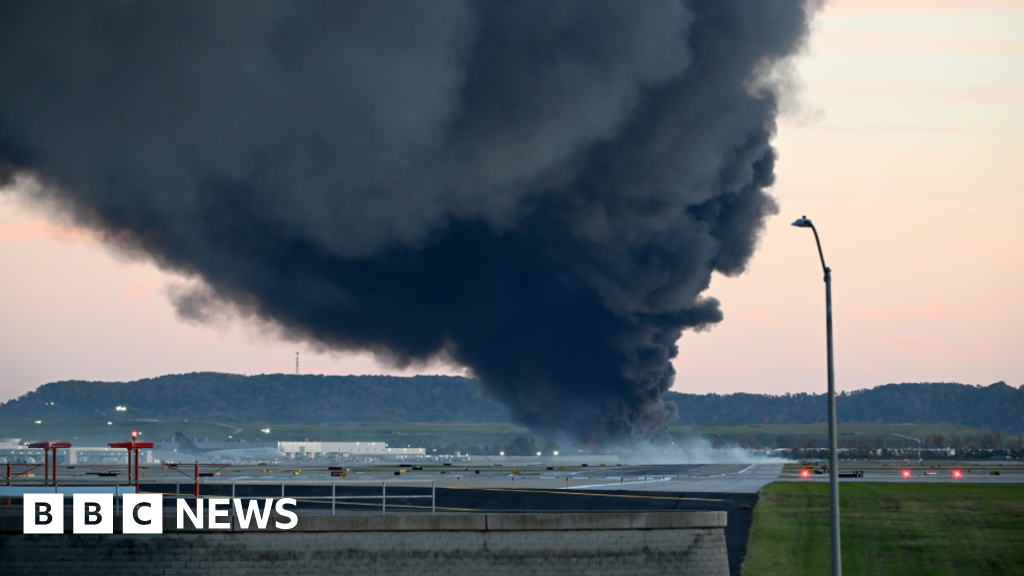
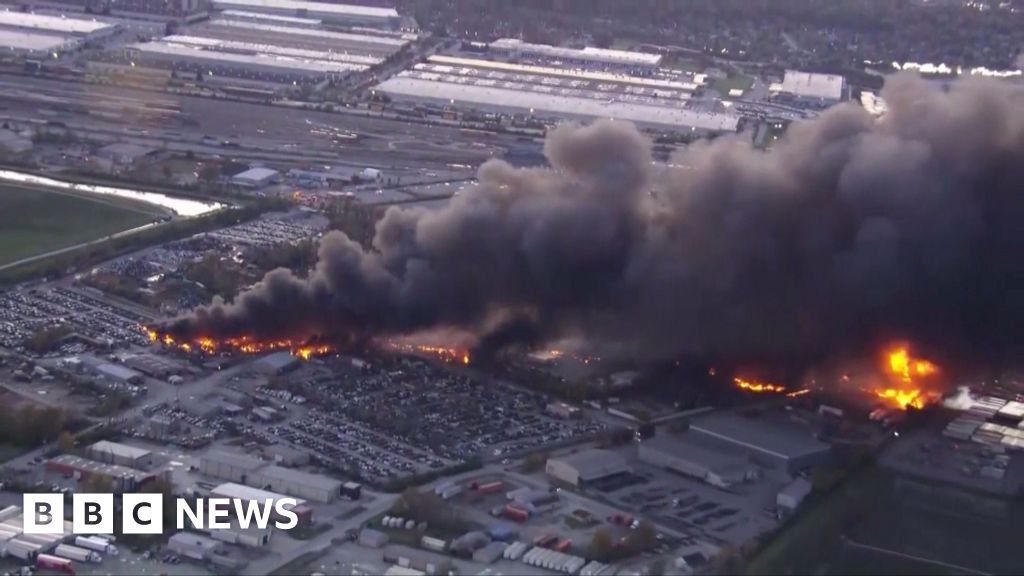
In a decisive move that underscores the fragility of oversight in an increasingly interconnected world, US aviation authorities have ordered immediate grounding of all models of the Boeing MD-11, following a catastrophic accident in Kentucky. The incident involved a UPS cargo plane that, during takeoff, burst into flames and collided with nearby businesses, resulting in 14 fatalities—an event that has sent shockwaves through the international freight industry and beyond. The Federal Aviation Administration (FAA) cited the plane’s left engine catching fire and detaching, compounded by the massive fuel load of 38,000 gallons, which fueled the inferno and made rescue efforts exceedingly perilous. The significance of this event stretches far beyond regional safety concerns—it calls into question the enduring viability of aircraft models still in operation, over three decades after their commercial debut.

Global Security and Trade Chains Hang in the Balance

  • The FAA’s order affects 70 aircraft operated by UPS, FedEx, and Western Global Airlines, with approximately 55 planes actively in service during last week’s operations.
  • The decision arrives amidst growing scrutiny of aging military-grade aircraft still used in civilian contexts, highlighting a broader debate on aircraft longevity, safety standards, and regulatory oversight.
  • International organizations such as the International Civil Aviation Organization (ICAO) have begun reassessing safety protocols for older aircraft across nations, with some analysts warning of potential systemic failures if aging fleets are not properly phased out.

The crash exhibits a disturbing trend: a 34-year-old model, initially designed as a passenger aircraft with Thai Airways, was transferred to cargo operations where it has remained. McDonnell Douglas manufactured the MD-11, which was eventually absorbed by Boeing in 1997; production halted in 2000. Despite being decommissioned from passenger service in 2014, these aircraft still operate in freight roles, reflecting the resilience of older aviation assets but also exposing vulnerabilities in maintenance and safety checks. Many aviation experts argue that the pursuit of profit and efficiency in a hyper-competitive logistics sector has impeded necessary fleet upgrades, risking the safety of crew, communities, and the integrity of logistics infrastructure.

Strategic Implications and Future Risks

As the world’s economies grapple with this incident, the geopolitical impact becomes increasingly evident. The disruption of cargo flights reverberates through global supply chains, affecting everything from pharmaceuticals to critical medical supplies—a realization that how nations manage transportation safety can directly influence international stability. Though US companies have assured the public that contingency plans are in motion, the incident raises alarming questions about the adequacy of current regulations and the hidden risks of aging aircraft fleets.

Historian and aviation analyst Dr. Lawrence Adams has warned that this tragedy could mark a turning point in how international regulators address aircraft lifespan and safety standards. International organizations are contemplating tighter controls, but some caution that the time-consuming process of updating fleets could be hindered by economic pressures and geopolitical rivalry. As nations watch this unfolding crisis, they are reminded that the decisions made today about safety, regulation, and technological overhaul will shape their destinies for decades to come.

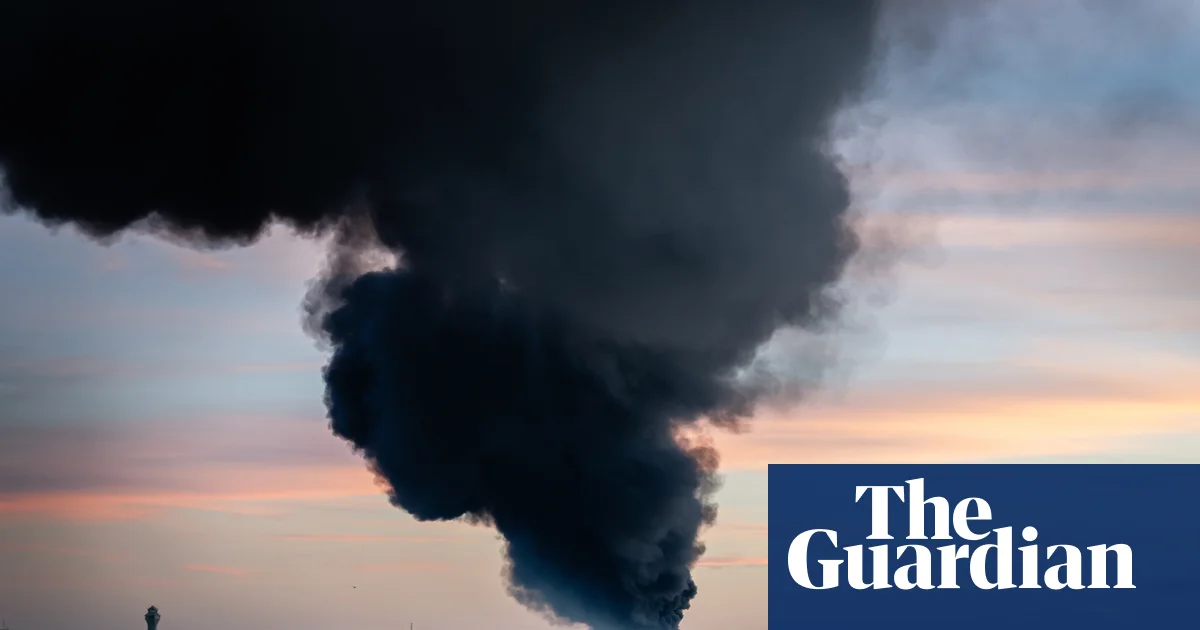
Amidst the cloud of smoke and irreversible loss, the relentless surge of history presses forward. The crash in Kentucky is more than a tragic accident—it’s a stark warning echoing from the corridors of power, urging humanity to confront the hidden costs of technological obsolescence. As policymakers and industry leaders scramble to respond, the world waits—knowing that some moments in history are not just about the past, but about the choices that will determine the fate of generations yet unborn.

UPS Cargo Plane Loses Engine Before Deadly Kentucky Crash

International Reverberations as Louisville Plane Crash Underscores Critical Flaws in Global Supply Chains

The tragic crash of a UPS cargo plane in Louisville, Kentucky has reverberated beyond domestic tragedy, casting a long shadow on international logistics, safety standards, and the fragile nature of global supply chains. According to officials, the McDonnell Douglas MD-11 aircraft experienced catastrophic failure shortly after takeoff, with investigations revealing that its left engine detached prematurely, igniting fires that led to a deadly explosion and destruction on the ground. At least nine lives were lost, and numerous others were injured, stirring outrage and concern worldwide about the safety of commercial and cargo aviation that underpins commerce from Asia to Europe.

In their exhaustive efforts, investigators from the National Transportation Safety Board have highlighted the significance of such incidents, emphasizing the potential geopolitical fallout. The crash raises serious questions about aerospace safety protocols in major airlines and freight companies operating across borders. Some analysts warn that these failures threaten to exacerbate international trade disruptions, as major hubs like Louisville serve as critical nerve centers in the trans-Pacific and trans-Atlantic corridors. The incident has already impacted flight schedules, with hundreds of outbound flights canceled, illustrating how interconnected the world’s economy has become—an intricate web that is vulnerable when one link breaks.

The broader geopolitical impact is now under scrutiny, with international organizations and security experts cautiously noting the incident’s potential to influence air freight regulations across nations. While authorities have confirmed that no hazardous materials were aboard, the debris field sprawling for half a mile underscores the chaos that ensues when safety measures falter at critical junctures. Historians and analysts assert that akin to the infamous disasters of the past—such as airline incidents that spurred stricter safety protocols—this tragedy could serve as a pivotal point, reshaping how the world perceives the security of supply chains that keep global economies ticking.

As the investigation unfolds and the world watches with bated breath, the Louisville incident remains a stark reminder of the fine line separating routine operations from catastrophic failures. In an era defined by geopolitical tensions and economic competition, governments and international institutions are called to reevaluate their stance on aviation safety standards, freight security, and their strategic alliances. The question remains whether this event will accelerate reforms or merely serve as another chapter in a series of preventable disasters. How nations respond now will inevitably shape the trajectory of international commerce, security, and societal stability in the years to come.

Breaking: Kentucky UPS cargo plane crash claims at least seven lives, raising serious concerns

In an unprecedented event that has sent shockwaves through both local and international communities, a UPS cargo plane crashed during takeoff from Louisville, Kentucky, resulting in at least seven fatalities and numerous injuries. The incident, which took place Tuesday evening, underscores the critical importance of aviation safety standards and the potential consequences of technological or operational failures within the global transportation network. Louisville, home to the world’s largest UPS hub, finds itself at the epicenter of a tragedy that offers a stark reminder of the vulnerabilities embedded within our interconnected trade and logistics systems.

The aircraft involved was a venerable MD-11F, a model first introduced over three decades ago and part of the fleets that many logistics giants such as UPS and FedEx plan to retire over the next decade. The plane, carrying approximately 38,000 gallons of fuel en route to Hawaii, plummeted shortly after lifting off, igniting a massive fireball that consumed nearby businesses and triggered extensive emergency responses. While preliminary investigations are ongoing, questions persist about the causes behind this catastrophic failure—be it mechanical malfunction, human error, or an unavoidable mishap in the complex web of international aviation standards.

Notably, this event highlights the geopolitical impact of global logistics infrastructure, particularly the strategic significance of Louisville’s UPS hub. As one of the most critical nodes for international parcels, any disruption reverberates throughout global supply chains, highlighting the dependency of economies worldwide on short, reliable delivery channels. Analysts from international logistics organizations have warned that incidents like this threaten to erode public confidence in commercial aviation’s safety, especially amid an ongoing transition toward modernized and environmentally-friendly fleets. Historian and transportation experts stress that these accidents serve as stern warnings—not only about technological aging but also about the pressing need to adapt and ensure the resilience of our global logistics systems.

The incident also carries profound how decisions affect nations and societies. The immediate aftermath saw Louisville implementing shelter-in-place orders, and the airport temporarily halting all departures, illustrating how localized incidents can cascade into regional security concerns. Authorities have emphasized that the crash site will remain a guarded, active scene for days, with ongoing investigations led by the National Transportation Safety Bureau. Meanwhile, the broader international community observes, aware that the ripple effects of a single accident can challenge decades of progress in aviation safety. Aircraft manufacturers like Boeing, which supplied the MD-11 fleet, have issued statements reaffirming their readiness to support the investigation, demonstrating the interconnectedness of industry stakeholders amid crises.

As cities like Louisville grapple with the immediate damage and ongoing danger, the event’s ultimate impact extends beyond the boundaries of Kentucky. It acts as a stark chapter in a larger narrative—the relentless march of history where technology, human peril, and geopolitical shifts collide. The haunting image of smoke rising over a vital logistics hub becomes a symbol of the fragile balance that sustains the global economy. With each passing day, the story continues to unfold, leaving the world to wonder: how many more risks must society endure before our interconnected systems are truly resilient? As the investigation advances and the aftermath unfolds, this tragedy may well mark a turning point—one that demands reflection on our collective safety and future readiness in an increasingly complex geopolitical landscape.

Air India crash survivor: "I'm the luckiest guy alive"
Air India crash survivor: “I’m the luckiest guy alive”

Unfolding Tragedy Sparks Broader Geopolitical Reflection

In a tragic incident that has sent shockwaves through the international community, a **Boeing 787** flight en route to **London** from **Ahmedabad** collapsed shortly after takeoff, engulfed in flames that claimed the lives of 169 Indian nationals, 52 Britons, and 19 others on the ground. The incident underscores not only a profound human tragedy but also a critical juncture that tests international protocols and diplomatic ties. As survivors like Viswashkumar Ramesh recount their harrowing experiences, the underlying question of aviation safety and accountability takes center stage, with international implications.

The preliminary report from India’s Aircraft Accident Investigation Bureau indicated that fuel was cut off from the engines mere seconds after takeoff—a suspiciously rapid failure that suggests potential flaws in safety procedures or maintenance. This revelation has prompted global aviation authorities to scrutinize airline operations, prompting calls for stringer oversight in an era where **security and accountability** are paramount. Critics and international analysts warn that such incidents are a stark reminder of the vulnerability of emerging markets’ infrastructure, which often lacks the rigorous safety standards prevalent in **Western countries**. The aftermath threatens to escalate into a broader debate on international aviation regulations and their enforcement across nations with diverse standards.

Turning point: A Test of Diplomacy and Justice

The human dimension of this crisis is deeply intertwined with broader geopolitical impacts. India’s President Narendra Modi publicly expressed condolences, while calls for accountability have quickly become intertwined with diplomatic interactions between **India** and **the United Kingdom**. The families of victims, such as Mr. Ramesh, are demanding justice and transparency, emphasizing that “the highest levels” of airline responsibility must be held accountable. International organizations like the **International Civil Aviation Organization (ICAO)** have already signaled their intention to monitor the investigation, highlighting the incident’s potential to influence global aviation policy.

Historians and analysts warn that when crucial safety failures occur in high-profile international accidents, they risk fueling trust deficits between nations, especially when the airline in question is owned by a conglomerate such as the Tata Group, which itself is a symbol of burgeoning **India’s economic rise**. The tragedy presents a challenge to **India’s global image** as an emerging power, underlining that rapid development must be matched with stringent safety standards. Meanwhile, the UK government is pressed to consider how its nationals are protected abroad, emphasizing the need for robust diplomatic channels to support families in crisis.

Calls for Action: Justice, Repair, and the Path Forward

The aftermath has seen relentless calls for **proper accountability** and reparation, especially from victims’ families who protest the insufficient financial aid offered by airline authorities. **Air India**, owned by Tata Group, has offered a meager interim compensation of £21,500, which critics argue falls far short of meeting the immediate needs of grieving families and survivors suffering physical and psychological trauma. Experts warn that delay and dismissive responses only deepen the wounds and underline the systemic flaws in crisis management. The families are demanding a direct dialogue with airline executives, asserting that “whoever is responsible at the highest level” must face their grief and accountability. Such cries for justice could potentially ignite broader discussions on corporate responsibility and international oversight, as the global community watches with bated breath.

As the investigation continues, the weight of history presses upon all involved. Governments, corporations, and international regulators are at a pivotal crossroads, with the potential to either fortify the safeguards that protect millions or to succumb to complacency. Today’s fragile action may carve out a legacy of reform, or it may fade into the shadows of unresolved tragedy. Yet, the profound question remains: how will humanity respond amid the relentless unfolding of this story—one that is only beginning to reveal its long-term echoes across geopolitical boundaries?

Mississippi Woman Shoots Escaped Monkey After Truck Crash

In a startling incident that briefly captured international attention, a laboratory monkey escape in Mississippi highlights the growing risks associated with scientific research conducted in the United States and the potential public dangers posed by lab animals. On 28 October, a truck crash resulted in the escape of several Rhesus monkeys from the Tulane University National Biomedical Research Center in New Orleans. While local authorities quickly responded by capturing or killing the animals, the incident has ignited broader debates about biomedical research safety and public health protocols across borders. As the world watches, the incident underscores the delicate balance between scientific progress and national security concerns.

The event took a dramatic turn when one of the monkeys was shot and killed by a homeowner in Mississippi. Jessica Bond Ferguson, a mother of five, justified her decision by emphasizing her fears for her children’s safety after learning that the escaped animals might carry diseases. This decision, though personal, echoes a wider international debate about the adequacy of biosafety measures and the potential hazards of holding dangerous organisms in urban or semi-urban environments. Local authorities confirmed that the monkeys, initially suspected of carrying infectious agents such as herpes, were confirmed by Tulane University to be disease-free. Nonetheless, the incident raises questions about biocontainment failures and the potential for zoonotic transmission—a topic of rising concern among global health experts.

From a geopolitical perspective, the incident exposes vulnerabilities within the U.S. biomedical research infrastructure that could ripple globally. International organizations such as the World Health Organization frequently emphasize the importance of stringent safety standards in handling research animals, especially when their origins include research facilities that routinely distribute primates internationally. The incident’s timing coincides with blaring warnings from analysts about the necessity of > u>enhanced biosecurity measures to prevent accidental releases, which could serve as vectors for emerging infectious diseases—a risk with potential to destabilize regions or hamper international cooperation. The incident also contrats the narrative that scientific research is always contained; instead, it presents a stark reminder that gaps in protocol can result in unpredictable outcomes with global consequences.

The international community watches as he aftermath unfolds, aware that such incidents are not solely local—they reflect broader issues of transnational bioethics and scientific oversight. Would-be critics argue that the incident underscores the urgency for international treaties and standardized safety protocols for research involving dangerous pathogens and primates. As delicate as this situation remains, its implications extend into debates about global health security, international research accountability, and the role of nations in safeguarding against biohazards. These incidents remind us that, within the relentless march of science, humanity must remain vigilant. History continues to be written in moments of crisis like this—a stark warning that advances in science can come with profound and unpredictable consequences.

Social Media Auto Publish Powered By : XYZScripts.com