Matox News

Truth Over Trends, always!

Shocking footage shows U.S. F-15 fighter jet crashing in Kuwait

In a concerning development that underscores the volatility of current international military engagements, US Central Command reported a devastating incident near Kuwait City involving multiple F-15 fighter jets. Disturbing footage verified by the BBC appears to capture the moment one of these jets falls from the sky and crashes onto the ground near the Al Jahra area. This event is not just a tragic loss of aircraft; it signals deeper issues related to the fragile state of U.S. military operations in the Middle East, a region already fraught with geopolitical conflicts and rising tensions.

The incident involved a total of three US F-15 jets, which, according to US Central Command, went down as a result of “an apparent friendly fire incident”. Despite the tragic loss of equipment, all six crew members aboard these jets ejected safely and are reported to be in stable condition. While at first glance, this may seem like a standard accident, analysts suggest it points to broader issues within the military engagement framework, raising questions about coordination and operational oversight in an increasingly complex security landscape.

The implications extend well beyond the immediate crash site. Historians and international organizations have long warned that such incidents—be they accidental or deliberate—embody the risks of escalation in a region where regional powers, superpowers, and non-state actors engage in a delicate geopolitical dance. The incident signals not only a lapse in operational discipline but also underscores the potential for small missteps to ignite larger conflicts, especially in a setting where U.S. strategic interests remain a cornerstone of regional stability amidst mounting challenges from rival powers like China and Russia.

For many, this event is a sobering reminder of the costs of modern warfare and the unpredictable nature of proxy conflicts. The incident demonstrates how the geopolitical impact of even a single friendly fire event can ripple across international borders. As Middle Eastern nations and allies watch these developments, they are forced to confront the grim reality that peace remains elusive in a region where alliances shift and trust erodes. How nations respond—through diplomacy or further military escalation—will shape the course of history in this volatile theater.

Ultimately, the crash near Kuwait City serves as a stark symbol of a world where the line between stability and chaos is razor-thin. The fallout from this event, both literally and metaphorically, will influence regional security strategies for years to come. As historians and global analysts peer into this unfolding crisis, one thing remains clear: in the shadows of international diplomacy, history is still writing itself, and today’s tragedy may very well be the prologue to a much darker chapter yet to come.
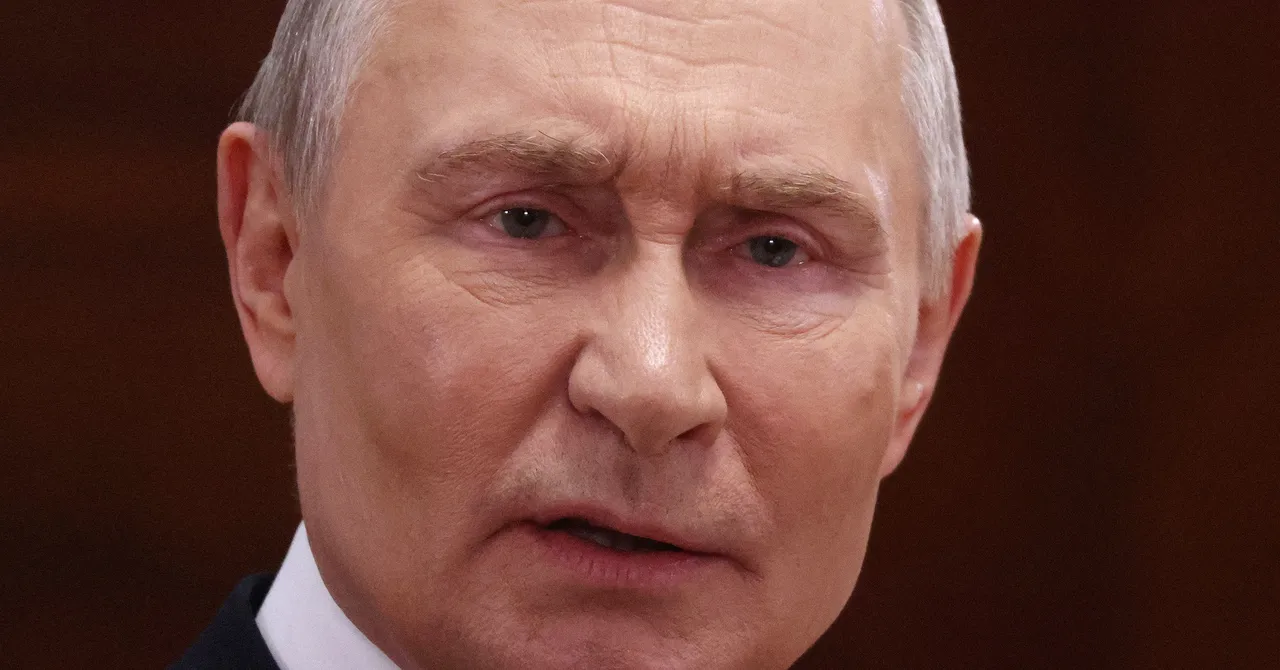
Russia’s Mega Missile Showdown: Powerful But Crashing on the Frontlines

In a landscape marked by rapid technological advancements, Russia’s recent missile tests reveal a nation still striving to modernize its nuclear arsenal amidst ongoing geopolitical tensions. Despite signals from Moscow that the Sarmat intercontinental ballistic missile (ICBM) would soon be operational, recent failures cast doubt on its readiness, illustrating the broader challenges faced by Russia in maintaining a credible nuclear force. This development signals a significant industry disruption within Russia’s defense sector, where modernization efforts have stalled and technological hurdles have hampered deployment timelines. Meanwhile, the US continues to monitor with precision, emphasizing the importance of surveillance and strategic advantage.

Russia’s strategic missile program, once considered a centerpiece in its military doctrine, now faces setbacks that could impact global stability. The Sarmat missile, capable of carrying multiple warheads and targeting distant adversaries, was heralded as a game-changer in nuclear deterrence. However, recent test failures—despite high-profile declarations from President Vladimir Putin—underscore the risks of overreliance on aging technology and ambitious claims. As noted by military analysts at MIT and defense think tanks, this persistent technical lag leaves Russia’s nuclear deterrent vulnerable, which could prompt shifts in global strategic calculations. Concurrently, Moscow’s emphasis on replenishing assets essential to the Ukraine conflict has diverted resources from nuclear modernization, illustrating a prioritization of conventional forces over strategic deterrence. Notably, the scheduled test of the shorter-range Yars missile demonstrates Russia’s ongoing efforts to maintain a layered nuclear posture, but confidence in these systems remains fragile amid repeated failures. Russia’s internal debate about the efficacy of its arsenal reflects a broader trend among key military powers—where innovation is often outpaced by geopolitical ambitions and budgetary constraints.

The implications for business and innovation in the defense industry are profound. As nations like the United States utilize advanced surveillance platforms such as the RC-135S Cobra Ball—equipped with optical and electronic sensors—to monitor missile tests, private defense contractors and government agencies face mounting pressure to accelerate technological breakthroughs. Indeed, the rise of artificial intelligence, machine learning, and next-generation sensors are reshaping how strategic assets are tested, validated, and deployed. Private sector innovators and established defense giants are now competing in a high-stakes race to develop systems capable of ensuring missile accuracy, stealth, and rapid deployment—areas that are becoming central in the era of disruptive military technology.

Looking ahead, the future trajectory of nuclear modernization remains uncertain. While Russia’s failure to bring the Sarmat into operational readiness underscores the fragility of current military technology, it also emphasizes the increasing importance of innovation that can disrupt traditional deterrence models. Leading experts, including those from Gartner and the Belfer Center at Harvard, warn that the next decade will be critical as advanced hypersonic weapons, cyber capabilities, and AI-driven command systems redefine strategic stability. The lesson is clear: in the race for supremacy, businesses and governments must prioritize disruptive innovation to stay ahead of technological obsolescence. Otherwise, the risk is that defects in current arsenals could introduce unpredictable instability, forcing the world into an unpredictable future where technological primacy determines peace or conflict.

Social Media Auto Publish Powered By : XYZScripts.com



