Matox News

Truth Over Trends, always!

China strikes again: Executes four Myanmar mafia members to crack down on crime

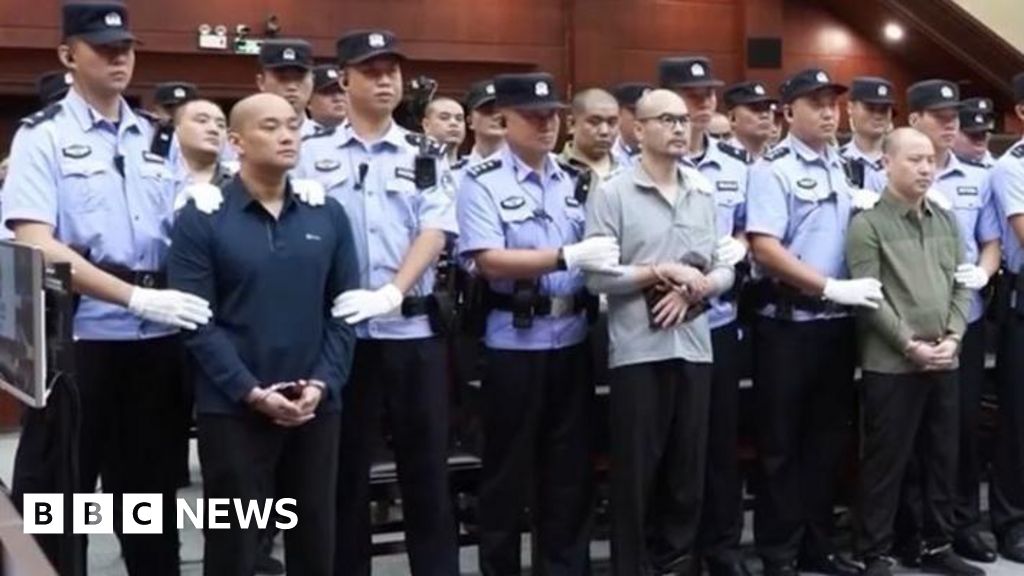
In a dramatic move with significant geopolitical repercussions, China has publicly executed four members of the notorious Bai family mafia, a criminal syndicate responsible for running widespread scam centers across Myanmar. This decisive action signals a clear stance from Beijing against transnational organized crime and underscores the country’s broader efforts to consolidate control over regional stability.

The Bai family’s criminal enterprise, according to official reports, operated a vast network engaged in advanced financial scams, leveraging Myanmar’s relative legal and political ambiguities. These scam centers targeted vulnerable populations across Southeast Asia and beyond, draining billions of dollars from unsuspecting victims. The crackdown, culminating in the execution, illustrates how China is stepping up its law enforcement outreach beyond its borders, aiming not only to dismantle criminal syndicates but also to project strength within the strategic corridors of Southeast Asia.

International analysts, including specialists at the South China Sea Policy Institute and global crime watchdogs, interpret this move as part of a broader strategy to safeguard China’s economic interests and regional influence. By explicitly targeting this notable criminal organization, Beijing seeks to present itself as the defender of stability and order in a volatile neighborhood. The Chinese government has indicated that such actions align with its commitments to regional peace and the fight against transnational crime—an assertion underscored by recent joint operations with Myanmar authorities.

Yet, the decision to execute members of the Bai family mafia also raises critical questions about international law and human rights standards. Critics argue that capital punishment, especially in high-profile cases involving foreign criminal syndicates, risks escalating tensions and complicating diplomatic relations. Nevertheless, advocates within China and aligned allies contend that firm measures are essential to counter organized crime’s corrosive influence on society and sovereignty.

Looking ahead, this bold move from Beijing exemplifies how national security and legal sovereignty are increasingly intertwined with global regional stability. The ramifications extend far beyond the immediate crackdown, shaping China’s reputation as a law-and-order power while also resonating through the corridors of international diplomacy. As the dust settles over this high-profile execution, the story of the Bai mafia’s fall is just another chapter in the unfolding narrative of a nation eager to redefine its role in the global order, with history watching intently at the perilous crossroads of power and justice.
Six Hurt in Louisiana Mardi Gras Parade Shooting—Youth Crime Sparks Outrage

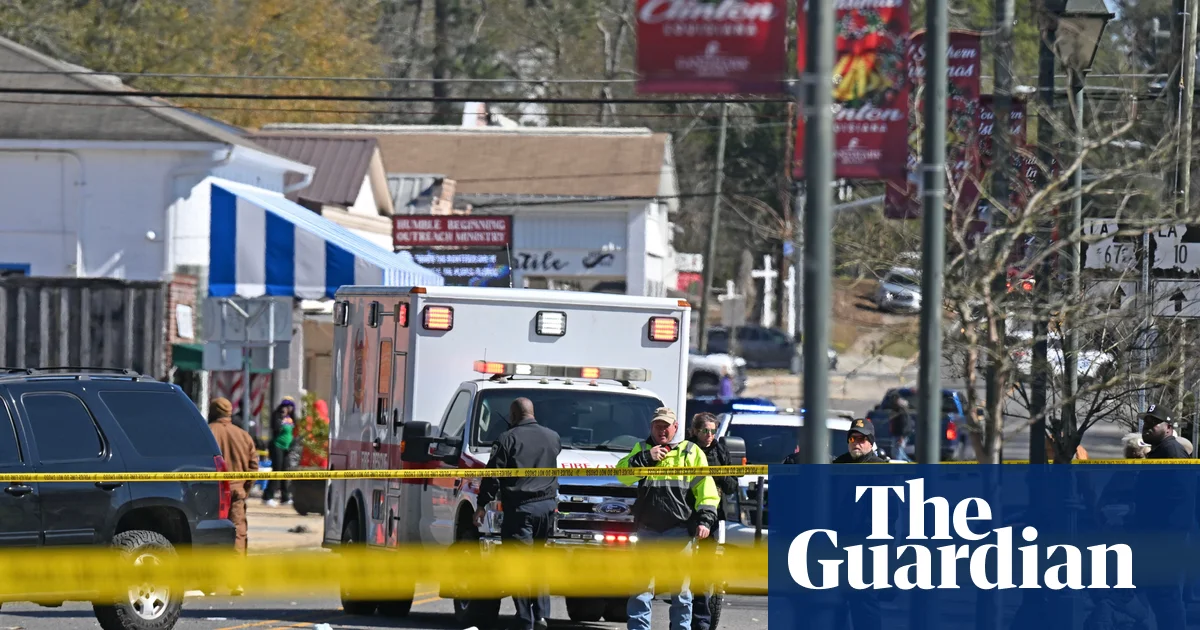
In a stark illustration of ongoing domestic unrest, a tragic mass shooting erupted during a local Mardi Gras celebration in Clinton, Louisiana, leaving six individuals wounded, including a child. This incident, occurring near the town’s courthouse in the heart of a tight-knit community, underscores the persistent challenges facing the United States regarding gun violence and its societal impacts. According to local officials, authorities swiftly responded, arresting one suspect and initiating a search for the vehicle believed to be used in the attack, highlighting the emergency response protocols in place amidst rising violence.

The incident is part of a disturbing trend that has alarmed both domestic and international observers. As of this year, there have been at least 24 mass shootings in the US, according to data from the Gun Violence Archive. This organization defines a mass shooting as any event in which four or more victims are wounded or killed, a threshold that underscores the scale of the crisis. Such violence not only devastates local communities but also fuels debates about the efficacy of current gun control laws, with critics arguing that congressional inaction perpetuates a cycle of insecurity. Historians and analysts warn that if the trend continues, the social fabric of American society risks further unraveling, with implications for national stability and global perception.

The failure of Congress to adopt more comprehensive gun legislation reflects broader geopolitical and societal issues. Many international partners and organizations, including the United Nations, have called for stricter gun regulations worldwide, portraying firearms as a pressing global concern. Yet, the US remains uniquely plagued by deep partisan divides and cultural entrenchment around the Second Amendment. As legislation stalls and mass shootings multiply, how decisions made at the federal level will alter the future security landscape remains uncertain. The international community watches as the US grapples with this internal crisis, highlighting a dissonance between American internal policy and the global push for peace and stability.

Across the Atlantic, European nations and Asian powers observe America’s struggles with a mixture of concern and skepticism, often contrasting their own more restrictive gun laws with the US’s persistent inaction. Some analysts warn that the inability of the world’s most powerful nation to effectively curb its gun violence could undermine its moral authority on human rights and security issues. As global institutions like the World Health Organization emphasize the importance of preventative measures, American policymakers face the profound question: will they choose to prioritize societal safety over entrenched interests? Meanwhile, the bloodshed in Clinton stands as a sober reminder of unresolved divisions and the urgent need for decisive action.

With history unfolding daily in the streets of small towns and big cities across the nation, the narrative remains clear and tragic: a society on the brink, teetering between constitutional rights and the need for security. The echoes of this latest tragedy continue to resonate, a stark reminder that the true cost of internal division extends beyond borders, shaping the fate of nations near and far. As history’s pages turn, the world is left to ponder whether the tide can be turned or if the dark chapter of American gun violence will write itself into the annals of unresolved conflicts—an enduring testament to a nation still striving, still fighting to define its future amid the shadows of its own making.

Judge Pauses Minnesota ICE Action Amidst Illegal Punishment Concerns

Federal Enforcement Actions in Minneapolis Fuel Legal Battles and Civil Discontent

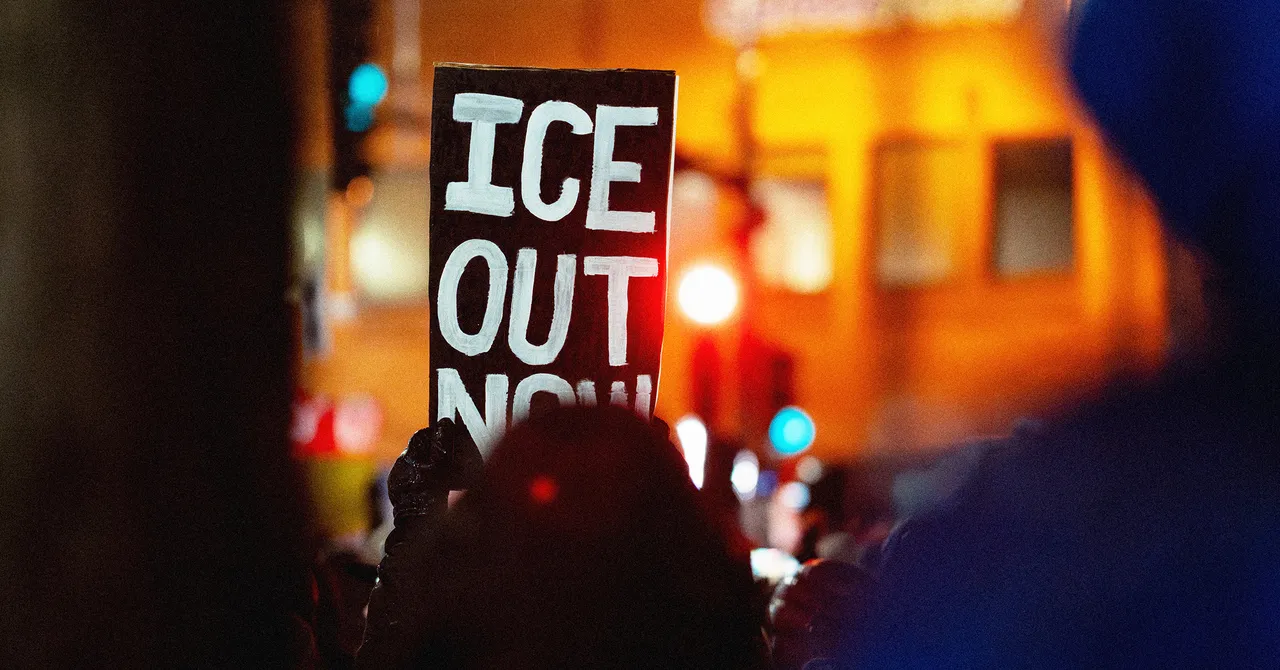
In an unprecedented display of federal authority, recent operations in Minneapolis have ignited a fierce debate over the limits of government power, civil liberties, and the future landscape of law enforcement technology. The deployment of thousands of armed agents during federal raids—aimed at curbing crime but marred by tragic incidents—has raised fundamental questions about the disruption of local sovereignty and the potential overreach of federal operations. Experts like those from MIT’s Cybersecurity Institute warn that such interventions might set dangerous precedents, risking a precedent where federal agencies operate with near-impunity within state borders, potentially unleashing an era of unchecked coercive power.

Legal battles currently dominating the headlines highlight the tension between federal authority and local autonomy. Judges such as Judge Menendez have expressed concern over the scale and scope of these operations, questioning whether federal agencies are crossing constitutional lines. The legal claims focus on whether the federal government, in its effort to combat crime, is effectively coercing or even overriding local officials’ ability to manage their jurisdictions. The core worry among legal scholars is how these large-scale operations could erode the constitutional protections of states and municipalities, forcing them into crisis mode—diverting resources, disrupting local law enforcement, and destabilizing entire communities. This scenario has significant business implications for private security, surveillance tech firms, and emergency response industries, which stand to benefit from increased demand driven by federal initiatives.

Adding fuel to the fire are recent tragic incidents in Minneapolis involving federal agents—specifically, the deaths of Renee Nicole Good and Alex Pretti. The killings, both involving armed federal agents and operating in the context of seemingly unrelated raids, have turned public opinion sharply against federal enforcement tactics. Official narratives such as allegations that Pretti posed a “lethal threat” have been challenged by citizen footage and autopsy reports, underscoring a growing gap between government claims and on-the-ground realities. These events serve as stark reminders that disruptive law enforcement technology—including surveillance and armed response tools—must be wielded with precision and accountability, or risk undermining the trust necessary for future innovation.

Looking ahead, the industry’s response to these shifts will be critical. Disruptive technologies like AI-powered surveillance, real-time tracking, and autonomous law enforcement drones are poised to revolutionize public safety. However, the legal and ethical dilemmas highlighted by Minneapolis’s recent turmoil signal that without robust safeguards, such technological advances could accelerate a trajectory toward authoritarianism or civil unrest. Key industry players and policymakers are now racing to develop frameworks that balance innovative disruption with respect for civil liberties—a task that’s becoming ever more urgent.

As the battle lines between federal authority and local sovereignty sharpen, the next wave of tech-driven enforcement will define the limits of American liberty and security. Industry leaders like Elon Musk and Peter Thiel emphasize that the future of safe, accountable law enforcement depends on proactive innovation paired with strict regulatory oversight. The coming months will be pivotal: failure to strike a sustainable balance could see unchecked federal expansion transforming into a technology-enabled surveillance state. In this high-stakes game of innovation versus regulation, those who act swiftly and decisively will shape the future of justice, security, and innovation—setting the course for a nation that must navigate this new frontier with clarity and resolve.

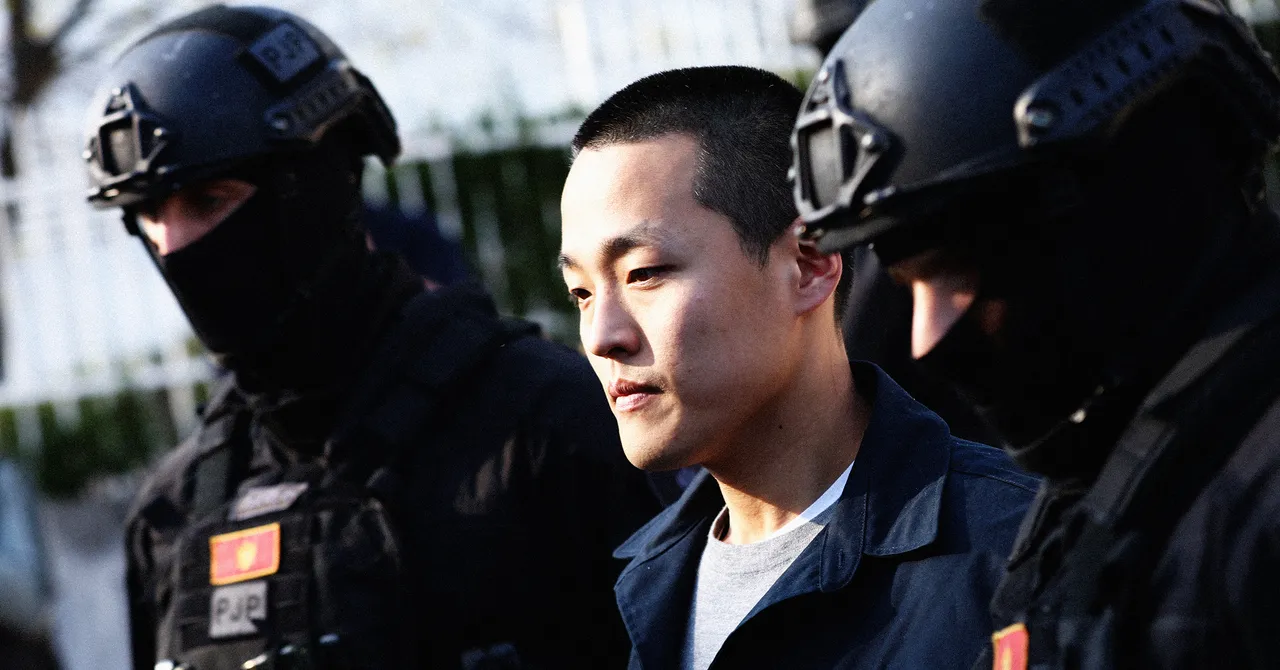
Crypto mogul Do Kwon gets 15 years behind bars—big win for accountability

South Korean Crypto Entrepreneur Do Kwon Sentenced to 15 Years in U.S. Court Amid Industry Disruption

In a landmark ruling that underscores the high-stakes nature of cryptocurrency innovation and the risks tied to speculative assets, Do Kwon, the South Korean crypto pioneer and founder of Terraform Labs, was sentenced to 15 years in prison by a U.S. federal court in Manhattan. This case not only marks a significant legal milestone but also signals a stern warning to emerging disruptive financial technologies that threaten to reshape traditional markets. Kwon’s conviction was rooted in the collapse of TerraUSD (UST), a supposedly algorithm-backed stablecoin that aimed to revolutionize digital finance but ultimately became a cautionary tale of overconfidence in unregulated innovation.

The fallout from the breakup of TerraUSD in May 2022 was catastrophic—wiping out an estimated $40 billion from the crypto ecosystem and destabilizing numerous startups and investors worldwide. Kwon’s aggressive marketing of UST, a stablecoin purportedly pegged to the U.S. dollar via a complex algorithm involving the LUNA token, exemplifies what industry analysts describe as the misplaced trust in algorithmic financial mechanisms. By offering a supposedly tamper-proof peg, Terraform Labs promised a new frontier of stable digital assets. Instead, the system’s failure exposed vulnerabilities inherent in decentralized finance (DeFi), revealing the hazards of unchecked entrepreneurial zeal.

  • Disrupted Market Dynamics: The collapse led to market panic, triggering a cascade that affected dozens of crypto firms and investors.
  • Regulatory Clarity: The case marks a pivotal step towards more rigorous oversight, as authorities aim to curb fraud and promote responsible innovation.
  • Innovation vs. Risk: The incident emphasizes the importance of balancing disruptive advancements with sustainable, transparent frameworks—an area where industry leaders like Elon Musk advise caution.

Among industry observers, analysts at Gartner and MIT emphasize that this high-profile case could accelerate regulatory actions worldwide, compelling blockchain developers to adopt more rigorous security standards and compliance protocols. The case also ignites a broader debate on the future of stablecoins, which are seen as vital for mainstream adoption of digital currencies and decentralized financial services. However, critics warn that the reliance on complex algorithms without adequate safeguards can lead to systemic failures, threatening the integrity and sustainability of the crypto economy.

The sentencing underscores a challenging but inevitable trajectory for crypto innovators—those who push the boundaries of digital finance must now reconcile with growing regulatory scrutiny and the imperative for sound risk management. The industry’s future hinges on the ability of entrepreneurs and institutions to learn from these failures, fostering innovation that not only disrupts but also endures. As the sector heads into a new era marked by increased oversight and technological maturation, stakeholders are urged to act swiftly—those who adapt and innovate responsibly will lead the next wave of digital transformation, while complacency risks catastrophic fallout. The next chapter in crypto innovation will be shaped by how the ecosystem responds to this historic judgment, with urgency and strategic foresight taking center stage.

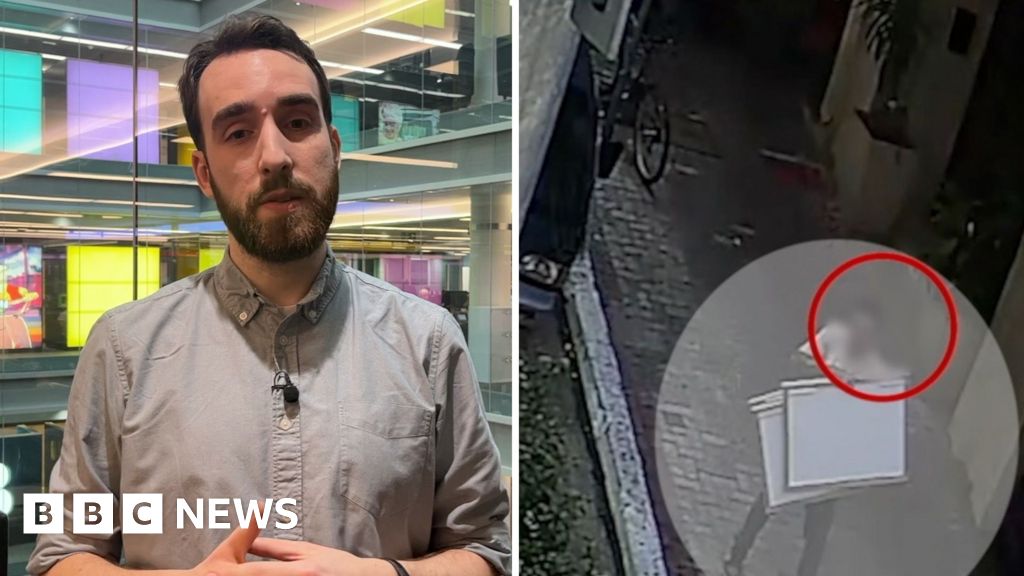
CCTV captures suspects fleeing on foot with stolen art—time for tougher crime crackdown

The recent theft of at least 13 priceless artworks from a library in São Paulo, Brazil, has sent shockwaves through the international art community and raised serious questions about security and geopolitical stability. Among the stolen items are eight engravings by the renowned French artist Henri Matisse, reflecting the cultural loss not only for Brazil but for the global heritage. The audacity and sophistication of the heist highlight a disturbing trend in transnational art theft, a crime that not only robs societies of their history but also fuels the black market on an international scale.

Authorities confirmed that they have located the “escape vehicle” linked to the crime and have arrested one suspect, yet the stolen artworks remain at large. Cooperation with Interpol underscores the severity of the case, as officials work tirelessly to recover the pieces before they are smuggled beyond national borders. Analysts warn that such thefts are often interconnected with larger networks operating across continents, shifting the balance of cultural influence and economic power. This incident serves as a stark reminder of the vulnerabilities faced by cultural institutions worldwide amid rising organized crime and a lack of robust security measures. As Brazilian law enforcement and international agencies collaborate, questions linger over the sophistication of the theft—was it merely a localized crime or part of a broader pattern involving transcontinental trafficking networks?

The unfolding situation highlights *how decisions made at the international governance level, such as border security and cooperation protocols, directly impact local and national efforts to safeguard cultural treasures*. According to international security experts, the theft underscores the necessity for stronger collaborations and technological innovations in protecting vital cultural assets. The incident also exposes the vulnerabilities of even seemingly secure cultural repositories in rapidly developing countries, where the appeal of black-market art trade continues to grow. Historians and analysts emphasize that this pattern, if unchecked, could result in irreversible losses of humanity’s shared cultural history, eroding the collective identity of nations and societies.

As the crisis unfolds, Brazil faces a pivotal moment that could influence regional stability and international norms surrounding cultural preservation. The compromised security at São Paulo’s library not only exemplifies the danger posed by organized crime but also raises urgent questions about how nations can protect their most precious cultural assets in an increasingly interconnected world. What remains at stake is not just a collection of artworks, but the integrity of history itself—an ongoing struggle where the stakes grow higher with each passing day. The world watches, and history hangs in the balance, waiting to see if justice and cultural recovery will triumph over the shadows cast by this audacious heist—one that may just rewrite the narrative of international cultural security forever.

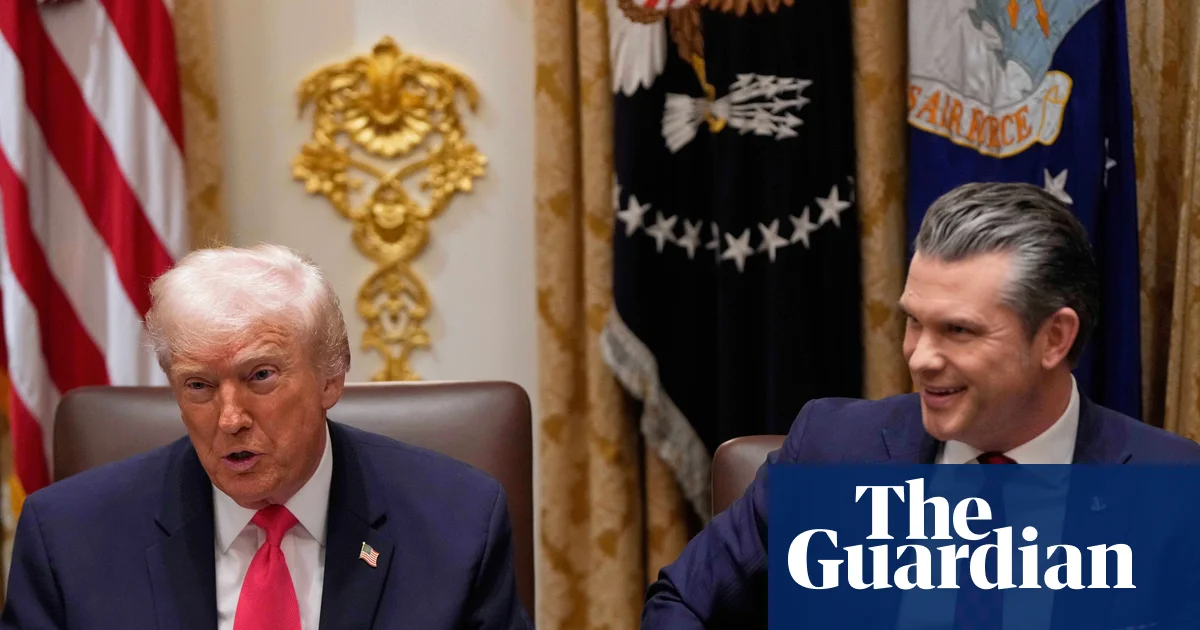
Democrats push Pentagon to release footage of suspected drug boat strike — returning to tough on crime stance from Trump era

Controversy Erupts Over US Navy Strike in the Caribbean

In a development that could have far-reaching geopolitical impact, the United States is facing mounting scrutiny over a deadly naval attack in the Caribbean, where eleven individuals lost their lives. The controversy revolves around the Pentagon’s refusal to publicly release video footage of the incident, stirring international and domestic objections. Democratic leaders and security analysts argue that transparency is vital to assess the legality and moral standards of such military actions, especially given the disturbing reports of a second strike that targeted alleged survivors clinging to wreckage.

This incident has highlighted a broader debate about the limits of military authority and accountability. The attack, which took place on September 2, involved an operation against what US officials described as a drug-smuggling vessel. However, critics, including Democratic Senator Adam Schiff, emphasize that the absence of visual evidence fuels accusations of reckless conduct and potential war crimes. As some members of Congress demand transparency — with Senator Schiff calling for the release of the video — others, like Pentagon officials, cite concerns about safeguarding classified information, revealing a tension between national security and public oversight.

International and Strategic Ramifications

The refusal to share the footage comes at a critical juncture for global perceptions of US military engagement. The incident underscores the risk of escalation in the region, where such actions may erode the US’s image as a defender of moral standards. Analysts warn that this controversy could embolden rival powers like China and Russia, who have been keen to exploit perceived American overreach to justify their own aggressive postures elsewhere. How the Biden administration chooses to handle this controversy will influence the future of American military diplomacy and credibility, especially in unstable regions marked by lawlessness and turmoil.

International organizations, including human rights watchdogs, have expressed concern over the potential violation of international law. Historians note that such incidents, if unresolved or perceived as unjust, tend to serve as catalysts for broader regional conflicts. Furthermore, military experts remind that decisions made in the fog of conflict often bear consequences long after the firing stops, transforming battlefield actions into symbols of moral and strategic dilemmas. As the debate intensifies, the world watches closely — realizing that every clandestine attack, every withheld video, becomes another chapter in a narrative of power, justice, and the fragile morality of warfare.

Reader’s Reflection: The Weight of Unfolding History

As the dust settles and more information surfaces — or is concealed — the core question remains: what echoes will this bequeath in the annals of history? Will the US’s refusal to provide clarity strengthen its resolve and moral authority, or will it diminish its standing and invite doubt? The unfolding story is a stark reminder of the potent consequences when military force is wielded in the shadows, shaping not only the immediate battlefield but also the very fabric of international justice and sovereignty. The world stands at a precipice, evaluating whether the current path embodies strength or peril, and history’s verdict still hangs in the balance, waiting to be written.

Ami-dong: Busan’s Bold ‘Tombstone Village’—Korean Refugees Reclaim a Japanese Cemetery with Style

Standing at the crossroads of history and transformation, Busan, South Korea, offers more than just scenic beaches and vibrant markets—it embodies a complex narrative of resilience, migration, and cultural preservation. Tucked away in the hills adjacent to one of the city’s most colorful landmarks, the Ami-dong area is a living testament to Korea’s turbulent past and the enduring spirit of its people. Once a hidden pocket of history, adorned with tombstones inscribed with Japanese characters, today it stands as a symbol of renewal—a place that invites visitors to reflect on the layers of life, death, and rebirth that have shaped the city’s identity. For the modern explorer, Ami-dong isn’t merely a tourist attraction; it is an immersive journey into the soul of a nation that refuses to forget its past while boldly building its future.

During the Korean War, Ami-dong served as a crux of survival for refugees fleeing the devastation of conflict. Built atop the remains of an old cemetery—originally established during Japan’s occupation of Korea from 1910 to 1945—the area symbolizes a convergence of colonial history and wartime resilience. As the war displaced over 640,000 North Koreans and countless South Koreans, many sought refuge in Busan, which became a makeshift wartime capital. This influx of displaced citizens led to the rapid expansion of densely packed hut villages, with the remnants of Japanese tombstones repurposed as construction materials or used as garden borders—small, tangible echoes of the past laid bare amidst the urban sprawl. As noted by historians like Kim Jung-ha, the area of Ami-dong was once a boundary—between life and death, urban and rural, home and alien territory—a reflection of Korea’s ongoing struggle to redefine itself amidst layers of colonization and conflict.

In recent years, however, the narrative of Ami-dong has shifted from one of trauma to one of vibrant cultural revival. The South Korean government has invested significantly in preserving this unique heritage site, transforming it into a thoughtfully curated tourist destination that balances remembrance with progress. Guided by local initiatives and cultural experts, the area now features an information center illustrating its historical significance, with murals and plaques paying homage to the tombstones and the lives they represent. Visitors are encouraged to approach respectfully, as many residents still cherish their community’s roots.

  • Explore the winding alleys and spot tombstones nestled under staircases and doorsteps, some inscribed with Japanese characters, others weathered by time, whispering stories of those long gone.
  • Visit the nearby Gamcheon Culture Village—another hub of colorful art and history—often linked by scenic bus rides that highlight the city’s blend of old and new.
  • Reflect at the planned memorial site, where scattered tombstones θα be collected, honoring the memory of those who contributed to the city’s layered history.

Ultimately, Ami-dong exemplifies a lifestyle rooted in *mindful remembrance* and *urban renewal*. It challenges the urban dweller and the curious traveler alike to consider how history influences our present—and how, through respect and preservation, we forge a meaningful connection to the past. As urban engineering professor Kong Yoon-kyung eloquently expressed, “In an urgent situation, when there was no land, a cemetery was there, and people felt compelled to live among those memories.” Today, this sentiment resonates in the enduring presence of tombstones, not as symbols of death, but as anchors of personal and collective identity. Life, in its continual flow, demands that we confront our roots with honesty and reverence, recognizing that our future can be enriched only by learning from what we carry beneath our feet. For those willing to embrace history in its raw, unvarnished form, Ami-dong beckons as a reminder that true wellness and inspiration come from understanding where we come from—even when that means walking among ghosts of a complex, storied past.

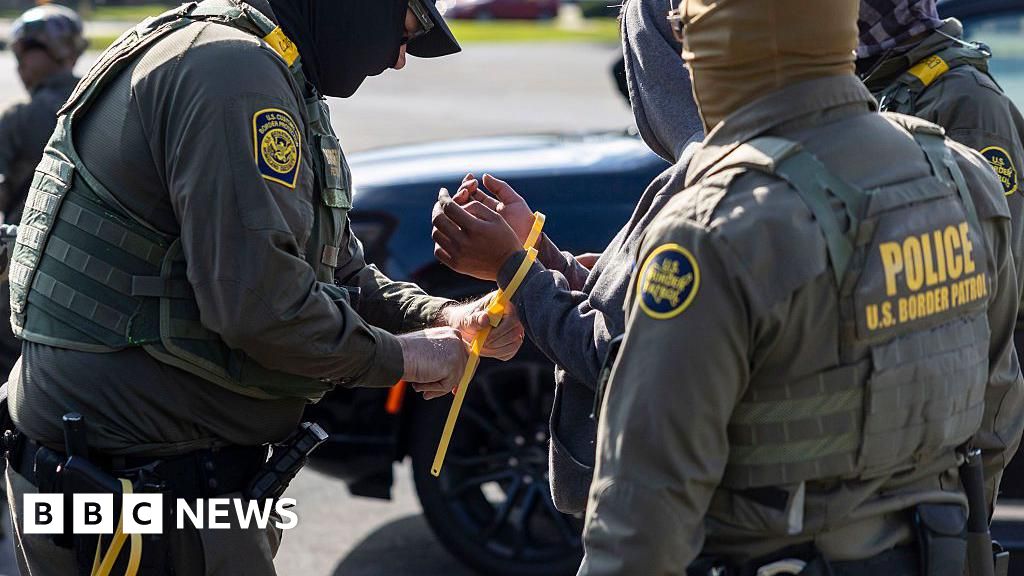
Charlotte braces for DHS crackdown on illegal aliens linked to crime

The recent surge of aggressive immigration enforcement by the United States, led by President Donald Trump, has reshaped the landscape of domestic policy and ignited intense debates about national security versus immigrant rights. With the announcement of “Operation Charlotte’s Web”, US homeland security officials have conducted large-scale raids in Charlotte, North Carolina, targeting what they describe as “criminal illegal aliens.” This operation, involving armored vehicles and special operations teams, marks a significant escalation in the Trump administration’s ambitious pledge to deploy the “largest deportation programme” in US history, a move that continues to draw both staunch support and widespread condemnation.

From an international perspective, the geopolitical impact of this crackdown cannot be understated. Critics argue that such aggressive tactics not only intensify domestic social divisions but also influence America’s standing on the global stage, especially among allied nations that emphasize immigration inclusion and human rights. While the DHS defends its actions, claiming they are necessary to uphold law enforcement in cities like Charlotte—which, notably, is a “certified welcoming city”—the repercussions extend beyond internal politics. International organizations, such as the United Nations, have historically voiced concern over mass deportations and the treatment of migrants, warning that such policies risk undermining basic human dignity and international norms.

Furthermore, the geopolitical implications ripple across the Atlantic and beyond as neighbors and allies monitor the United States’ internal policies with wary eyes. How such aggressive measures influence bilateral relations, especially with Mexico and Caribbean nations whose citizens are often targeted or affected, remains a critical concern. Esteemed analysts, including those at the International Crisis Group, have noted that prolonged enforcement actions could deepen existing tensions, destabilize regional migration flows, and complicate cooperation on transnational issues like security and trade. The debate over the balance between national sovereignty and international humanitarian obligations has become more urgent in this era of interconnected crises and shifting alliances.

As the operation unfolds, reports from Charlotte describe a community gripped with fear and uncertainty, illustrating the tangible societal cost of these policies. Youths and families fleeing into the woods and communities grappling with the reality of their neighbors’ detention underscore the internal societal strain caused by this crackdown. Critics, including local officials and civil rights advocates, argue that a policy rooted in harsh enforcement alienates vulnerable populations and threatens the social fabric of multicultural cities like Charlotte, which boasts a considerable foreign-born population.

In the broader historical narrative, these events signify a pivotal moment of transformative change in U.S. immigration policy, echoing debates that have raged since the country’s founding. As historians like Douglas Massey and Julie Siddiqi suggest, policies of this scale can redefine national identity, affecting not only the fabric of society but also positioning the nation on the global stage. With the next targets on President Trump’s list reportedly including New Orleans and possibly Chicago, the global community must prepare for a new chapter—one where the decisions made today will echo for generations.

In this unfolding drama of policy and power, the world watches as America grapples with the question of how far a nation should go to defend its borders and uphold its laws. With the weight of history looming large, this chapter in the story of a divided nation remains far from over, leaving the international community to wonder: what legacy will these turbulent times leave for future generations to learn from?

Youth-led protests erupt in Mexico criticizing government’s crime crackdown

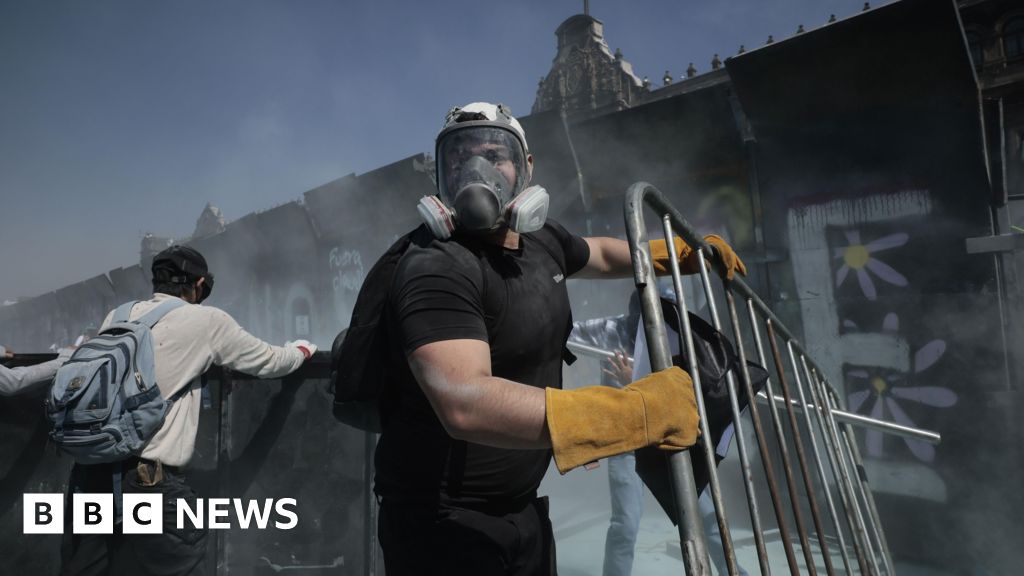
In a striking display of domestic unrest, Mexico has recently witnessed thousands of protesters flooding the streets of Mexico City and other urban centers, voicing their anguish over the persistent grip of violent crime and cartel warfare. Organised largely by Generation Z youth groups, this wave of dissent underscores a profound societal crisis that transcends mere law enforcement failures to threaten the very fabric of Mexican society. The rally, sparked by the brutal assassination of Carlos Manzo, a progressive mayor who demanded tough action against criminal gangs, echoes a broader dissatisfaction with the government’s approach, and highlights the simmering tensions that could destabilize the region further.

President Claudia Sheinbaum has come under fire for her handling—or perceived mishandling—of these issues. Her assertions that the protests are fueled by right-wing political actors and online bots reveal her effort to deflect responsibility and maintain public approval, which remains above 70% according to official polls. Yet, critics—both within and outside Mexico—argue that her resistance to an all-out war against cartels is fueling the violence, while her reluctance to implement aggressive drug policies—a legacy of Mexico’s tumultuous history—risks prolonging the chaos and undermining regional stability. As analysts like historian María Rivera warn, the decision to tread carefully rather than confront cartels directly could have far-reaching consequences beyond Mexico’s borders.

The geopolitical impact of Mexico’s internal turmoil extends to its neighbors, especially the United States. US policymakers, concerned about the spillover of violence and fentanyl trafficking, see Mexico’s approach as a critical factor in shaping regional security. President Trump’s focus on border security and drug interdiction is echoed by others who demand a more aggressive stance; however, Mexico’s reluctance to escalate the conflict highlights a broader debate about sovereignty, intervention, and the limits of foreign influence. Meanwhile, Peru’s recent declaration of Sheinbaum as persona non grata and the severance of diplomatic ties reveal how Mexico’s domestic issues have begun to resonate on the international stage, destabilizing diplomatic relations in South America and exposing fissures within Latin America’s diplomatic fabric.

As global powers jostle to define their roles in this unfolding crisis, international organizations have warned of a potential regional escalation. The International Crisis Group cautions that if Mexico’s internal strife persists without a clear and effective resolution, it could serve as a catalyst for broader U.S.-Latin America tensions, and even encourage unauthorized state actors to exploit the unrest. The fact that Mexico—once hailed as a pillar of regional stability—is now embroiled in violent upheaval underscores the cautionary tale that history offers: when internal disorder is left unaddressed, it inevitably becomes a larger, transnational threat. The world watches with bated breath as this chapter of Mexico’s history remains unwritten, yet the shadows of conflict cast long and dark across continents.

Second brother of French anti-drugs activist shot dead in Marseille—another tragic blow to the fight against crime

Marseille Violence: The Tragedy of Gang Warfare and Its Global Implications

The recent brutal murders in Marseille, France, underscore a critical escalation in urban violence, with profound geopolitical repercussions that extend beyond local boundaries. The killing of two brothers from the same family—Brahim in 2020 and now Mehdi in 2023—illuminates the destructive power of organized crime and its enduring grip over the city’s most vulnerable communities. The tragic pattern, with youth as young as 15 pulled into violent vendettas, serves as a stark reminder of the erosion of social stability within Western nations, challenging political leaders and law enforcement agencies alike. The fact that a young anti-drugs activist, Amine Kessaci, whose work aimed to mitigate this chaos, receives death threats underscores an unsettling turning point—a confrontation with the fracture lines in French society and the wider Western world.

Marseille’s endemic violence is emblematic of a broader uprising of urban insurgencies affecting many Western city-states. As gangs continue to carve out turf within high-immigration neighborhoods, their warfare spills into street-level shootings, often occurring in broad daylight, as seen with Mehdi’s murder by motorcycle gunfire. Local authorities acknowledge that these crimes are not isolated; they are part of a harrowing cycle of revenge and territorial disputes, often fueled by drug trafficking networks that have entrenched themselves in the city’s fabric. The European and international community, including analysts and historians, highlight that such violence threatens the very fabric of civil society, prompting urgent calls for comprehensive reforms. Yet, the persistence of these conflicts raises uncomfortable questions about how nations can reform immigration, law enforcement, and social policy to prevent a slide into lawless chaos.

The Shadow of Organized Crime and Political Reckoning

  • The murder of Brahim, linked to drug gang vendettas, encapsulates the threat posed by criminal organizations that often operate with impunity and difficulty for authorities to dismantle.
  • Mehdi’s murder, seemingly unrelated to gangs, is feared to be a warning aimed squarely at Amine, whose outspoken activism and political ambitions made him a target—symbolizing how criminal violence intersects with political activism.
  • Amine’s establishment of Conscience, an NGO dedicated to aiding families affected by drugs violence, underscores a new wave of civic activism aimed at combating these structures from within.

Such developments signal a warning of a wider societal breakdown, with international watchdogs cautioning that, without decisive action, these localized conflicts could spiral into a broader crisis of governance and security. The French government’s response, characterized by police protection for activists like Amine, reflects a recognition of the seriousness of these threats. Still, critics argue that current policies lack the strategic depth needed to truly unravel the roots of criminal networks. The European Union and other international bodies continue to monitor the situation, with some alarmed by the increasing youth involvement in gangs—an issue that threatens to undermine future generations’ prospects and social cohesion.

Consequences for Europe and Beyond

The violence in Marseille epitomizes a continuing challenge for EU nations attempting to balance multicultural integration with national security. As analysts point out, the situation could serve as a harbinger for similar strains across other European borders, especially in cities with large immigrant populations. The ongoing crisis also raises questions about international cooperation—whether global institutions will rise to the occasion or become overwhelmed by the complexity of such urban war zones. The historical perspective warns that neglecting these issues risks turning once-thriving urban centers into lawless enclaves, where de facto warlord rule replaces civil authority, echoing patterns seen in failed states worldwide.

As history unfolds, the death of Mehdi and Brahim Kessaci will be remembered not only as isolated tragedies but as symbols of a war within cities that threaten to rewrite the social contract. The weight of this moment challenges leaders and societies to confront uncomfortable truths about governance, integration, and the true cost of neglecting the roots of urban decay. The future remains uncertain—balancing on the precipice of change, where each decision could either mend a fractured society or plunge it further into the shadows of chaos. History, it seems, is still writing its darkest chapters, and the fate of Marseille may well serve as a cautionary tale for cities worldwide struggling beneath the weight of their own internal conflicts.

Social Media Auto Publish Powered By : XYZScripts.com