Matox News

Truth Over Trends, always!

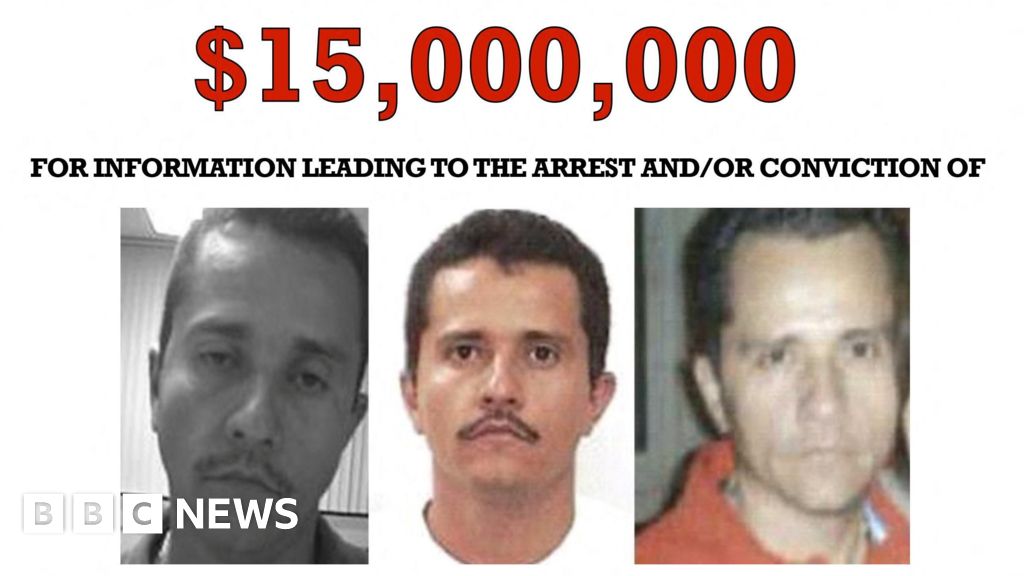
El Mencho: The Notorious Criminal Powerhouse Behind Mexico’s Most Wanted List

The international landscape of organized crime has once again demonstrated its profound influence on global stability, as the ascent of Nemesio Oseguera Cervantes, better known as ‘El Mencho’, underscores the complex interplay of violence, economics, and geopolitics shaping nations today. Originating from humble rural roots in the western state of Michoacán, Mexico, ‘El Mencho’ swiftly ascended the ranks of criminal dominance, leading the infamous Jalisco New Generation Cartel (CJNG)—a behemoth of brutality and strategic sophistication. His rise exemplifies how criminal organizations can extend their influence beyond borders, challenging law enforcement efforts and destabilizing entire regions.

The emergence of ‘El Mencho’ underscores a broader trend of criminal enterprises becoming de facto geopolitical players. Driven by ruthless ambition, CJNG has wrought havoc across Mexico, but its reach extends into the United States and Central America, affecting the socio-economic fabric of multiple societies. International organizations, such as the United Nations Office on Drugs and Crime (UNODC), warn that cartels like CJNG threaten the sovereignty of nations, facilitating not only drug trafficking but also corruption, violence, and destabilization. Analysts emphasize that these organizations often leverage political vulnerabilities, undermining state authority and complicating diplomatic efforts to restore peace and order.

Decisive moments, such as U.S.-Mexico security collaborations and Colombian anti-narcotics initiatives, highlight the ongoing global struggle to contain these shadow armies. Yet, despite increased efforts, figures like ‘El Mencho’ remain elusive, symbolizing the resilience and adaptability of criminal networks. Historians warn that these forces threaten to undo decades of progress in regional security, transforming local turf wars into international crises. As geopolitical analysts reflect on recent developments, they suggest that failure to address the root causes—poverty, corruption, and weak institutions—may serve only to prolong the chaos.

In this unfolding era, where drug cartels evolve from mere criminal syndicates into formidable geopolitical actors, the stakes have never been higher. Nations grapple with the reality that the decisions made today—be it increased security measures, intelligence sharing, or socioeconomic reforms—will determine the course of history. The story of ‘El Mencho’ exemplifies how a single figure, born in modest circumstances, can rise to threaten regional stability, transforming the fabric of nations into battlegrounds of influence. As the world watches and reacts, history continues to unfold, reminding us that in the shadows of crime, true power may ultimately be held by those who manipulate chaos to their advantage—and the consequences for societies will echo for generations to come.

Wokingham special needs firm under criminal investigation amid calls for accountability

Amidst the unfolding narratives of social accountability and the complexities of how families are impacted by educational and social services, recent revelations about Remedicare Education emerge as a stark reminder of the vulnerabilities within our current systems. The investigation into this organization, which specializes in educating children who have struggled with mainstream schooling, highlights critical issues concerning social trust, regulatory oversight, and community safety. According to reports, the Office for Standards in Education, Children’s Services and Skills (Ofsted) is now conducting a criminal inquiry into the company—an investigation that raises questions about the adequacy of safeguarding measures and the integrity of providers working with society’s most vulnerable.

The controversy stems from an unsettling connection to Laura Horton, a former director of Remedicare, who was jailed for attempting to smuggle synthetic drugs—Spice—into prisons nationwide. Her involvement, which included sending fake legal papers to facilities such as Isle of Wight Prison, underscores troubling gaps in vetting procedures. Despite her resignation from the company following allegations of inappropriate conduct with a patient at Broadmoor Secure Hospital, questions persist about how she was initially appointed. Social commentators and sociologists, including Dr. Karen Gill of the Society for the Societal Well-being, argue that such cases reveal “a troubling failure of regulatory oversight that jeopardizes trust in institutions designed to safeguard our community’s most at-risk children.”

Social issues of trust and systemic failure significantly reverberate through families and communities, especially when children’s safety and education are compromised. Pete Evans, whose autistic son was placed in care by Remedicare, expressed his bewilderment and deep concern when he discovered that the woman who appeared to serve in a ‘headteacher-like’ role was connected to criminal activity. His son’s placement—initially perceived as a protective measure—became a source of familial distress, compounded by the local authority’s subsequent acknowledgment of a need to “further strengthen the process” of child placement. Such incidents expose a dangerous demographic shift where, due to under-regulation, the most vulnerable are exposed to unchecked risks, shaking the trust that families rely on to protect their children’s future.

At the heart of these social debates lies a fundamental question: how can society better safeguard its children and uphold the integrity of community care? Solutions proposed by social institutions focus on

  • enhanced registration and oversight of educational providers, especially those operating outside traditional school systems
  • rigorous background checks for staff involved in vulnerable children’s education
  • transparency in safeguarding procedures and stricter enforcement of compliance protocols

These measures aim not only to restore public confidence but also to reinforce the moral obligation that institutions have to protect and serve society’s most impressionable members. Sociologists warn that failure to address systemic gaps risks further erosion of societal fabric—shrinking community trust and encouraging a climate where social tensions simmer beneath the surface, primed to explode into crises that threaten our shared way of life.

As society faces these profound challenges, our collective hope resides in the resilience and moral rectitude capable of inspiring meaningful reform. Society’s true strength may be reflected not in the absence of its flaws but in the unwavering commitment to rectify them—a pursuit that, at its core, seeks to nurture generations rooted in safety, integrity, and hope. In this moment of reckoning, society must ask itself whether it will muster the resolve to rebuild its trust, or allow the shadows of neglect and dishonesty to deepen, leaving future generations to navigate a landscape marred by betrayal. Only then can we truly begin to envision a society where education and social care serve as pillars of moral renewal, anchoring families in the unwavering promise that society will always stand as a shield, not a sword of harm.

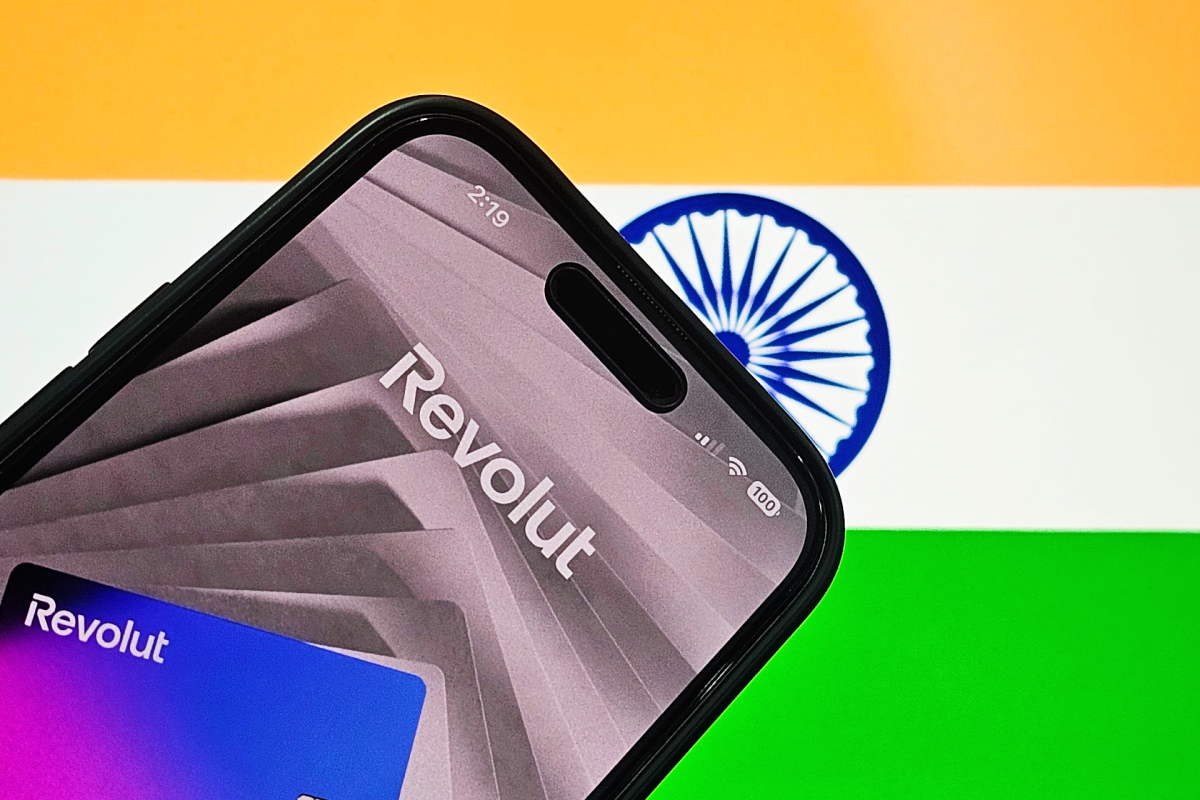
Revolut targets Indian banks’ ‘criminal’ forex fees, challenging the old guard

Revolut Ignites Fintech Disruption in India’s Cross-Border Payments Market

In a bold move to reshape India’s underserved cross-border payments landscape, British fintech powerhouse Revolut has officially launched operations in the country, aiming to capitalize on a $30 billion annual flow of Indian abroad. The company’s strategic entry underscores a significant industry shift driven by innovation and regulatory agility, positioning it to challenge deeply entrenched banking giants and local fintech rivals.

Since announcing its India plans in 2021, Revolut has diligently secured key regulatory licenses, including the full authorization from the Reserve Bank of India to issue prepaid cards and digital wallets, and has acquired local entities like Arvog Forex to solidify its foothold. These milestones mark a deliberate disruption of traditional banking models that have historically dominated foreign exchange services, often charging exorbitant fees that Revolut’s India Head, Paroma Chatterjee, aptly describes as “criminal.” With these permits, Revolut can now offer domestic and international payment services, including same-day remittances, positioning itself as a formidable player in a market where cross-border fees are often perceived as predatory.

The implications extend beyond mere fee reduction; Revolut’s innovative platform leverages multi-currency accounts, digital wallets, and local network integrations, including discussions with payments networks like Visa and India’s RuPay. By doing so, the company aims to deliver a superior customer experience—an essential factor highlighted by industry analysts such as Gartner—that directly threatens traditional banks’ monopolistic hold on currency exchange and remittance services. The disruption here signals the dawn of a new fintech era, where transparency, usability, and regulation enable faster, cheaper international transactions.

Business Strategy and Market Outlook

Revolut’s vision centers on targeting over 150 million digitally native Indians aged 25–45, with a stretch goal to onboard 20 million users by 2030 and process upward of $7 billion in transactions. This strategic focus reflects a broader industry trend where digital-first financial services prioritize highly engaged, profitable customer segments rather than sheer volume. Chatterjee emphasizes that “customer engagement and profitability are the metrics that will define success,” a viewpoint shared among leading fintech innovators like Peter Thiel, who advocate for sustainable, value-driven growth over vanity metrics.

Furthermore, Revolut’s current waitlist of more than 350,000 potential Indian users underscores the latent demand for alternative, more affordable cross-border solutions. The company’s flexible network approach, including exploring local payment options such as RuPay, underscores its commitment to capturing market share in a competitive environment populated by established fintech players like Niyo and BookMyForex. This demonstrates an understanding that strategic partnerships and local inclusion are essential for long-term viability in India’s complex regulatory and consumer landscape.

Future Outlook and Industry Impact

The rapid digital transformation reshaping financial services calls for aggressive innovation, a trend further accelerated by the rise of fintech startups globally. As industry leaders and investors watch closely, Revolut’s expansion into India exemplifies a broader disruption that could permanently alter the way cross-border payments are handled worldwide. With its proactive investment of over $45 million to localize operations and a burgeoning team of 3,500 employees in India, Revolut signals a breakaway from the traditional banking approach.

Looking ahead, the industry faces a critical juncture where regulatory evolution, technological innovation, and fierce competition will determine which players can claim dominance in the next generation of financial services. As Elon Musk and other visionaries continuously push the boundaries of digital disruption, the message is clear: the days of slow, fee-laden international transactions are numbered. For fintech firms and traditional banks alike, the clock is ticking—those who fail to innovate risk obsolescence in a rapidly shifting global landscape.

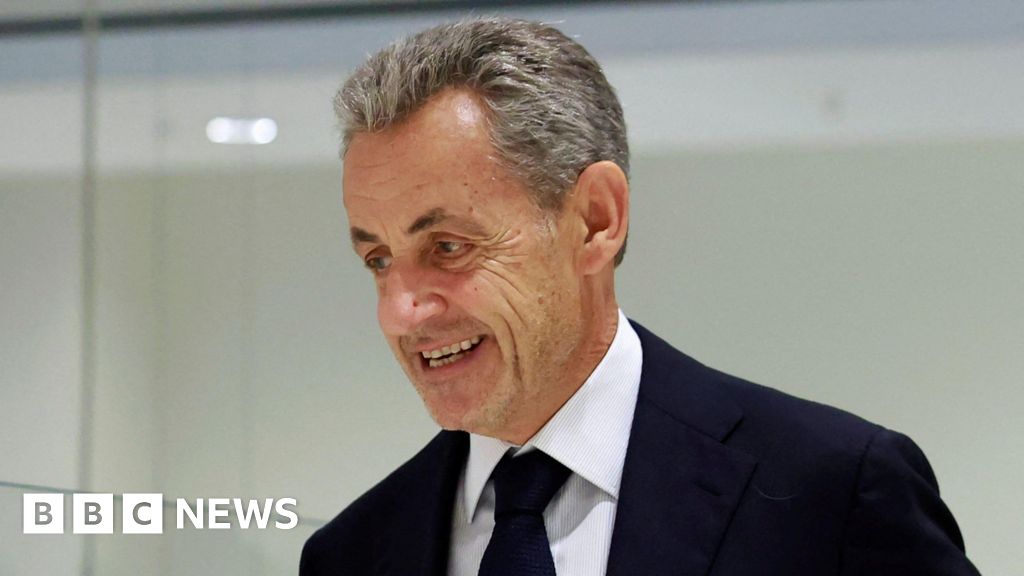
Sarkozy Convicted of Criminal Conspiracy: Justice Served for Our Country

In an unprecedented turn of events, former French President Nicolas Sarkozy has been found guilty of criminal conspiracy in connection with illicit funds received from the late Libyan leader Muammar Gaddafi. This verdict, delivered by the Paris criminal court, marks a significant milestone in France’s ongoing effort to address the shadows of political corruption that cast a long pall over its recent history. The case, rooted in allegations that Sarkozy used Libyan money to finance his 2007 presidential campaign—an accusation he strongly denies as politically motivated—has reverberated through Europe, prompting questions about accountability at the highest levels of governance.

Historians and international analysts point out that this development underscores the delicate balance of power between national sovereignty and international influence, especially in the context of foreign interference and clandestine geopolitical maneuvers. The European Union and various global watchdogs have long debated the influence of foreign regimes on Western democracies, but Sarkozy’s case exemplifies how such interference can directly threaten the integrity of the political process. While he was acquitted of other charges including passive corruption and illegal campaign financing, the conviction on conspiracy charges signals a shift towards greater scrutiny of foreign influence within Western political spheres.

How decisions made in the aftermath of Libya’s 2011 civil conflict ripple across nations is evident in the broader geopolitical landscape. Gaddafi’s fall and the ensuing chaos created a power vacuum that foreign actors, including France and other Western nations, sought to navigate through clandestine support and diplomatic maneuvers. The revelations that Sarkozy’s campaign may have been secretly financed by Gaddafi’s regime are viewed by many as a cautionary tale about the dangerous entanglements of international diplomacy. The international community—notably organizations such as Interpole and the United Nations—monitor these developments as potential precursors to further destabilization, emphasizing that international law and sovereignty are continually under threat from hidden agendas fueled by illicit financial flows.

As Sarkozy faces potential sentencing, the implications extend beyond individual accountability. The case epitomizes the ongoing struggle to maintain national sovereignty against a backdrop of complex, often covert, international influences. Tensions are mounting as investigations into other political figures and foreign ties continue to unfold across Europe, raising questions about the integrity of democratic institutions. Whispers of global power plays and the influence of state-sponsored clandestine funding highlight the fragility of Western democracies in an era of relentless geopolitical shifts. With this verdict, the stakes are higher than ever—nations must grapple anew with the warning that the foundations of their sovereignty are often vulnerable to unseen forces lurking behind diplomatic facades. Ultimately, history remains on the edge of another chapter in an ongoing saga of power, influence, and the relentless pursuit of truth amid shadows that threaten to reshape the global order.

Social Media Auto Publish Powered By : XYZScripts.com