Matox News

Truth Over Trends, always!

Ami-dong: Busan’s Bold ‘Tombstone Village’—Korean Refugees Reclaim a Japanese Cemetery with Style

Standing at the crossroads of history and transformation, Busan, South Korea, offers more than just scenic beaches and vibrant markets—it embodies a complex narrative of resilience, migration, and cultural preservation. Tucked away in the hills adjacent to one of the city’s most colorful landmarks, the Ami-dong area is a living testament to Korea’s turbulent past and the enduring spirit of its people. Once a hidden pocket of history, adorned with tombstones inscribed with Japanese characters, today it stands as a symbol of renewal—a place that invites visitors to reflect on the layers of life, death, and rebirth that have shaped the city’s identity. For the modern explorer, Ami-dong isn’t merely a tourist attraction; it is an immersive journey into the soul of a nation that refuses to forget its past while boldly building its future.

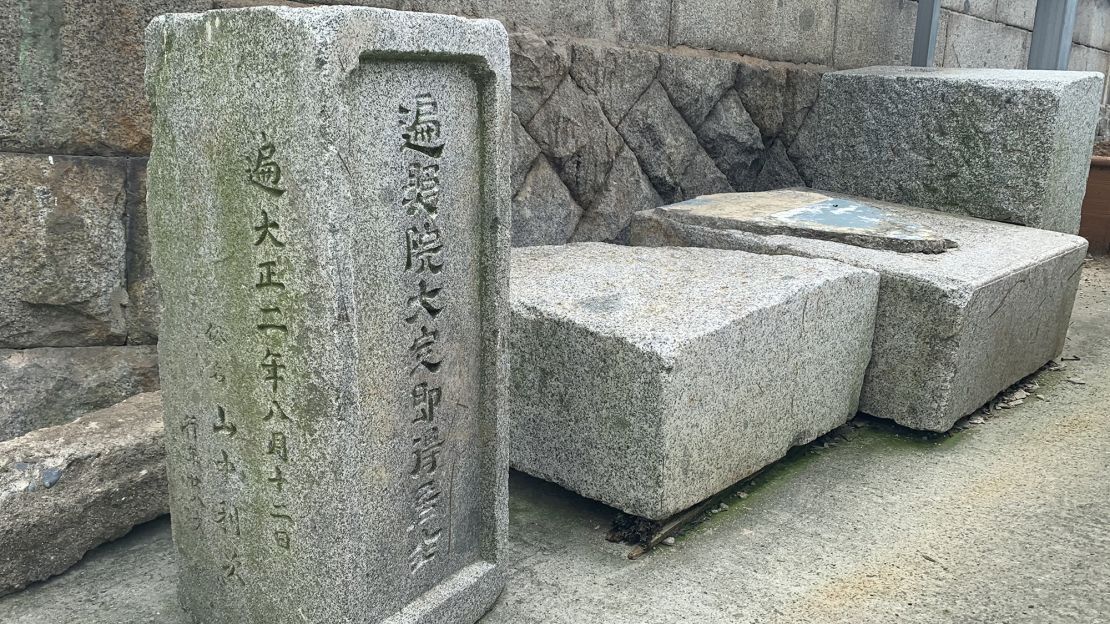
During the Korean War, Ami-dong served as a crux of survival for refugees fleeing the devastation of conflict. Built atop the remains of an old cemetery—originally established during Japan’s occupation of Korea from 1910 to 1945—the area symbolizes a convergence of colonial history and wartime resilience. As the war displaced over 640,000 North Koreans and countless South Koreans, many sought refuge in Busan, which became a makeshift wartime capital. This influx of displaced citizens led to the rapid expansion of densely packed hut villages, with the remnants of Japanese tombstones repurposed as construction materials or used as garden borders—small, tangible echoes of the past laid bare amidst the urban sprawl. As noted by historians like Kim Jung-ha, the area of Ami-dong was once a boundary—between life and death, urban and rural, home and alien territory—a reflection of Korea’s ongoing struggle to redefine itself amidst layers of colonization and conflict.

In recent years, however, the narrative of Ami-dong has shifted from one of trauma to one of vibrant cultural revival. The South Korean government has invested significantly in preserving this unique heritage site, transforming it into a thoughtfully curated tourist destination that balances remembrance with progress. Guided by local initiatives and cultural experts, the area now features an information center illustrating its historical significance, with murals and plaques paying homage to the tombstones and the lives they represent. Visitors are encouraged to approach respectfully, as many residents still cherish their community’s roots.

  • Explore the winding alleys and spot tombstones nestled under staircases and doorsteps, some inscribed with Japanese characters, others weathered by time, whispering stories of those long gone.
  • Visit the nearby Gamcheon Culture Village—another hub of colorful art and history—often linked by scenic bus rides that highlight the city’s blend of old and new.
  • Reflect at the planned memorial site, where scattered tombstones θα be collected, honoring the memory of those who contributed to the city’s layered history.

Ultimately, Ami-dong exemplifies a lifestyle rooted in *mindful remembrance* and *urban renewal*. It challenges the urban dweller and the curious traveler alike to consider how history influences our present—and how, through respect and preservation, we forge a meaningful connection to the past. As urban engineering professor Kong Yoon-kyung eloquently expressed, “In an urgent situation, when there was no land, a cemetery was there, and people felt compelled to live among those memories.” Today, this sentiment resonates in the enduring presence of tombstones, not as symbols of death, but as anchors of personal and collective identity. Life, in its continual flow, demands that we confront our roots with honesty and reverence, recognizing that our future can be enriched only by learning from what we carry beneath our feet. For those willing to embrace history in its raw, unvarnished form, Ami-dong beckons as a reminder that true wellness and inspiration come from understanding where we come from—even when that means walking among ghosts of a complex, storied past.

Playboy Renounces Hefner, Builds New Post-MeToo Image

Playboy’s Evolution: From Hefner’s Legacy to a New Global Paradigm

Over the past seven decades, Playboy has symbolized a complex chapter in global cultural history, intertwining liberalization with shifting societal values. Founded by Hugh Hefner in 1953, the magazine initially epitomized a provocative frontier of sexuality, famously featuring Marilyn Monroe in its inaugural issue. Hefner’s creation was an emblem of sexual liberation for many, yet it simultaneously perpetuated narrow standards of beauty—white, slim, able-bodied, blonde—that reinforced persistent societal stereotypes. As historians and cultural analysts observe, these standards, while celebrated by the initial audience, also reflected problematic ideals rooted in exclusivity and aesthetic conformity. Despite Hefner’s claimed support for causes like abortion rights and early inclusivity acts—such as featuring the transgender model Caroline “Tula” Cossey—the broader impact of Playboy’s imagery contributed to a culture that often marginalized diverse bodies and identities.

Decades into its legacy, the cultural and societal landscape surrounding Playboy has dramatically transformed. Hefner’s death in 2017, just before the explosion of the #MeToo movement, symbolized the end of an era that many critics argue was built on the manipulation and objectification of women. The 2022 docuseries, “The Secrets of Playboy”, unveiled allegations of sexual misconduct from former associates, including Sondra Theodore and Holly Madison, shedding light on the underbelly of Hefner’s empire. In a post-#MeToo society, Hefner’s legacy is re-evaluated, prompting brands like Playboy to distance themselves from the patriarchal and exploitative practices of the past. The company issued statements condemning Hefner’s actions, emphasizing its renewed focus on progressive values such as sex positivity and equal representation—marked by leadership comprising roughly 40% women and a focus on creator-led content through platforms like Playboy Centerfold.

Global Cultural Shifts and Geopolitical Impacts

The evolution of Playboy epitomizes a broader geopolitical shift—where traditionally male-oriented consumer cultures are increasingly responding to progressive social movements. This transformation is not confined to entertainment; it reflects profound international societal reevaluations of gender, sexuality, and power dynamics. The brand’s pivot towards inclusivity and empowerment aligns with global trends that challenge authoritarian or patriarchal norms, but also raises questions about the cultural commodification of social justice. As international organizations and analysts note, these shifts have geopolitical implications: they influence diplomatic discourse on human rights, shape gender policy debates, and impact economic alliances rooted in evolving cultural standards.

The displacement of Hefner’s original vision with a more inclusive, creator-driven model mirrors the **moves of nations** that are redefining their cultural identities amid geopolitical realignments. While some regimes impose strict censorship, others adapt, fostering a space where personal expression and societal norms intersect. Analysts warn that the future of global social diplomacy will depend on how nations balance economic interests with the demands for social justice, fueling debates around how cultural exports, like Playboy, influence international perceptions of liberalism and conservatism. Such debates are echoed in the statements of international think tanks, emphasizing that cultural symbols are now active agents in geopolitical negotiation.

Historical Echoes and the Unfolding Future

As history continues to unfold, the Playboy brand stands at the crossroads of legacy and reinvention. Its transformation from Hefner’s patriarchal enterprise to a platform championing independent, diverse expressions of sexuality signifies a much larger societal quest for authenticity and agency. Far from merely a magazine, Playboy has become a cultural icon—embedded in fashion, social movements, and digital spheres—where its imagery and ethos influence youth worldwide. The recent resurgence of its associated stars, including *Holly Madison* and *Bridget Marquardt*, underscores an emerging narrative of emancipation and reflection that challenges the myths of patriarchal dominance.

In the shadows of these developments, the geopolitical impact remains profound—shaping international discourses on gender rights and societal progress. The legacy Hefner built may have been rooted in a specific history of American liberalism, but its echoes now ripple across borders, influencing global norms and policies. As the gates of the Playboy Mansion close forever, the story of its rebirth is only just beginning—a story that continues to write itself into the annals of history, where every chapter holds the power to redefine the future of social freedom and human dignity. The world watches, as the narrative of sexuality, power, and identity morphs under the weight of a changing epoch—an epoch where societal norms are challenged, reshaped, and perhaps finally, rewritten altogether.

Social Media Auto Publish Powered By : XYZScripts.com



