Matox News

Truth Over Trends, always!

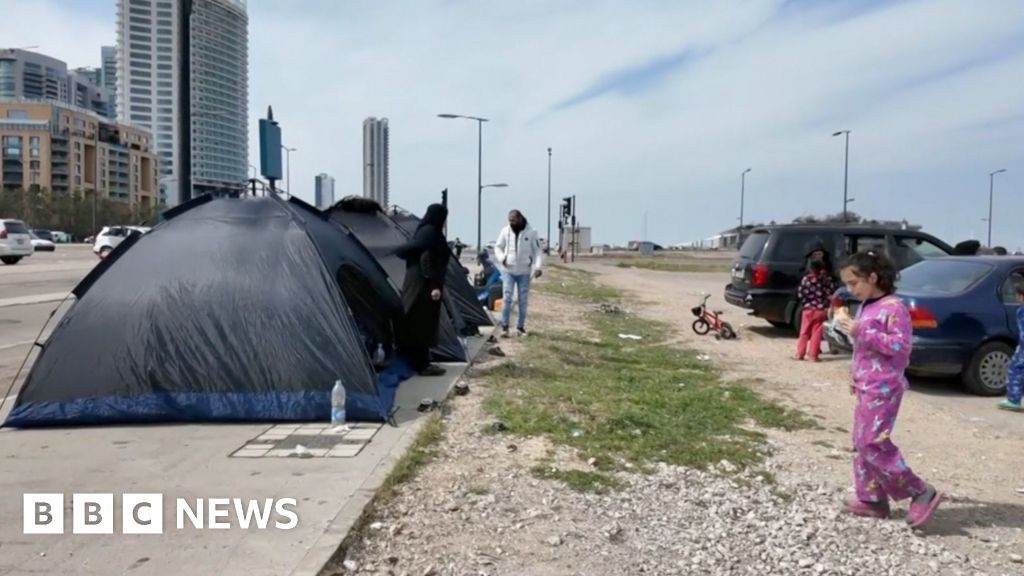
Beirut Evacuees Forced to Sleep in Tents and Cars Amid Crisis

The ongoing confrontation in the Middle East has once again exposed the fragile geopolitical stability of the region, with Lebanon and Israel at its heart. Recently, residents in the southern Beirut suburb of Dahieh, a known Hezbollah stronghold, have been forced to abandon their homes following escalated air strikes by Israel. Reports from BBC Arabic’s Carine Torbey depict a scene of chaos, with displaced civilians taking refuge in makeshift shelters—tents and cars—highlighting the human toll of this conflict. This latest wave of violence underlines how regional tensions threaten to spiral into a broader conflict with devastating consequences for the Lebanese society and beyond.

The escalation in Lebanon represents a pivotal point amid ongoing regional instability. Hezbollah, backed by Iran and considered a formidable militant organization, maintains an influential presence in Lebanon’s political landscape. Its involvement has long complicated efforts toward peace and stability in the Levant, often drawing Israel into dangerous confrontations. Historically, analysts like Middle East expert Dr. Jonathan Spyer warn that any military escalation risks transforming into a wider regional conflict, especially given the fragile balance of power among global actors. The recent strikes, reportedly targeting missile caches and militant infrastructure, exemplify Israel’s strategic aim to weaken Hezbollah’s operational capabilities—yet, this approach risks igniting a larger, unpredictable conflagration.

International institutions and governments are watching with grave concern. The United Nations has issued cautious statements, urging restraint but offering little to prevent the mounting violence. Meanwhile, regional powers such as Iran and Saudi Arabia navigate their own interests—balancing support for allies with the urgent need to prevent full-scale war. The escalation in Dahieh not only reflects localized tensions but also signals the potential for broader upheaval across the Levant, where history repeatedly reminds us that conflicts here have long-reaching repercussions. European and American policymakers are urged by security analysts to prepare for the possibility that these clashes could destabilize markets, refugee flows, and diplomatic efforts for years to come.

As the dawn breaks over Beirut, the human cost continues to mount, while geopolitical chess moves unfold behind the scenes. History has repeatedly shown that moments of unchecked conflict can spiral into unstoppable forces, reshaping nations and defining eras. The fate of Lebanon and the broader Middle East now hangs in the balance—an unfolding narrative of resistance, resilience, and the relentless pursuit of peace amid chaos. The weight of history presses down, reminding the world that the decisions made today will echo through generations, shaping the course of history in ways yet to be revealed. The sands of the Levant run deep with the blood of those caught in its storm, and as events unfold, it becomes painfully clear: the world watches, waiting for what may come next in this ongoing saga of conflict and hope.
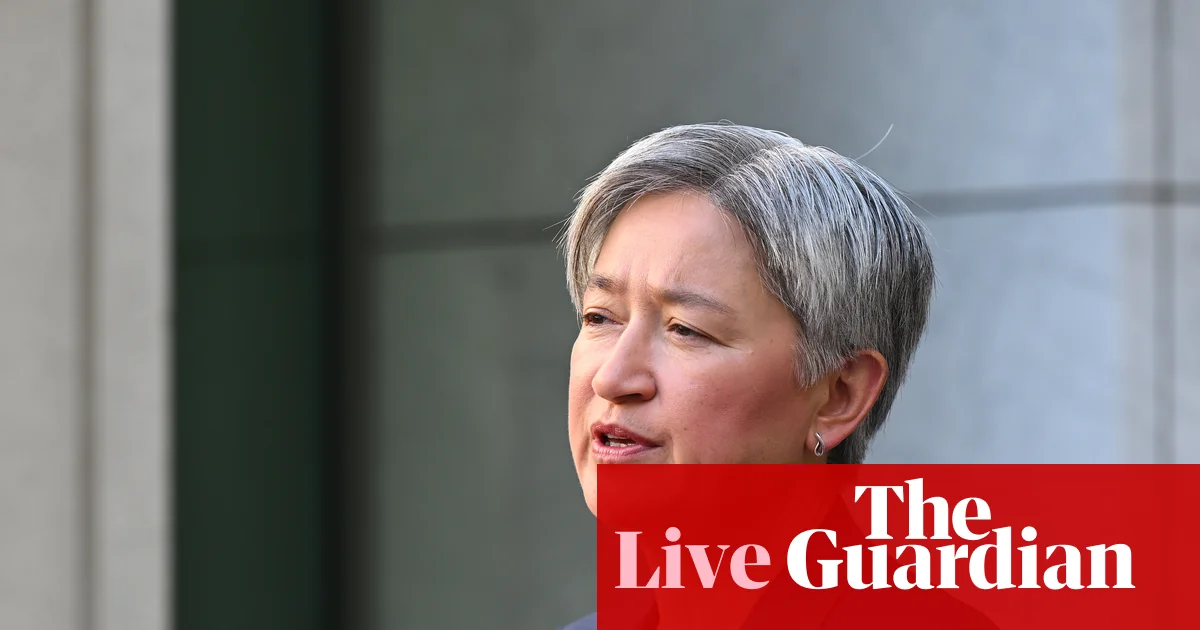

Politics Update: Marles Denies Australia in Iran Strikes; Wong Highlights 115,000 Aussies in Crisis Zone as Flights Drop

The geopolitical landscape of the Middle East has once again shifted into a state of heightened tension, prompting international concern and urgent diplomatic responses. The recent escalation of conflict, coupled with the threat of Iran’s nuclear ambitions, has provoked decisive actions and warnings from many nations. Australia, traditionally cautious in foreign policy stance, finds itself in a precarious position as regional stability teeters on the brink of chaos. Recent updates from the Australian government reveal a sharp shift in posture, emphasizing the safety of its citizens abroad and the stability of its own energy supplies amidst regional turmoil.

In a notable development, Penny Wong, the foreign affairs minister, announced that Australians should brace for significant travel disruptions, as conflict unfolds in Iran and across the broader Middle East. Her statement underscores the severity of the situation, with many Australian nationals currently stranded due to airspace closures and ongoing hostilities. With approximately 115,000 Australians reportedly in the region—including thousands traveling routinely through major hubs—Wong’s warnings reflect the dire implications of the recent hostilities. Australian ambassadorial efforts remain focused on facilitating commercial flights that, as of now, have been largely disrupted or canceled, emphasizing the country’s stance on prioritizing its citizens’ safety.

Meanwhile, Canberra maintains a cautious approach externally, officially supporting efforts to prevent Iran from acquiring nuclear weapons but distancing itself from the recent US-Israeli strikes. Richard Marles, Australia’s defense minister, explicitly stated that Australia was not involved in the recent targeted strikes, including those at joint US facilities located on Australian soil. His comments align with Australia’s long-held policy of non-participation in foreign military interventions unless directly impacted or authorized, yet the clear support for preventing nuclear proliferation signals a nuanced stance. International analysts and think tanks emphasize the geopolitical impact of these moves, which could lead to further regional instability, affecting global markets, especially energy supplies.

Notably, the conflict’s ripple effects threaten to disrupt global energy security, with Barnaby Joyce, a prominent Australian politician, warning of potential petrol shortages. His remarks highlight Australia’s energy vulnerability, given that the nation maintains less than the recommended 90 days of fuel reserves advised by the International Energy Agency. As global tensions drive up oil prices, Australia’s reliance on imported fuel leaves its economy exposed to shocks from the Middle Eastern conflict. This development underscores the broader geopolitical impact of regional unrest, where decisions by powerful nations like the US and Israel resonate worldwide, shaping economic realities and societal well-being.

Within Australia, domestic politics also feel the tremors of foreign turmoil. The government faces pressure to address mounting security concerns, alongside ongoing issues like the state of hospital infrastructure in New South Wales. A recent surprising revelation exposed hundreds of hospitals grappling with serious maintenance problems, including insect infestations and structural damage, which health officials are quick to label as potentially just the “tip of the iceberg” in an overburdened system. Such crises reveal that beyond international conflicts, societal stability depends on internal resilience—yet, as analysts warn, these domestic issues pale in comparison to the harrowing geopolitical battles unfolding abroad. The unfolding story remains a stark reminder: as the empire-building and regional conflicts intensify, the very fabric of society may unravel if nations fail to balance their foreign commitments with the urgent needs of their citizens.

As history continues to write itself, the weight of these decisions hangs heavily in the balance. The fate of Australians overseas, the stability of the Middle East, and the global order itself are intertwined in a narrative that refuses to be easily unraveled. The choices made today—be it in Canberra, Washington, or Jerusalem—will echo through the annals of history, shaping a world in which the calm before the storm is over, and the storm itself has only just begun. In this delicate dance of diplomacy and power, the echoes of past conflicts remind us that the true test of leadership lies not in the words spoken but in the actions taken—actions that will be remembered long after the current flashpoints have faded into history’s shadows.

Student Loans Crisis in England: Action Needed to Secure Our Future Students

In an era marked by soaring student debt and economic uncertainty, international observers are witnessing a critical juncture that underscores the fragile state of global socio-economic stability. As countries grapple with mounting financial burdens, the lens is now sharply focused on major Western nations where policy decisions regarding higher education funding and economic reforms are illustrating broader geopolitical shifts. The recent debates over student loans, interest rates, and university funding within the United Kingdom serve as a microcosm of a global crisis—one that threatens to reshape societal structures and international influence.

Within the UK, the political landscape is rife with tension as policymakers from both sides of the aisle scramble to address widespread discontent. The Labour government, represented by figures like MP Nadia Whittome, highlights a stark reality: even highly paid individuals see their financial situations erode over time due to rising inflation and disproportionate interest payments. This frustration feeds into a broader narrative of systemic unfairness, compounded by ailing institutions. The debate about student debt relief and university funding has escalated rapidly, prompting pledges from the ruling Conservatives to cut interest rates on certain loans—an initiative that has met with controversy and alarm from independent financial experts like Martin Lewis. Such internal conflicts expose the underlying fragility of the nation’s financial model and hint at upcoming political upheaval.

The geopolitical impact extends beyond the UK’s borders. As policymakers cut back on “ineffective” university courses and shift funding priorities, internationally entrenched issues surrounding global competitiveness and educational quality are intensifying. Countries across the world are observing these debates, recognizing that a nation’s future economic strength hinges on the sophistication of its human capital. Meanwhile, analysts warn that such domestic upheavals in a Western powerhouse could embolden authoritarian actors, especially in regions where Western influence is waning. The United States, for example, is also facing a renewed crisis over the affordability of higher education, foreshadowing a potential ripple effect that could destabilize international alliances and push nations further into strategic competition.

Institutions like the International Monetary Fund and OECD have sounded the alarm over how these domestic policies, if left unresolved, threaten to exacerbate inequalities worldwide. The undeniable truth is that decisions made in London or Washington do not simply stay local; they influence global economic patterns, migration, and diplomatic relations. The emphasis on suppressing university costs and realigning fiscal priorities is, in essence, a reflection of a deeper desire to reconfigure the global power hierarchy. Each reform, each budget cut, meticulously analyzed by geopolitical strategists, signals a move toward an uncertain future where the sovereignty of nations may become increasingly intertwined with their ability to sustain socioeconomic stability amid external pressures.

As the shadows lengthen across international theaters, the question remains—how will history judge this epoch of upheaval? With every policy shift, the weight of tomorrow’s world is being written. Will these decisions lay the groundwork for a renewed era of national strength, or will they serve as a cautionary tale about the perils of shortsighted governance? The scars of this tumultuous chapter are yet to be fully revealed, but one thing is certain: the course of history is still being set, and the echoes of today’s choices will resonate for generations to come.

El Paso No-Fly Fail Sparks Broader Drone Security Crisis for America

Broader Implications of Recent U.S. Anti-Drone Innovations Highlighted by El Paso Airspace Incident

The recent airspace closure over El Paso, Texas, has raised significant questions about the trajectory of U.S. nationally critical drone defense technologies. Although the closure lasted only eight hours, the incident underscores a pivotal shift toward energy-based weaponry as the future of short-range air defense systems. The event, initially attributed to potential incursion by Mexican cartel drones, appears now to involve the deployment of laser counter-drone systems supplied by AeroVironment—a company at the forefront of energy weapon innovations.

According to public reports, the defense system used was the LOCUST anti-drone laser, a 20-kilowatt directed energy weapon designed specifically for small drone neutralization. This marks a significant step in disrupting traditional air defense paradigms—moving away from bulky, costly interceptors toward lightweight, energy-efficient lasers. Industry analysts note that these systems have become particularly relevant given the proliferation of inexpensive and accessible drones. As high-powered microwave and laser defenses ramp up, a new era of energy-based warfare is emerging, potentially reshaping how national security responds to non-traditional aerial threats.

Innovation in Anti-Drone Technologies and Industry Disruption

The deployment of the LOCUST system, along with its subsequent acquisition by BlueHalo (a subsidiary of AV Inc.), signals a broader disruptive wave in defense innovation. The shift toward directed-energy weapons aligns with the U.S. Army’s ongoing experiments, such as the recent energy weapon tests aimed at establishing energy-based multi-mission defense capabilities. Such systems promise higher operational readiness, reduced logistics burdens, and faster response times compared to traditional missile-based systems.

  • Key features include portability, reduced cost per shot, and rapid engagement.
  • Recent developments have seen the delivery of multiple LOCUST units to the U.S. Army as part of the AMP-HEL program.
  • Industry leaders emphasize that energy weapons could soon become integral components of integrated air defense architectures.

Experts like Peter Thiel and institutions such as MIT predict that disruption driven by directed-energy systems will redefine battlefield paradigms, placing energy weapons as the preferred method of drone suppression. This technological leap favors agile, scalable defense solutions that could soon render legacy countermeasures obsolete, fundamentally shifting the market landscape and geopolitical dynamics.

The Future: A Race Toward Dominance in Energy-Driven Defense

What makes this shift urgent is the accelerating proliferation of low-cost drones, which can be deployed swiftly and in large numbers. The increasing affordability and accessibility of such hardware threaten to undermine established airspace security protocols, compelling both government and private sectors to prioritize energy-based defense innovations. As defense giants and emerging startups race to develop more sophisticated laser and microwave systems, the geopolitical stakes are higher than ever.

In this context, innovation and disruption are not merely buzzwords—they are the blueprint for national security and economic strength in the 21st century. The El Paso incident highlights that energy weapons, once relegated to science fiction, are now being operationalized at a rapid pace. The question for industry leaders and policymakers is clear: Who will lead this new arms race, and how will global power balances shift in the face of technological superiority? The future belongs to those who recognize that energy-based defense systems are not just an evolution—they are a revolution, demanding swift strategic adaptation to stay ahead of emerging threats.

Cuban Cigar Festival Cancelled as U.S. Sanctions Deepen Energy Crisis

The global community faces a new chapter of uncertainty as an eagerly anticipated international event, commonly regarded as a gathering of enthusiasts and connoisseurs, has been officially postponed. Originally scheduled to take place annually, this renowned aficionados’ bonanza has been indefinitely delayed, a decision driven primarily by widespread shortages impacting international travel and logistics. This development signals not only a setback for cultural exchange but also underscores the fragile fabric of international mobility in a world grappling with persistent supply chain disruptions.

Underpinning this postponement are a series of complex geopolitical and economic shifts that ripple across nations and societies alike. Multiple factors, from recent global conflicts to pandemic-related disruptions, have strained the interconnected networks that traditionally sustain such large-scale international gatherings. Experts from organizations like the World Travel & Tourism Council warn that limited aircraft availability, rising fuel costs, and strained port infrastructure have created a perfect storm, forcing event organizers to reconsider timelines and planning. As countries tighten border controls to combat ongoing health crises or adjust policies in response to regional conflicts, the once-fluid flow of international visitors has become severely constricted.

Many analysts emphasize a broader geopolitical impact: the shift signifies more than just logistical delays but a recalibration of global cultural diplomacy. The postponement hampers opportunities for cross-cultural dialogue, undermining efforts to foster international understanding amid rising nationalism. Additionally, some speculate that these disruptions may accelerate the retreat from open borders, fostering more inward-focused policies, potentially more hostile to international collaboration. Security assessments by intergovernmental agencies highlight increased risks associated with lengthy international travel shortages, including reduced cultural exchange programs vital for soft power influence. The rift between global economies becomes increasingly evident, especially as developing nations face mounting challenges to participate in or host such international assemblies.

As historians and international affairs experts scrutinize the unfolding developments, many draw parallels with previous periods of global upheaval, where supply chain disruptions precipitated shifts in international strategy and societal behavior. The postponement echoes past moments when global conflict or crises redefined the cultural and diplomatic landscape, serving as a stark reminder of the interconnectedness—and vulnerability—of modern civilization. As the crisis persists, the words of geopolitical analyst Dr. Emily Carter resonate: “This moment reveals how fragile our global networks truly are and underscores the necessity for resilient infrastructure to withstand future shocks.”

Ultimately, the decision to delay the traditionally vibrant event is a stark testament to the ongoing turbulence characterizing our era. It leaves a profound sense that history, like an unwritten story, continues to unfold with each passing day. As nations brace for a new reality shaped by scarcity, uncertainty, and shifting alliances, the world stands at a crossroads—where every decision echoes through generations yet to come, carving the contours of a future still shrouded in the shadow of upheaval and change.

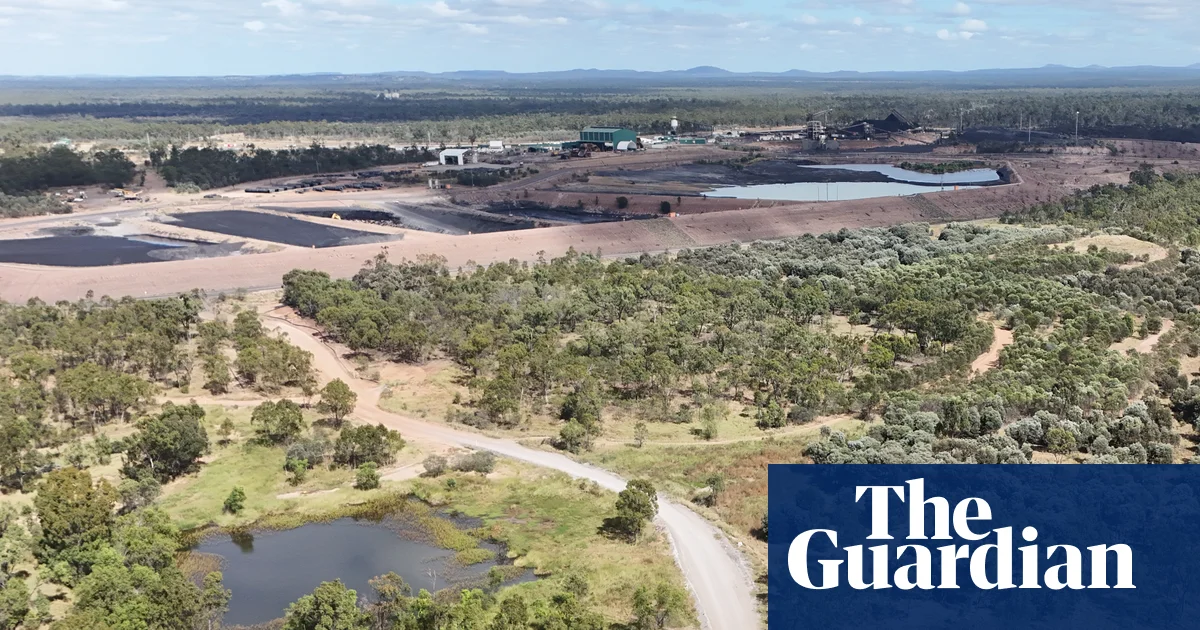
Albanese’s approval of Queensland coal mine expansion threatens ecosystems and worsens climate crisis, scientists warn

In a move that underscores the ongoing global clash between economic development and environmental conservation, the Albanese government recently approved the expansion of the Middlemount coalmine in Queensland. Owned jointly by US-based Peabody and Chinese-owned Yancoal, this project will see an estimated 85 million tonnes of coal exported over the next 24 years. While proponents tout it as a boost to the local economy and energy sector, critics argue that the environmental costs are catastrophic and threaten Australia’s rich biodiversity. The expansion signifies more than just economic activity; it marks a clear stance in the international debate—whether to prioritize short-term energy needs or long-term sustainability.

Conservationists and environmental experts have raised urgent alarms over the project’s implications for native wildlife, particularly the threatened koalas and greater gliders. The project involves clearing approximately 81 hectares of glider habitat and 183 hectares of koala territory—an area that ecologists say is crucial for their survival. Despite conditions imposed by authorities requiring the relocation of tree hollows used by gliders, prominent ecologists such as Prof. Euan Ritchie and Prof. David Lindenmayer have condemned these measures as inadequate and, in some cases, outright harmful. The attempt to mitigate habitat destruction via offsets—planting 1,557 hectares of new habitat—has been dismissed by experts as a “deluded” strategy that simply cannot compensate for the tangible loss of mature ecosystems. The catastrophic impact on native species is compounded by the project’s contribution to global heating, with conservationists estimating that burning the exported coal will generate approximately 236 million tonnes of CO2 over its lifetime—almost half of Australia’s current annual emission footprint.

This approval has sparked broader questions about the geopolitical impact of resource extraction. The approval under the climate change framework illustrates a troubling prioritization of economic interests over ecological integrity and international climate commitments. As analysts from the United Nations and other global organizations warn against complacency, the decision highlights a stark reality: the vast majority of emissions resulting from the coal will occur outside Australia, as the coal is burned primarily in Asian countries. Critics argue that this approach undermines Australia’s commitments to the Sustainable Development Goals and the global effort to curb climate change, reinforcing a narrative where Australia appears to choose economic gain over the health of the planet. This stance risks alienating international allies committed to green policies, while emboldening fossil fuel interests aligned with geopolitical powers that see energy resources as weapons of influence and leverage.

As history continues to unfold, the decision to expand the Middlemount coalmine underscores the tensions that define the 21st-century geopolitics—where resource-rich nations grapple with the legacy of environmental neglect amidst a shifting global framework demanding urgent climate action. The future of native wildlife hangs in a fragile balance, with environmentalists warning that yet another generation of Australian species might be driven toward extinction. Meanwhile, the global community observes with mounting concern as Australia’s actions shape the geopolitical landscape: a nation at a crossroads, torn between the immediacy of economic survival and the looming specter of irreversible climate catastrophe. Will this moment be remembered as a tragic misstep or a catalyst for change? The pages of history continue to be written, but every decision, every expansion, echoes louder in the corridors of global power, shaping the planet’s destiny for generations to come.

Tragic Loss: Over 20 Dead in Nile Boat Sinkings Amid Sudan Crisis

In a troubling development that has captured international attention, ongoing search efforts persist for the missing passengers of an unidentified incident, which tragically included children. While details remain sparse, the event’s ripple effects extend far beyond the immediate loss, highlighting the fragile state of regional stability and the profound impact on affected communities. Global institutions and nation-states are on high alert, emphasizing the importance of swift resolution and accountability.

As reports surface, the incident has reignited debates over border security, crisis management, and the geopolitical ramifications surrounding the involved regions. Analysts suggest that the event could serve as a pivotal moment, exposing deeper vulnerabilities within certain nations’ response capabilities and their international commitments. According to international observers—such as the United Nations and various regional security alliances—the case underscores a critical challenge: how to effectively respond to crises that are as complex and entwined as the geopolitical interests at stake. In particular, experts warn that failure to address these issues swiftly could lead to further instability, destabilizing not just the immediate area but potentially spilling over into neighboring nations.

Historian and geopolitical analyst Dr. James Carter notes that such tragedies tend to act as catalysts for broader shifts in diplomacy and policy. “When innocent lives—especially children—are lost in these incidents, it often galvanizes international efforts for change, yet it can also be exploited by opportunistic powers seeking to advance their agendas,” he explains. Meanwhile, the European Union and North American alliance networks have issued statements calling for increased humanitarian support and a transparent investigation. However, critics argue that geopolitical interests complicate efforts, with some nations reluctant to openly challenge regional powers that may be implicated in or responsible for further destabilization.

The geopolitical impact of this incident stretches beyond immediate rescue operations. It serves as a stark reminder of the high stakes involved in regional conflicts and their endurance as flashpoints for larger international disputes. The decisions made in the coming days—whether prioritizing humanitarian aid, diplomatic negotiations, or security measures—will shape the future of diplomatic relations and societal stability within the affected regions. As history witnesses yet another chapter unfolding, the weight of last-ditch efforts and international pressures remains heavy. With each passing hour, the world watches, holding its collective breath for a resolution that might yet alter the course of history, leaving behind a haunting reminder: that in the shadows of diplomacy, true tragedy quietly waits to strike, demanding justice and remembrance.

Starmer's Crisis Threat Fades, But His Hold on Power Still Weakens
Starmer’s Crisis Threat Fades, But His Hold on Power Still Weakens

UK Leadership Crisis: The Fight for Political Survival in Westminster

The recent turmoil within the United Kingdom government exposes more than just internal party conflicts; it signals a broader geopolitical shift that reverberates far beyond the island nation’s shores. Focusing on Prime Minister Keir Starmer’s ongoing struggle to maintain authority, political analysts observe that his leadership’s fragility is emblematic of a wider crisis of confidence in Western political centers. As the opposition Labour Party confronts historic lows in polling and internal divisions, the international community risks underestimating the potential for this domestic upheaval to destabilize the UK’s role on the world stage.

This British political volatile environment follows a familiar pattern seen in recent history, where leadership challenges sprout amidst crises, yet often result in significant geopolitical consequences. Recall the fate of Boris Johnson, who faced mounting pressure from within his own ranks before ultimately resigning. Such shifts send ripples across the North Atlantic Treaty Organization (NATO), affecting the UK’s commitments and strategic posture. International diplomats and analysts warn that political infighting, particularly when driven by internal scandals or leadership doubts, could weaken the UK’s alliances and its capacity for global influence at a critical juncture, especially with tensions rising over Ukrainian security and Pacific alliances.

Significantly, the internal debates over the direction of Labour and the Conservative parties reflect deeper societal divisions rooted in economic dissatisfaction and generational shifts. As historians and policy analysts note, momentum for drastic political change often accelerates when governments appear disconnected from the core issues facing their populations. The upcoming byelection in Gorton and Denton on 26 February will serve as a barometer for public sentiment—a vote that could see Labour languishing in third place, risking further disillusionment. This electoral duel highlights how decisions within Westminsternot only determine domestic governance but also influence international perceptions of stability in an era marked by geopolitical unpredictability.

As international organizations monitor these developments, there is a consensus that the UK’s internal politics are a mirror for broader global uncertainties. Critics suggest that Starmer’s leadership may hinge on whether he manages to leverage this moment of crisis into a reset—a chance to reinvent Labour with a more progressive, globally aligned agenda. Yet, the potential for internal upheaval to spiral into wider instability remains real. Much like the collapsing dominoes of past geopolitical crises, the task ahead is fraught with risks—risks that could see the UK’s influence diminish if weak leadership persists.

Conclusion: History’s Unfolding Drama

With the shadows of opportunity and disaster converging in Westminster, the weight of history presses down on the present. The decisions made by UK politicians today will resonate through the corridors of power and shape the global order tomorrow. As the world watches, the question remains—not merely, “Is it over?” but whether this chapter will be remembered as the dawn of renewed strength or the twilight of a waning empire.

Iran gas blast claims five lives amidst ongoing crisis

In a disturbing development that underscores the fragile security landscape across key regions, a four-year-old child is among those confirmed dead after two separate blast incidents reported on Saturday. These violent events have once again illuminated the persistent threat of terrorism, insurgency, and geopolitical instability that continue to ripple across borders, affecting societies at their most vulnerable. The pattern of deadly explosions not only results in tragic loss of life but also highlights the ongoing struggle for stability amidst rapidly shifting international alliances and regional conflicts.

Experts from the United Nations and various geopolitical analysts warn that such incidents are symptomatic of deeper, unresolved grievances. The blasts, occurring in areas with strained political dynamics, have spurred calls from global leaders for increased cooperation. The recent spikes in violence are seen by many as the result of longstanding conflicts that international diplomacy has struggled to contain—conflicts often fueled by competing national interests, sectarian divides, and economic deprivation. The international community is particularly concerned about the impact these tragedies have on vulnerable populations, especially children, who bear the brunt of ongoing violence. The loss of a young child in such circumstances has become a somber symbol of the broader human toll inflicted by these persistent insecurity issues.

In response to Saturday’s events, governments and security agencies have intensified their efforts to identify and dismantle networks responsible for orchestrating such atrocities. Meanwhile, the geopolitical impact extends beyond immediate security concerns, influencing global power balances. Countries like the United States, Russia, and key regional powers are increasingly forced to reassess their strategic priorities and alliances, with some leveraging these events as justification for increased military presence or stricter border controls. These decisions inevitably ripple through societies, affecting daily life, economic stability, and political discourse, often leading to increased polarization and distrust among populations.

Historically, episodes of violence like these serve as critical turning points, prompting international organizations and historians to analyze the deeper roots of conflict. Many argue that the current wave of violence is rooted in unresolved regional tensions, thwarted peace processes, and ineffective governance. As analysts emphasize, these incidents are warning signs that without meaningful diplomatic intervention and economic development, such tragedies will only multiply. The future of these regions hinges on the relentless pursuit of peace and stability, but the path remains fraught with uncertainties.

As the world watches, the ongoing chaos leaves behind a haunting question: How much more bloodshed must occur before the global community fully embraces a decisive, coordinated effort to restore order? Threatening to engulf entire civilizations in cycles of violence, these tragedies continue to threaten the stability of nations and the security of societies worldwide. The weight of history presses heavily upon policymakers and citizens alike, reminding the world that in the face of adversity, the struggle for lasting peace remains an enduring, complex challenge. This is a chapter that is still being written—where every decision has the potential to shape the course of history, either toward renewal or further chaos.

Japan’s Aging Crisis: Will Tech Be the Solution to Dementia?

Japan’s Aging Crisis Spurs Technological Innovation with Geopolitical Consequences

Amidst a rapidly aging society, Japan finds itself at a critical juncture, where demographic shifts threaten to undermine social stability and economic vitality. With over 30% of its population aged 65 and older—second only to Monaco globally—the island nation confronts a mounting crisis in elder care. Last year alone, more than 18,000 elderly individuals with dementia wandered off their homes in search of safety, with nearly 500 succumbing to the risks. Such tragic statistics are emblematic of a society under mounting pressure, worsened by a shrinking workforce and strict limits on foreign workers, which constricts the nation’s capacity to meet the burgeoning demand for elder care services. International experts, including those from the World Bank, have warned that without innovative strategies, the social fabric of Japan could face profound destabilization.

In response, Tokyo’s government is rapidly pivoting towards technological solutions, placing a heavy emphasis on artificial intelligence and robotics to fill the void traditionally occupied by human caregivers. Recent developments include GPS-based tracking systems for wandering seniors, AI tools like Fujitsu’s aiGait that analyze gait and posture to detect early signs of dementia, and humanoid robots such as Waseda University’s AIREC, designed to assist with everyday tasks like dressing, cooking, and even changing diapers. These innovations are intended not merely as conveniences but as essential pillars supporting the nation’s social order. Such strategic shifts reflect a broader recognition within the geopolitical sphere that technological prowess becomes a critical national asset; the ability to develop and deploy affected elder care can serve as a form of soft power, signaling to the world that Japan remains a leader in innovative resilience amidst demographic decline. But these decisions also carry geopolitical weight, with neighboring powers looking on, aware that the technological race in elder care could shape regional influence for decades.

How decisions made now will ripple through future geopolitics is not lost on international analysts. Some experts argue that China and South Korea, watching Japan’s innovations, are likely to accelerate their own technological investments to secure regional dominance. Meanwhile, Western nations face their own aging crises, turning to Japanese expertise and investments as examples of where technology meets social necessity. Reports from institutions like OECD highlight that the integration of AI and robotics into elder care may reshape labor markets across the globe, reducing dependency on human caregivers and redefining societal notions of human interaction and compassion. Whether these advancements will supplement or supplant the human touch remains a contested debate—one that will influence international perceptions of morality, humanity, and technological supremacy.

As Japan’s government invests heavily in robot caregivers and AI early detection systems, the unfolding story encapsulates a broader theme—a society desperately seeking solutions while confronting the harsh realities of a dwindling nation. The world watches as technological milestones are achieved, yet the true test lies in balancing innovation with empathy—an enduring question in the age of automation. In this crucible of societal change, history is forging new chapters, and the weight of what comes next will resonate far beyond borders—shaping the destiny of humanity amidst the relentless tide of time.

Social Media Auto Publish Powered By : XYZScripts.com