Matox News

Truth Over Trends, always!

Alf Dubs criticizes Shabana Mahmood’s tough stance on immigration as disappointing

In Britain, recent political developments highlight a decisive shift in immigration policy, with profound geopolitical implications. The decision by the home secretary to intensify hardline reforms, amidst the Labour Party’s defeat in the Gorton and Denton by-election, underscores a broader global trend towards stricter border controls. The electoral loss to the Green Party, led by Zack Polanski, signals a significant realignment of voter sentiment—particularly among younger voters increasingly concerned about immigration and national sovereignty.

This political upheaval is not isolated within the UK. Internationally, similar nationalistic currents are sweeping across Western democracies. Analysts from the International Institute for Strategic Studies warn that these shifts could recalibrate global alliances and undermine longstanding commitments to humanitarian principles. The UK government’s proposed asylum reforms—mandating a 20-year wait for illegal entrants seeking indefinite leave to remain—mirror policies adopted elsewhere, such as the Danish model, which has faced fierce criticism for its perceived insensitivity to refugees’ plight. How these policies influence society’s perception of sovereignty and moral responsibility will define their lasting impact on international relations.

  • Labour’s internal split deepens, as senior figures like Shabana Mahmood insist on pushing a hardline agenda, despite backlash from backbenchers and union leaders.
  • The Green Party’s proposals advocating for more humane treatment—allowing asylum seekers to work and ensuring safe routes—highlight a contrasting vision grounded in humanitarian values.
  • Historical voices like Lord Alf Dubs, a child refugee himself, openly criticize policies that threaten vulnerable populations, warning they may have irreversible “damaging” consequences for families and children fleeing conflict zones.

The core geopolitical impact of these internal debates extends far beyond Britain. As countries worldwide grapple with similar questions—balancing sovereignty with international humanitarian commitments—the whole fabric of global migration governance is at a crossroads. The United Nations and European Union face mounting pressure to uphold human rights, even as nationalist parties gain traction on domestic fronts. The threat of increased deportations and prolonged wait times for refuge risks fracturing alliances and fostering resentment, both domestically and abroad. Young Europeans and emerging powers watch intently as Britain’s policies may influence or deter similar reforms elsewhere.

This turbulent period in British politics exemplifies the high-stakes decision-making that could shape the future of international migration for decades to come. As historians scrutinize this era, many warn that policymakers are risking a return to restrictive, insular attitudes that could undermine global cooperation and security. The world remains on the brink of a crucial turning point—where the values of compassion and sovereignty must find a delicate balance. The weight of history still lingers in the air, as nations weigh their choices amid the unfolding drama of migration and justice. Will they choose to uphold their moral obligations, or succumb to waves of populism that threaten to reshape the contours of international society forever?
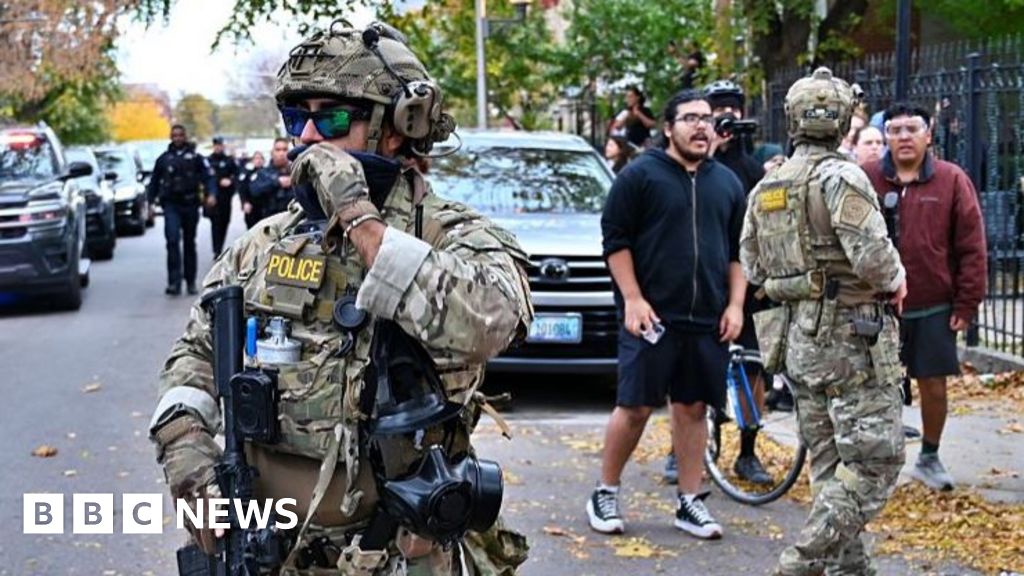

Trump criticizes Somali immigration as ICE prepares crackdown

The United States under the Trump administration has intensified its stance on immigration, with a focus that increasingly echoes nationalist, right-wing rhetoric. President Donald Trump publically declared a disdain for Somali immigrants, asserting that their presence “goes the wrong way” for the country. During a recent cabinet meeting, he dismissed Somalia as “barely a country” and blamed its societal structure for ongoing instability. These remarks, while seemingly isolated, are part of a broader strategy that amplifies hostilities toward specific immigrant communities, especially in Minnesota, where the Somali diaspora constitutes one of the largest populations worldwide outside Africa.

This surge of anti-immigration rhetoric dovetails with deliberate policy actions. Reports indicate that the US Immigration and Customs Enforcement (ICE) is planning an enforcement operation targeting undocumented Somali immigrants in the Twin Cities—home to about 80,000 Somalis, most of whom are American citizens. Critics, including local leaders, argue that the operation would violate due process, with Mayor Jacob Frey decrying likely breaches of constitutional rights. Meanwhile, officials deny targeting based on ethnicity or race, claiming the focus remains solely on illegal status. Herein lies a critical geopolitical impact: these policies threaten to destabilize a community with deep roots in the U.S., sowing fear and division, while reinforcing hardline narratives that blame immigrant populations for societal issues, rather than addressing systemic failures or external threats.

Historically, Somalia has been beset by civil war and instability since the early 1990s, prompting waves of migration seeking refuge in the West. Yet, the current US policy shift appears to manipulate this legacy, with the Trump administration threatening to terminate the Temporary Protected Status (TPS) granted to Somali residents—an attempt to paint Somali Americans as a security risk amidst ongoing investigations into potential links to militant groups like Al-Shabaab. Analysts warn that such measures not only destabilize Somali-American populations but also risk fueling anti-Muslim sentiment and xenophobia, which can have ripple effects across international diplomacy.

International voices, including Somali Foreign Minister Ali Omar, have publicly condemned the US narrative, condemning it as an unjust scapegoating tactic. The US’s moves are seen by many experts as part of a broader shift in foreign policy where narrative and perception distort reality—blaming poor nations and marginalized communities to justify domestic political agendas. As historians and global watchdogs warn, these policies threaten to deepen societal divisions and undermine America’s own democratic ideals, while emboldening authoritarian tendencies around the world. How the US navigates its immigration policies now will shape perceptions of justice and fairness for decades to come, especially as other nations watch this unfolding story of national identity and border control.

In a stark narrative of cause and effect, the current trajectory leaves the world’s most powerful nation at a crossroads. Will it uphold its founding principles amid rising populism and fear? Or will it succumb to the siren song of exclusion, casting long shadows over the very liberties it once championed? As history watches with a wary eye, the weight of this moment extends beyond border policies into a question of the global order itself. What begins as a debate over immigration may well become the defining chapter—an epoch where the values of openness clash with the currents of nationalism, and where the future of societies worldwide hinges on the choices made today.

Developers Cabinet-Approved Planning Bill After Dozens of Meetings, While Environmental Groups Were Lockout — Labour Criticizes

International Ramifications of National Housing and Environmental Policies

In an era marked by escalating climate change, rising inflation, and geopolitical strain, domestic policies that appear to prioritize rapid development over environmental conservation are drawing international scrutiny. The United Kingdom’s recent planning and infrastructure bill, which promises to fast-track the construction of 1.5 million homes by the end of this parliamentary term, exemplifies a broader trend among powerful nations eager to boost economic growth at the potential expense of natural ecosystems. While advocates tout these measures as essential for addressing housing shortages and stimulating economic revival, the core question remains: at what cost to the natural world, and consequently, to global stability?

It is revealing that behind the scenes, lobbying efforts from developers have been intense at the highest levels of government. As detailed by independent analysts, meetings between ministers and property giants such as Vistry, Barratt, Taylor Wimpey, and others have been prolific—conducted with near impunity. Conversely, environmental groups and ecologists seeking dialogue report difficulty in securing even preliminary discussions with key ministers, highlighting a troubling imbalance of influence. This disparity underscores a broader pattern of governmental favoritism that threatens to undermine efforts at sustainable development across borders. Such internal dynamics within the UK may serve as a cautionary tale for other nations in Europe and beyond, where similar conflicts over land use and environmental protection are simmering.

Globally, the implications are profound. International organizations such as the United Nations repeatedly warn that disregarding ecological considerations in pursuit of growth can lead to irreversible loss of biodiversity, destabilizing local and regional climates. The UK’s case underscores a global tendency to dismiss ecological expertise—despite extensive research from historians, economists, and scientists advocating for integrated planning that recognizes the foundational role of environmental resilience. As the UK fast-tracks development projects like the controversial bulldozing of ancient wetlands near Newton Abbot, other countries watch keenly, pondering whether they will follow suit or stand firm in protecting their biospheres. The decisions made today will shape the geopolitical landscape of the future, potentially fueling regional instability if ecological degradation breeds social unrest or economic downturns.

As history threads a narrative of humanity’s often destructive relationship with the environment, the outcome of Britain’s legislative debates looms large. If the bill’s supporters succeed in downplaying the importance of ecological safeguards, the precedent set might reverberate, emboldening similar policies worldwide. Yet, the voices of ecological advocates and international observers serve as warnings that quick fixes often worsen pre-existing crises. The world teeters on a precipice: will it prioritize growth over sustainability, or will it recognize that true progress depends on a delicate balance? As the final votes hover and the dust of political debate settles, history continues to unfold—its chapters yet unwritten, waiting for the choices future generations will be forced to confront.

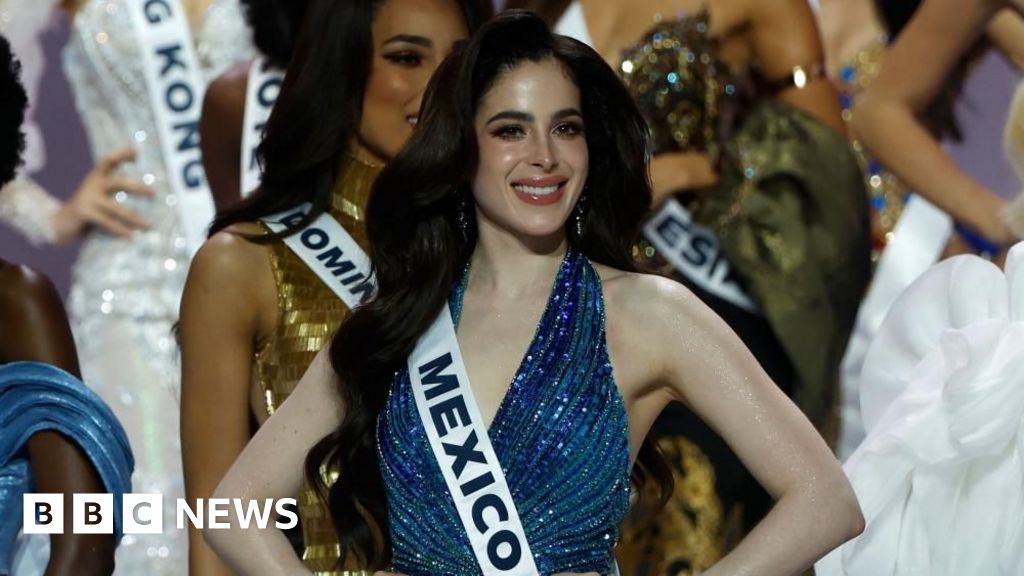
Miss Universe Contestants Walk Out After Organizer Criticizes Miss Mexico

The recent controversy at the Miss Universe pageant in Thailand has sparked a broader discussion about respect, authority, and gender roles on the international stage. The incident occurred during a pre-pageant event when Nawat Itsaragrisil, the reigning Miss Universe Thailand director, publicly berated Miss Mexico, Fatima Bosch, over her alleged failure to promote content. The confrontation escalated as Nawat dismissively called security and threatened to disqualify supporters—an act that led to the walkout of several contestants, including the current Miss Universe Denmark, Kjaer Theilvig of Denmark. The event’s fallout underscores how personal conduct in the international arena can ripple into significant geopolitical signals, especially around issues of cultural respect and gender equality.

The incident’s international repercussions resonate beyond the confines of a beauty contest. Critics argue that such displays of disrespect contribute to perpetuating cultural insensitivity and undermine the credibility of the pageant as a platform of empowerment for women. Analysts, including social commentators and cultural historians, have pointed out that the Miss Universe organization’s swift response—sending a delegation of international executives and threatening legal action against Nawat—reflects a broader effort to preserve the pageant’s image as a global champion for women’s rights. According to Raul Rocha, the MUO President, the organization condemned Nawat’s conduct, emphasizing that his actions “humiliated and insulted” a delegate and involved “serious abuse.” This intervention signals a clear message: in a world increasingly conscious of gender issues, respect and dignity are non-negotiable, regardless of cultural differences.

Beyond the internal fallout, the incident has heightened geopolitical tensions about how nations project power and cultural standards. Thailand’s reputation as a host nation, especially in an era of rising nationalism and cultural assertiveness, now faces scrutiny. Analysts warn that such incidents can be leveraged for political narrative, influencing perceptions of Thailand on the global stage. Meanwhile, the walkout by contestants—most notably Victoria Kjaer Theilvig—serves as a reminder that young women from diverse nations are increasingly unwilling to accept disrespectful behavior that reflects poorly on societal values. Their solidarity sends a powerful warning about the evolving cultural landscape, where issues of respect and dignity are intertwined with national identity and international reputation.

As the world watches on, the unfolding drama within the Miss Universe organization is more than a mere scandal. It highlights a broader shift in global consciousness, where young generations demand accountability and fairness. Historians and international observers warn that decisions made today—whether to uphold dignity or accept disrespect—will shape the narrative of gender relations and cultural diplomacy for years to come. The confrontation in Thailand is a microcosm of the struggles facing global institutions: how to balance tradition with progress, authority with respect, and national interests with universal human rights. In this critical moment, the weight of history presses down as the world teeters between maintaining its old norms and forging a new path—one where dignity, equality, and respect are fundamental, not just ideals to be preached, but values to be fiercely defended. The continuing story of this incident holds the potential to redefine the future of international cultural exchanges, and as history unfolds, one thing remains clear: the era of unchallenged authority is ending, and a new chapter demanding accountability has begun.

Social Media Auto Publish Powered By : XYZScripts.com