Matox News

Truth Over Trends, always!

Israeli Airstrikes Kill 21 in Gaza as Crossings at Rafah Stall, Palestinian Officials Warn

Intensified Violence and Political Stalemates in Gaza Signal Deepening Regional Instability

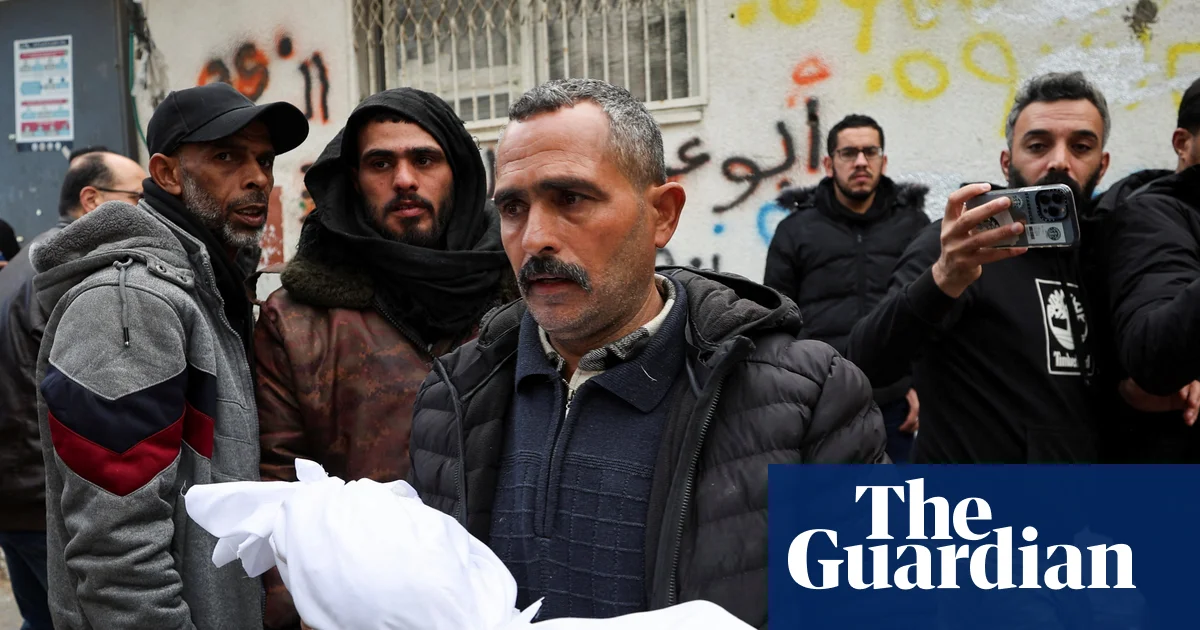
The recent surge of Israeli military operations in Gaza has again highlighted the fragile state of peace in one of the most volatile regions of the world. According to reports, Israeli tank shelling and airstrikes have resulted in at least 21 fatalities, including children and women, underscoring the devastating human toll of ongoing hostilities. In a tragic sequence of events, even medical personnel responding to initial casualties were killed by subsequent strikes, exemplifying the relentless brutality faced by civilians caught in the crossfire. These strikes targeted Gaza City and Khan Younis after an alleged attack on Israeli soldiers by Palestinian gunmen, prompting Israel to justify its defensive actions. Historians and analysts note that these incidents reflect a pattern of escalating violence that significantly complicates diplomatic efforts to establish sustainable peace, especially as the ceasefire remains fragile and frequently violated.

The geopolitical impact of these hostilities extends beyond the immediate borderlands. Israel claims that its military operations are justified, but the continued civilian casualties and destruction of infrastructure in Gaza intensify international concerns regarding human rights and stability. Gaza’s health system is under enormous strain; reports suggest that over 556 Palestinians have been killed since a prior ceasefire—most civilians—while Israeli casualties remain comparatively low. The international community, including human rights groups and UN agencies, warns that the cycle of violence risks igniting broader regional instability. As the United States and European nations call for de-escalation, critics argue that such calls ignore the deeper geopolitical issues—namely, the unresolved status of Gaza’s governance, the Israeli occupation, and the disarmament of Hamas—whose future remains uncertain amid persistent conflict.

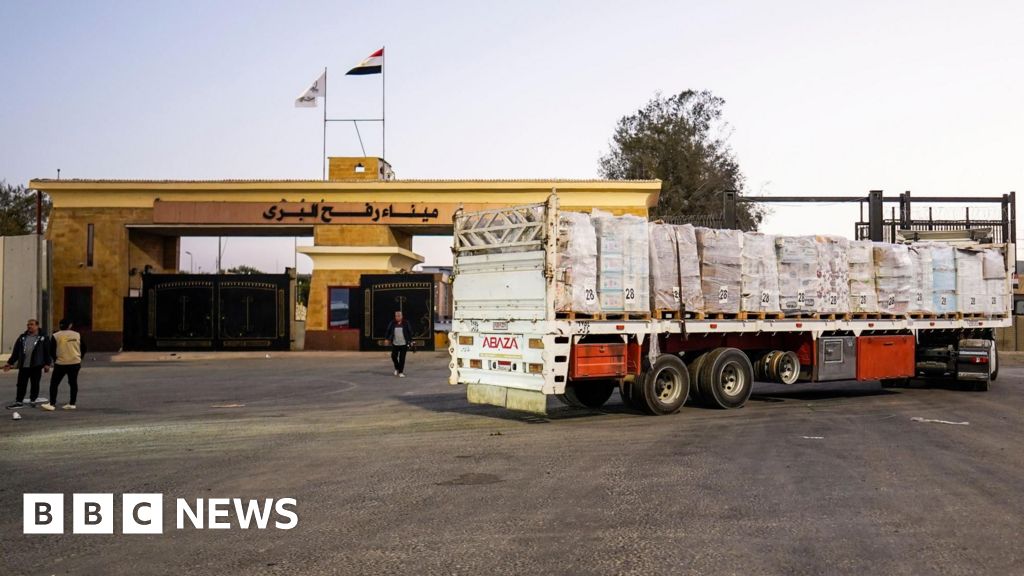
Meanwhile, amid the ongoing violence, a crucial element of the ceasefire—the Rafah border crossing—has faced renewed closures, impeding vital humanitarian aid and medical evacuations for Gaza’s besieged population. Although the crossing partly reopened earlier, Israel has halted all crossings citing security concerns. Reports from sources in Egypt indicate ongoing diplomatic efforts to reopen Rafah; however, the decision underscores the deep mistrust and strategic calculations that continue to undermine peace initiatives. The World Health Organization and Egyptian officials have expressed frustration over the delays, which threaten to exacerbate the humanitarian crisis. As Gaza’s hospitals report waiting patients unable to cross, analysts warn that such restrictions may fuel further resentment and radicalization, making lasting peace even more elusive.

Specialists and regional commentators note that the October ceasefire, brokered under the auspices of U.S. diplomacy and the Trump administration’s plan, has yet to translate into substantive political progress. Key issues—namely the withdrawal of Israeli forces from Gaza’s occupied regions and the disarmament of Hamas—remain unresolved. As violence continues to erupt daily, critics argue these unresolved matters threaten to unravel the fragile peace framework, possibly plunging the region into broader conflict. Historian Robert Kaplan warns that without decisive political action, Gaza is set on a perilous path toward further devastation, its residents condemned to an endless cycle of suffering and strife.

As the conflict spills into another day of violence, the weight of history presses down heavily. The world watches as this small strip of land becomes a crucible where the fates of nations hang in delicate balance. Will diplomacy prevail, or will the lines of conflict deepen into a new and possibly irreparable chapter? The story of Gaza is still being written—its future uncertain, its lessons profound—and the world’s response may ultimately shape the course of history. The echoes of this crisis remind us that beneath the surface of geopolitics lie human beings enduring the consequences of decisions made by global powers, forever etched in the annals of history.

Israel Reopens Gaza Crossings After Confirming Hostage's Body
Israel Reopens Gaza Crossings After Confirming Hostage’s Body

Unfolding Crisis: Israel, Gaza, and the International Stakes

The ongoing turmoil surrounding Gaza and Israel has transitioned into an uncertain period of diplomacy intertwined with military operations. Recent developments reveal that Israel has conditioned the reopening of the key border crossing at Rafah — the critical gateway between Gaza and Egypt — on the retrieval of the remains of Israeli soldier, Master Sgt. Ran Gvili, who has been held captive since the Hamas-led attack of October 7, 2023. According to Israeli authorities, the military has launched focused searches in northern Gaza, including efforts at Gaza City cemeteries, reflecting a broader strategy to solidify leverage over the fragile ceasefire and future negotiations.

This move signifies a turning point in Israel‘s approach to the Gaza conflict, where security concerns have repeatedly overshadowed diplomatic efforts. Prime Minister Benjamin Netanyahu‘s government announced a *limited reopening* of the Rafah crossing for pedestrian traffic, accompanied by comprehensive Israeli inspection mechanisms. Such measures, as reported by Haaretz, include oversight of entry and exit lists and additional screening points along the territory’s Yellow Line, which delineates the area under Israeli control. These stringent controls underscore the prioritization of security over humanitarian access, reflecting the intense pressure on Israeli policymakers amid the ongoing search operations and warfare repercussions.

Global Mediation and the Fragile Peace Process

Meanwhile, international mediators, including U.S. officials led by special envoy Steve Witkoff and Jared Kushner, have intensified diplomatic efforts. Recent meetings with Israel’s leadership signal a push to implement phase two of former President Donald Trump’s peace plan—aiming to establish a new Palestinian government in Gaza, oversee reconstruction, and enforce full demilitarization, including disarmament of Hamas and allied groups. This ambitious agenda remains in jeopardy, as ongoing military operations and deep-seated mistrust threaten to undermine any progress.

The continuation of violence has brought profound humanitarian consequences, with reports of over 71,650 casualties — a figure that highlights the devastating toll on civilians under the Hamas-led military campaign. The Gaza health ministry, controlled by Hamas, provides grim documentation of this human cost, casting a long shadow over the prospects for peace. Such devastation has prompted debates among analysts and historians about whether the cycle of retaliation and blockade can be broken, or if the region is heading toward an inexorable future of conflict.

The Geopolitical Impact and Future Uncertainties

The unfolding events demonstrate how U.S. and European efforts to mediate peace are coupled with realpolitik. The conditional reopening of the Rafah crossing and Israel’s intensified search for Gvili’s remains illustrate a complex negotiation matrix, where security concerns dominate and humanitarian needs are often sidelined. Analysts warn that these military and diplomatic maneuvers could deepen regional instability. Moreover, Egypt’s stance on the border underscores the delicate diplomatic dance, insisting on open movement in both directions to facilitate the return of Palestinians displaced by war. Such demands complicate international efforts and reflect the intricate web of regional interests at stake.

As international organizations, including the United Nations, monitor these developments, historians and geopolitical strategists warn that humanity stands at a crossroads. Will this crisis catalyze meaningful peace, or will it spiral into a prolonged saga of violence and despair? The decisions being made today will echo across generations, shaping the future of the Middle East and testing the resolve of international diplomacy. With each military strike and diplomatic handshake, the weight of history lingers, reminding the world that the path to stability remains fraught with peril and temptation, and that the outcome is still clinging to fragile hope or destructive chaos.

Social Media Auto Publish Powered By : XYZScripts.com


