Matox News

Truth Over Trends, always!

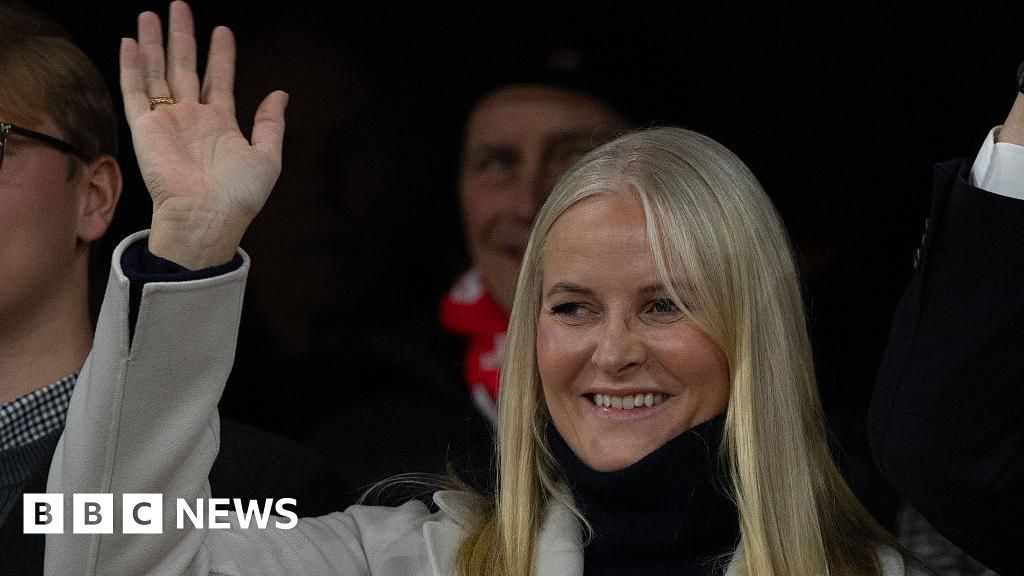
Norwegian Crown Princess Issues Apology Amid Epstein Controversy

In an unexpected yet significant gesture, Mette-Marit, Crown Princess of Norway, publicly apologized to the Norwegian people for not fully understanding the nature of the individual associated with a recent heinous crime case. This apology underscores a broader challenge faced by monarchies and leadership figures worldwide: balancing public trust with the complex realities of individuals within their spheres of influence. The statement not only resonates domestically but also holds substantial implications for international perceptions of Norway, a nation often lauded for its social cohesion and transparent governance.

The revelations surrounding the sex offender have triggered a wave of reflection across societal and political lines, shining a spotlight on how societies evaluate the character of individuals linked to their elites. Traditional monarchies, once seen solely as symbols of history, are now scrutinized through the lens of accountability and societal responsibility. Analysts point to this incident as a *turning point* that demands a reevaluation of transparency within royal institutions. Historians argue that such moments serve as critical junctures where societal values are tested, emphasizing the importance of preemptive oversight and transparent communication in maintaining public trust. Meanwhile, international organizations like the United Nations continue to advocate for stronger mechanisms to prevent such failures from recurring, citing the enduring importance of resilience in national institutions.

Beyond the immediate national context, the geopolitical impact of this incident extends into diplomatic domains as well. Norway’s reputation as a stable, progressive nation poised at the crossroads of Europe and the Arctic is now intricately linked to its internal challenges. Critics argue that the incident exposes vulnerabilities in the country’s societal oversight and prompts questions about how other small nations handle leadership transparency in an age where public opinion can shift overnight. Such events ripple outward, influencing diplomatic relations with neighboring nations and international bodies, which are increasingly attentive to issues of institutional integrity. According to international political analysts, this moment could catalyze reforms in governance practices, not only within Norway but across similar constitutional monarchies globally.

As the weight of history presses on these unfolding events, the lesson remains stark: decisions made in the corridors of power are etched into the collective memory of nations. The outcome of this controversy could either reinforce trust or deepen skepticism towards royal institutions, shaping the social fabric of Norway for generations to come. With the world watching, the path forward will undoubtedly define the character of a society that prides itself on transparency and steadfastness—values that are now, more than ever, under the microscope. History’s judgment awaits, and the choices made today will determine how societies reckon with the dark shadows of the past and illuminate the future.


Rape Trial Kicks Off for Norway’s Crown Princess’s Son Amid Growing Youth Scrutiny

The recent revelations amid Norway’s political landscape have ignited a fierce debate over the role and relevance of monarchy in modern governance, positioning the issue as a critical point of contention in European politics. The leak of email exchanges involving members of the Norwegian royal family has not only exposed what critics consider a disconnect between the monarchy and contemporary societal values but has also cast a spotlight on the broader geopolitical impact of traditional institutions in a rapidly changing world order. This controversy underscores how decisions made within the walls of royal palaces ripple across nations, influencing diplomatic credibility, domestic stability, and public trust.

Leading voices from across the political spectrum have begun to scrutinize the monarchy’s place in Norway’s modern identity. Arild Hermstad, the leader of Norway’s Green Party and a notable republican advocate, stated that the email exchanges reveal a monarchy “that is not working,” pressing for transparency and reform. His comments resonate with a growing global movement questioning whether hereditary rule remains justifiable in wealthy, democratic nations. Analysts from international think tanks suggest that such revelations, if they undermine confidence in traditional royal institutions, could have broader repercussions for European unity. Many believe that the monarch’s continued symbolism as a stabilizing figure is increasingly at odds with an era demanding accountability and reform, especially as traditional monarchical legitimacy faces mounting challenges from rising republican sentiments.

Institutional critics warn that the fallout transcends mere political posturing; it risks altering Norway’s diplomatic posture within the North Atlantic Treaty Organization (NATO) and broader international forums. Historians like Dr. Ingrid Sørensen argue that monarchies historically played pivotal roles in nation-building but now threaten to be relics, especially when their transparency is questioned. The controversy has prompted international organizations, such as The European Union and Human Rights Watch, to weigh in cautiously, intimating that the integrity of political institutions—regardless of their constitutional status—must be preserved against scandals that could undermine social cohesion. As nations grapple with modern governance, the question remains: will traditional symbols of power adapt or be forsaken in the face of reform demands?

In an era defined by urgent global challenges, the unfolding narrative in Norway serves as a microcosm of broader geopolitical shifts. The enduring debate over the monarchy’s role illuminates a larger struggle between tradition and reform that extends across many democracies worldwide. The decisions that emerge from this controversy—whether to reform, retain, or even abolish monarchies—may well determine how a generation perceives authority and legitimacy. As the dust settles, the realization becomes clear: history’s pages are still unfurling, and the outcome of Norway’s internal struggles may influence the future of sovereignty, identity, and power in a world where old institutions are tested by new demands. The story of Norway’s royal scandal is more than a national crisis; it is a chapter in the ongoing saga of evolution and upheaval that defines our times.

BBC Reports from Oslo Court as Crown Princess’s Son Faces Rape Trial

High-Profile Legal Proceedings in Norway Cast Shadow Over Royal Image Amidst Broader International Tensions

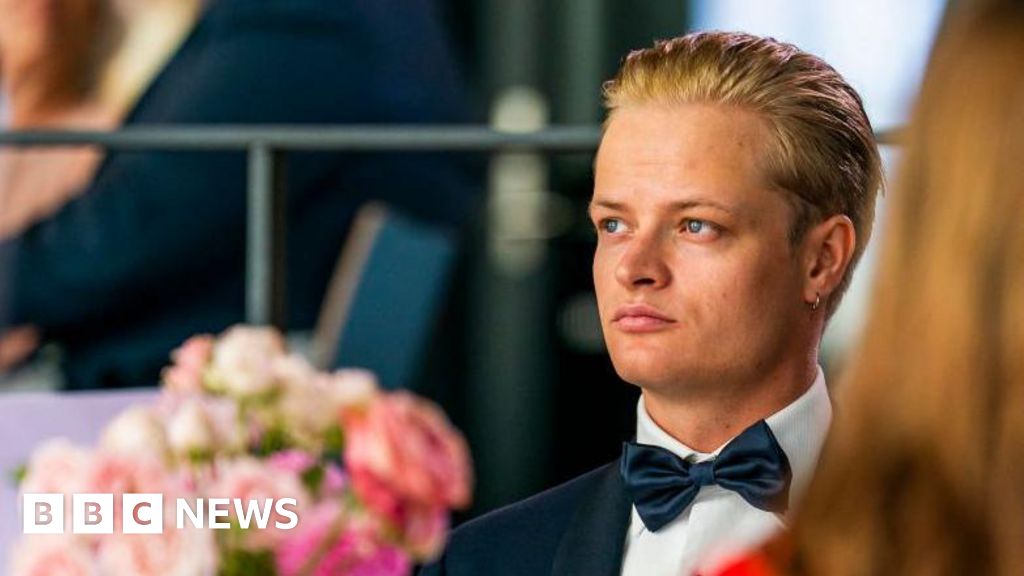
The forthcoming trial of Marius Borg Høiby, the son of Norway’s Crown Princess Mette-Marit, has captivated international attention as it prepares to unfold in Oslo. Accused of 38 charges—including severe allegations of sexual assault, threats, drug offenses, and property damage—Høiby’s case highlights the vulnerabilities of even the most privileged in society. If convicted, he risks a sentence surpassing a decade in prison, a stark reminder that no one is immune from justice, regardless of royal lineage. The recent re-arrest of Høiby, who has now been detained four times since August 2024, underscores the gravity of the accusations and the volatile environment surrounding his legal troubles.

This episode emerges amid revelations of links between his mother and Jeffrey Epstein, the infamous sex offender whose name continues to resonate across geopolitical corridors. These ties, although not necessarily indicative of guilt, raise concerns about the morality and integrity within elite circles, further fueling public mistrust towards the monarchy’s image. International analysts scrutinize this case not just as a national crisis but as part of a broader narrative where the actions of the powerful—especially those connected to prominent families—can undermine a nation’s social fabric. As United Nations and European Union institutions warn against the erosion of trust in leadership, Norway’s royal scandal underscores how personal misconduct can ripple across diplomatic and societal domains.

Impact on International Perception and Geopolitical Stability

Reflecting on this case illuminates a deeper geopolitical impact—how domestic scandals within influential nations shape their international standing. Norway, traditionally viewed as a model of stability and ethical governance, now grapples with an internal crisis that threatens its carefully curated reputation. Such scandals offer adversaries a foothold for criticism, especially within regions eager to highlight perceived moral failings in Western democracies. Economically, the scandal’s fallout could influence investor confidence, especially in sectors tied to Norway’s resource wealth and stability. Moreover, geopolitical analysts warn that these episodes of internal discord, if left unaddressed, risk emboldening opposition factions and destabilizing the social order.

Leading international organizations and security experts articulate concern that scandals featuring royal figures and their families challenge the notion of moral authority necessary for upholding sovereignty and national cohesion. As the case unfolds, the world will watch keenly, recognizing that the consequences extend beyond Norway’s borders. It becomes a symbol of whether societal elites are held accountable, or if they remain above the law, setting a dangerous precedent for societies across the globe.

Historical and Present-Day Parallels: Justice Without Borders

Historically, countries have experienced profound upheavals when scandals involving elites become public. The fall of empires and monarchies can often trace their roots to hidden truths revealed at times of crisis. Today, Norway’s predicament echoes what historians like Barbara Tuchman and Hannah Arendt warned about—the danger of unchecked privilege and the erosion of moral authority. International organizations such as the United Nations emphasize the importance of justice and transparency for peace and stability. Yet, this case serves as a stark reminder that the thin veneer of civility can be shattered overnight when the powerful are exposed, irrespective of national borders or political systems.

As Norway’s courts and society grapple with this controversy, a haunting question remains: Will this be a defining moment for accountability and integrity, or just another chapter in the long saga of elite immunity? The answers lie in how justice is served and whether the tide of public sentiment will uphold the rule of law or be consumed by sensationalism. As history continues to unfold, the weight of this scandal presses heavily upon the shoulders of its participants and observers worldwide—imposing the enduring reminder that no society is immune from the shadows cast by its own secrets.

Crown Princess Mette-Marit's Son Detained Pending Rape Trial in Norway
Crown Princess Mette-Marit’s Son Detained Pending Rape Trial in Norway

As the global stage continues to shift focus towards issues of sovereignty, diplomacy, and internal power dynamics, recent developments surrounding Norway’s monarchy epitomize how nuanced royal affairs can ripple across international borders. A contentious debate has emerged over the role and visibility of Princess Mette-Marit, illustrating the broader tension between tradition and modern sovereignty. Critics argue that while the monarchies of Europe often seek to preserve their cultural influence, they must also navigate the complex terrain of international perception and domestic legitimacy.

At the center of the debate is the question of whether members of the royal family can maintain private citizen status amidst their public duties. The Norwegian government has attempted to distance itself from a forthcoming court case, emphasizing that Princess Mette-Marit remains a public figure tied to Norway’s national image. Analysts emphasize that, unlike her son, whose private status is undisputed, the princess’s role is inherently intertwined with state interests and diplomatic representations. Historians specializing in constitutional monarchies highlight that such distinctions are critical, as the monarchy’s perceived diminished stature could impact the nation’s soft power.

This internal debate reflects a wider geopolitical context. Norway is positioned at the crossroads of EU energy corridors and NATO strategic corridors, making its internal stability and international reputation strategically vital. Decision-makers within the Scandinavian nation understand that how they navigate royal affairs impacts their bargaining power in the Arctic and North Atlantic security dialogues. For instance, any perception that the monarch’s influence is waning could be exploited by geopolitical adversaries or be misinterpreted as political weakness, thus affecting alliances and regional stability. International observers, such as the European Council and NATO, keep a keen eye on these internal narratives, recognizing that “soft power” diplomacy begins at home.

Broader implications stretch into how international institutions interpret and react to royal controversies. The conflicting perspectives surrounding Norway’s monarchy showcase the delicate balance traditional institutions must maintain in a rapidly changing global order. Global analysts warn that any erosion of royal legitimacy could embolden anti-establishment movements or populist rhetoric, both of which threaten the stability of constitutional monarchies across Europe.“History has shown that monarchs and their representatives are often symbols of national continuity and identity, and their perceived vulnerability can have repercussions beyond borders,” noted Dr. Helena Sørensen, a political historian.

Ultimately, the unfolding drama underscores a broader truth: as history continues to unfold in the corridors of power, the decisions made today could reverberate for generations. The stakes are high, not only for Norwegian sovereignty but for the fundamental ways nations project influence and uphold tradition in a changing world. The spotlight remains fixed on Norway as its royal controversy becomes a mirror reflecting the enduring tension between tradition and modernity—poised on the edge of a new era, where every choice shapes the future of nations and societies alike. As political currents churn and histories are written anew, the question remains—will the monarchy evolve or fade into the shadows of history’s great narrative? Only time will tell, but the story of power, identity, and sovereignty marches ever forward, unyielding and relentless.

Tower of London reopens after protest over crown jewels display, food thrown during unrest

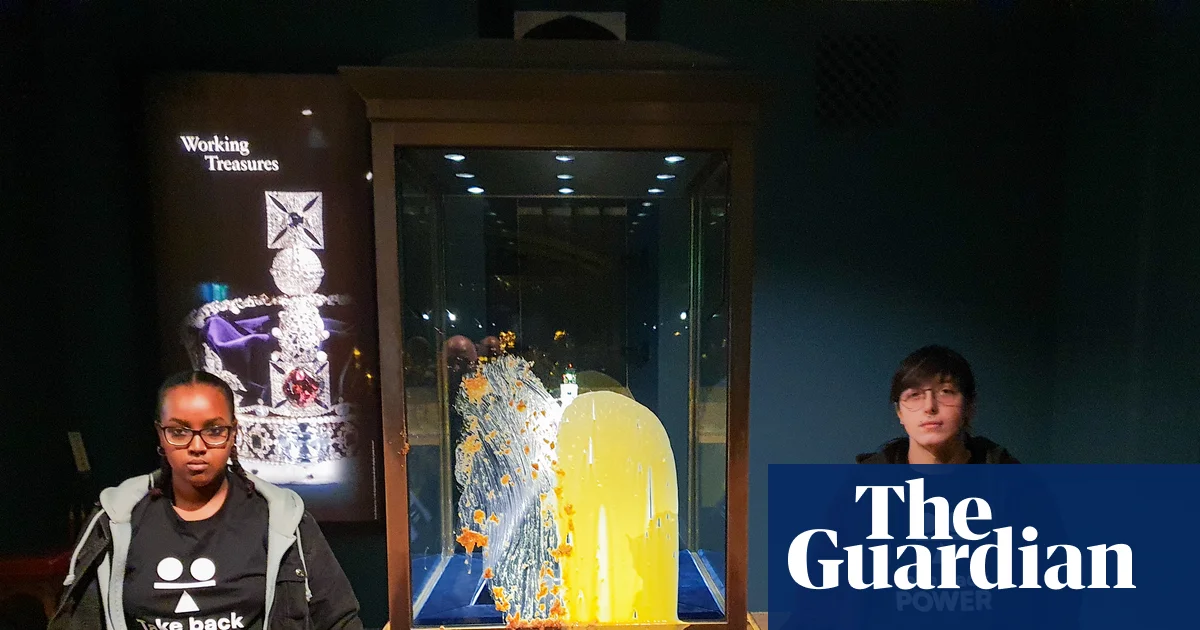
The recent demonstration at London’s Tower of London has ignited a wave of controversy that extends far beyond the gates of Britain’s historic citadel. On Saturday, a small but symbolic act of protest—the throwing of custard and apple crumble at the display case containing the Imperial State Crown—led to the temporary closure of part of one of the UK’s most iconic tourist sites. Conducted by the group Take Back Power, the action underscores growing discontent within Britain’s society over issues of inequality and governance. While the protesters describe their action as a non-violent civil resistance, it signals a deeper challenge to the established political and cultural order that continues to define Britain’s national identity.

Internationally, this event acts as a stark reminder of the tumult that often bubbles beneath the surface of seemingly stable nations. The protest’s message—demanding a permanent citizens’ assembly with the authority to tax extreme wealth and reform Britain’s governance—resonates with broader global patterns of populist discontent. Analysts note that Britain, historically seen as a resilient and constitutional monarchy, is now experiencing a fissure in its societal fabric. This fissure is partly driven by economic disparities, as the gap between the ultra-wealthy and common citizens widens. Global organizations such as the World Economic Forum have warned that rising inequality could spark more protests across Western democracies, challenging the legitimacy of long-standing political institutions.

In a wider geopolitical context, Britain’s internal struggles reflect a fracturing of trust that has significant repercussions on its international role. As the UK reevaluates its positioning post-Brexit, with declining influence in European and global affairs, such protests serve as a signal to allies and adversaries alike: the UK’s traditional institutions are under stress, and legitimacy is increasingly questioned from within. Historians like Dr. Elisabeth Meyers argue that these moments of civil unrest, regardless of their scale, *predict a transformative period for democracies worldwide*. Meanwhile, international watchdogs caution that unresolved grievances could lead to further destabilization, especially if economic tensions continue and political reforms stall.

The geopolitical impact of Britain’s internal discord may ripple outward—affecting alliances, security policy, and trade relations—while also shaping international narratives about Western resilience. For nations observing from afar, the spectacle of protesters targeting Britain’s crown jewels symbolizes a broader trend: that even the most venerable symbols of power are vulnerable when citizens feel unheard or ignored. The UK’s challenge now is to address these root issues without further fueling perceptions of decline or decay in what many still consider a global ideological and cultural beacon. History, as often noted by experts, reminds us that the fate of nations is etched into moments of crisis, and how Britain responds to this internal awakening may determine whether it emerges stronger or further divided.

As the dust settles and authorities investigate, the symbolism remains—an enduring reminder that history’s pages are still being written. In the shadow of this protest, the question lingers: Will Britain reaffirm its commitment to a more equitable society, or will it fall into the chaos of fractured trust? The next chapter depends on whether leadership recognizes that the true crown of a nation lies not in its jewels or monuments, but in the unity of its people and their unwavering quest for justice. The stones of the Tower of London have witnessed centuries of history, yet it is in moments like this that they seem to whisper of a future still undefined, waiting to be shaped by those brave enough to challenge the status quo.

Asia-Pacific’s Travel Crown Slip: Is the Region Losing Its Global Edge?

Asia Pacific’s Travel Landscape: From Bust to Boom?

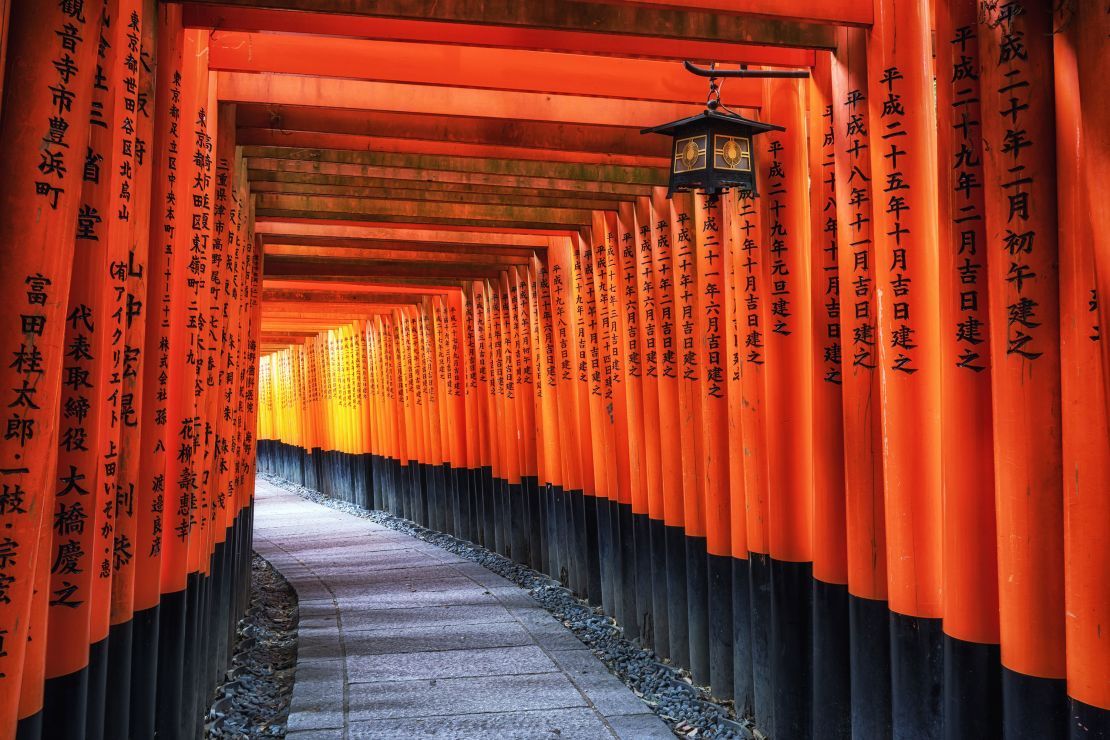
Once celebrated as the vibrant epicenter of global tourism, the Asia Pacific region has experienced a seismic shift in travel dynamics. With iconic destinations like Bali, Singapore, and bustling hubs in Japan and China, this region was responsible for over a third of all international passenger journeys pre-pandemic. But the global health crisis pivoted its trajectory, leaving many wonder if this once unstoppable traveler magnet will regain its former glory anytime soon. According to a recent CAPA report, Asia Pacific is projected to relinquish its title as the world’s largest travel region to Europe by the close of 2022, illustrating a sobering slowdown in recovery.

Despite a robust past, the numbers paint a different picture today. While 2019 saw an astonishing 3.38 billion passengers transit through Asia Pacific airports, forecasts now suggest this figure will fall to approximately 1.84 billion by year’s end. This decline is largely attributed to stringent border restrictions, mainly driven by China’s unwavering zero-Covid policy and Japan’s cautious reopening strategy, set to fully lift restrictions on October 11. These policies, while rooted in health considerations, have imposed a tangible toll on aviation and tourism infrastructure, stalling the momentum of regional recovery. Interestingly, while international travel has faltered, domestic tourism in countries like China continues to hold its ground, down only 5.4% from 2019 levels, hinting at an inner resilience that could eventually fuel broader bounce-back.

The Road to Reconnection: Challenges and Opportunities

Recovery efforts hinge heavily on political will and policy harmonization. Most travel in Asia Pacific destinations remains a shadow of pre-pandemic figures—hovering at 50% or less—except for exceptions like India, which is only 11% below 2019 benchmarks. Industry experts emphasize the importance of harmonized international travel rules, advocating for greater openness and continued vaccination drives to smooth the often fragmented patchwork of border policies. The ongoing restrictions, despite easing in some regions, underscore a broader message: trust and flexibility are key to fuel the revival of this vital travel ecosystem.

Travel professionals suggest that the region’s recovery will likely stretch into late 2023 or early 2024, driven by a mix of economic factors, epidemiological stability, and strategic initiatives to boost international connectivity. The Asian travel renaissance, if navigated adeptly, could serve as a cornerstone for economic revitalization, creating opportunities for entrepreneurs, youth explorers, and cultural ambassadors eager to reconnect with Asia’s diverse tapestry. As the world gradually reopens, the region’s internal drive for tourism innovation—from eco-friendly resorts to wellness retreats—aligns with a growing desire among young travelers to live authentically, embrace new experiences, and pursue personal growth through exploration.

Embarking on the Journey Forward

  • Plan with flexibility: In uncertain times, adaptable itineraries empower travelers to seize opportunities as borders shift.
  • Prioritize wellness: Wellness travel is more than a trend; it’s a lifestyle shift that fosters personal impact, filling journeys with purpose and rejuvenation.
  • Embrace cultural richness: Connecting with local communities enriches the travel experience, transforming it from routine to transformative.

In essence, travel isn’t merely a pursuit of leisure but a voyage toward self-discovery and interconnectedness. For the young adventurer, the traveler navigating the currents of global change, Asia Pacific’s unfolding story holds a mirror to broader societal shifts—one of resilience, unity, and the unyielding desire to explore. As borders open and connections are reestablished, a new chapter awaits—one in which journeys of discovery foster not just economic growth but also the spirit of global community. The adventure to embrace the world—and one’s place within it—continues, beckoning the next generation of explorers to step forward into a future full of promise.

Mexico’s Fatima Bosch, snubbing organizers, takes home the crown

International Tensions Rise as Miss Universe Unravels Amid Cultural and Leadership Turmoil

In what was meant to be a celebration of beauty, resilience, and cultural diversity, the recent Miss Universe pageant in Bangkok has spiraled into a spectacle of controversy, exposing deep fissures within the organization’s leadership and the cultural divides that underpin its global outreach. The pageant, venerable and historically influential since its inception in 1952, has become a mirror reflecting the increasing tensions between traditional values and progressive ideology, with Thailand hosting for the fourth time amid internal chaos. Experts and analysts suggest that these upheavals are emblematic of a broader, more alarming trend: the clash of conflicting cultural identities and the fragility of global institutions in today’s geopolitically charged environment.

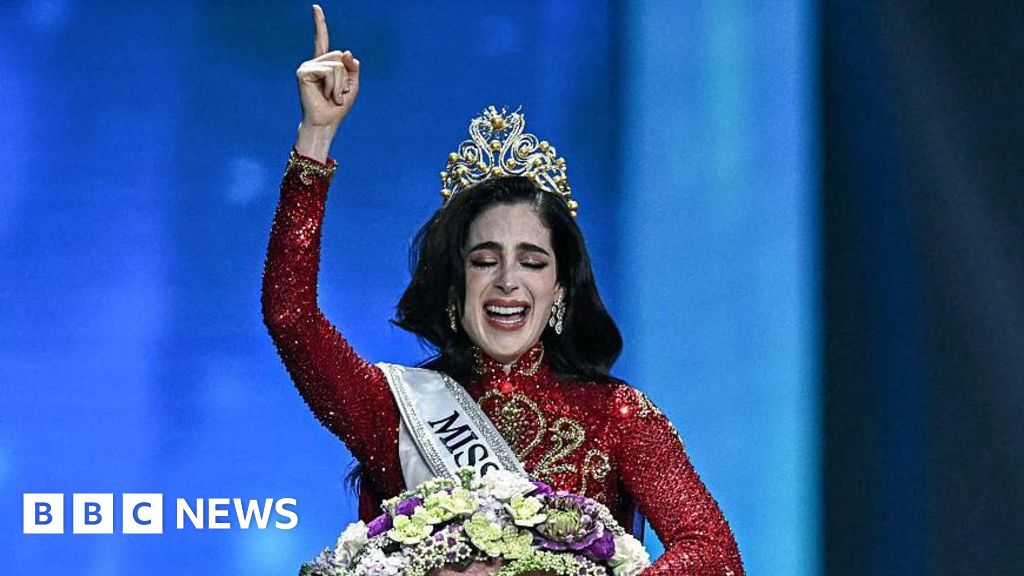
The drama unfurled dramatically during a pre-pageant event when Thai media mogul Nawat Itsaragrasil, who holds the licence to organize this year’s event, publicly berated Miss Mexico, Fatima Bosch, for failing to promote products on social media. This confrontation, witnessed by dozens of competitors, saw the organizer threaten disqualification, prompting a walkout from Ms. Bosch and her supporters. Such indignities cast a shadow over the organization, prompting swift condemnation from the Miss Universe organization based in the United States. The incident underscored a deeper crisis—an organizational identity crisis driven by conflicting cultural expectations. International observers, including scholars like Thitiphong Duangkhong, warn that the disrespect shown to contestants signals a disconnect between the Thai-led event and the global audience, many of whom view the pageant as an empowering platform for women rather than a spectacle of hierarchy and authority.

Adding fuel to the fire, allegations of rigging and biased judging surfaced when two judges resigned suddenly. Lebanese-French musician Omar Harfouch accused the judges of pre-selecting finalists, suggesting an undercurrent of corruption that threatens the credibility of the event. Although the Miss Universe Organization refused these claims, asserting their process remains fair, the damage was done. Meanwhile, the leadership remains fractured, with Anne Jakrajutatip, a Thai transgender media mogul who pioneered inclusivity policies, having stepped down as CEO just prior to the competition. Her departure, following the organization’s attempt to shift towards a more socially conscious yet commercially challenged model, highlights the digitized, commercialized era the pageant now finds itself in—a far cry from its glamourous, once-a-year TV spectacle. The leadership vacuum, split between Bangkok and Mexico, exposes the vulnerabilities of a brand struggling to navigate the tumultuous terrain of modern media, as noted by industry analysts.

The Geopolitical Impact and Social Consequences

These internal developments are far more than organizational gossip; they reverberate across the international stage. The controversies expose the susceptibility of cultural diplomacy, as the pageant’s African, Asian, and Latin American fans question the legitimacy and authenticity of a contest often seen as a reflection of Western beauty standards. The rise of social media influencers—many former Miss Universe queens—demonstrates a seismic shift in how societal influence is cultivated, transcending traditional pageantry. Meanwhile, the splintering leadership hints at a larger trend: the decline of institutions rooted in outdated notions of glamour, now vulnerable to the tides of activism, social justice movements, and digital advocacy.

Veteran analysts and historians cite that the Miss Universe pageant’s turbulent transition underscores the wider cultural war playing out in global narratives. As some critics argue, the Pageant’s attempt at inclusivity—allowing transgender women, married women, and contestants with children—marked a progressive milestone, yet also stoked backlash among conservative factions, especially in Latin America and parts of Southeast Asia. The ongoing instability invites parallels with other international institutions struggling to adapt amid geopolitical shifts, where traditional authority is challenged by populist movements and social activism, reminiscent of debates over multilateral treaties and cultural sovereignty. The core question remains: can such a fractured organization preserve its relevance and moral authority as the tide of history insists on redefining societal values?

The Future Echoes in the Shadows of History

As the dust settles over Bangkok, the question lingers—what is next for Miss Universe? Will it evolve into a media empire akin to the influencers who dominate TikTok and Instagram, or will it succumb to internal disarray and irrelevance? The decisions made in these critical moments will shape not only the future of the pageant but hint at the broader fate of global cultural icons caught between tradition and modernity. The echoes of history warn us: institutions built on fleeting notions of beauty and status are inherently fragile, especially when subjected to internal betrayals and external cultural clashes. The real story remains unwritten, a narrative of transformation that could either restore its dignity or consign it to the annals of history as yet another fallen symbol of a bygone era, leaving future generations to ponder whether it was the organization’s hubris or society’s shifting morals that doomed the pageant’s reign.”

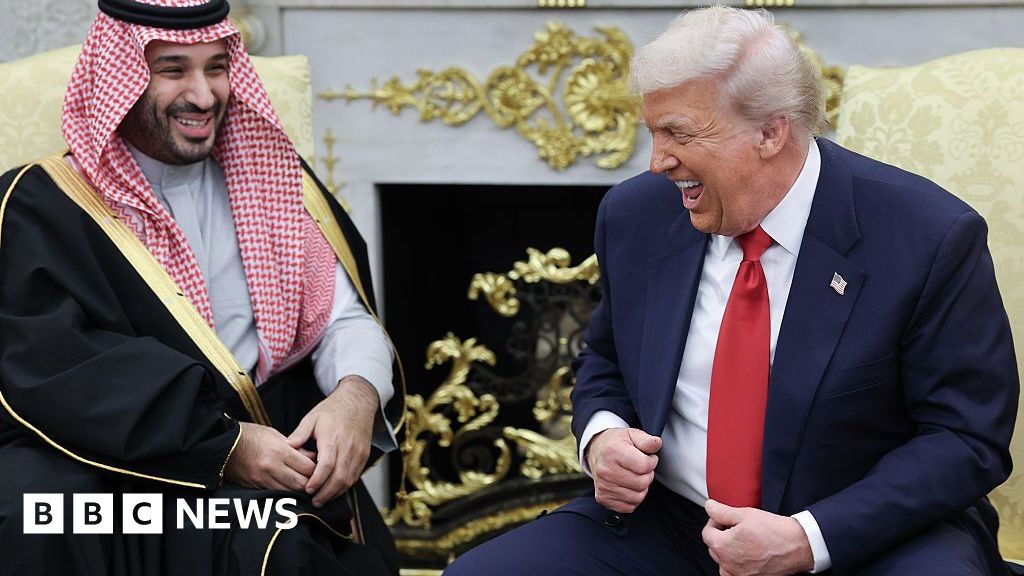
Trump Brushes Off Khashoggi Controversy, Stands by Saudi Crown Prince

The recent visit of Saudi Crown Prince Mohammed bin Salman to the United States signals a notable recalibration in international alliances and strategic interests, despite ongoing controversy surrounding the brutal 2018 killing of journalist Jamal Khashoggi. While the White House, under President Donald Trump, welcomed the de facto ruler with promises of increased economic cooperation—specifically in fields like civilian nuclear energy, artificial intelligence, and significant US investments—the shadows cast by the Khashoggi affair linger. Historians and analysts warn that such overt diplomacy, amid unresolved human rights questions, could set a troubling precedent for how nations prioritize economic and geopolitical gains over moral accountability. In a move that could be seen as pragmatic or duplicitous, the US administration has downplayed the intelligence reports that explicitly link Mohammad bin Salman to approving the operation that resulted in Khashoggi’s death. These reports, declassified under President Joe Biden, serve as a stark reminder of the complex interplay between the pursuit of strategic alliances and the imperative of justice—an ongoing tension that shapes international diplomacy today.

One of the most contentious issues surrounding this diplomatic dance involves the potential sale of advanced F-35 fighter jets to Saudi Arabia, a move that has alarmed Israel. Critics argue such an arms deal threatens the region’s delicate balance of military power, risking the loss of Israel’s “qualitative military edge”. Despite assurances from Trump that these aircraft would be comparable to those operated by Israel, the implications for regional stability remain uncertain. This arms deal is more than mere military hardware; it symbolizes a shift in regional power dynamics, with Saudi Arabia positioning itself as an increasingly militarily capable regional player, backed by the world’s superpower, the United States. This calculated move reveals how geopolitics—driven by economic interests, security concerns, and political optics—continues to redefine the Middle East’s stability.

The broader significance of this high-level engagement extends beyond mere defense and diplomacy. The visit underscores a pragmatic, if controversial, approach to diplomacy in a fractured world where authoritarian regimes—like Saudi Arabia—are being courted for their strategic value, despite their human rights abuses. Critics, including prominent human rights organizations and some US lawmakers, view this as a tacit endorsement of an autocratic regime that dismisses universal standards of justice. Nonetheless, the geopolitical impact remains profound. Increasing US investment, coupled with the crown prince’s promise to raise Saudi-US investments to a staggering $1 trillion, signals a shift towards economic pragmatism over moral clarity. Meanwhile, the world’s eyes remain fixed, watching as history increasingly unfolds in the corridors of power—where diplomatic priorities often clash with the enduring quest for justice.

As the global order continues its tumultuous evolution, the question of morality versus geopolitics hangs in the balance. The Trump-Mohammed bin Salman summit encapsulates this complex tension—where economic opportunity and regional influence are prioritized, even amid unresolved questions of accountability. The tragic story of Khashoggi’s murder remains a stark reminder of the human cost behind diplomatic decisions—an unresolved wound in the fabric of international relations. With every deal struck and every alliance forged, the weight of history presses heavily, hinting that the unfolding chapter is far from over. As the world stands at this geopolitical crossroads, history waits—silent and vast—to record the choices that will determine the future for generations to come.

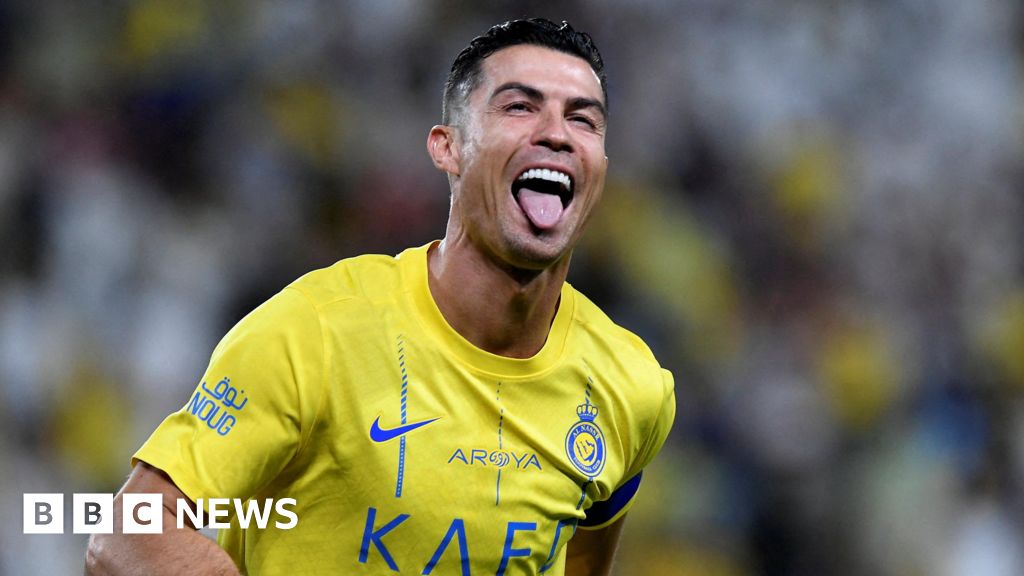
Ronaldo Set to Visit White House Amid Saudi Crown Prince Visit Day

The anticipated visit of Cristiano Ronaldo to the White House, confirmed by a US official, underscores the shifting landscape of global influence in the early 21st century. Set against the backdrop of Ronaldo’s recent engagements in Saudi Arabia, this visit symbolizes more than a sports celebrity’s diplomatic move; it reflects the intricate web of geopolitical power plays orchestrated by nations vying for prestige and strategic advantage. Ronaldo, whose presence in the Saudi Pro League has become emblematic of the kingdom’s ambitious modernization drive, now steps into a geopolitical spotlight that transcends the football field.

  • Ronaldo’s historic visit to the US marks a rare return since 2016, a period that has seen him embroiled in controversy over allegations of sexual assault, which he has vigorously denied. Although US prosecutors decided in 2019 not to pursue charges, the allegations continue to cast shadows over his public image, illustrating how personal reputation intersects with international diplomacy in the modern era.
  • Meanwhile, Ronaldo’s role in Saudi Arabia’s strategic initiatives, under Crown Prince Mohammed bin Salman, underscores a deliberate effort by the kingdom to diversify away from oil dependence by leveraging global icons like Ronaldo to boost tourism, sports, and cultural soft power. His lucrative contracts—reportedly totaling over $600 million—highlight a broader trend of nations using high-profile deals to elevate their standing in the global arena.

Experts such as Sanam Vakil from Chatham House have emphasized Saudi Arabia’s intensive investment in high-profile figures and sporting events as an aggressive move toward international engagement and soft power diplomacy. This strategic pivot aligns with the kingdom’s vision for a 21st-century identity that balances traditional values with modern spectacle. Ronaldo’s endorsement of this vision—calling Prince Mohammed “our boss” and advocating for Saudi development projects—embodies the use of sports as a diplomatic tool. His expressed support for hosting the 2034 FIFA World Cup exemplifies how nations are increasingly leveraging global sporting events to project influence.

Meanwhile, the diplomatic dance involving United States and Saudi Arabia remains complex. The White House’s decision to host Ronaldo, whether as a guest or a symbolic envoy, signals a subtle recalibration of American engagement with regional powers. As analysts observe, these moves are not merely about entertainment but represent a strategic layer in the ongoing redefinition of alliances and influence. The significance of the shift towards multi-nation diplomacy—where personal prominence intersects with national interests—indicates a world that is less binary and more interconnected, yet riddled with rivalries and ambitions.

It is in this evolving geopolitical theater that history continues to unfold—an intricate mosaic of power, influence, and the unyielding pursuit of national prestige. As Ronaldo’s footsteps echo from the White House to Riyadh, it leaves behind a stark reminder: in today’s international arena, societal values, personal legacies, and state strategies are increasingly intertwined. The next chapters are yet to be written, but one thing is certain—these moments will be remembered as the catalyst for a new phase of global influence, where cultural icons become ambassadors of international chess moves, shaping the destiny of nations.

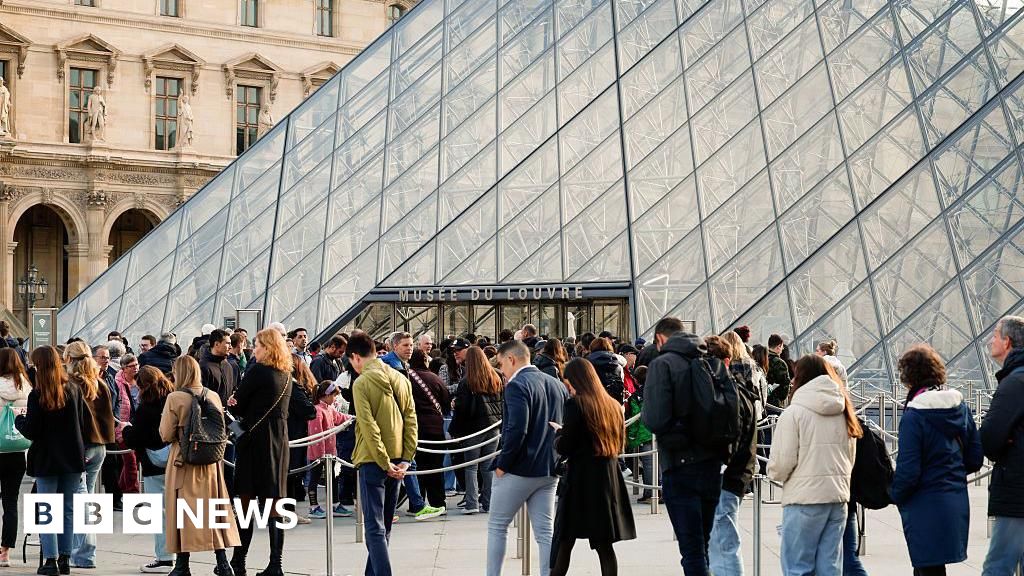
Louvre returns to normal after bold crown jewel theft—justice on the way

The Louvre Museum in Paris has reopened its doors only three days after a brazen daylight robbery that took away priceless artifacts valued at over 88 million euros. The audacity and precision of the crime, executed by a group of masked thieves wielding power tools, underscore a troubling wave of security vulnerabilities facing some of the world’s most treasured cultural institutions. The attack, which unfolded with shocking speed and sophistication, threatens not only the integrity of this iconic museum but also raises wider questions about international security protocols guarding humanity’s shared heritage. While visitors now flock back to the Louvre, the apparent negligence in surveillance, evidenced by a report that a third of the museum’s rooms lacked CCTV, paints a stark picture of the challenges facing cultural custodians worldwide.

The heist involved a small team of four accomplices who used a truck fitted with mechanical ladders to access the gallery near the River Seine early Sunday morning. Two of the thieves then cut through a glass window using battery-powered disc cutters—a tactic reminiscent of organized crime syndicates operating across borders. They threatened guards, who evacuated the building, and swiftly made off with a treasure trove including a diamond and emerald necklace once gifted by Emperor Napoleon to his wife, along with a tiara worn by Empress Eugenie, and jewelry previously owned by Queen Marie-Amelie. As security experts scramble to piece together the details, investigators have uncovered a damaged crown belonging to Empress Eugenie along the thieves’ escape route, fueling speculation about organized criminal involvement. French authorities, led by Interior Minister Laurent Nunez, express confidence in apprehending the culprits, but the broader issue remains: how well are nations prepared to defend cultural heritage in an era of rising organized crime and geopolitical uncertainty?

The incident has sparked intense debate among international analysts, with many warning that cultural institutions in Europe and around the world are increasingly targeted by criminal syndicates seeking lucrative art and jewelry. The attack on the Louvre’s security infrastructure—notably, the fact that alarm systems failed to trigger and CCTV coverage was incomplete—highlight glaring gaps in protecting vital national treasures. Some experts argue that the incident might be a wake-up call, urging governments and global institutions to adopt more advanced, integrated security measures against this new wave of threats. The potential for art and jewelry smuggling, driven by criminal organizations with international reach, presents a challenge not just for France but for the entire Enlightenment legacy that many nations aim to preserve. The European Union and Interpol are likely to increase collaboration, but critics contend that local authorities must prioritize infrastructure upgrades and intelligence sharing.

The fallout from this event extends beyond the immediate theft; it symbolizes a broader crisis of cultural sovereignty and national identity threatened by organized crime, geopolitical shifts, and lax security policies. Historians and analysts warn that if such breaches are not swiftly addressed, our global heritage risks becoming vulnerable to exploitation and loss. The Louvre’s roving security failures could set an alarming precedent, emboldening those with no regard for history’s sanctity. With every piece stolen, a fragment of cultural memory is lost—an irreversible dent in our shared history. As investigators pursue the thieves through a maze of criminal networks, the world watches with bated breath, acutely aware that this event might mark a turning point—either a catalyst for reform or a grim reminder of the increasing peril facing humanity’s culture. In this unfolding narrative of loss and resilience, one truth remains evident: history’s pages are still turning, and the stakes have never been higher.

Social Media Auto Publish Powered By : XYZScripts.com