Matox News

Truth Over Trends, always!

UK Charities Warn Youth Gambling Crisis Could Cut Off Crucial Help Amid Funding Overhaul

Social Crisis Looms as Funding Cuts Threaten Gambling Addiction Support

In our society, the silent toll of addiction continues to ripple through families and communities, exposing deep vulnerabilities that often go unnoticed until tragedy strikes. The recent overhaul of gambling sector funding in the UK has ignited alarm among charities and social commentators, revealing how policy shifts can inadvertently jeopardize crucial life-saving services. Once sustained largely via voluntary contributions from casinos and bookmakers—about 0.1% of their takings—the burden has now shifted to a mandated levy of up to 1.1%, aiming to generate approximately £100 million annually. While this appears as a committed effort to address the growing problem of gambling addiction, experts warn that delays and lack of clear government guidance threaten to unravel the very infrastructure designed to protect vulnerable individuals.

At the heart of this crisis is a fundamental question: how do we reconcile economic policy with social responsibility? The Department for Culture, Media and Sport oversees the new levy process, yet charities such as GamCare and Gordon Moody warn that the transition period could leave hundreds of addicts without essential support. Victoria Corbishley, CEO of GamCare, emphasized, “The uncertainty is causing challenges. We don’t know what commissioners want from April onwards. It jeopardizes services, especially smaller organizations that many depend on for direct support.” Such cultural shifts signify more than bureaucratic adjustments—they threaten the moral fabric of social safety nets designed to extend hope and recovery to those in despair.

For families impacted by gambling addiction, these issues are more than administrative. They are human stories of lost careers, shattered relationships, and lives at risk. Alex, a 41-year-old former teacher, recounts how support from Gordon Moody transformed his life after a period of destructive gambling led him to contemplate ending his own life. His voice underscores a bleak reality: without ongoing support, suicide rates could increase—an outcome society must urgently prevent. Yet, the new funding model’s short-term disruptions pose the risk of leaving many unable to access vital treatment. Gordon Moody’s spokesperson highlighted how “shifting the goalposts” at short notice worsens the crisis, emphasizing the need for interim funding to safeguard human lives.

Social commentators and sociologists like Dr. Samuel Perry have long argued that social stability relies on resilient institutions that prioritize human dignity. The ongoing crisis exemplifies how demographic and cultural shifts can expose the cracks in societal safety structures, especially for vulnerable youth and emotionally fragile communities. As we observe this unfolding landscape, many wonder if policymakers truly grasp the moral imperative to protect the marginalized. For society to heal and progress, it must invest not only in economic solutions but also in the moral fabric that holds families and communities together—faith, support systems, and accessible treatment that affirm human worth.

In the twilight of these challenges, society faces a stark choice: continue down a path of bureaucratic neglect or unite in a collective effort to restore the values of compassion and responsibility. The hope lies in recognizing that behind every statistic is a person—facing their fiercest battles, yearning for dignity, and deserving of a society that cares enough to act decisively. Only by addressing these social issues with unwavering commitment can we aspire to forge a future where renewal prevails over neglect, and hope becomes the foundation for lasting societal change.
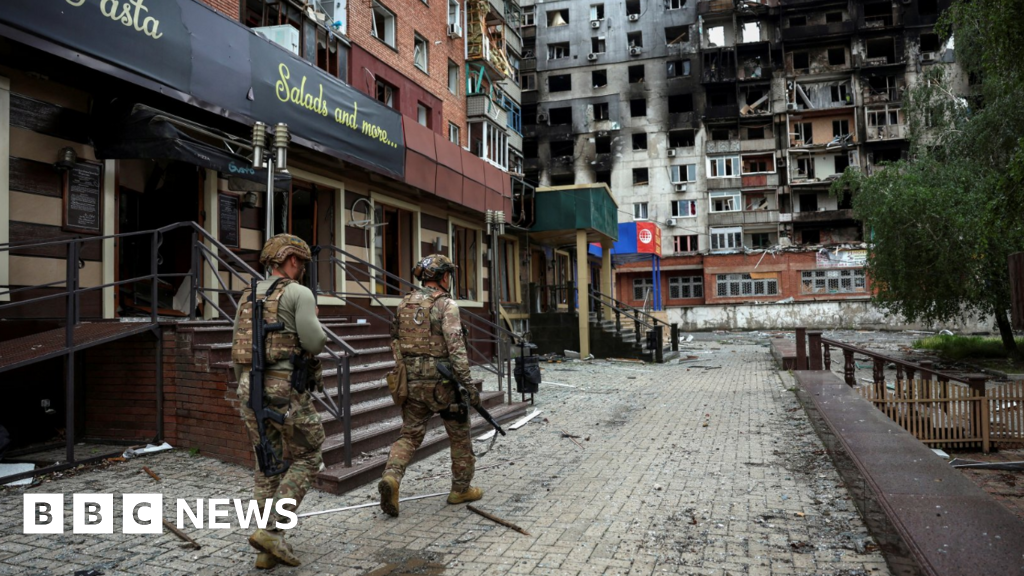
Russian push ramps up near crucial Ukrainian town, army chief warns

Ukraine under Siege: The Battle for Pokrovsk and Its Global Significance

Amid the ongoing conflict in Ukraine, recent reports signal a disturbing escalation around the vital frontline town of Pokrovsk in the Donetsk region. Ukraine’s armed forces, led by Commander-in-Chief Oleksandr Syrskyi, have warned that Russian activity is intensifying, with Russian infantry massing and attempting to encircle the city. These developments are not merely localized skirmishes; they are a critical piece in the larger chessboard of Russia’s strategy to seize control of strategic transport and supply hubs in eastern Ukraine. The town’s fall could pave the way for Russian advances toward Kramatorsk and Sloviansk, the only significant Ukrainian-controlled urban centers still resisting in the region. This potential shift in control would significantly undermine Ukraine’s territorial integrity and complicate Western support efforts.

Official Ukrainian sources and independent analysts have painted a picture of a fierce and dynamic confrontation. Ukrainian General Syrskyi dismissed rumors of a blockade as propaganda, emphasizing that Russian forces are maneuvering around the town, seeking to infiltrate and weaken Ukrainian defenses. Despite the heavy Russian troop buildup, Ukrainian commanders are focused on maintaining a delicate balance—aiming to protect their soldiers while preventing encirclement. The situation remains “difficult,” according to Syrskyi, as Russian forces have been relentless in attempting to infiltrate deeper into Pokrovsk; some reports suggest the city is teetering on the brink of crisis. The battle for Pokrovsk symbolizes a broader struggle—one that involves not only regional territorial control but also the fight for world perception and geopolitical influence.

Meanwhile, international voices and intelligence assessments underscore the gravity of these developments. Ukrainian President Volodymyr Zelensky publicly declared Pokrovsk the “main target” of Russian advances and claimed Russia’s forces there are outnumbering Ukrainian defenders by a staggering ratio—eight to one. Zelensky asserted that Russia’s true aim is to demonstrate to the United States and NATO that Ukraine is on the retreat, a narrative Moscow desperately seeks to sell to bolster its strategic narrative. Analysts from organizations like Sybelline warn that the battle has entered a “highly dynamic and intense phase,” with Russian forces incrementally encircling and disrupting Ukrainian supply routes. Ukrainian monitoring groups suggest that time is running out—Pokrovsk is at a tipping point, and its loss could have rippling effects across the entire eastern front.

The stakes extend far beyond the battlefield. This confrontation encapsulates a broader geopolitical struggle—a symbolic battleground where Russia seeks to fracture Ukraine and redefine regional power balances, challenging the responses of Western allies. The international community, including NATO, watches anxiously as the outcomes here will determine whether Ukraine can withstand Russian pressure or if the tide will turn, forcing a reevaluation of Western support. This is a moment where history is not merely being written; it is being forged amidst gunfire and diplomacy, with the world hanging in a delicate balance. As the drums of war beat louder, global observers must ask—how will this chapter conclude, and what new order will emerge from the ashes of this relentless and pivotal confrontation?

Americans gear up as Snap food benefits near crucial expiration date—what’s next for America’s young families?

Food Insecurity: The Unseen Toll of Political Deadlock

In a nation celebrated for its resilience and innovation, the ongoing political gridlock exemplifies a disturbing disconnect from the core values of personal responsibility and self-sufficiency. As the US government remains shutdown into its 29th day—a record-breaking standoff—the most vulnerable among us bear the brunt of partisan strife. Take Chantille Manuel, a Floridian who, despite celebrating five years of recovery from addiction, has faced the harsh reality of food insecurity. Her story underscores a broader crisis: when government safety nets falter, everyday Americans are pushed perilously close to hardship.

Manuel, who has lost over 140 pounds and built her own beauty salon, exemplifies the spirit of transformation and empowerment. Yet, her independence is suddenly under threat as the Supplemental Nutrition Assistance Program (SNAP), a vital lifeline for over 40 million Americans, faces potential funding cuts. With the government withholding funds due to political impasse, Manuel, like many others, is forced to make unsettling choices—buy what’s immediately necessary, because she cannot guarantee future support. Her story echoes the sentiments of wellness experts like Dr. Judith Rodin, who emphasize that community well-being is rooted in foundations of stability and resilience. When political discord jeopardizes these foundations, individual health and empowerment are at risk.

The Broader Impact: Hunger as a Political Weapon

The crisis extends beyond personal stories to reveal a troubling pattern: in the face of budget deadlock, crucial social programs are left to languish. Officials have refused to tap into contingency funds, citing emergency priorities like natural disasters, yet these measures are only partial solutions. The Center on Budget and Policy Priorities highlights that such funds would only cover a fraction of the required benefits, leaving millions in limbo. Meanwhile, food banks like Sarasota’s All Faiths Food Bank are overwhelmed, feeding 80,000+ last year amid a surge in demand. Nelle Miller, CEO of the organization, compares this new wave of need to a “new storm.” Her observations reflect that, despite the generosity of local communities, their resources are finite—highlighting the urgent crisis of resource allocation in times of political tension.

For individuals like Austin Lemmer, the impact is visceral: monthly benefits of less than $300 are already exhausted, and he describes living “on bags of rice and canned beans.” Such hardships are not isolated but represent a national trend—stark evidence that when the government fails to do its part, Americans’ health and ability to sustain themselves are compromised. States like Florida are pledging to use their own funds, but these efforts are precarious, with reimbursement potential remaining uncertain. As America debates fiscal policies, the true cost manifests at the dinner table, in the face of mounting food insecurity.

Choosing Self-Reliance in Challenging Times

Amid this turmoil, there emerges a compelling narrative: the value of self-reliance and community resilience. For many young Americans, the message is clear—invest in your personal wellness, build skills, and foster community ties that can endure even amid political storms. Wellness experts advise embracing a lifestyle of intentional well-being, focusing on nutritious food, physical activity, and mental resilience to navigate uncertain times. The stories of those like Ms. Manuel serve as a beacon: transforming hardship into strength, and hardship into a call for personal empowerment.

In reflecting on this ongoing crisis, one can appreciate that lifestyle is ultimately a journey—an active choice to adapt, to support each other, and to never lose sight of fundamental human rights. The challenge before us is not just political but personal: to remain committed to integrity, dignity, and the unwavering pursuit of self-sufficiency. Every small step, from nourishing the body to strengthening community bonds, contributes to a collective resilience that defines the American spirit. Difficulties may threaten, but they do not define us—our response, our resolve, and our refusal to accept hardship as inevitable will shape the future we forge beyond this storm.

Crucial Tips for Picking Your 2025 Gaming Laptop—Stay Ahead in the Game

Next-Generation Gaming Laptops Signal a New Era of Innovation and Disruption

The gaming laptop industry is undergoing a seismic shift as hardware innovation accelerates, setting the stage for unprecedented performance levels and strategic market realignments. With the recent rollout of NVIDIA’s latest RTX 50-series GPUs, including the powerful RTX 5090 (24 GB VRAM), RTX 5080 (16 GB VRAM), and RTX 5070 Ti (12 GB VRAM), manufacturers are pushing the boundaries of graphics performance. These advancements are poised to redefine what’s possible for gamers and creators alike, challenging established industry standards and opening opportunities for disruption in premium hardware.

The implications for the business landscape are profound. Innovation in GPU architecture doesn’t just enhance gaming; it fundamentally shifts the competitive calculus in high-performance computing. As a result, companies that fail to adapt to this rapid evolution risk obsolescence. This momentum is echoed by industry analysts from Gartner and institutions like MIT, who emphasize that disruptive technology cycles are shortening, demanding aggressive R&D investment and strategic pivots. The uptick in VRAM from previous models also signifies a focus on future-proofing devices, allowing users to handle increasingly demanding applications with ease.

Meanwhile, the CPU landscape is equally compelling. The latest generation of chips from Intel and AMD introduces third-gen Ryzen AI processors, such as the Ryzen AI 9 365 and Ryzen AI 9 HX 375, and Intel’s new Core Ultra Series 2 H and HX chips. These CPUs, with power profiles reaching up to 55W, are designed to complement high-end GPUs, offering a balanced approach to performance, efficiency, and battery life. Notably, the adoption of the Ryzen 9 9955HX3D signals a move towards unprecedented gaming power—a trend that industry leaders are closely monitoring. This synergy of CPU and GPU innovation is unlocking new levels of gaming and creator productivity, serving as a catalyst for a new wave of ultra-powerful, portable machines.

As the market evolves, consumer choices are also shifting. The industry is rapidly discarding outdated standards, with most new laptops now equipped with a minimum of 16 GB RAM and increasingly moving towards 32 GB to meet the demands of modern, memory-intensive software. However, early adopters still face choices about affordability versus cutting-edge hardware. Experts caution against purchasing older GPU models—particularly those predating the RTX 40-series—citing risk of obsolescence, given the pace of technological progression.

The outlook for the gaming laptop segment is unequivocal: disruption is accelerating at an unprecedented rate. While current innovations focus on raw performance, the broader implications stretch into business strategies, market positioning, and future consumer expectations. Pioneers that invest in the integration of these emerging technologies, aligning with strategic insights from industry giants like Peter Thiel and Elon Musk, will unlock new opportunities for competitive advantage. The question now is not if but when the industry will fully embrace these changes, demanding a sense of urgency for stakeholders seeking to lead in this transformative era. As innovation continues its relentless march forward, one thing is clear: the future belongs to those willing to push the limits and disrupt the status quo.

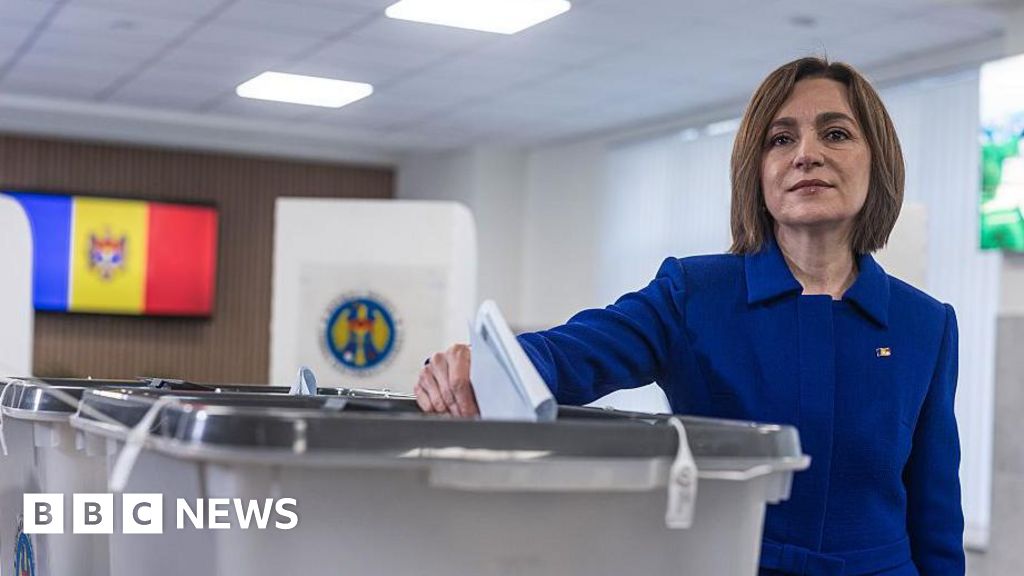
Moldovans Gear Up for Crucial Election Amid Russia Interference Concerns

The recent parliamentary elections in MOLDOVA have become a focal point in the ongoing geopolitical contest between Western alliances and Russian influence. With a nation caught between its desire for EU integration and the lurking shadow of Russian interference, Moldova’s future is more precarious than ever. Voters, expressing their democratic will despite the smoke of disinformation and external meddling, are making a decisive choice that could redefine the nation’s trajectory—either towards the West or back into Moscow’s sphere of influence. As analysts and historians warn, these elections are not just about local politics; they are a pivotal chapter in the broader geopolitical struggle for influence in Eastern Europe.

The electoral landscape was heavily influenced by claims of massive Russian interference, with Moldova’s security forces alleging that Moscow-backed actors actively sought to sway the outcome. The authorities reported an unprecedented effort to spread disinformation and mobilize perceived pro-Russian sympathizers, including coordinated efforts to buy votes and spread fake news, as uncovered by an investigation from the BBC. The narrative was stark: Russia aims to maintain its grip on Moldova, especially in the shadowed enclaves like Transnistria, where Russian troops remain a tangible presence and pro-Moscow sentiments run deep. The anxiety surrounding these claims was amplified by reports of bomb scares, signaling the tense atmosphere during the voting process. Such actions underscore how security and sovereignty in Moldova have become a proxy battleground in a larger international conflict.

At the heart of the political tug-of-war are two major forces vying for control: President Maia Sandu’s Party of Action and Solidarity (PAS), committed to a European path, and the pro-Russian Patriotic Electoral Bloc, led by Igor Dodon, which pushes for closer ties with Moscow. The partial results suggested a neck-and-neck race, with proponents for EU integration and neutrality battling fiercely against Moscow-aligned factions. Notably, over 270,000 Moldovans participated in the diaspora voting, predominantly in Western countries, highlighting the country’s split identity. Meanwhile, Transnistria, with its Russian military presence and pro-Moscow population, remains a contested zone, where voters face logistical hurdles to participate—yet their votes carry significant symbolic weight in this unfolding geopolitical drama.

This election has also revealed the deep societal divisions within Moldova, worsened by spiraling prices and endemic corruption. President Sandu, resilient and warned by many analysts as a pragmatic reformer, reinforced her commitment to EU integration, reminding voters that their democracy is fragile and must be defended. The stakes are high: if her party loses its parliamentary majority, Moldova may face further instability, potentially swinging back into Russia’s orbit. Conversely, a win for pro-Western parties could accelerate Moldova’s integration into European structures, but at the cost of escalating tensions with Moscow, which perceives such moves as threats to its strategic interests. The international community watches closely, aware that Moldova’s choice could influence the balance of power in Eastern Europe amid the ongoing turmoil in Ukraine.

As the results slowly unfold, one thing remains clear: Moldova’s democratic experiment is a critical piece of a larger puzzle—one where history is still being written at the ballot box. With a nation divided but determined to forge its own path, the outcome is more than just a local election; it is a decisive step in the relentless contest for supremacy in Europe’s eastern frontier. As voters cast their ballots amidst whispers of disinformation and foreign influence, the world must wonder: which way will Moldova tilt—toward stability and sovereignty or into the shadows of empire? The answer will shape the geopolitical landscape for years to come, etching the next chapter in an unfolding saga that could determine the future of regional security and international order.

Social Media Auto Publish Powered By : XYZScripts.com