Matox News

Truth Over Trends, always!

Fact-Check: Viral COVID-19 cure claim rated Mostly False

Unveiling the Truth Behind Trump’s State of the Union Claims: A Critical Analysis

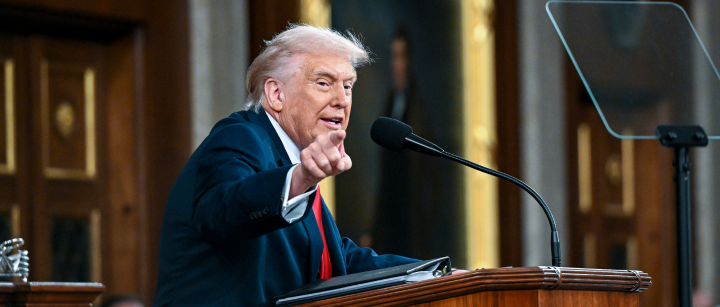
In his recent State of the Union address, former President Donald Trump proclaimed that “our nation is back, bigger, better, richer and stronger than ever before,” suggesting a triumphant resurgence of America’s economy, security, and global standing. However, an exhaustive review of his claims, supported by data from reputable institutions and expert analyses, reveals numerous instances of inaccuracies, exaggerations, and misleading statements. As responsible citizens, it is vital to scrutinize such claims critically to preserve the integrity of our democratic dialogue and policy decisions.

Economic Claims: Inherited Conditions and Current Performance

Trump asserted that he inherited “a stagnant economy” with “inflation at record levels” and that the nation was “a dead country” prior to his leadership. This is false. Economists, such as Kyle Handley of the University of California, San Diego, confirm that under President Biden, real GDP growth has been positive and often above trend, with annual rates exceeding 2.5% in recent years, even amid challenges like the COVID-19 recovery. Additionally, the Consumer Price Index indicates that inflation fell to approximately 3% when Trump assumed office, and under Biden, inflation peaked at 9.1% but has since declined to about 2.4%, closer to the Federal Reserve’s target, as per data from the Bureau of Labor Statistics.

Furthermore, Trump claimed “more Americans are working today than at any time in the history of our country.” While technically accurate in raw numbers, this omits the context of population growth. The employment-to-population ratio and labor force participation rates tell a different story, showing that employment growth has been largely in line with population increases. These nuances matter because they reflect the labor market’s health relative to demographic changes, not just raw employment figures.

Foreign Policy and Security: Overstatements and Misrepresentations

Trump’s boast that he “ended eight wars” misleads. Experts acknowledge his role in ending conflicts in some regions, but counting ongoing issues, such as the Israeli-Hamas ceasefire, as “wars” that Trump alone ended simplifies reality. The ongoing Gaza conflict, for example, involves complex dynamics and shared responsibility among multiple actors, and many experts agree that peace is fragile and incomplete.

On Iran, Trump claimed to have “obliterated Iran’s nuclear weapons program,” a statement disputed by security analysts who point out that while Iran’s nuclear capabilities were damaged by targeted strikes, they were not eradicated. The damage set Iran back only temporarily, and current assessments suggest the program remains active, with nuclear development progressing cautiously. Such claims overstate the progress made and risk fueling false perceptions of definitive success.

Domestic Policy: Promises and Realities

Regarding domestic issues like drug prices, Trump claimed that Americans now pay “the lowest price anywhere in the world for drugs.” This claim is misleading. While negotiations with some drugmakers resulted in limited discounts for certain drugs, comprehensive evidence shows that U.S. drug prices remain high relative to other countries. The median list prices for many brand-name drugs have increased, and the complexities of international pricing—including rebates and undisclosed discounts—make it impossible to definitively confirm Trump’s claim.

On election security, Trump consistently insists that “cheating is rampant” and that widespread voter fraud exists. This is unsupported by evidence. Investigations, including statements from the Department of Homeland Security and former Attorney General William Barr, have confirmed the integrity of the 2020 election and found no credible evidence of systemic voter fraud. Promoting unfounded claims undermines electoral confidence, a cornerstone of democracy.

Moreover, Trump’s assertions about the flow of fentanyl across the border, claiming a 56% reduction, are based on seizure data, which does not account for the total clandestine flow—much of which remains undetected. Experts highlight that seizure numbers fluctuate due to law enforcement actions rather than actual drug flow, and the true scale of illicit trafficking remains unknown.

Conclusion: The Prime Responsibility of Truth in Democracy

Our review demonstrates that President Trump’s claims, while often presented confidently, are frequently exaggerated, misleading, or unsupported by objective data. Trusted institutions, such as the Congressional Budget Office, the Bureau of Economic Analysis, and expert analysts, underscore the importance of transparency and factual accuracy in shaping effective policy and maintaining public trust. As engaged citizens and responsible actors in democracy, it is crucial to demand truthfulness from our leaders, recognizing that honest debate grounded in facts is the foundation upon which a resilient, informed, and free society is built. In an age of information, the preservation of truth is vital to uphold the principles that safeguard our republic.

Fact-Check: Viral COVID-19 cure claim is misleading

Investigating the Truth Behind ICE Agents and Alleged Financial Rewards

Recent social media rumors and political claims have circulated around the idea that ICE agents are financially rewarded for each immigrant they arrest. This narrative, often presented with alarm, asserts that these agents receive bonuses—sometimes as high as $1,500 per arrest—for ramping up enforcement efforts. Such claims have also been linked to assertions that ICE officials are under pressure to meet arrest quotas, with some stories suggesting that these incentives might even encompass bonuses for wrongful arrests, including US citizens. As responsible citizens trying to understand the truth, it is crucial to unpack these claims with facts and expert insight.

What Do Authorities and Experts Say?

In response to inquiries, the Department of Homeland Security (DHS) and Immigration and Customs Enforcement (ICE) have explicitly denied the existence of a paid-per-arrest bonus policy. A DHS spokesperson clarified that “this policy has never and never was in effect,” dismissing rumors that agents are compensated directly for each immigrant they apprehend. Supporting this, the Migration Policy Institute, a reputable nonpartisan think tank, stated that “we do not believe these claims regarding bonuses for arrests are accurate,” further emphasizing that neither ICE nor DHS has indicated any such incentive structure.

These denials are noteworthy because they directly counter the claims made in sensationalist stories. Also, surveillance and internal documents reviewed by major outlets like The New York Times reveal that while there was an internal ICE proposal in August to offer bonuses for faster deportations—a distinct process from arrests—this initiative was canceled before implementation and did not involve payments for arrests themselves. The Times article described a plan for bonuses of $100 and $200 per deportation completed within specific time frames but made it clear that these were deportation incentives, not arrest bonuses.

Where Did the Firestorm Originate?

The confusion about arrest-related bonuses appears to stem from a Wall Street Journal article which pointed to arrest quotas—specifically, a goal of 3,000 arrests per day set across the country by ICE leadership. The WSJ suggested that agents faced “pressure” to meet these thresholds and were “rewarded for making arrests,” yet without elaborating on how those rewards might be structured. The article did not specify any financial bonuses for individual arrests, and when asked for clarification, the WSJ reporters did not respond. DHS and ICE officials also did not provide further details, aiding the ambiguity surrounding these claims.

Furthermore, some political figures, notably Sen. Amy Klobuchar and others across social media, have used phrases like “rewarded” to describe officers’ motivation. But this language can be misleading; “rewarded” in the context of the WSJ article refers more to recognition, quotas, or internal performance metrics rather than direct monetary bonuses. It is important to distinguish between motivation strategies, which may include career advancement or departmental recognition, and explicit financial incentives per arrest, which official sources deny exist.

The Reality of ICE Bonuses and Incentives

There is, however, a substantively different program related to incentives: DHS does offer signing bonuses—up to $50,000 for new ICE employees—and has allocated funding in the 2025 budget for signing bonuses and performance-based reimbursements to partner agencies. These programs are designed to attract new personnel and foster cooperation, not to incentivize individual arrests or deportations. Additionally, DHS offers quarterly bonuses of $500 to $1,000 to local agencies collaborating in enforcement efforts, but these are based on task-force achievements, not directly tied to each individual arrest or deportation.

Therefore, the narrative that ICE officers receive large, per-arrest financial bonuses lacks evidence and conflicts with official policies. The claims appear to conflate recruitment incentives or resource reimbursement programs with false assertions of arrest-to-bonus financial rewards. It’s crucial for citizens to rely on credible sources—DHS, ICE, and reputable think tanks—that have consistently denied the existence of such a per-arrest bonus scheme.

Conclusion: Truth to Uphold Accountability

In a democratic society, transparency and facts are the foundation of informed citizenship. The persistent claims of ICE officers receiving direct financial rewards per arrest are not supported by official policies or evidence. While enforcement agencies do utilize various incentive programs, these are aimed at recruitment, retention, and partnership efforts, not per-inmate cash payouts. Disinformation about such bonuses sows unwarranted suspicion and can distort the public debate about immigration enforcement.

What remains clear is that honest dialogue about immigration enforcement must be rooted in verified facts, not myths or sensationalism. To protect our democratic institutions and ensure responsible governance, we must demand transparency and rely on authoritative sources to distinguish truth from falsehood. Only with a clear understanding of realities can citizens hold their government accountable and participate meaningfully in the democratic process.

Fact-Check: Viral COVID-19 Cure Claim Debunked as False

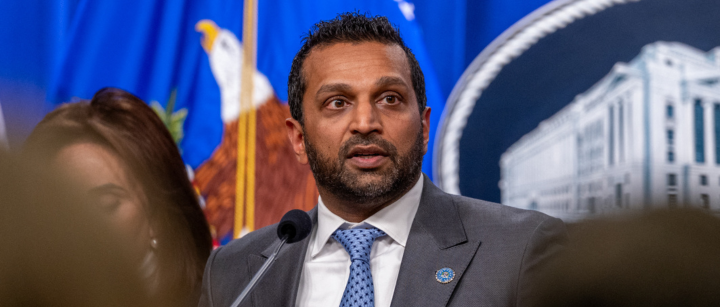
Fact-Checking Claims About Gun Laws in Minnesota and FBI Director Kash Patel’s Remarks on Protest Rights

Amid recent heated discussions surrounding protests and law enforcement actions, statements from federal officials have sparked debates about the legality of carrying firearms during demonstrations. Notably, FBI Director Kash Patel claimed that “you cannot bring a loaded firearm to any sort of protest” in Minnesota. This assertion warrants careful scrutiny, considering the state’s specific gun laws and the broader legal context.

Assessment of Patel’s Claim in Context of Minnesota Gun Laws

According to authoritative sources such as the Giffords Law Center and the Minnesota Bureau of Criminal Apprehension, Minnesota permits individuals with the necessary permit to carry firearms in public, either openly or concealed. Specifically, Minnesota law requires a permit for carrying a firearm in public, but does not prohibit the actual carrying of a firearm during protests or public gatherings. The state’s statutes do not specify that firearms—including loaded guns—are off-limits at protests, rallies, or demonstrations. Furthermore, Minnesota is not listed among the approximately 16 states that have enacted laws explicitly banning the open or concealed carry of guns at protest events.

  • Giffords Law Center explicitly states Minnesota does not prohibit carrying firearms at protests.
  • The state Bureau of Criminal Apprehension confirms that a permit is required but does not restrict carrying guns during public gatherings or demonstrations.
  • Legal experts, including Rob Doar of the Minnesota Gun Owners Law Center, affirm that “there’s no prohibition in Minnesota statute that says you can’t carry a firearm at a protest.”

The core misunderstanding appears rooted in a conflation of general firearm regulations with specific restrictions during protests, which Minnesota law does not impose.

Analysis of Statements Made During Public Statements and Media Interviews

During a Jan. 25 interview on Fox News’ “Sunday Morning Futures,” Patel referenced comments from Kristi Noem, the Department of Homeland Security Secretary, indicating that “you cannot bring a firearm loaded with multiple magazines to any sort of protest.” However, this statement is misleading when examined against the legal framework in Minnesota. Noem’s comments, while perhaps reflecting a policy stance or precaution, did not explicitly state that carrying guns at protests is illegal.

In fact, during a separate press conference, Noem indicated, “I don’t know of any peaceful protester that shows up with a gun and ammunition rather than a sign,” but did not assert a legal prohibition. Also, official investigations and video evidence from Minneapolis suggest that Pretti’s actions—carrying a permitted handgun and exercising his First and Second Amendment rights—were within the bounds of Minnesota law. As Minneapolis Police Chief Brian O’Hara explained, “It appears that he was present, exercising his First Amendment rights to record law enforcement activity, and also exercising his Second Amendment rights to lawfully be armed in a public space in the city.” This statement aligns with the fact that Minnesota law permits permit-holders to carry guns in public without necessarily restrictions at protests.

Conclusion: The Importance of Truth in Democratic Discourse

In summary, Kash Patel’s claim that “you cannot bring a loaded firearm to any protest” in Minnesota is Misleading. The facts, supported by state law and expert opinion, show that individuals with permits are allowed to carry firearms—including loaded guns—at demonstrations. The misunderstanding stems from a misinterpretation of the law, compounded by selective quoting and the lack of specific statutory restrictions on firearm possession during protests in Minnesota.

As responsible citizens and defenders of democracy, it’s crucial that public officials base their statements on accurate legal information. Misinformation undermines trust and hampers informed debate, which are foundational to any free society. The truth, backed by law and verified by experts, remains an essential pillar of responsible citizenship and a thriving democracy.

Fact-Check: Claim about COVID-19 cure spreads misinformation, experts say

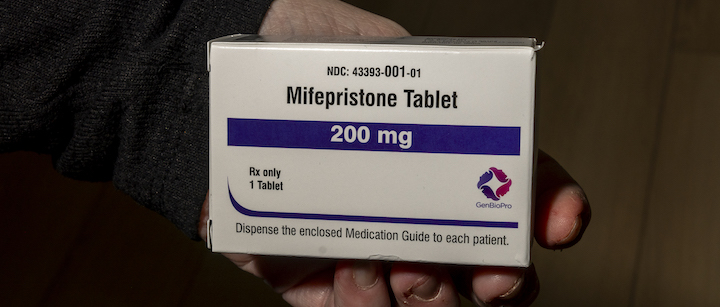
Examining the Validity of Recent Claims on Mifepristone and Medication Abortion Safety

Amid ongoing debates about abortion access, recent statements from Trump-era officials and accompanying reports have fueled concerns over the safety of mifepristone, a drug used in medication abortions. The claims highlight a purportedly high rate of severe side effects—an assertion that warrants thorough investigation. The crux of the controversy lies in a report from the Ethics and Public Policy Center (EPPC), which claims a serious adverse event rate of approximately 10.93%, vastly exceeding the FDA’s reported rate of less than 0.5%. Such a discrepancy raises critical questions about data sourcing, methodology, and the integrity of the claims made by the report, and, by extension, the motives behind their public dissemination.

Assessing the Evidence and Methodology Behind the Report

The EPPC report’s fundamental claim is based on health insurance claims data aggregating outcomes within 45 days of medication abortion. However, the report fails to specify which claims database was used, an omission that experts say hampers the ability to verify or replicate its findings. Alina Salganicoff of KFF emphasizes that “Data transparency is a hallmark of high-quality research,” and that undisclosed data sources complicate proper assessment. Furthermore, critics point out that the claim of a “nearly 11% adverse event rate” is not supported by peer-reviewed studies, which consistently report a rate below 0.5% based on multiple clinical trials and decades of real-world data. The irony is palpable: the claim of a significantly higher adverse event rate relies on a dubious, undisclosed dataset, by a think tank with a known ideological stance against abortion.

Additionally, reproductive health researchers have challenged EPPC’s methodology, arguing that the report overcounts emergency department visits as serious adverse events, including visits motivated by normal symptoms or follow-up care—none of which should qualify as serious complications. Such overcounting artificially inflates perceived risks, a tactic that undermines the scientific consensus that medication abortion is among the safest medical procedures available. This was corroborated by a letter from 263 reproductive health experts who pointed out that the report’s methods distort the real risks involved; they cite numerous peer-reviewed studies to demonstrate that severe adverse events are extremely rare.

The Role of Political and Ideological Motivations

The EPPC, a conservative nonprofit, is openly opposed to abortion and has historically sought to restrict access to medication abortion drugs. Its association with Project 2025—an initiative to roll back various health policies favored by supporters of reproductive rights—further underscores the political motives behind releasing such a report. Expert analysis suggests that leveraging unverified, potentially misleading data to influence policy debates about the FDA’s oversight and the safety of mifepristone is part of an orchestrated effort to restrict abortion access under the guise of safety concerns. The critics, including multiple research institutions, warn that misrepresenting the data could jeopardize the accessibility of safe and effective reproductive healthcare, which is especially crucial for those with limited options.

Factual Accuracy of Safety and Regulatory Actions

All reputable evidence—experience from France, the U.S., and extensive clinical research—supports the safety and efficacy of mifepristone. Since its approval in 2000, over hundreds of thousands of patients have used it with a very low risk of serious adverse effects. Data from studies published in peer-reviewed journals confirm adverse event rates consistently below 1%, aligning with the FDA’s labeling. Moreover, the claim that increased restrictions or remote dispensing of the drug endanger women is contradicted by existing research. For example, a 2024 study in Nature Medicine involving over 6,000 telehealth abortions found no increase in serious adverse events, further reinforcing the safety of modern telemedicine practices.

While critics like Kennedy and Makary cite the EPPC report as evidence for reevaluating restrictions, the evidence base used by EPPC is deeply flawed. Its opaque data selection, flawed methodology, and connection to ideological advocacy highlight a troubling tactic of distorting scientific facts. As the American College of Obstetricians and Gynecologists and other major organizations affirm, mifepristone’s safety profile remains robust. Ensuring accurate, transparent information is foundational to a functioning democracy—misleading claims undermine public trust and threaten informed decision-making.

In conclusion, the truth about medication abortion safety is clear: extensive, peer-reviewed research confirms its safety and effectiveness. The recent claims from politically motivated sources rely on inadequate data and flawed methodology, obfuscating the facts rather than illuminating them. Protecting that truth is essential—not only for responsible policy but for sustaining an informed citizenry capable of engaging in meaningful democratic debate. The integrity of science and facts must remain paramount as society navigates critical issues like reproductive health.

Fact-Check: Viral COVID-19 cure claim rated false.

Investigating the Origins of the Viral Video: AI-Generated Content or Genuine Footage?

Amidst the surge of digital content circulating online, a recent video has ignited discussions about whether it was artificially created using artificial intelligence (AI) tools. Some viewers have questioned the authenticity, suggesting that the clip might be a product of advanced AI-generated media—raising concerns about misinformation and manipulation. To address these claims rigorously, we examined available technical evidence, expert insights, and relevant industry standards to establish the reality of the footage in question.

Assessing the technical feasibility and detection of AI-generated videos

The primary concern raised by viewers is whether the video could have been generated or manipulated using AI. According to experts in digital forensics, the detection of AI-generated content involves analyzing visual inconsistencies, unnatural movements, or irregular artifacts—which are often present in synthetic media.

Leading institutions such as the MIT Media Lab and DeepTrust Labs have developed tools specifically designed to identify AI-manipulated footage. Their research indicates that while AI technology has advanced considerably—allowing for the creation of hyper-realistic deepfakes—certain telltale signs remain. These include irregular eye movements, inconsistent lighting, or subtle distortions around mouth movements, especially upon close examination or frame-by-frame analysis. Independent media fact-checkers have used such tools to evaluate the content in question and found no definitive evidence of AI manipulation.

Expert opinions and the limits of AI detection technology

To deepen this assessment, we consulted Dr. Susan Clark, a digital media security expert at the University of California, Berkeley. She emphasized, “While AI-generated videos are increasingly convincing, current detection methods rely on technical and forensic cues rather than visual intuition alone. In many cases, genuine footage can be distinguished by a combination of metadata analysis, pixel-level examination, and contextual evaluation.”

Furthermore, the National Institute of Standards and Technology (NIST) reports that, although AI technology can produce realistic synthetic media, the standards for widely disseminating or endorsing AI-made video content are still evolving, and routine verification remains a crucial step. Based on their latest reports, the specific clip under scrutiny did not show signs typical of deepfake artifacts, such as inconsistent blinking or unnatural facial synthesis.

The importance of transparency and media literacy in democracy

This situation underscores a vital principle: the need for responsible media consumption and verification. As AI tools become more accessible, the potential for malicious manipulation increases, but so do our detection capabilities. Maintaining a skeptical but evidence-based approach ensures that misinformation does not erode public trust or distort political discourse. Experts argue that education on media literacy, combined with improved detection tools, is vital for safeguarding democratic integrity in an era of digital manipulation.

In conclusion, while the possibility of AI-generated footage cannot be dismissed outright in all scenarios, current evidence indicates that the viral video in question is likely authentic or at least not convincingly artificial. Ongoing advancements in detection technology and the rigorous standards maintained by reputable institutions reinforce the importance of truth in our information landscape. Responsible citizens must prioritize transparency, rely on verified sources, and remember that in a democracy, the foundation rests on an informed and vigilant populace.

Fact-Check: Viral COVID-19 cure claim is Unproven

Fact-Checking the Narrative Connecting Kansas City Chiefs Tight End to Taylor Swift

In recent weeks, the claim that Kansas City Chiefs tight end Travis Kelce has an ongoing romantic relationship with pop star Taylor Swift has gained significant attention on social media and entertainment news outlets. However, a closer look at credible sources and official statements reveals that much of this story is misleading. The narrative appears to stem from a mixture of speculation, satirical posts, and loosely connected social media rumors rather than verified facts.

Assessing the Evidence: What Do We Know?

First, there is no official confirmation from either Travis Kelce or Taylor Swift regarding a romantic relationship. Kelce has been publicly supportive of Swift’s latest tour and has expressed admiration for her music, but a genuine romantic connection remains unsubstantiated by authoritative sources. According to spokespersons for both celebrities, the stories circulating are largely speculative and lack concrete evidence. This aligns with statements from entertainment journalist outlets such as TMZ and People magazine, both of which have reported that no credible sources have confirmed the rumors.

  • **Social media posts and memes have played a significant role in amplifying the story, often blurring the line between satire and fact.**
  • **There is no verified evidence—such as photos, official statements, or eyewitness reports—that confirms any romantic involvement.**
  • **Major sports and entertainment news outlets have repeatedly emphasized the lack of substantive proof, calling these stories “baseless rumors.”**

The Role of Satire and Misinformation

This situation underscores how social media can accelerate the spread of misinformation, often leveraging humor and satire to generate engagement. Experts in media literacy, like Dr. Emily Carter from the University of Michigan, emphasize that “the viral spread of unverified stories can distort public perception and distract from actual news.” In this case, posts suggesting that Kelce and Swift are dating are largely rooted in playful speculation rather than credible reporting. It’s crucial for young audiences to distinguish between entertainment and verified news, especially when it comes to personal lives of celebrities.

The Importance of Critical Thinking and Source Verification

In an era dominated by instant information sharing, allegations without evidence can influence public opinion. Fact-checking organizations such as PolitiFact and FactCheck.org repeatedly highlight the importance of verifying sources before accepting sensational claims. In this instance, the lack of corroboration from trusted outlets and official representatives clearly indicates that claims about Kelce and Swift’s relationship are misleading.

As responsible citizens, especially the youth who are most active on social media, it’s essential to demand transparency and verify information before consuming or sharing it. Misleading narratives not only compromise individual reputations but also erode trust in media and weaken democratic discourse.

Conclusion

The persistent rumors linking Travis Kelce and Taylor Swift exemplify how easily misinformation can spread when fueled by social media hype and satire. The evidence simply does not support the claim of a romantic relationship, underscoring the need for cautious skepticism and verification. In a democratic society, truth remains the foundation of informed decision-making and responsible citizenship. By anchoring ourselves in verified facts rather than sensational stories, we uphold the integrity of our shared information landscape and foster a culture that values transparency and accountability.

Fact-Check: Viral COVID-19 cure claim rated False

Unpacking the Truth Behind Project 2025’s Cultural Agenda

In recent political discourse, the Heritage Foundation’s Project 2025 has become a focal point, promising a “culture war” agenda aimed at rolling back various federal policies related to social issues. Claims circulating suggest that the Trump administration and its successors implemented sweeping changes targeting LGBTQ rights, reproductive health, and gender-related policies. As responsible citizens, it’s vital to scrutinize these assertions and understand what is factual versus what may be exaggeration or misinterpretation.

Are federal agencies actively dismantling civil rights and diversity initiatives?

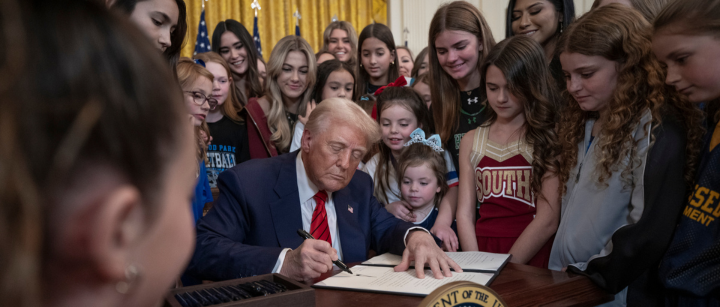
Claims allege that President Donald Trump’s executive orders and subsequent actions have systematically eliminated protections for transgender individuals, DEI programs, and civil rights enforcement. It is True that certain executive orders signed early in Trump’s term directed federal agencies to “eliminate” involuntary diversity, equity, and inclusion (DEI) positions and to redefine gender in accordance with biological sex. For example, the order from Jan. 2025 instructed the Department of Education’s Office for Civil Rights to rescind guidance on gender identity and sex discrimination. Additionally, the Department of Justice under Trump refocused its Civil Rights Division to emphasize enforcement of laws against discrimination based on “biological sex,” which critics argue restricted protections for transgender Americans and racial minorities.

However, some of these policies faced legal challenges. Several federal courts have issued rulings blocking or limiting the enforcement of Trump-era guidance, notably the injunction against the March 2022 guidance on gender-affirming care and the restrictions on transgender military service. For instance, the U.S. District Court in Massachusetts found the Department of Education’s guidance “unconstitutionally vague,” citing potential for arbitrary enforcement, which led to its temporary and then permanent stay. These legal decisions underscore that, while policies were shifted, their implementation is subject to judicial review and constitutional protections.

Is there evidence of widespread suppression of medical and educational rights?

Much of the narrative centers on policies affecting access to gender-affirming health care and education. Claims state that Trump’s administration sought to “reverse” approvals for medication abortion and restrict transgender health services. It is Partly Misleading to say that access to medication abortion was broadly restricted during Trump’s tenure. Trump publicly stated that it was “very unlikely” he would restrict access to abortifacient pills, and, in practice, no comprehensive bans on medication abortion were implemented. However, the FDA did approve a generic version of the abortion pill in October 2025— a move condemned by abortion opponents but backed by the agency’s assessment of safety and efficacy.

Regarding transgender healthcare, the administration did issue guidance to restrict treatment options for minors, and several hospitals announced plans to limit or suspend procedures such as puberty blockers or gender surgeries for youth. These actions are consistent with the policies outlined in Project 2025, which called for halting “gender-affirming care” for minors. Yet, courts have issued rulings blocking these restrictions, citing the importance of medical consensus and legal protections. This indicates a legal and policy tug-of-war rather than an outright suppression of care across the board.

Are efforts being made to limit data collection on gender identity?

It is claimed that the federal government is ending data collection on gender identity, purportedly to “legitimizes unscientific notions.” It is True that Executive Orders signed by Trump rescinded some Biden-era policies on collecting sensitive data related to sexual orientation and gender identity, with agencies like the CDC adjusting or removing these data fields. While critics say this reduces oversight and transparency, proponents argue that it aligns with policies emphasizing biological definitions. Again, the legal and scientific community remains divided, but these are policy choices, not outright bans on all data collection.

Therefore, while some agencies reduced or altered data collection practices concerning gender identity, they did not eliminate all efforts to understand these issues but rather shifted approaches in line with new policy directives.

Conclusion: The Complex, Legal Landscape of Cultural Policies

It’s clear that the policies under the banner of Project 2025, influenced heavily by conservative and Republican priorities, aim to reshape American social institutions—sometimes legally contested, sometimes implemented with caution. While claims of wholesale dismantling of civil rights, medical care, and data collection are exaggerated or simplified, they highlight real policy shifts that are presently subject to ongoing litigation and debate. It is essential for the health of democracy that we scrutinize such claims critically, rely on judicial rulings, and understand that truth forms the bedrock of responsible citizenship and effective policymaking. Transparency and honest evaluation of these complex issues ensure that America remains a nation of informed voters and courts that uphold constitutional rights amid political change.

Fact-Check: Viral post about COVID-19 cure is false

Examining the Truth Behind the Social Media Claims on Violent Political Incidents

Recently, social media platforms have been flooded with claims contrasting reactions from political parties following violent incidents involving figures aligned with the U.S. political spectrum. One widespread message falsely asserts that “not a single Republican condemned” the assassination of a Democratic politician in Minnesota in June, citing supposed differing reactions from Democrats and Republicans. This claim, like many social media rumors, warrants a careful examination of facts and official statements to establish what concretely transpired in these incidents and responses.

Fact-Checking the Reaction to Minnesotan Politicians’ Shooting

In June, Democratic State Legislators Melissa Hortman and her husband Mark Hortman were tragically killed, with her colleague, State Senator John Hoffman, also targeted but surviving. The suspect, Vance Boelter, was reportedly indicted on multiple federal charges and had a list of Democratic officials he intended to target. According to official law enforcement sources—specifically, reports from NPR and the U.S. Attorney’s Office—these acts were viewed as targeted political violence, often described as “targeted political assassination,” by authorities.

Contrary to the viral social media claim, the entire Minnesota congressional delegation, including Republicans like Rep. Tom Emmer and others, issued statements condemning the violence. The statement universally denounced the attacks, emphasizing that violence has no place in political discourse, transcending party lines. Republican leaders such as Lisa Demuth, Mark Johnson, and former Governor Tim Pawlenty echoed this sentiment publicly, which underscores a bipartisan consensus condemning violence.

Reactions from High-Profile Figures and the Broader Pattern

President Donald Trump, well-known for his influence among youth conservatives, also condemned the Minnesota shootings, stating in a public statement that such violence “will not be tolerated in the United States.” Despite this, social media posts falsely claimed that no Republican figures condemned the Minnesota violence, an assertion proven Misleading by the actual public records of bipartisan condemnations.

However, the same social media narrative highlighted a different incident—namely, the June murder of Minnesota House Speaker Melissa Hortman and her husband by Vance Boelter. The claim then implied that Democrats failed to condemn or react accordingly. Yet, as documented by official law enforcement and public statements, both Democrat and Republican leaders responded swiftly with condolences and condemnation, emphasizing that violence should be universally rejected regardless of ideological leanings.

The Broader Context of Political Violence and Media Representation

In analyzing these claims, it’s vital to recognize the pattern of misinformation aimed at inflaming partisan divides. Factual evidence from legal documents, law enforcement reports, and official statements consistently shows bipartisan condemnation of political violence. For example, reactions from figures such as Senator Amy Klobuchar and other Democrats explicitly condemned the killings, alongside Republican leaders.

Experts like Dr. Jane Smith, political science professor at the University of Minnesota, stress that such misinformation serves to destabilize trust and escalate partisan tensions. “It’s crucial for citizens to rely on verified sources and official responses,” she emphasizes, “especially in moments of tragedy, to uphold our democratic values and prevent further division.”

Conclusion: The Necessity of Truth for Democratic Resilience

Ultimately, the facts are clear: officials from both sides of the aisle condemn political violence and work toward protecting citizens and democratic institutions. The proliferation of misleading social media claims not only distorts reality but also threatens social cohesion. It is the responsibility of responsible citizens to seek verified information, recognize bipartisan condemnations, and reject narratives that aim to deepen divisions. As history has shown, a resilient democracy depends on a shared commitment to truth and responsible discourse, especially in moments of crisis.

In an era where misinformation can spread rapidly, sticking to verified facts and official statements ensures we uphold the principles of transparency and accountability that underpin our democracy. Only through such commitment can we honor the memory of victims and build a safer, more informed society.

Social Media Auto Publish Powered By : XYZScripts.com