
Global Power Dynamics Shaken by US and UK Tensions Amidst Trump’s Provocations
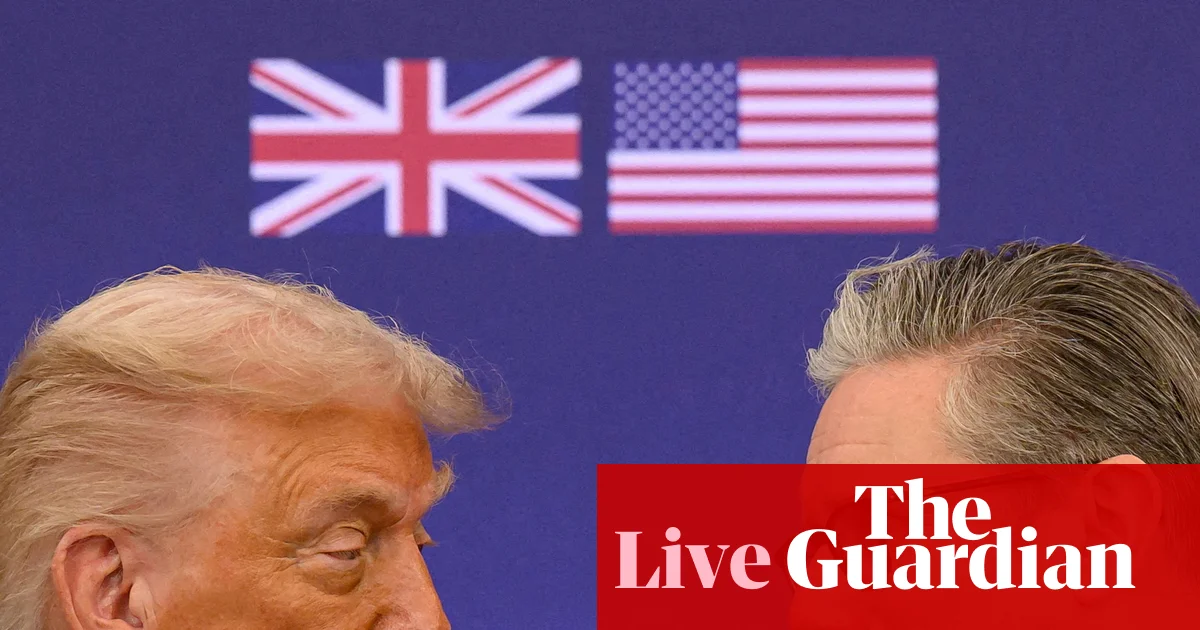
As Donald Trump continues to flirt dangerously with the edge of diplomatic conflict, America and Britain find themselves at a pivotal juncture. During a revealing interview with the Financial Times, Trump implicitly threatened to withdraw US support for NATO if allies like the UK failed to step up militarily in the Gulf. The provocative rhetoric underscores a broader pattern of transactional diplomacy that threatens to unravel the fragile foundation of international alliances built over decades of shared interests. Subtle signals of a potential rollback of NATO’s mutual defense pact could plunge the West into a period of uncertainty and strategic vulnerability.
This come amid escalating tensions over Iran, particularly concerning the Strait of Hormuz—an essential global choke point for oil shipments. Despite dismissing the UK’s recent stance dismissively—asserting that the US does not need British naval support—Trump’s recent call for NATO to deploy minesweeping drones and even military units to counter Iran’s influence indicates a disparity between rhetorical bravado and pragmatic policy. Analysts from the European Security Council warn that such mixed signals threaten to weaken NATO’s cohesive deterrence, crucial for maintaining stability in an increasingly unpredictable geopolitical landscape. How the UK and allied nations respond now could determine the future of Western influence in the Middle East and beyond.
Strained Ties and Strategic Calculations
Within Britain, Pat McFadden, the work and pensions secretary, has played down Trump’s threats, emphasizing that the US-UK alliance remains “strong enough to outlast” this period of uncertainty. This reassurance underscores a classic posture among Western allies: reaffirming enduring bonds despite tumultuous leadership. Yet, international commentators like historian John Mearsheimer argue that such rhetoric, combined with Trump’s transactional approach, risks eroding the very foundation of collective security agreements. Meanwhile, Mark Rutte, NATO’s secretary general, pointed out that America’s mutual defense clause, Article 5, which has only been invoked once—after 9/11—can hardly be taken for granted in an era marked by unpredictable US policy shifts.
Additionally, Trump’s call for NATO to send military units to patrol the Iranian shoreline, and for European countries to lend minesweepers, reveals a deeper underlying threat: that of a fractured alliance where mutual commitments may no longer be as dependable. The concerns resonate strongly with military strategists who worry that NATO’s cohesion is under unprecedented strain. How these decisions will ripple across society—affecting energy security, trade routes, and military preparedness—remains very much a question with global stakes.
Implications for International Stability
Amidst the diplomatic turmoil, Keir Starmer of the UK Labour Party is expected to respond later this morning, promising to support households hit hardest by rising energy prices—measures worth millions aimed at alleviating economic strains. However, the broader geopolitical narrative appears rooted in a deeper contest: whether the West can maintain a united front or whether internal divisions and unpredictable leadership will give way to greater instability. International analysts emphasize that Trump’s unpredictable tactics are a warning sign, yet the response from Britain and Europe will reveal if they can safeguard their strategic interests in this new era.
As history unfolds daily, decisions made in the coming weeks will echo through generations. Will NATO adapt swiftly, preserving transatlantic strength? Or will the fractures widened by Trump’s unpredictable rhetoric cause the alliance to splinter, ushering in a new era of geopolitical chaos? The weight of history presses heavily on the present, a reminder that in global diplomacy, today’s choices are the foundations of tomorrow’s legacy. The unfolding drama leaves the world watching anxiously, as the aims of power, security, and influence collide in a theater where the stakes could not be higher.