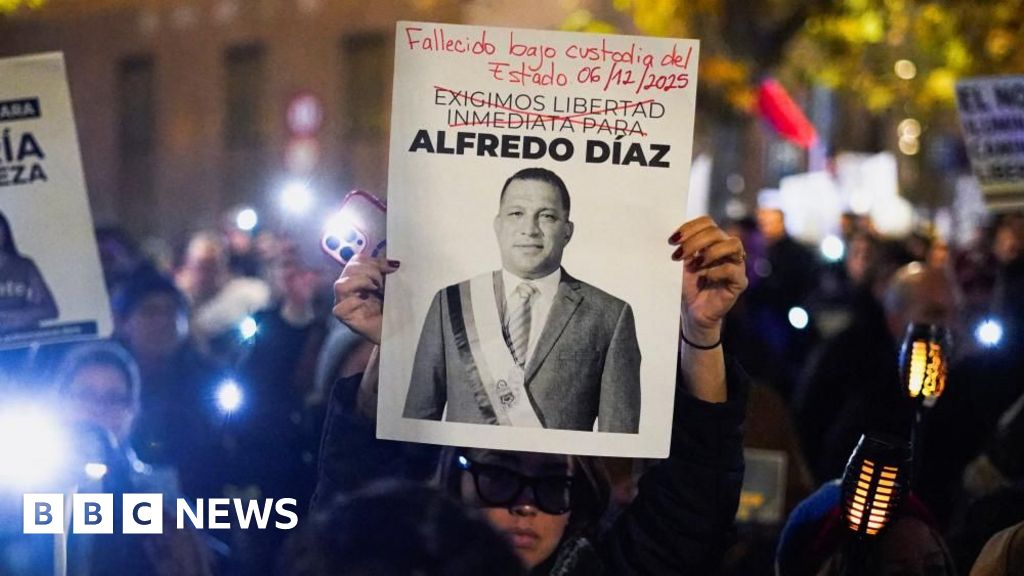

The recent death of Alfredo Díaz, a prominent opposition figure in VENEZUELA, has ignited a fresh international wave of controversy, exposing the fragile state of human rights and political stability in the country. Díaz, detained in the infamous El Helicoide prison for more than a year, was claimed by the Venezuelan government to have died from a heart attack; however, numerous human rights organizations and opposition groups allege that his death is indicative of ongoing political repression and torture. The death comes at a time of heightened tensions between VENEZUELA and the United States, further complicating the geopolitical landscape of the Caribbean and Latin America.
- The US has condemned the Maduro regime, describing Díaz’s death as a “vile reminder” of Venezuelan authoritarianism.
- Washington accuses VICE PRESIDENT NICOLÁS MADURO of wielding a brutal “torture center” and arbitrarily detaining opposition figures.
- Meanwhile, US military maneuvers—including increased naval deployments and deadly strikes on vessels alleged to be involved in drug smuggling—underscore a significant shift in regional power dynamics.
Senior analysts and international bodies warn that these developments represent a critical turning point in US-Latin America relations. The US administration, under President Donald Trump, has escalated military and political pressure, alleging that Maduro himself is involved in drug trafficking, even going so far as to label Venezuelan drug cartels as terrorist organizations. This aligns with long-standing US efforts to justify intervention on the pretext of anti-drug initiatives—despite widespread skepticism among experts, including those from the United Nations and regional think tanks, who view these tactics as thinly veiled attempts at regime change.
Historically, VENEZUELA has been a nexus of geopolitical contention, with its vast oil reserves positioning it as a critical piece in regional and global strategic calculations. The recent political upheaval—sparked by disputed elections in 2024, which the opposition claims were neither free nor fair—has only deepened the crisis. Opposition leader María Corina Machado warned that Díaz’s death is not isolated but representative of ongoing repression targeting democracy itself, emphasizing that “another political prisoner has died in Venezuelan jails.” Such narratives have served to rally international condemnation and bolster opposition pressures, further isolating Maduro’s government on the world stage.
The U.S. response has been both diplomatic and military, with officials openly accusing Maduro of “emptying his prisons into the U.S.” and directly linking him to drug cartels. Meanwhile, regional actors like Colombia’s President Gustavo Petro have criticized Washington’s military interventions, claiming they seek to “dominate” Latin America’s sovereignty. The deployment of the largest U.S. naval fleet in decades signals a clear message: the American sphere of influence—once considered waning—remains committed to shaping the future of this troubled region. As the Venezuelan army mobilizes thousands in response to what it calls US “threats,” the potential for open conflict looms, echoing the turbulent history of Cold War proxy struggles and regional Cold War realignments.
As the international community watches with bated breath, the fate of VENEZUELA hangs precariously in the balance. The resumption of diplomatic ties—like the agreement between Maduro and Recep Tayyip Erdogan to revive Turkish Airlines flights—offers a fleeting glimpse of normalcy, yet beneath this veneer, geopolitical forces continue their relentless march. The weight of history presses down on this volatile crossroads, and the coming days may witness a shift that defines generations. For in the corridors of global power, the decisions made today will echo through the ages, shaping the destiny of nations caught in the relentless tide of revolution, repression, and struggle for sovereignty.