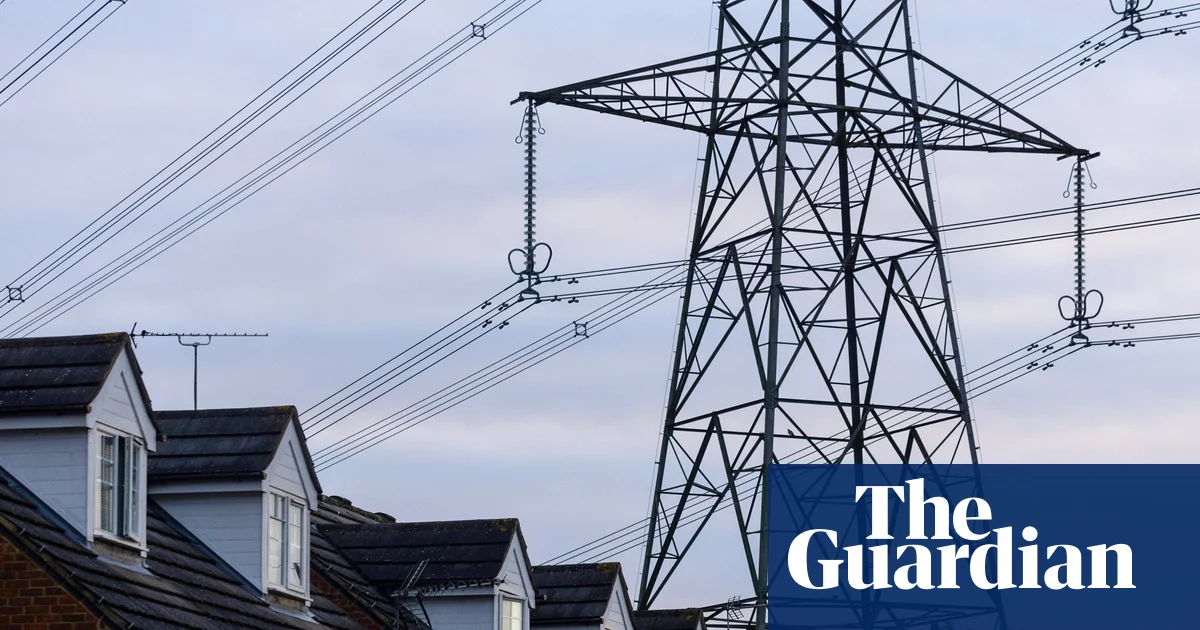

Recent data from Ofgem, the UK’s energy regulator, exposes a troubling trend amid the ongoing economic turbulence: over 1.9 million energy accounts have been closed within just five years, leaving behind an astonishing £240 million in unclaimed credit balances. While many individuals might overlook small refunds, the cumulative figure underscores a deeper systemic issue—families and consumers are increasingly unable to recover funds left in limbo after switching providers or moving residences. This phenomenon reflects the broader consequences of deregulation and market instability, leaving the average British household vulnerable as the nation faces an uncertain winter.
The core concern is not solely financial negligence but an urgent warning about the fragile state of the UK’s energy industry amid rising costs and geopolitical strategic realignments. Despite wholesale energy prices falling by 2% over the summer, the regulator has opted to raise the price cap by £35, pushing the typical dual-fuel bill to around £1,755 annually for households paying by direct debit. This decision, though justified under current economic pressures, sparks debate among analysts who argue that such measures disproportionately burden ordinary citizens, especially as energy debt piles—reaching a record £4.4 billion as of June—continue to deepen, exposing the nation’s vulnerable social fabric.
To mitigate this crisis, Ofgem announced plans to alleviate debt for nearly 200,000 low-income households, offering debt relief potentially exceeding £1,200 per account—an effort heavily financed by modestly increasing the average household bill in the coming years. Critics, however, warn that such measures are merely a temporary salve, unable to reverse the underlying issues of energy insecurity and economic disparity. According to international organizations and global analysts, these conditions exemplify how energy policies are increasingly intertwined with geopolitical struggles. As energy markets fluctuate amid ongoing conflicts and strategic realignments—particularly in regions like Russia and the Middle East—the UK’s situation reflects a broader pattern: nations are caught in a struggle for resource dominance, which directly impacts societal stability and international influence.
Historians and geopolitical analysts highlight that the UK’s current crisis isn’t isolated but part of a larger narrative of energy politics dictating global power. As supply chains are disrupted and nations jostle for control over critical resources, the decisions made in London will resonate not just domestically but across the international stage. In this age of strategic competition, energy debt and affordability become symbols of national resilience—or weakness. Today, Britain faces a crossroads where economic hardship is woven into the fabric of global power dynamics—an unfolding chapter that will be studied by future generations, perhaps as a pivotal moment in the shifting balance of international influence.
The weight of history presses heavily upon this moment, reminding us that the choices governments make now—how they balance economic stability, energy security, and social welfare—will shape the geopolitical landscape for decades to come. As the debate over the UK’s energy policies intensifies and the shadow of geopolitical conflicts lengthens, one truth remains clear: the ongoing struggle for resources is rewriting the rules of global power, leaving ordinary citizens caught amid a storm where the lines between national interests and societal well-being blur in the unfolding narrative of history.