Matox News

Truth Over Trends, always!

Tories pledge to cut student loan interest rates, backing young Britain’s future

Educational Debt and the Strain on Families and Communities

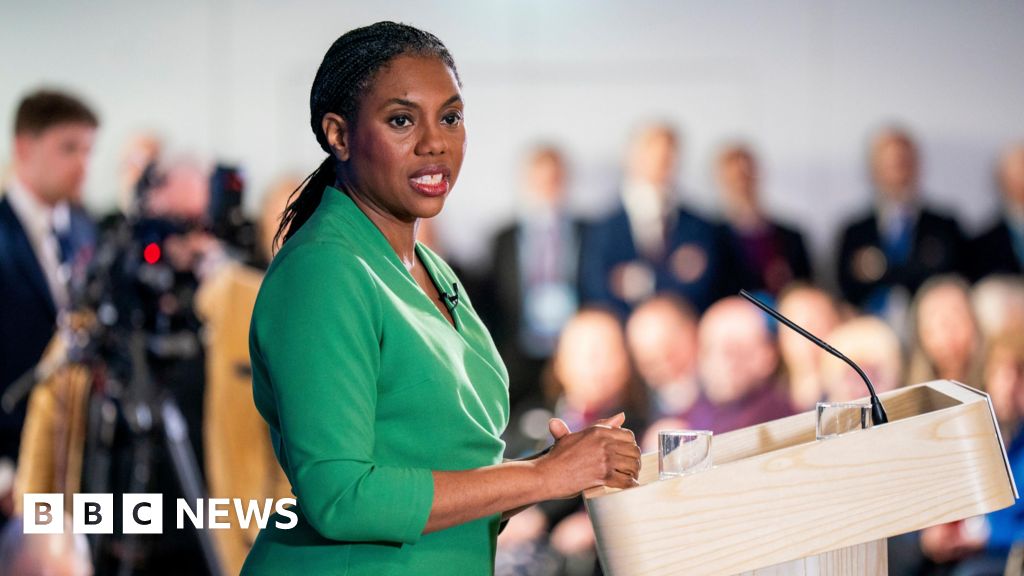
Recent comments by Kemi Badenoch, a prominent political figure, highlight a significant concern shared by many young graduates: the burden of student loans. Badenoch described the feelings of graduates as being “stitched up,” underscoring a pervasive sense of economic disillusionment that threatens to destabilize the social fabric. Her pledge to cut interest charges on Plan 2 loans signals an acknowledgment of the profound impact that rising educational costs have on recent entrants into the workforce. For families in working-class and middle-income communities, student debt often translates into delayed milestones such as homeownership and family formation, extending the cycle of economic hardship.

Shifts in Educational Access and Societal Divide

The escalating costs of higher education serve as a barrier for many aspiring students, especially amid demographic changes and cultural shifts that favor increased diversity but challenge conventional funding models. Sociologists like Dr. David Brooks argue that the increasing reliance on student loans contributes to widening social inequality, as only those from more privileged backgrounds can afford the luxury of higher education without crippling debt. This disparity perpetuates social stratification, making educational attainment less about talent and more about financial capacity. The socio-economic divide risks further fracturing communities, eroding the social cohesion necessary for collective progress.

Educational Reform and the Role of Society

Understanding the social ramifications of debt, some experts advocate reforms aimed at creating a more equitable and accessible system.

  • Implementing more comprehensive public funding for higher education.
  • Introducing income-based repayment schemes that lessen the burden on graduates.
  • Enhancing vocational training and apprenticeships to diversify pathways to economic stability.

By addressing these structural issues, society can foster environments where families are encouraged to thrive without the overshadowing anxiety of debt. Furthermore, institutions must recognize their role in broadening educational access, ensuring that talent and ambition are not stifled by financial barriers. As historian Dr. Margaret MacMillan notes, societal progress hinges upon equitable opportunities that empower all youth to contribute meaningfully to their communities.

Hope Amidst Challenges

While the societal challenges are undeniable, recent political commitments provide a glimmer of hope. Badenoch’s promise to reform student loan policies signifies a step toward restoring fairness in an often inequitable system. Yet, true change demands concerted efforts across all levels of society, from policymakers and educators to families and youth themselves. Initiatives aimed at reducing educational costs, improving employability, and fostering social mobility are essential for nurturing resilient communities. As history has shown—through periods of upheaval and reform—social transformation begins with recognizing shared struggles and united action. The hope remains that future generations will look back on this era not only as a time of hardship but as a turning point—when society chose to invest in its people and, in doing so, redefined its moral foundation.


UK Charities Warn Youth Gambling Crisis Could Cut Off Crucial Help Amid Funding Overhaul

Social Crisis Looms as Funding Cuts Threaten Gambling Addiction Support

In our society, the silent toll of addiction continues to ripple through families and communities, exposing deep vulnerabilities that often go unnoticed until tragedy strikes. The recent overhaul of gambling sector funding in the UK has ignited alarm among charities and social commentators, revealing how policy shifts can inadvertently jeopardize crucial life-saving services. Once sustained largely via voluntary contributions from casinos and bookmakers—about 0.1% of their takings—the burden has now shifted to a mandated levy of up to 1.1%, aiming to generate approximately £100 million annually. While this appears as a committed effort to address the growing problem of gambling addiction, experts warn that delays and lack of clear government guidance threaten to unravel the very infrastructure designed to protect vulnerable individuals.

At the heart of this crisis is a fundamental question: how do we reconcile economic policy with social responsibility? The Department for Culture, Media and Sport oversees the new levy process, yet charities such as GamCare and Gordon Moody warn that the transition period could leave hundreds of addicts without essential support. Victoria Corbishley, CEO of GamCare, emphasized, “The uncertainty is causing challenges. We don’t know what commissioners want from April onwards. It jeopardizes services, especially smaller organizations that many depend on for direct support.” Such cultural shifts signify more than bureaucratic adjustments—they threaten the moral fabric of social safety nets designed to extend hope and recovery to those in despair.

For families impacted by gambling addiction, these issues are more than administrative. They are human stories of lost careers, shattered relationships, and lives at risk. Alex, a 41-year-old former teacher, recounts how support from Gordon Moody transformed his life after a period of destructive gambling led him to contemplate ending his own life. His voice underscores a bleak reality: without ongoing support, suicide rates could increase—an outcome society must urgently prevent. Yet, the new funding model’s short-term disruptions pose the risk of leaving many unable to access vital treatment. Gordon Moody’s spokesperson highlighted how “shifting the goalposts” at short notice worsens the crisis, emphasizing the need for interim funding to safeguard human lives.

Social commentators and sociologists like Dr. Samuel Perry have long argued that social stability relies on resilient institutions that prioritize human dignity. The ongoing crisis exemplifies how demographic and cultural shifts can expose the cracks in societal safety structures, especially for vulnerable youth and emotionally fragile communities. As we observe this unfolding landscape, many wonder if policymakers truly grasp the moral imperative to protect the marginalized. For society to heal and progress, it must invest not only in economic solutions but also in the moral fabric that holds families and communities together—faith, support systems, and accessible treatment that affirm human worth.

In the twilight of these challenges, society faces a stark choice: continue down a path of bureaucratic neglect or unite in a collective effort to restore the values of compassion and responsibility. The hope lies in recognizing that behind every statistic is a person—facing their fiercest battles, yearning for dignity, and deserving of a society that cares enough to act decisively. Only by addressing these social issues with unwavering commitment can we aspire to forge a future where renewal prevails over neglect, and hope becomes the foundation for lasting societal change.

Labour unveils child poverty plan, hints welfare overhaul needed to cut costs

The United Kingdom is currently navigating a critical phase in its social and economic policy landscape, with the government emphasizing reforms aimed at overhauling its existing welfare system. As the Chancellor Rachel Reeves and Work and Pensions Secretary Pat McFadden publicly commit to substantial changes, the overarching goal appears to be a strategic shift towards incentivizing employment, reducing dependency, and addressing entrenched poverty issues. The government’s recent announcement of its new child poverty strategy signals a resolute stance: it is no longer content merely to redistribute wealth but seeks to foster a resilient, self-sufficient society, with an eye on the far-reaching geopolitical implications of economic stability and social cohesion.

This reform agenda includes the notable initiative to end the two-child limit on universal credit—an impactful move estimated to lift approximately 450,000 children out of poverty by 2031. Such measures, which also encompass improvements like better access to affordable essentials, streamlined housing support, and expanded educational nutrition programs, highlight the government’s multifaceted approach to tackling poverty. Political analysts note that these steps are likely driven by a renewed recognition that social stability directly influences Britain’s position on the global stage. Leaders understand that a fractured society, riddled with inequality, destabilizes both internal cohesion and diplomatic credibility in a world increasingly wary of domestic unrest fueled by economic disparity.

Furthermore, the government’s willingness to admit that the existing welfare system is inadequate underscores a broader shift in policy philosophy. As Pat McFadden pointed out, “Reform is happening,” signaling the end of complacency that previously allowed old policies to linger. The ongoing reviews—such as the Timms review on disability benefits and an examination of youth inactivity—are not mere bureaucratic exercises; they represent a concerted effort to recalibrate social support in a way that aligns with the national interest of fostering a productive workforce. This focus on work incentive parallels a global trend seen in U.S. and European policies, where governments increasingly recognize that enabling employment can serve as a potent tool for economic revival, especially in uncertain geopolitical times.

Critics, however, warn that these reforms are being watched closely by international organizations and analysts as a test of Britain’s resolve to balance fiscal responsibility with social justice. The OECD and other economic think tanks are scrutinizing whether the UK’s emphasis on pushing people into work can succeed without exacerbating social divides or overlooking vulnerable populations. The narrative emerging from London echoes a broader international debate: how far should nations go in restructuring welfare systems in pursuit of economic resilience and national security? As historians warn, history demonstrates that neglecting social cohesion during times of reform can lead to long-lasting societal fractures. The question remains whether Britain’s current approach will foster shared prosperity or deepen the fault lines of inequality that threaten to define this era’s social fabric.

As the weight of history continues to press upon these decisions, the unfolding story of Britain’s social policy is no less than a chapter in the larger story of a nation seeking to redefine itself in a turbulent global order. The decisions made today in the corridors of Westminster—shaped by politicians, analysts, and international bodies—will have far-reaching repercussions for decades to come. The coming years will reveal whether this ambitious push for reform will serve as a model of resilience or a cautionary tale of how the forces of social division and political will converge in the shaping of a nation’s destiny. In the shadows of these policies, history quietly waits to record whether Britain will emerge stronger or scarred by its own reforms, as the world watches with bated breath, mindful that the pages of history are still being written.

UK launches bold minerals plan to cut reliance on China

Britain’s New Critical Minerals Strategy Signals a Geopolitical Shift

In a decisive move reflecting the mounting global rivalry over vital resources, Britain has unveiled a comprehensive critical minerals and rare earths strategy aimed at fortifying its supply chains against China‘s growing influence. Keir Starmer’s announcement underscores a broader international pattern—nations are increasingly recognizing that economic resilience in the 21st century hinges on securing domestically sourced and diversified supplies of essential materials. As analysts warn, the stakes are high: without strategic independence in critical minerals, Western economies risk falling prey to China’s geopolitical leverage, especially amid recent clashes over chip supplies and technological dominance.

The strategy, bolstered by a £50 million fund targeted at expanding domestic production in places like Cornwall—home to Europe’s largest lithium deposits—embodies a clear intent: diminish reliance on China and other authoritarian regimes. This initiative also aligns with Europe’s own efforts to break free from Chinese supply chains, as highlighted by the European Union’s acknowledgment of its lag behind the US in securing critical material stocks. The EU’s largest lithium deposits in Cornwall, coupled with potential support for tungsten mines, demonstrate a strategic pivot that aims to turn Britain’s resource wealth into geopolitical leverage. In this context, America and Britain are engaged in a high-stakes race to develop the infrastructure, technology, and investment necessary to dominate the critical minerals market—an arena increasingly recognized as the new frontier of global power.

How decisions made today ripple through societies is just as vital. As historians note, the previous reliance on overseas sources has left Western countries vulnerable during periods of diplomatic or trade upheaval. Last summer’s standoff between China and the EU over chip supplies exemplifies how political tensions can swiftly disrupt critical supply chains, with far-reaching implications for industries ranging from automobiles to artificial intelligence. Failure to secure reliable access to essential minerals could stall technological progress, inflate costs, and weaken national security. These risks emphasize why governments are prioritizing not just resource extraction, but also the development of recycling technologies and domestic refining capabilities, as seen with Germany’s five-year, £150m lithium refinery project.

  • The UK’s strategic goal: ensure no more than 60% of any critical mineral is imported from a single partner by 2035.
  • Investment in domestic processing aims to produce at least 50,000 tonnes of lithium annually by the same year.
  • Britain’s cooperation deal with Saudi Arabia signals an emerging network of alliances designed to buffer supply chain disruptions.

Despite these efforts, international organizations like the EU acknowledge that America currently holds a significant advantage, thanks to proactive stockpiling and strategic investments, which analysts say could guarantee a supply edge for years to come. The global landscape resembles a high-stakes chess game, where the control of critical minerals equates to geopolitical dominance. As history warns, nations that fail to adapt—those that depend excessively on unreliable external sources—risk falling behind in the new cold war of resource control. With the world watching, Britain is racing against time to secure its future, aware that the decisions shaping today will echo for generations and influence the very fabric of international power—a narrative still being written, with the weight of history uncertain and the stakes higher than ever.

Trump Admin’s Attempt to Cut SNAP Benefits Blocked, Protecting Millions

U.S. Food Aid at Crossroads Amid Government Shutdown

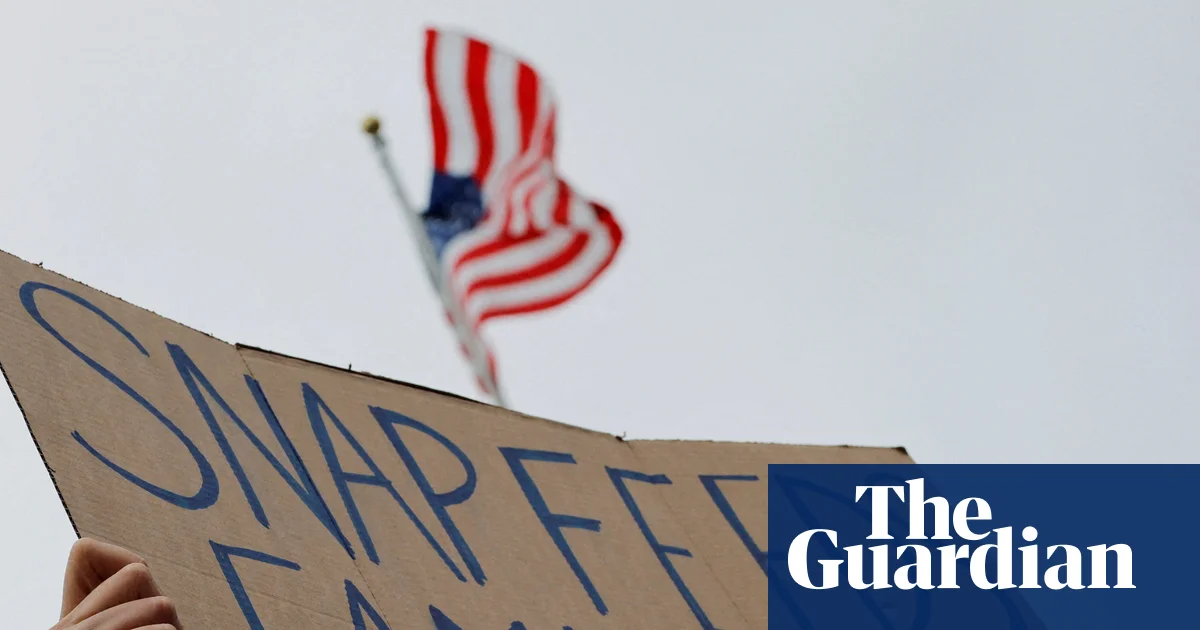
In a striking display of judicial activism, federal judges across the United States recently issued rulings that threaten to uphold the continuation of food assistance programs amidst a prolonged government shutdown. The latest decisions, one in Rhode Island and another in Massachusetts, have ordered the Trump administration to utilize authority and contingency funds to ensure the uninterrupted flow of Supplemental Nutrition Assistance Program (SNAP) benefits — a move that could reshape the executive’s ability to control ancillary social safety nets during political impasses. These rulings underscore a pivotal human story—millions of low-income Americans caught in the political crossfire—yet they also illuminate a broader conflict over federal power and the rule of law that reverberates well beyond the borders of the U.S..

Judicial Intervention Versus Executive Authority

  • Legal actions initiated by Democratic attorneys general from 22 states and the District of Columbia, along with civil rights groups, challenged the administration’s plan to suspend SNAP benefits, highlighting that existing funds—specifically, $5.25 billion in contingency reserves—could sustain the program.
  • The courts, citing ample available funds and the unlawful suspension of benefits, barred the USDA from halting SNAP payments, defying the executive’s assertions that legislative approval was required to continue expenditures during the shutdown.
  • This judicial pushback exposes a fissure in the separation of powers; the judiciary has stepped into a supervisory role, interpreting the legality of budget management—a move that could set a precedential tone for future governmental crises.

Analysts assert that these judicial rulings reflect a growing skepticism towards executive overreach, especially in the face of a contentious shutdown that has exposed the limits of unrestrained presidential discretion. Historians warn that this interplay between courts and the executive could either become a constitutional safeguard or spawn prolonged legal gridlock, with consequences for social stability and international credibility.

Global and Geopolitical Implications of US Internal Crisis

The world watches as the U.S. grapples with its internal governance, a country still perceived as an economic and political beacon. The disruption of social safety nets such as SNAP, which aids nearly 42 million Americans, portends more than domestic hardship. Such instability risks undermining the international perception of American reliability at a critical juncture when global powers—like China, Russia, and emerging regional alliances—are vying for influence.

This crisis demonstrates how domestic political decisions ripple outward, affecting diplomatic leverage and economic stability. The International Monetary Fund and World Bank analysts warn that prolonged internal discord weakens the U.S.’s moral authority and its capacity to shape global policy. Meanwhile, strategic competitors may leverage U.S. disarray to promote alternative models of governance, emphasizing authoritarian efficiency over American constitutional traditions.

How Nations and Societies React and Adapt

States and local communities across the U.S. have responded with remarkable resilience, deploying their own resources to mitigate the crisis. Governors from California, Virginia, and other states have declared emergencies, deploying state funds and National Guard units to support food banks and vulnerable populations. These measures highlight a decentralized response that, while commendable, also underscores the federal government’s limitations in crisis management when facing political deadlock.

The ongoing crisis underscores an emerging trend: the fragmentation of national unity and the rise of state-level resilience. Yet, as the debate rages on about whether the government should tap into reserved funds—reserves that are rightly meant for *natural disasters*—the fundamental question remains: Who holds the power to safeguard the most vulnerable during times of crisis—an overburdened federal government or resilient states asserting their sovereignty?

As history unfolds in these turbulent days, the path forward remains uncertain. The judges’ rulings have altered the trajectory, but the underlying clash between programmatic authority and executive discretion is far from resolved. The fate of millions depends on decisions yet to be made — decisions that will echo through future generations and define whether the principles of law or the chaos of partisanship reign supreme.

The weight of history bears down heavily, and as the nation stands at this crossroads, the world holds its breath—watching how the **United States** will reconcile its laws with its leadership, and whether the bedrock principles of justice and constitutional order will prevail in the era ahead.

Inflation Hits 3.2%, So No Rate Cut for Homeowners This Melbourne Cup Day

The Rising Tide of Inflation and Its Global Consequences

In an era marked by unpredictable economic tides, Australia’s latest inflation figures signal a turning point that extends well beyond its shores. According to the Australian Bureau of Statistics, inflation soared to 3.2% in the year ending September, climbing sharply from 2.1% in June. This increase, driven primarily by surging electricity prices—up 24%—reflects a broader challenge confronting economies worldwide: the aftermath of waning government subsidies and disrupted supply chains. The revelation confirms a significant shift in the country’s economic trajectory, compelling the Reserve Bank of Australia (RBA) to abandon any hope of rate cuts in the near future.

This escalation has profound geopolitical implications. As the RBA’s preferred measure of underlying inflation points to a rise of 1% over three months—far outpacing the predicted 0.6%—other nations watch with concern. Economist and analysts warn that persistent inflationary pressures can trigger a series of adverse global effects, ranging from increased living costs to potential social unrest. The rise in household utility bills, combined with inflation in grocery staples like coffee and cocoa—up 15%—underscores a widening economic strain that resonates in countries across stratified income levels. Specifically, the impact on Australia’s domestic stability and the broader Asia-Pacific economic alignment could reverberate for years to come, especially as regional nations grapple with similar inflationary pressures.

The Strategic Response and the Global Economic Narrative

  • Australia’s central bank signals that a *quarterly* increase in inflation of 0.9% would be a “material miss,” effectively halting prospects of rate cuts.
  • The focus shifts from unemployment—a low rate indicating relative resilience—to inflation control, revealing a governing priority on maintaining monetary stability amidst mounting cost-of-living concerns.
  • Historian and geopolitical analyst Dr. Thomas Hartley emphasizes: “Inflation acts as a geopolitical stressor, influencing diplomatic relations, trade policies, and internal stability. When a major economy like Australia signals caution, it nudges a global realignment of monetary and trade strategies.”

While petrol prices saw declines, the broader picture remains daunting. International organizations, including the IMF and World Bank, warn that persistent inflation can weaken nations’ capacities to fund critical sectors, thereby amplifying inequalities and destabilizing societies. This development casts a shadow over the global economic outlook, with emerging markets and resource-dependent economies feeling the heat—drawing them into a tightening web of geopolitical contention and economic competition.

How Decisions Shape the Fate of Nations

The decisions made by Australia’s policymakers are illustrative of a larger story—the tug-of-war between growth and stability. The RBA’s governor, Michele Bullock, explicitly acknowledged that a quarterly inflation rise exceeding 0.9% would be a “material miss,” setting the stage for cautious monetary tightening. Despite higher electricity bills and inflation in essentials, she reassured that the labor market remains resilient, with unemployment at a “pretty low” rate. Yet, this balancing act underscores the fragile state of global economic governance, where every decision bears the weight of future societal impact.

Historians and analysts note that these inflationary dynamics are part of a longer saga—a contest of economic resilience versus geopolitical realignment. If nations like Australia pivot away from expansive monetary policies prematurely, they risk plunging into recession; if they delay, inflation could spiral further, crippling the middle class and fueling discontent. The unfolding story of inflation, driven by international shocks and domestic policy, continues to shape the geopolitical landscape as power balances shift and new alliances form beneath the weight of economic uncertainty.

As history stagnates on the brink of this uncertain horizon, the weight of decisions made today echoes through the corridors of power and societal corridors alike. The unresolved tension between inflation and stability remains a saga still being written, with each policy response shaping the future of nations and societies across the world, forging a new chapter in the tumultuous story of global geopolitics.

Bella Culley's Georgia Drug Smuggling Sentence Cut to 2 Years
Bella Culley’s Georgia Drug Smuggling Sentence Cut to 2 Years

In a case that captures the attention of the international community, the trial of Bella Culley, a 19-year-old British national, underscores the complex and often controversial legal and geopolitical realities facing nations like Georgia. The recent plea bargain—where Culley’s family transferred a monumental £137,000 to reduce her potential sentence—spotlights not only the individual tragedy but also how deeply international relationships are intertwined with the country’s harsh stance on drugs. As Georgia enforces some of the world’s toughest drug laws—resolving over 90% of such crimes through plea bargaining—the case raises critical questions about sovereignty, justice, and the influence of foreign powers.

This incident is more than a simple criminal case; it embodies how nations assert sovereignty through strict law enforcement. Georgia, transitioning from a Soviet republic to an independent nation, has made a deliberate choice to adopt uncompromising drug policies. Experts like international legal analysts claim that such rigidity is rooted in both societal values and the geopolitical need to project strength in the region. The fact that Culley’s family opted to pay a sizeable sum to shorten her sentence underlines the power struggle between legal sovereignty and foreign influence. Historically, Western critics have condemned Georgia’s drug laws, yet they often overlook the government’s intent to establish a zero-tolerance stance as part of its broader strategy to affirm independence and resist external pressures.

The geopolitical impact of such cases extends beyond individual outcomes. As <Georgia’s government emphasizes strict law enforcement, it simultaneously sends a message to Russia, China, and even Western powers: that it remains committed to establishing a sovereign legal order, unbowed by external influences. Some analysts warn that this approach could intensify regional tensions, especially amid ongoing conflicts and the shifting alliances of the Black Sea and Caucasus regions. International organizations like the United Nations and European Union have offered varied responses—some advocating for diplomatic negotiations, others warning of potential human rights abuses. The case also raises questions about the societal impacts within Georgia—not least whether the country’s aggressive stance on drugs fosters an environment of fear rather than reform.

As history continues to unfold in these shadowy legal corridors, the case of Bella Culley becomes a symbol of the broader geopolitical chess game. With her pregnant condition adding a layer of humanitarian concern, her fate is intertwined with how Georgia balances justice, sovereignty, and international diplomacy. The story warns us that each decision made within these courts contributes to a larger narrative—where the struggle for national independence often manifests in the severity of law, and where the weight of history is poised to tip the scales of justice in ways that will resonate across borders for generations to come.

Amazon Announces Large-Scale Corporate Layoffs to Cut Costs

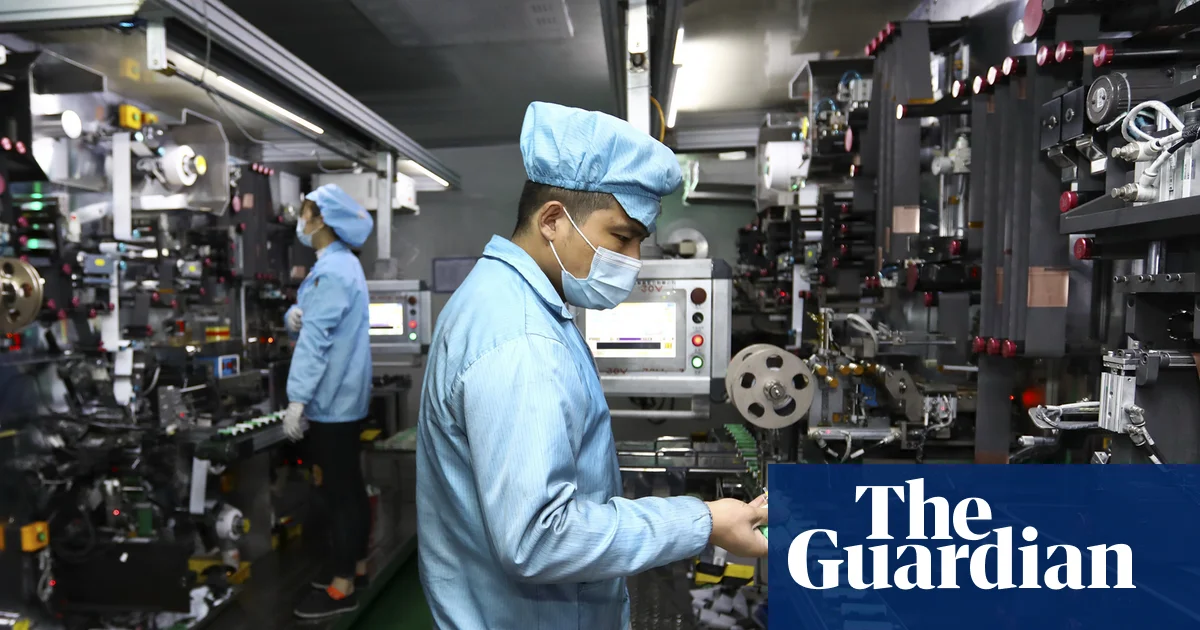
Amazon’s Strategic Restructuring and the Global Impact of AI-Driven Economy

In a move that underscores the evolving landscape of international capitalism and technological innovation, Amazon has announced plans to cut approximately 14,000 roles in its global corporate workforce. This decision, executives claim, is driven by a push to become “more leanly organized” and to harness the transformative potential of artificial intelligence (AI). As the world watches, this cutting-edge reorientation signals a clear turning point, not just for the tech giant but for the broader geopolitical and economic terrains reshaped by AI’s rapid rise.

Despite recent strong financial reports—such as its 13% year-over-year increase in sales reaching $167.7 billion—the company’s leadership emphasizes a strategic foresight that anticipates an AI-fueled future. Beth Galetti, a senior vice president at Amazon, highlighted that AI is “the most transformative technology since the Internet” and that integrating it into Amazon’s core operations will “enable faster innovation” and more efficient resource allocation. Analysts such as those from the International Monetary Fund and World Economic Forum have warned that global economies are entering a new phase—one where technological leadership may redefine the balance of power among nations, especially as major powers invest heavily in AI-driven military, economic, and diplomatic capabilities.

Transformations and Uncertainties in a Tech-Driven World

  • Amazon’s previous layoffs—around 27,000 in 2022—highlight a pattern of restructuring as the company pivots toward AI investments.
  • Slower growth in Amazon Web Services (AWS)—its cloud division—raises questions among investors regarding the profitability of AI-centric expansion.
  • Experts like Dr. Li Wei, a Beijing-based AI researcher, warn of rising global competition to dominate AI technology, which could catalyze a new Cold War of tech supremacy.

This wave of corporate restructuring points to a broader shift in global economic dynamics. Countries like China, Russia, and the United States are racing to establish AI dominance, understanding that future geopolitical influence will depend heavily on technological superiority. Such developments seriously threaten to deepen the divides of the tech race, potentially destabilizing international alliances and prompting a new era of strategic competition. UNESCO and other organizations have warned that unchecked AI proliferation could threaten societal stability by exacerbating unemployment, economic disparity, and even security concerns.

How Decisions at the Corporate and National Levels Shape Our Future

Amazon’s workforce reduction, driven by AI’s disruptive potential, exemplifies how corporations are adapting to a new economic paradigm. The ongoing restructuring is a harbinger of the future, where geopolitical power will be defined increasingly by technological innovation rather than traditional military might. As noted by historians like Professor Samuel Roberts of Harvard University, history suggests that major disruptions—such as the rise of the internet or nuclear technology—have historically redrawn the geopolitical map. Today, AI’s rapid evolution promises to be no less decisive, with nations vying to lead on an uncharted frontier.

As world leaders grapple with these transformative shifts, a specter of uncertainty looms—will this new era usher in lasting prosperity or deepen global inequalities? The weight of history reminds us that pivotal moments like these are fraught with danger but also—if wisely navigated—possibilities for a more innovative, interconnected world. Yet, the current trajectory suggests a future where corporate strategy and international diplomacy are inextricably linked to AI’s unfolding potential—an era where the fabric of society itself could be forever altered.

In this unfolding narrative, the choices made today—by corporations and governments alike—may well determine the trajectory of civilization for generations to come. The relentless march of AI and the reshaping of economic and geopolitical landscapes underscore that we are hurtling toward a future written in algorithms, where the true winners and losers will be decided not just on the battlefield, but in the boardrooms and government chambers shaping the new world order.

Grandson’s Life Cut Short by Police Tear Gas—A Young Life Gone Too Soon

Madagascar’s Unrest: A Nation on the Brink

In the heart of the Indian Ocean, Madagascar grapples with a profound crisis that threatens to reshape its future. Over the past two weeks, youth-led protests—driven by frustrations stemming from chronic socio-economic failures—have erupted into widespread violence, loss of life, and economic upheaval. At the epicenter of these upheavals lie systemic problems: endemic corruption, unmanageable unemployment, severe water shortages, and an underdeveloped education system. As analysts from the United Nations and historians pontificate on the deeply rooted causes, the unfolding events underscore a simple yet alarming truth: the fragile fabric of Malagasy society is tearing, with the weight of history bearing heavily on a nation still seeking its path forward.

The protests ignited as young Malagasy citizens voiced their despair over basic necessities—their demand for access to water and electricity is emblematic of the broader failure of governance. The scenes of chaos include torching cars, vandalizing public infrastructure, and violent clashes with police, which have claimed the lives of at least 22 individuals, according to UN estimates. The government, under President Andry Rajoelina, dismisses these figures as misinformation but admits to property damages exceeding $47 million (£35 million). The president’s response has been to characterize the protesters as “rioters,” despite accounts from witnesses like Razanasoa Edmondine, whose one-month-old grandson was killed by police tear gas—a tragic illustration of how the state’s response has compounded the crisis rather than alleviated it.

The geopolitical impact of these protests extends far beyond domestic borders. Madagascar’s political instability hampers foreign investment and endangers the island’s vital tourism sector—once a major source of revenue for its economy. International observers, including Economists like Hery Ramiarison, highlight the decades of mismanagement and political upheaval since independence as root causes. Ramiarison notes that the vicious cycle of poverty and instability is aided by a weak educational foundation—three-quarters of the population have education levels below primary school, perpetuating unemployment and social exclusion. As this cycle persists, it feeds into a broader regional instability, attracting concern from global institutions who warn that unchecked unrest could spill into neighboring nations and disrupt regional peace and trade.

However, President Rajoelina remains defiant, promising to bring change within a year or tender his resignation if he fails. Yet, many analysts believe the underlying issues are far more complex. Historians like Jean-Marie Ravelonarivo argue that Madagascar’s recurrent political turmoil—particularly the 2009 uprising that ousted President Ravalomanana—has entrenched a culture of populist dissatisfaction that superficial reforms cannot cure. The cycle of failed leadership has left the government unable to address the core economic challenges, including water scarcity, underemployment, and inadequate infrastructure. The protests have also exposed the sharp divide between the political elite and a youth demographic desperate for opportunity—many of whom have never known a stable, prosperous Madagascar.

As the island nation teeters on the edge, its history continues to unfurl—a poignant reminder that decisions made today will be etched into the collective memory of the future. The young generation, symbolized by figures like Laza Brenda, from a roadside phone shop, see the promises of fleeting leadership only to be left with more hardship. The pain of families forced to wash clothes in paddy fields due to water shortages, the despair of entrepreneurs seeing canceled contracts, and the uncertainty gripping the tourism sector foreshadow a difficult road ahead. Yet, amid this turmoil, the resilience of Madagascar’s people beckons—a testament to a nation’s unyielding hope that, even in darkness, the dawn of a new chapter might yet emerge. But whether that dawn will bring clarity or further chaos depends on the decisions that unfold in the uncertainty of these decisive moments in history’s ongoing saga.

Kyiv hit hard by Russia’s large-scale strike on Ukraine’s energy grid—Europe watches as power is cut back

Global Power Dynamics in Chaos: Russia’s Assault on Ukraine and Europe’s Political Turmoil

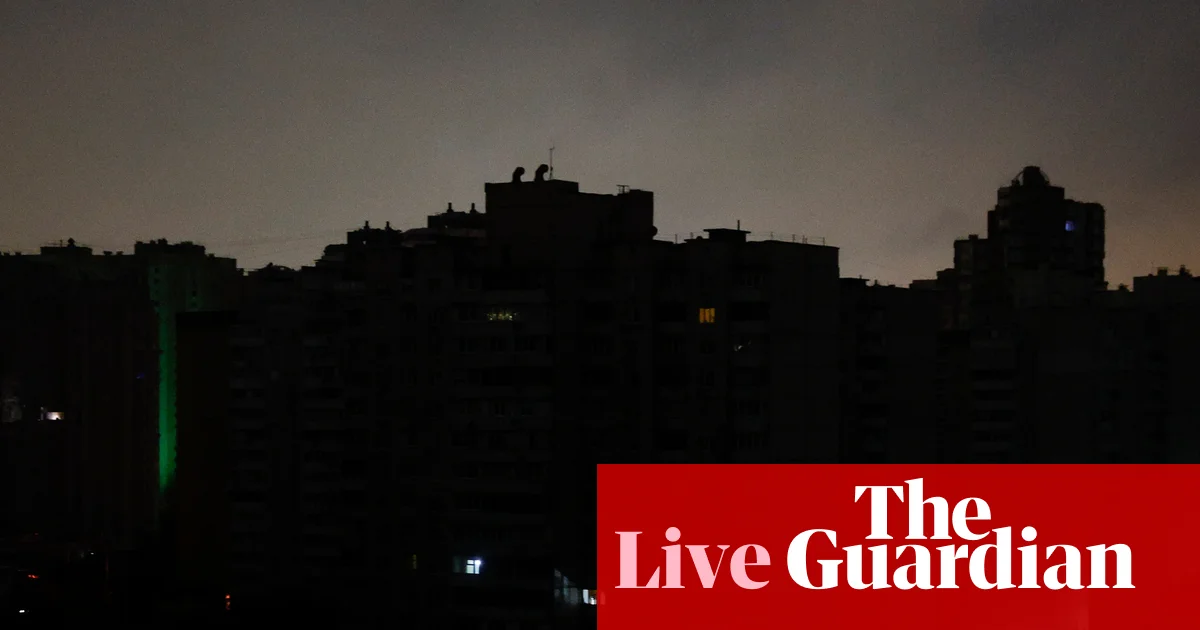
In a stark demonstration of geopolitical instability, the recent escalation of attacks against Ukraine by Russia has plunged Kyiv into darkness and chaos, compelling the international community to reassess the delicate balance of power. Early Friday morning, Kyiv was hit by what the Ukrainian Air Force called a “massive attack,” involving over 450 drones and 30 missiles, targeting critical infrastructure and energy supplies across the country. These relentless assaults resulted in power outages in nine regions and ignited fires in residential buildings, including a high-rise in Kyiv, exemplifying Russia’s strategic effort to weaken Ukraine’s resilience amidst ongoing conflict.

The Ukrainian President Volodymyr Zelenskyy condemned the attack as a blatant act of aggression aimed at undermining Ukraine’s sovereignty and destabilizing its fragile infrastructure. The attack’s scale, which included ballistic missiles and strike drones, marks a significant escalation in Moscow’s campaign to cripple Ukraine’s energy grid, which the energy minister Svitlana Grynchuk described as “a massive strike.” This attack not only disrupts daily life but also signals Russia’s intent on prolonging the conflict, further testing Kyiv’s capacity for resilience and its allies’ support. Analysts from the International Atomic Energy Agency (IAEA) have indicated efforts are underway to restore power to the Zaporizhzhia nuclear plant, which has been isolated from external power sources for over two weeks—highlighting the dangerous brinkmanship and the persisting threat of nuclear instability in the region.

How These Decisions Shaped a War’s Turning Point

  • Russia’s deployment of hundreds of strike drones and missiles explicitly aims at crippling Ukraine’s infrastructure, forcing widespread blackouts and mounting civilian casualties.
  • Kyiv desperately seeks international support, especially advanced air defense systems, to counter such relentless aerial assaults, emphasizing the international stakes of Ukraine’s sovereignty.
  • Within Russia, Kremlin strategists, historians, and military analysts debate the limits of this new escalation, as Moscow’s rhetoric remains unwaveringly aggressive, signaling the possible extension of hostilities into broader European territory.
  • The international community, led by voices such as NATO officials and United Nations representatives, warn that these acts could push the region toward a new Cold War era, with global repercussions and strained alliances.

Amid the chaos, Europe faces internal contractions among its political fabric. French President Emmanuel Macron convened an emergency meeting of mainstream political parties to navigate a crisis rooted in fragile governance, as the country grapples with persistently low growth and a fractured parliament. Meanwhile, in Belgium, authorities uncovered a plot to ignite drone-mounted explosives targeting politicians, including the Prime Minister, reflecting the growing shadow of radical extremism in the continent’s security landscape. These security risks, coupled with Europe’s increased defense investments—most notably Sweden’s billion-crown plan to expand anti-drone systems—highlight a continent awakening to new aerial threats with Eurasian powers as central players.

New Alliances and Shifting Borders: A Clash of Empires

Meanwhile, on the international stage, US President Donald Trump has reignited long-standing tensions by suggesting that NATO should consider expelling Spain over its lagging military expenditures in the face of the European security crisis. Trump’s demands underscore an ongoing push for European nations to shoulder more responsibility, aligning with a broader, more confrontational American stance on European defense matters. Conversely, NATO nations are contemplating the rising threat of aerial violations; Sweden’s €367 million investment in anti-drone technology exemplifies a continent-wide recognition of hybrid warfare’s evolving landscape, with accusations of Russian involvement in drone sightings rattling European skies.

As the whirlwind of violence in Ukraine and the shifting sands of European political stability threaten to ignite a broader conflagration, the weight of history hangs heavy. The decisions made in the coming weeks—whether Ukraine’s allies strengthen their resolve or Russia escalates further—will determine whether this is merely a preamble to a larger war or the dawn of a new era shaped irreversibly by the choices of powerful nations. The pages of history are turning swiftly, and amid the shadows of conflict, the world holds its breath, gazing toward an uncertain horizon where the currents of geopolitics continue to carve their indelible marks into the fabric of history.

Social Media Auto Publish Powered By : XYZScripts.com