Matox News

Truth Over Trends, always!

Six Budget-Friendly Shower Upgrades That Elevate Your Daily Routine—From Luxe Towels to Pure Water Filters | Life & Style

Showering in the Modern Age: Redefining Self-Care for the Next Generation

In today’s fast-paced world, even something as fundamental as showering has evolved into a complex ritual layered with trends, technology, and lifestyle shifts. Gone are the days where shower time was just about hygiene; now, it’s an opportunity for personal wellness and momentary escape. The explosion of social media has inundated us with trends—dark showers, multi-hour routines, even shower oranges—creating a paradox of aspiration versus practicality. While some of these trends seem far removed from everyday life, they reveal a deeper desire: to transform the mundane into an experience that enriches our health, confidence, and mood. As wellness expert Dr. Christopher M. Norris explains, optimizing small personal routines can significantly boost mental clarity and physical vitality, especially in our youth who seek authenticity in self-expression.

But understanding that not everyone has hours to spend or the resources for elaborate setups is crucial. There’s a compelling movement toward mindful and affordable upgrades that serve both health and aesthetic desires. Leading lifestyle outlets and innovators have rigorously tested budget-friendly shower filters, luxurious towels, and scented candles, all under $150, advocating a philosophy: elevate your everyday without breaking the bank. A standout example is the Canopy Handheld Filtered Shower Head, which, according to recent tests by lifestyle writer Stephen Treffinger, results in skin that feels “less dry and smoother,”it’s an affordable health upgrade that directly impacts personal well-being. This shift emphasizes investing in products that enhance the quality of water—removing damaging chemicals—rather than succumbing to expensive, less essential trends that often clutter social feeds.

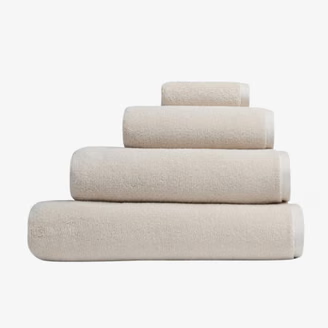
Complementing this practical approach are lifestyle tokens that elevate the sensory experience: the Parachute Organic Plush Towels and the tropical scent of the Capri Blue Volcano Candle. These simple additions forge a holistic approach—combining wellness, leisure, and personal style—impacting not just the physical, but also the emotional and aesthetic facets of self-care. This is about embracing the journey of self-expression, nurturing both body and mind, and encouraging younger generations to see lifestyle choices as a form of personal activism—asserting control over their health, environment, and emotional clarity.

As the narrative of self-care continues to unfold, it’s clear that the act of showering has transcended the mere act of cleaning. It now embodies a path to wellness, inspiration, and self-empowerment. The journey isn’t just about products or trends; it’s about cultivating a daily ritual that reflects your values and aspirations. In embracing this evolution, the modern youth are carving a new narrative—where lifestyle is an open invitation to explore, to refine, and to redefine oneself. In this pursuit, every small upgrade becomes a brushstroke on the canvas of a confident, resilient, and vibrant life. Ultimately, it’s not about achieving perfection but about embracing the continual evolution of being the best version of oneself—one shower at a time.
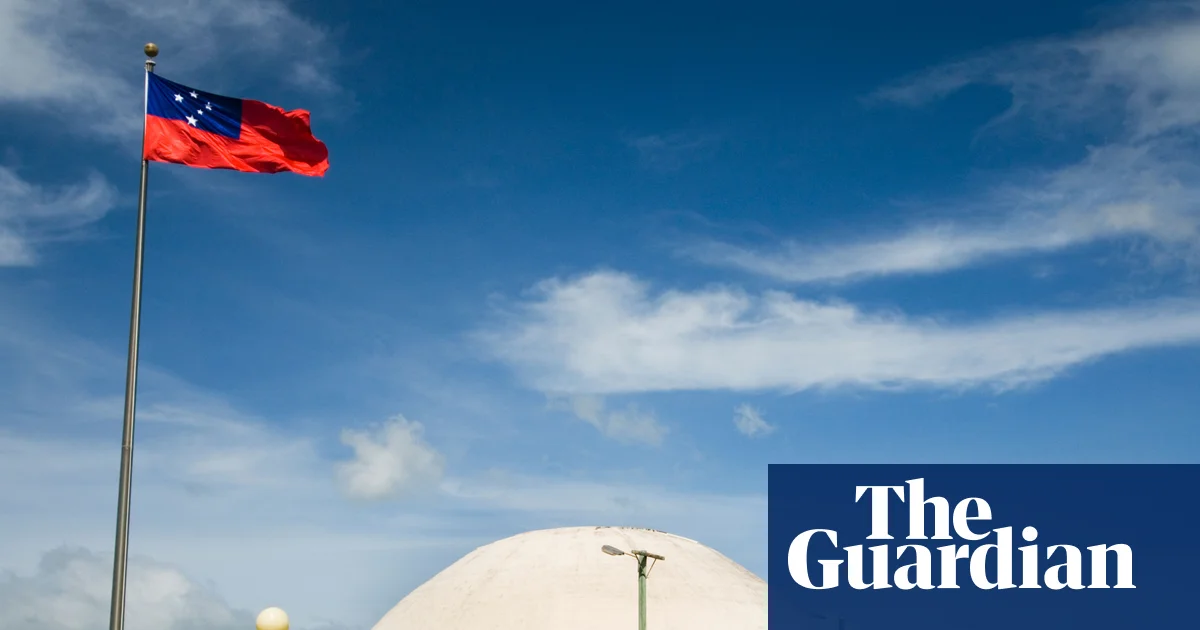
Samoa PM silences nation’s only daily in crackdown over coverage dispute

Samoa, often regarded as a model democracy within the Pacific region, now finds itself at a critical crossroads that could redefine its political landscape. The recent decision by Prime Minister La’aulialemalietoa Leuatea Polataivao Fosi Schmidt to ban Samoa’s only daily newspaper, the Samoa Observer, from attending press briefings signals a troubling shift towards authoritarianism cloaked as leadership. The move, reportedly in response to alleged inaccurate reporting during the prime minister’s medical absence in New Zealand, raises profound questions about how governments manipulate media to stifle accountability and transparency. Such actions serve as a stark warning to global observers: in the pursuit of consolidating power, democratic norms—particularly the freedom of the press—are under siege.

Historically, robust journalism has been the cornerstone of democratic governance, holding leaders accountable and providing citizens with vital information. In Samoa’s case, critics and international watchdogs, including the Pacific Freedom Forum, argue that this unprecedented ban is an effort to silence critical voices. Samoa’s government justifies the move by citing examples of alleged misinformation, yet many analysts contend that the timing reveals a calculated attempt at information control. The Samoa Observer’s editorial explicitly rejected the accusations, emphasizing its independence and commitment to public-interest journalism. Leaders and international observers warn that such restrictions threaten to weaken the very fabric of democracy, reinforcing a pattern seen in authoritarian-leaning regimes globally.

The ramifications extend beyond Samoa’s borders, influencing regional stability and international relations. Decisions to suppress media coverage can set dangerous precedents, emboldening other governments in the Pacific and beyond to crack down on press freedom. The Samoa Alliance of Media Practitioners for Development (Sampod), along with other regional bodies, highlighted the peril of undermining media independence. “Restricting access to critical scrutiny disarms citizens’ ability to hold leaders accountable,” explained Sampod’s representative, Lilomaiava Maina Vai. If unchecked, such measures risk normalizing hostility toward journalists, diluting democratic accountability, and fostering environments where dissent is considered a threat rather than a vital component of political discourse.

Outside Samoa, opposition figures have voiced their condemnation. Fiame Naomi Mata’afa, leader of the Samoa Uniting Party, and Tuilaepa Aiono Sailele Malielegaoi, former Prime Minister, both accused the government of attempting to suppress transparency. The controversy has ignited a debate about how leadership accountability is intertwined with media independence—an issue resonating throughout the Pacific region and many emerging democracies. As Samoa navigates this turbulent chapter, its internal struggles mirror a much larger narrative about the fragility of democratic institutions in a world where information has become the most potent currency.

The story remains unwritten, but the consequences are immediate and far-reaching. Samoa’s internal debate over press freedom exemplifies a pivotal question facing many nations in an era of misinformation and digital hostility: Can democracy survive when the very organizations meant to uphold truth are silenced? History will judge whether Samoa’s leaders recognize that true strength lies in transparency and accountability or continue down the path of silence and control. As the world watches, the echoes of this unfolding story serve as an urgent reminder: the battle for free information is the frontline in safeguarding the future of democracy, and its outcome may very well determine the legacy Samoa leaves behind in the annals of history.

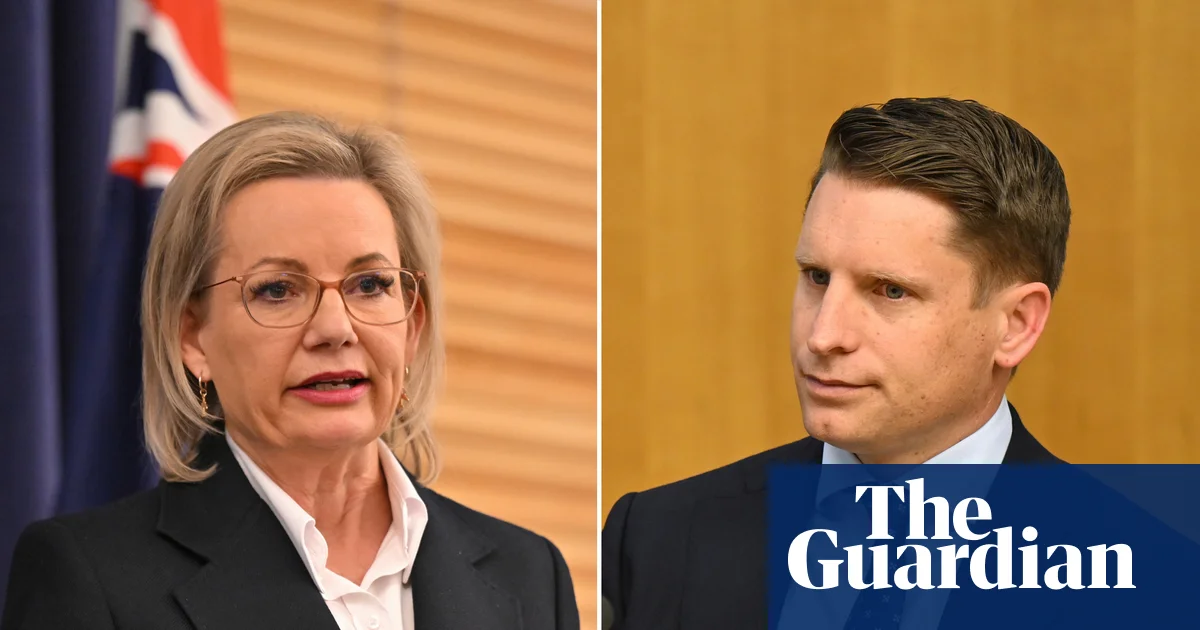
Ley dismisses Hastie’s immigration claims, says daily pressures aren’t caused by migrants | Liberal Party

Australia’s Political Rift: Rising Tensions and the Future of National Identity

In a climate of mounting internal strife, Australia finds itself at a pivotal juncture as political figures grapple with divisive narratives surrounding migration and infrastructure. Recently, Deputy Prime Minister Jessica Ley declined to endorse comments from her colleague, Andrew Hastie, who has adopted a provocative stance on immigration, warning that the Liberal Party risks “dying” if it fails to curb overseas migration. These debates are not merely rhetorical; they strike at the heart of Australia’s national identity and expose underlying geopolitical tensions that could reshape the continent’s role on the world stage.

Hastie’s alarmist rhetoric echoes historic European fears of multiculturalism, reminiscent of Enoch Powell’s infamous “rivers of blood” speech in 1968, which predicted dire consequences for Britain’s demographics. The Australian MP’s social media warnings about “states of crisis” linked to unchecked migration reveal a nationalist undercurrent that conflicts with globalist trends and Australia’s multicultural ethos. Analysts warn that such rhetoric feeds into a broader global struggle over sovereignty and cultural integrity, with China and the United States watching closely. The former, as China’s influence expands into the Indo-Pacific, is likely to interpret Australia’s internal divisions as signs of instability that could be exploited.

Internal Divisions and External Implications

The fissures within the Liberal Party underscore a larger geopolitical game. While some MPs, like Jacinta Nampijinpa Price, have praised Hastie’s frankness—perhaps viewing it as a bold assertion of sovereignty—others view it as dangerous freelancing that threatens party cohesion. International observers and historians alike see these factions as indicators of a nation struggling to balance its traditional values with the realities of a rapidly changing global environment. Such internal debates are vital, as they influence Australia’s capacity to craft a unified foreign policy response in a time when alliances are shifting and regional power dynamics are reordering.

Global institutions like the United Nations warn that widespread nationalistic rhetoric could destabilize regional peace and exacerbate migratory tensions worldwide. The Australian debate mirrors similar conflicts in Europe and North America, where concerns over sovereignty and cultural preservation have fueled populist movements. As political leaders like Keir Starmer in the UK express regret over incendiary language about multicultural Britain, Australia’s internal discourse reveals how fragile the consensus on multiculturalism remains in a volatile international landscape.

The Road Ahead: A Test of National Resolve

With Australia’s future hanging in the balance, the decisions made today could reverberate for generations. As analysts warn of the dangerous potential of extremist rhetoric, history reminds us that such divisions often precede profound upheavals. The global order is in flux, and nations on the frontlines—like Australia—must navigate the turbulent waters of sovereignty, identity, and international influence. The path they choose will not only define their own future but also shape the geopolitical landscape of the Indo-Pacific and beyond. Indeed, the pages of history are turning swiftly, and the story of Australia’s internal struggles—and the wider struggle for national identity—remains a critical chapter yet to be written.

Social Media Auto Publish Powered By : XYZScripts.com