Matox News

Truth Over Trends, always!

Why Labour's Turning Danish on Immigration — Podcast
Why Labour’s Turning Danish on Immigration — Podcast

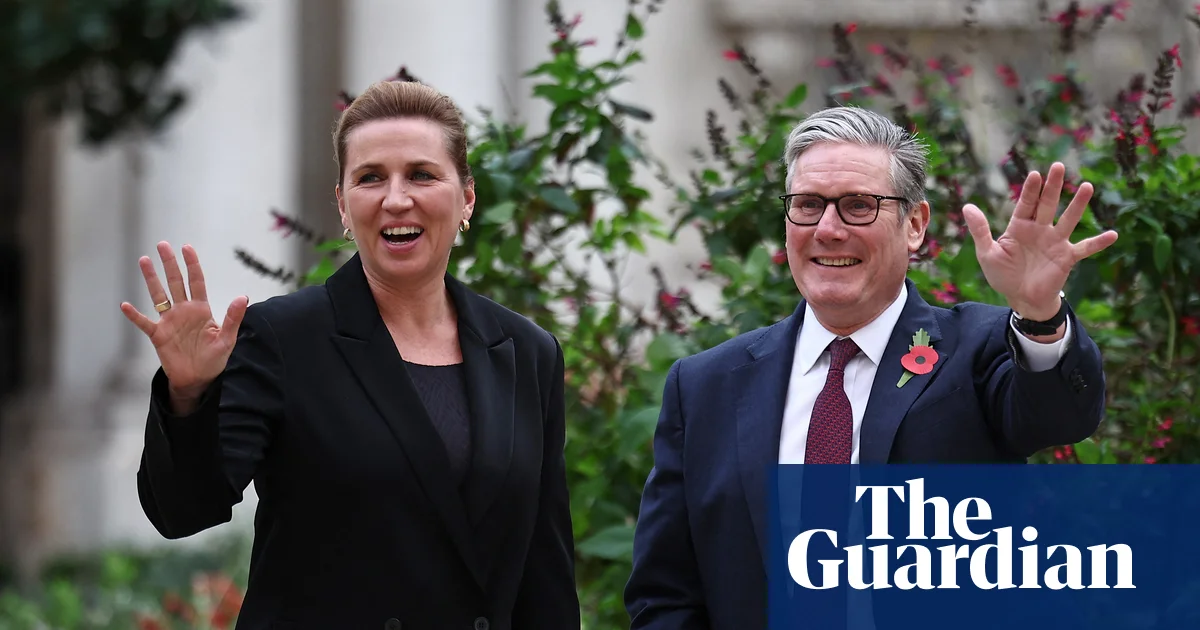
The United Kingdom appears poised to follow the controversial footsteps of Denmark in overhauling its immigration and asylum policies. The imminent announcement by Home Secretary Shabana Mahmood signals a shift towards stringent measures reflecting recent Danish reforms, which have sparked intense debate across Europe. Since 2019, Denmark‘s government, under a center-left banner, has devolved from traditional social democratic ideals to adopt radically restrictive policies, aiming to diminish what they perceive as burdens on their social fabric. This includes not only tightening border controls but also, controversially, bulldozing settlements with high concentrations of residents of “non-western” descent—a move that has polarized both domestic and international opinion.

Major dialogues surrounding Denmark’s approach, as explored in interviews between Helen Pidd and Nilas Heinskou of Politiken, reveal that these policies are rooted in a desire to curb what some officials describe as cultural and social strain. However, critics, including Syrian refugee Agob Yacoub, highlight a disturbing climate of rising racism and Islamophobia embedded within Danish politics since these measures took hold. Analysts warn that such policies risk undermining principles of human rights, prompting international organizations like the European Union to scrutinize these shifts, raising questions about their compatibility with fundamental freedoms and the EU’s commitment to humane treatment and diversity.

The geopolitical impact of these developments extends far beyond Scandinavia. As the UK considers adopting similar approaches, the ramifications could ripple through Europe’s social, political, and security frameworks. Experts such as historians and political analysts argue that these policies reflect a broader trend of nationalist resurgence across Western nations, driven by fears of demographic change and economic strain. The move signifies a potent reset—one that challenges not only international law but also the long-held European values of multiculturalism and integration. As Britain navigates its post-Brexit identity, decisions on immigration policy will inevitably influence the country’s position on the world stage, shaping alliances and adversaries alike.

Ultimately, the story unfolding in London and Copenhagen is more than domestic policy—it is a harbinger of a changing global order. As nations grapple with internal pressures and external threats, the choices made today will linger in history’s chronicles. Will they forge resilient societies built on inclusion, or will they fracture along lines of ethnicity and ideology? History quietly watches, waiting to record whether these policies will serve as catalysts for renewal or catalysts of division—the weight of this unprecedented chapter on the global stage remaining poised on the precipice of the future.
Danish Military Bases Spotted Under Drone Watch Amid Rising Air Tensions

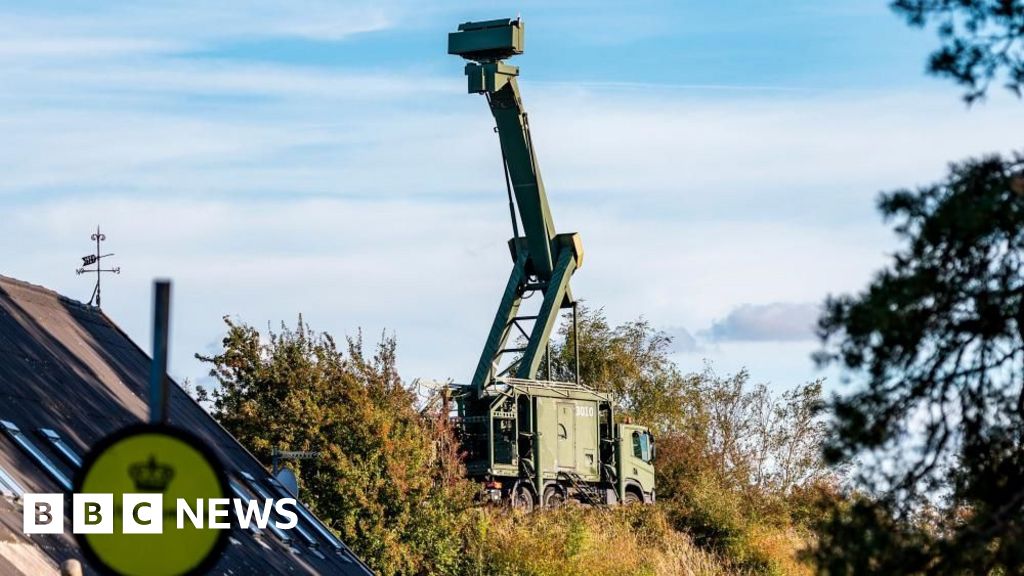
Recent sightings of unidentified drones near military and civil infrastructure across Denmark, Germany, Norway, and Lithuania have sent shockwaves through an increasingly tense European security landscape. The series of incursions, notably the drone activity above key military bases like Karup airbase in Denmark, align with a disturbing pattern of aerial disruptions that threaten the stability of the continent. These events come just days after major airports in the region, including Copenhagen and Oslo, experienced temporary closures due to drone activity, highlighting vulnerabilities within civilian and military airspace alike.

Analysts suggest that these incidents are part of a broader hybrid attack, a sophisticated blend of military and non-military tactics designed to destabilize and undermine interconnected security systems. The Danish Defense Ministry has cautiously refrained from accusing any state actor, though some officials hint at the possibility of Russian involvement. This suspicion is fueled by recent heightened tensions between Russia and NATO allies, with Eastern European countries such as Estonia and Poland reporting similar incursions involving Russian drones and fighter jets. The North Atlantic Treaty Organization (NATO) has responded with urgent consultations, as fears grow that Moscow may be engaging in a broader strategy of indirect aggression, leveraging these covert operations to weaken Western unity and sow discord in the heart of Europe.

Government officials and international organizations warn that these drone incursions signal a new phase in hybrid warfare, where the battlefield extends beyond traditional combat zones to include the cloud of technological vulnerabilities that modern societies have come to depend upon. German Interior Minister Alexander Dobrindt has emphasized the high threat level, ordering further investigations and regional discussions on how to counteract this rising threat. Meanwhile, U.S. and European security analysts cite the increasing frequency of such incidents as a warning that the age of aerial proxy conflicts has arrived, demanding a coordinated, strategic response to prevent escalation into overt conflict.

As Russian officials vehemently deny involvement, dismissing allegations as “absurd provocations”, the weight of history and recent events suggest a more complex reality. Past accusations of hybrid assaults, coupled with Russia’s openly strategic posture in Eastern Europe, leave many experts questioning whether these violations are a form of weaponized diplomacy. The unfolding drama in Northern Europe encapsulates a larger narrative of geopolitical rivalry, where control of information, airspace, and influence determines the fate of nations. The world watches as the specter of war, cloaked in the shadows of digital and aerial warfare, lingers just beyond the horizon, leaving humanity at a perilous crossroads where every decision could tip the balance towards peace or chaos. The consequences of these silent battles will echo through history, shaping the legacy of this turbulent era.

Danish Authorities Boost Security After ‘Actor’ Shuts Down Aalborg Airport—Europe News

Europe at a Crossroads: Denmark’s Drone Crisis Sparks Geopolitical Uncertainty

In recent weeks, Denmark has become the epicenter of a series of unsettling drone incursions in its airspace, exposing vulnerabilities that threaten not only national security but also the broader stability across Europe. Authorities now firmly believe that these attacks are orchestrated by a professional, hybrid entity rather than rogue private operators, marking a significant escalation in the use of drone technology as a tool of strategic disruption. Such systematic attacks, occurring at multiple locations including Aalborg airport, have prompted Danish officials to consider activating Nato’s Article 4 proceedings—an act of consultation that signals heightened concern about external aggression and regional destabilization.

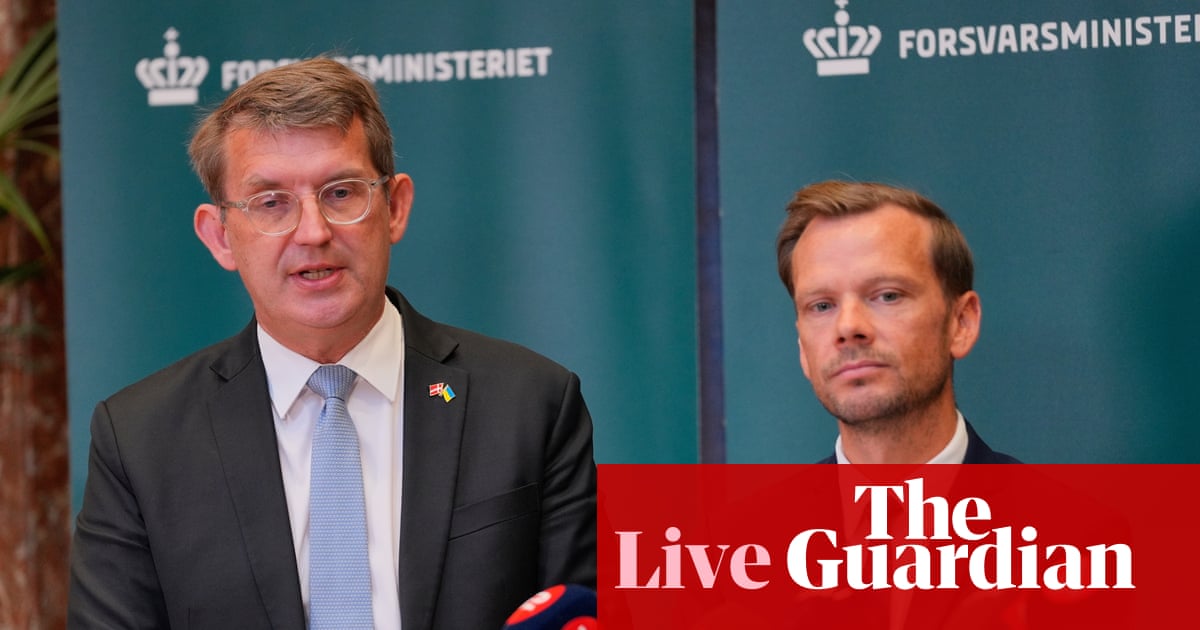
Defense Minister Troels Lund Poulsen has emphasized the sophisticated nature of these operations, likening them to a hybrid attack using different types of drones. This assessment underscores a broader pattern of hybrid warfare—a strategy employed by state and non-state actors designed to create chaos and sow division, often without direct military confrontation. The incident comes amidst a crescendo of geopolitical tension that involves not just Denmark but the entire continent. Analysts from the European Union and global security think tanks warn that these incidents may portend a new era of covert conflicts, where technology-driven asymmetric warfare becomes the norm.

The strategic significance of Denmark’s response cannot be understated. The government’s consideration of requesting Nato Article 4 consultations indicates a potential shift toward collective security measures in the face of evolving threats. Although the country has yet to officially invoke the article, the ongoing engagement with Nato and the European Union reveals a deliberate effort to bolster defenses and establish a unified front. Historically, security experts like Dr. Emily Carter and notable organizations such as EUROPOL suggest that this escalation could serve as a precursor to intensified security cooperation across the Atlantic Alliance, redefining the geopolitical landscape even further.

While Denmark’s leadership states there is no evidence linking the drone incidents to Russia, fears persist over the broader implications of escalating tensions in Eastern Europe. The possibility that these attacks aim to undermine Denmark’s support for Ukraine aligns with patterns observed in recent European confrontations, where technological infiltration has played a tactical role. As the country gears up for a major diplomatic event—the upcoming EU summit—the emphasis on expanding defense capabilities and legal frameworks suggests a definitive move toward hardening national infrastructure against future hybrid assaults. This crisis, often dismissed as a mere technological nuisance, risks evolving into a catalyst for broader geopolitical realignments.

The unfolding story of Denmark’s drone crisis encapsulates a pivotal moment in international affairs—an era where the battleground extends beyond conventional borders into the skies, and where the decisions made today will resonate in the corridors of power for generations to come. The weight of history presses upon Europe’s fragile balance, as the specter of covert warfare clandestinely shifts the trajectory of global peace and security.

Greenland Contraception Scandal: Victims Receive Danish Prime Minister’s Sincere Apology

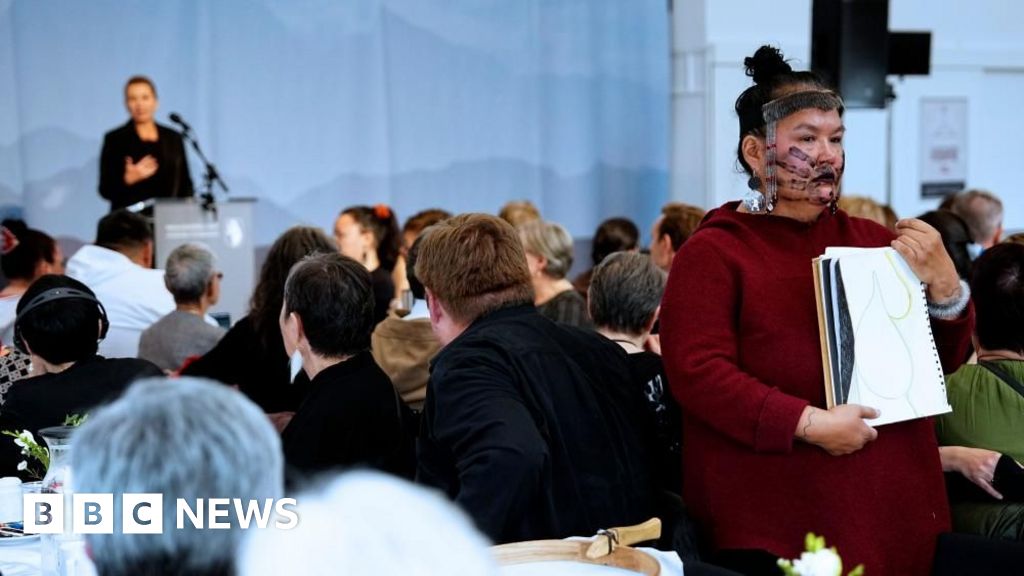
The historic apology by Danish Prime Minister Mette Frederiksen for the forced contraception program that targeted thousands of Inuit women in Greenland during the 1960s and 70s marks a significant, albeit complex, chapter in the ongoing relationship between Denmark and Greenland. The scandal, involving the involuntary implantation of IUDs—sometimes on girls as young as 12—has reignited discussions about colonial misdeeds, human rights violations, and the legacy of Western interference in indigenous populations. As a nation that transitioned from a Danish colony to an autonomous territory, Greenland’s journey is emblematic of broader geopolitical shifts, especially as global interest in the Arctic intensifies amid climate change and strategic competition.

Historically, Greenland has been pivotal in the geopolitical machinations of the North Atlantic, with Denmark maintaining oversight over healthcare until 1992, well into its push for autonomy. The recent revelations, coupled with Frederiksen’s formal apology, are not merely about acknowledging past injustice but serve as a crucial turning point that underlines the importance of self-determination and sovereignty for Greenlanders. Many analysts, including international organizations like the Arctic Council, emphasize that such admissions of past abuse are essential for healing and for redefining the trust and future governance of this strategic landmass highly coveted for its natural resources and geopolitical significance.

Despite the apology, critics argue that Denmark’s response remains insufficient without concrete reparations or acknowledgment of possible human rights violations. A lawsuit filed by 143 women seeking compensation underscores ongoing grievances and indicates that the wounds inflicted during colonial rule continue to resonate within Greenlandic society. Historians have pointed out that colonial-era policies were driven by economic and strategic interests, often at the expense of indigenous welfare. The unfinished chapter of reparations and acknowledgment highlights a broader international dilemma: how former colonial powers reconcile with past abuses, and whether genuine reconciliation can be achieved without tangible justice. The international community watches closely, mindful that the phase of unspoken colonial trauma is giving way to demands for accountability and dignity.

Furthermore, the implications extend into the Arctic’s geopolitical arena, where the United States, Russia, and China are maneuvering for influence around the melting ice, and President Trump’s earlier demand to acquire Greenland underscored the continent’s rising strategic importance. Denmark’s handling of Greenland affairs now faces increased scrutiny, as the narrative shifts from mere resource exploitation to sovereignty and moral rectitude. The recent controversies surrounding the removal of Inuit children and the reversal of a recent separation case exemplify the fragile trust needed for Greenland’s transition toward full self-governance. The decade ahead could see a profound redefinition of power dynamics, where Greenland’s indigenous voices demand recognition beyond symbolic apologies, challenging long-standing colonial structures and asserting their rightful place in a multipolar Arctic.

As history continues to unfold, the weight of past injustices, geopolitical ambitions, and the aspirations of Greenland’s people converge into a narrative that is both cautionary and hopeful. The apology, while a significant step, marks only the beginning of a deeper reckoning—one that tests the resilience of colonial legacies and the capacity of nations to mend their fractured histories. In the icy silence of the Arctic, the echoes of this moment will reverberate for generations, serving as a reminder that the ongoing struggle for dignity and sovereignty is written not just in history books, but in the very fabric of the future, where old worlds are shifting and new ones are emerging with the weight of history still to be written.

Social Media Auto Publish Powered By : XYZScripts.com