Matox News

Truth Over Trends, always!

Daring Exit from El-Fasher: Darfur Youth Courage Amid Crisis

As the Sudanese civil war escalates into a new chapter of brutality, el-Fasher, the capital of Darfur, has fallen after an 18-month brutal siege, marking a significant turning point in an ongoing conflict that continues to threaten regional stability. Fighters from the Rapid Support Forces (RSF), a paramilitary group once allied with the national army, seized the city from government control, leaving a trail of devastation and prompting a mass exodus of civilians fleeing with only the clothes on their backs. The geopolitical impact of this victory for the RSF cannot be overstated, as it pushes the paramilitary group into the last stronghold of western Darfur and weakens the fragile authority of the central government—a move that may reshape long-term power dynamics in Sudan.

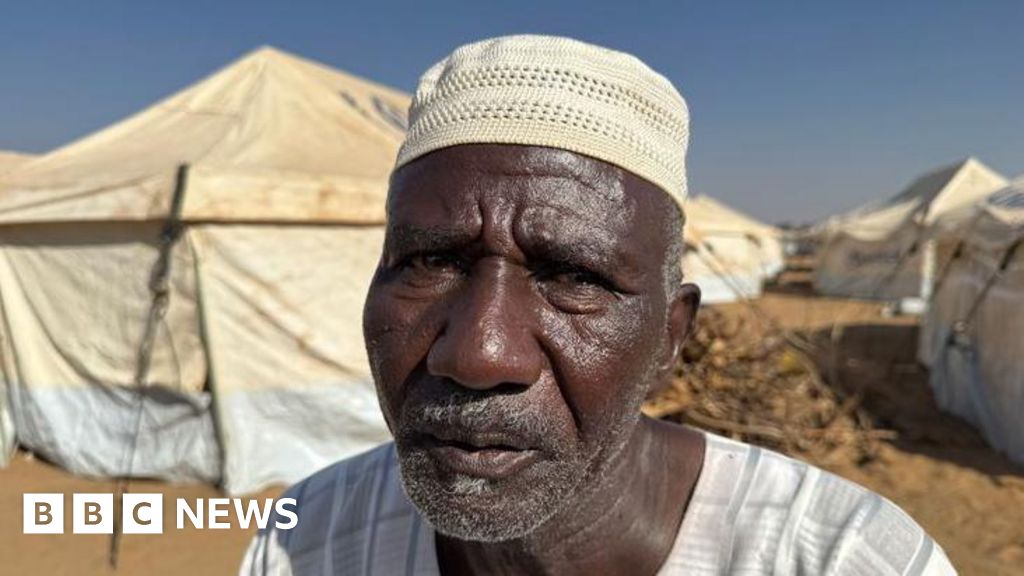
International organizations and analysts are quick to condemn the aftermath of el-Fasher’s fall, with widespread reports of atrocities that include mass killings, sexual violence, and destruction of civilian life. Witnesses, including survivors like Abdulqadir Abdullah Ali, recount harrowing tales of shootings and indiscriminate violence inflicted by RSF fighters, who reportedly used live ammunition against fleeing populations. The UN has documented that less than half of the approximately 260,000 citizens who inhabited the city before its fall have been accounted for, indicating an ongoing humanitarian catastrophe. The rise of the RSF in Darfur signals a potential shift in regional power, emboldening a militant faction but also drawing sharper international focus on the crisis—especially as accusations of genocide and war crimes gain traction globally.

The unfolding chaos has displaced millions, with many fleeing into neighboring countries or settling into hastily assembled camps in northern Sudan, such as the camp in al-Dabbah. Here, survivors paint a grim picture of violence, including systematic looting, sexual violence, and brutal interrogations—actions denied by the RSF, which claims to be misrepresented by political enemies. Yet, the clarity of eyewitness testimonies, like those of Mr. Ali and others, underscores the brutal reality: civilian suffering is mounting, and the fragile ceasefire prospects remain distant. How international powers respond to this escalation will have profound implications for regional security and U.S. geopolitical interests, especially as President Donald Trump promises increased involvement to broker peace.

As history continues to unfold amid the dust and chaos of Sudan’s shattered cities, the geopolitical impact of this conflict extends beyond Africa’s borders. The internal chaos threatens to destabilize neighboring countries and fuels allegations of war crimes that could invoke sanctions and international intervention. The narrative spun by the RSF’s leadership, claiming innocence and accusing their enemies of orchestrating a media campaign, does little to mask the true horror taking place. Many survivors, battered but resilient, cling to their hope amid despair, waiting for a turning point—and for the weight of history to decide whether this dark chapter will be remembered as a turning point of liberation or a tragic descent into further chaos. In the shadows of this unfolding tragedy, the whispers of history remind us: what happens in Sudan echoes far beyond its borders, shaping the destiny of nations and the future of global justice.
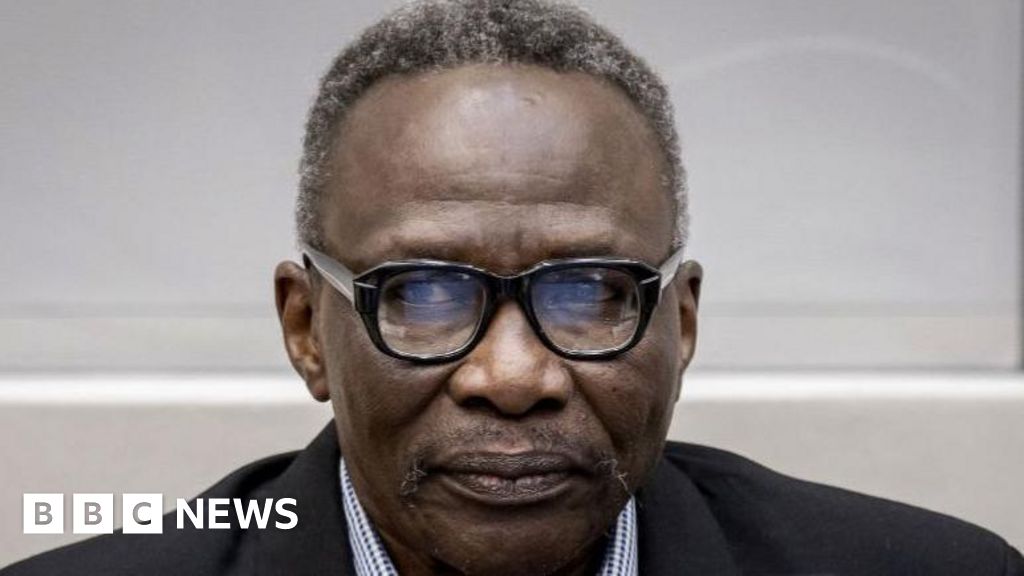

Sudan militia leader found guilty of Darfur war crimes—justice for victims begins

Legacy of Justice and Shadows of Conflict in Sudan

The recent conviction of Ali Muhammad Ali Abd-Al-Rahman, commonly known as Ali Kushayb, by the International Criminal Court (ICC) marks a significant milestone in the ongoing quest for accountability amidst Darfur‘s tumultuous history. As the first individual tried by the ICC for atrocities committed during the 2003-2020 conflict, Kushayb’s guilty verdict on 27 counts underscores the global community’s recognition of the scale of violence inflicted upon non-Arabic populations during those dark years. Historians and analysts agree that this verdict serves as a pivotal acknowledgment of the systemic atrocities committed by the Janjaweed— a militia backed by the Sudanese government— which systematically targeted ethnic minorities with genocidal intent. The case emphasizes the enduring importance of international justice in addressing war crimes, even decades after the initial violence.

However, the shadows of Darfur extend beyond the courtroom, casting an ominous pall over present-day Sudan. The region is once again embroiled in conflict, this time unfolding between the nation’s military and the paramilitary Rapid Support Forces (RSF). The RSF’s origins lie in the Janjaweed, and recent years have seen their transformation into a formidable fighting force accused of ethnic cleansing against non-Arab communities—carrying the same lethal ideology that fueled past atrocities. Inspired by the same patterns of ethnic violence, the current civil war threatens to undo fragile efforts at stability, leaving many displaced and vulnerable. International organizations, including the U N, have condemned the RSF’s actions, which mirror the tactics of terror and systematic destruction witnessed during the Darfur crisis. This continuity highlights how ideological and military institutions ingrained in Sudan’s history continue to threaten regional stability.

Prominent voices such as Dr. Matthew Benson-Strohmayer from the London School of Economics warn that the current conflict is a “war of terror,” characterized by sexual violence, starvation, and wholesale destruction—paralleling the worst aspects of Darfur’s past. Despite the symbolic significance of Kushayb’s conviction, many remain skeptical about its immediate impact on ending the violence. The international community’s efforts to hold Sudanese officials accountable, including warrants against former President Omar al-Bashir, have yet to bring comprehensive justice or peace. This ongoing impunity allows the cycle of violence and ethnic cleansing to persist, undermining the rule of law and global efforts aimed at fostering reconciliation. As history lingers, it becomes increasingly clear that international justice alone cannot dismantle the deeply rooted factions fueling the conflict.

As the dust settles over The Hague, and the verdict stands as a stark reminder of past horrors, the fate of Sudan hangs in the balance. The recent events serve as a powerful warning: successful justice might offer a moment of moral victory, but without comprehensive political resolution and local reconciliation, the specter of war continues to cast its shadow over generations. History’s pen is still writing Sudan’s story, a tale of trauma intertwined with resilience, unresolved conflicts, and the relentless pursuit of justice—leaving the world to wonder whether this verdict will be a turning point or merely a pause before the next chapter of chaos unfolds in the heart of Africa.

Social Media Auto Publish Powered By : XYZScripts.com


