
Ukraine Under Siege: Russia’s Escalating Assaults and the Shifting Diplomatic Landscape
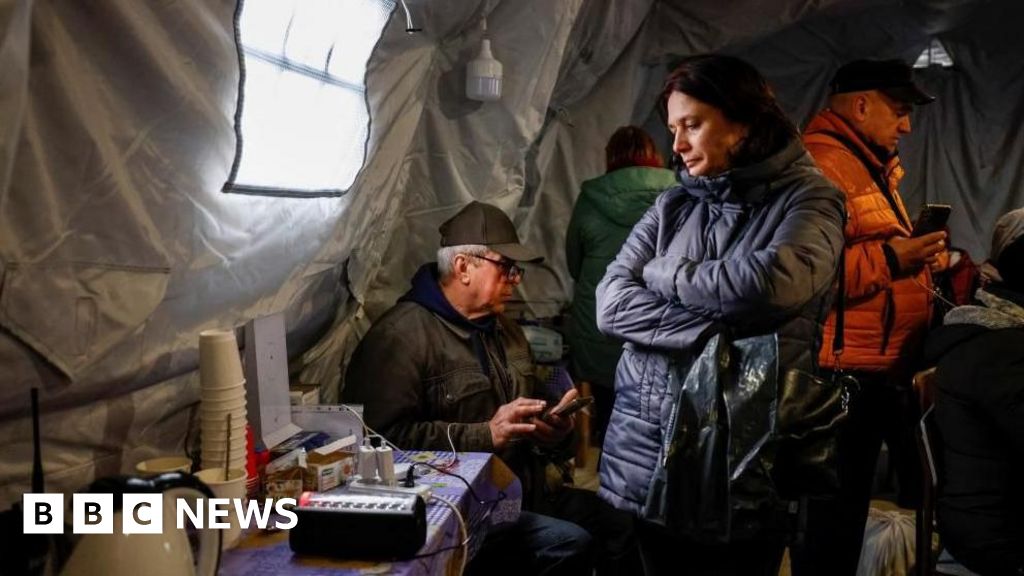
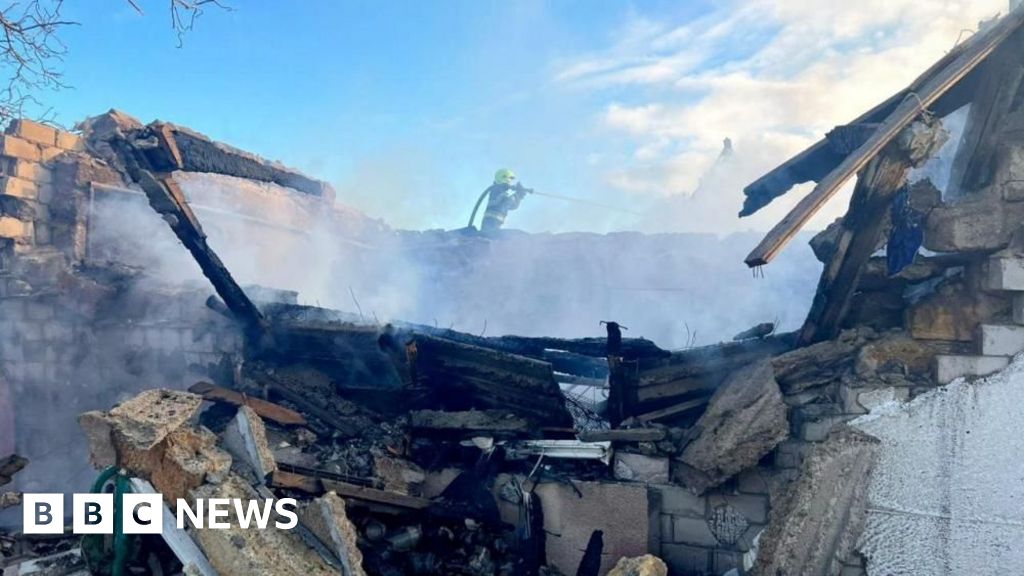
Amidst a relentless barrage of Russian missile and drone strikes, Ukraine faces an increasingly severe crisis that threatens to plunge the nation into further chaos and hardship. The Kyiv government reports that over more than a million households are now plunged into darkness as Moscow’s forces intensify attacks on critical energy and industrial infrastructure. This surge of aggression occurs just as winter sets in—a period historically linked with heightened suffering for civilians caught in the crossfire of this protracted conflict. The strikes, which Kyiv attributes to Russia, involved over 450 drones and 30 missiles in a single night, demonstrating Moscow’s intent to dismantle Ukraine’s ability to sustain itself. The regional damage is widespread, with Dnipropetrovsk, Kirovohrad, Mykolaiv, Odesa, and Chernihiv bearing the brunt of the assault.
While Russia has long targeted Ukraine’s energy grid, recent months have seen an unmistakable escalation as Moscow employs hypersonic Kinzhal missiles capable of changing course mid-flight, complicating Ukrainian defenses. The International Atomic Energy Agency (IAEA) reported that Ukraine’s Zaporizhzhia nuclear power plant, located within Russian-occupied territory, temporarily lost all offsite power—highlighting the war’s destabilizing impact on nuclear safety. The specter of nuclear catastrophe lurks behind these military operations, underscoring the high stakes for global security. Meanwhile, Russia reports casualties of its own, with regional governor Roman Busargin confirming two deaths from a drone strike on a residential building in Saratov, a reminder that the conflict continues to spill into Russian territory itself, igniting fears of an expanded front.
Diplomatic Efforts and the Fragile Road to Peace
Despite ongoing violence, diplomatic activity is intensifying in Europe and the United States. Steve Witkoff, Washington’s envoy leading efforts to mediate peace, plans to meet with Ukrainian President Volodymyr Zelensky and European officials in Berlin. The goal is to forge a new peace accord before Christmas—a deadline that reflects both the urgency and the impatience of Western capitals eager to bring an end to this destructive war. The upcoming Berlin talks are expected to include senior European leaders such as French President Emmanuel Macron and German Chancellor Friedrich Merz, signaling a united front within the Euroworld despite recent stirrings of discord.
However, persistent obstacles loom large. Kyiv remains resolute on refusing to surrender territory in the Donbas, asserting that Moscow’s ambitions to fully occupy eastern Ukraine must be halted. The U.S. proposes a contentious plan—an eventual withdrawal of Ukrainian forces from contested regions, which Kyiv’s leadership cautiously questions, fearing it could open pathways for Russian expansion. President Zelensky has publicly expressed skepticism, warning, “What will restrain [Russia] from advancing? Or from infiltrating disguised as civilians?” Such doubts highlight the deep divide on how to secure enduring peace without sacrificing Ukraine’s sovereignty.
Financial and Geopolitical Repercussions on a Global Stage
Economic warfare continues to ramp up alongside military and political struggles. The European Union has frozen approximately £185 billion in Russian assets, aiming to channel these funds into Ukraine’s reconstruction and military efforts—an act condemned by Moscow as theft, with Russia threatening legal retaliation. As Kyiv faces a financial shortfall of nearly €135.7 billion over the next two years, the EU’s financial support becomes vital. Yet, the question persists whether these measures will be enough to deter Russia’s strategic aims or merely serve as symbolic gestures in a conflict where victory remains elusive.
Meanwhile, the debate over Ukraine’s membership in the EU has gained momentum. The latest peace plan underscores Ukraine’s desire to accelerate accession, possibly as soon as January 2027, a move supported by Brussels but fraught with challenges. Despite Ukraine’s application to join the EU in 2022, the path remains years long, with geopolitical analysts warning that swift integration could heighten tensions with Russia and provoke further escalation. The ongoing diplomatic dance reflects an international landscape in flux—one where history’s pen is poised to write the next chapter, with nations waiting and watching as the fragile hopes for peace hang in the balance. The struggle continues, and the world stands on the brink of a new era—one that history will judge through the lens of resilience, strategy, and unresolved conflicts still echoing across the continent.