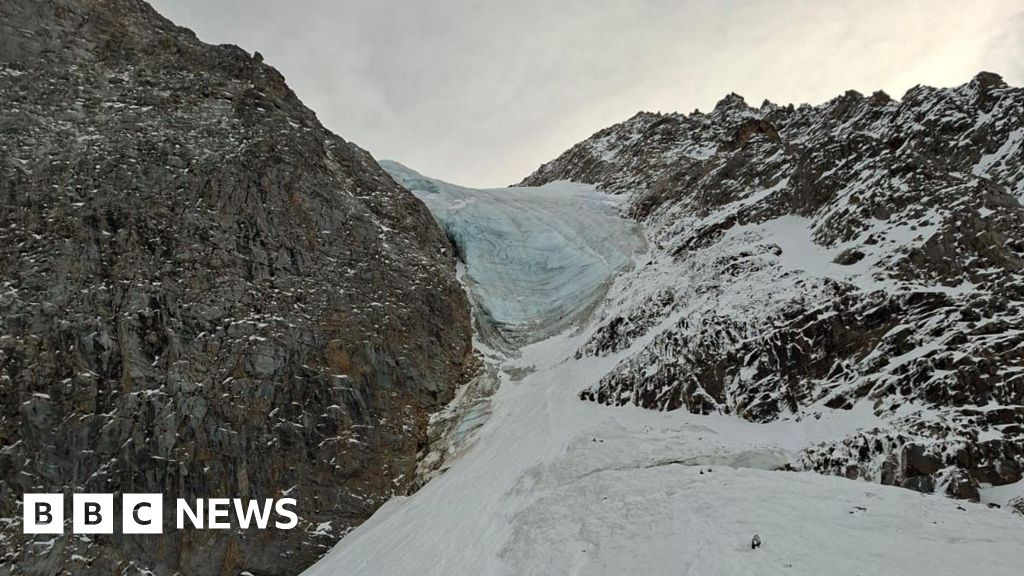

The recent avalanche tragedy in Italy’s Dolomite mountains has cast a stark light on the growing dangers posed by shifting climatic conditions in iconic alpine regions. Five German mountaineers, including a 17-year-old girl and her father, lost their lives amid a sudden and destructive snowslide on Cima Vertana in the spectacular yet perilous Ortler Alps. This incident underscores the multilateral risks confronting modern mountain sports, even as thousands of enthusiasts continue to pursue adventure in these treacherous terrains. The event has ignited alarm within international mountaineering circles and has prompted urgent questions about how climate anomalies are magnifying the risks faced by climbers worldwide.
According to rescue officials, the avalanche was likely triggered by recent snowdrifts that had failed to bond with the underlying ice, a phenomena increasingly associated with the unpredictable impacts of climate change. Olaf Reinstadler, spokesperson for the Sulden Mountain Rescue Service, pointed out that weather conditions had been generally favorable, yet the timing of the climbers’ ascent—late in the afternoon—may have contributed to the tragedy. This detail raises questions about safety protocols and the decision-making processes of climbers venturing into high-risk terrain when visibility and daylight are waning. As rescue efforts resumed after initial delays caused by fog and low visibility, the bodies of the father and daughter were recovered at 2,600 meters, leaving the international community to grapple with the implications of such incidents amid a changing climate.
The geopolitical impact of rising mountain hazards extends beyond individual tragedies, affecting tourism, regional economies, and international perceptions of risk. The European Union, along with regional authorities, must grapple with how to adapt mountaineering safety standards in light of climate irregularities and unpredictable weather patterns. These events have sparked debate among environmental analysts and historians—some warn that the allure of mountain adventure may be increasingly overshadowed by danger, calling for tighter regulations and better forecasting tools. Organizations such as the United Nations Environmental Programme have emphasized the pressing need to consider the broader environmental shifts contributing to such disasters, framing climate change as a threat to human safety and cultural heritage in alpine zones.
As the echoes of this tragedy fade into memory, the unfolding story of climate variability and human resilience continues to write itself into the annals of history. The mountain’s silent verdict — a reminder that uncontrolled natural forces are reshaping our world — hangs heavy over Europe, urging nations and communities to reconsider how they coexist with the increasingly unpredictable natural landscape. Each rescue mission, each loss, pushes this narrative forward: the question of how society can adapt and survive in a world where even the majesty of the mountains can turn deadly in a heartbeat.