Matox News

Truth Over Trends, always!

Inflation Hits 3.2%, So No Rate Cut for Homeowners This Melbourne Cup Day

The Rising Tide of Inflation and Its Global Consequences

In an era marked by unpredictable economic tides, Australia’s latest inflation figures signal a turning point that extends well beyond its shores. According to the Australian Bureau of Statistics, inflation soared to 3.2% in the year ending September, climbing sharply from 2.1% in June. This increase, driven primarily by surging electricity prices—up 24%—reflects a broader challenge confronting economies worldwide: the aftermath of waning government subsidies and disrupted supply chains. The revelation confirms a significant shift in the country’s economic trajectory, compelling the Reserve Bank of Australia (RBA) to abandon any hope of rate cuts in the near future.

This escalation has profound geopolitical implications. As the RBA’s preferred measure of underlying inflation points to a rise of 1% over three months—far outpacing the predicted 0.6%—other nations watch with concern. Economist and analysts warn that persistent inflationary pressures can trigger a series of adverse global effects, ranging from increased living costs to potential social unrest. The rise in household utility bills, combined with inflation in grocery staples like coffee and cocoa—up 15%—underscores a widening economic strain that resonates in countries across stratified income levels. Specifically, the impact on Australia’s domestic stability and the broader Asia-Pacific economic alignment could reverberate for years to come, especially as regional nations grapple with similar inflationary pressures.

The Strategic Response and the Global Economic Narrative

  • Australia’s central bank signals that a *quarterly* increase in inflation of 0.9% would be a “material miss,” effectively halting prospects of rate cuts.
  • The focus shifts from unemployment—a low rate indicating relative resilience—to inflation control, revealing a governing priority on maintaining monetary stability amidst mounting cost-of-living concerns.
  • Historian and geopolitical analyst Dr. Thomas Hartley emphasizes: “Inflation acts as a geopolitical stressor, influencing diplomatic relations, trade policies, and internal stability. When a major economy like Australia signals caution, it nudges a global realignment of monetary and trade strategies.”

While petrol prices saw declines, the broader picture remains daunting. International organizations, including the IMF and World Bank, warn that persistent inflation can weaken nations’ capacities to fund critical sectors, thereby amplifying inequalities and destabilizing societies. This development casts a shadow over the global economic outlook, with emerging markets and resource-dependent economies feeling the heat—drawing them into a tightening web of geopolitical contention and economic competition.

How Decisions Shape the Fate of Nations

The decisions made by Australia’s policymakers are illustrative of a larger story—the tug-of-war between growth and stability. The RBA’s governor, Michele Bullock, explicitly acknowledged that a quarterly inflation rise exceeding 0.9% would be a “material miss,” setting the stage for cautious monetary tightening. Despite higher electricity bills and inflation in essentials, she reassured that the labor market remains resilient, with unemployment at a “pretty low” rate. Yet, this balancing act underscores the fragile state of global economic governance, where every decision bears the weight of future societal impact.

Historians and analysts note that these inflationary dynamics are part of a longer saga—a contest of economic resilience versus geopolitical realignment. If nations like Australia pivot away from expansive monetary policies prematurely, they risk plunging into recession; if they delay, inflation could spiral further, crippling the middle class and fueling discontent. The unfolding story of inflation, driven by international shocks and domestic policy, continues to shape the geopolitical landscape as power balances shift and new alliances form beneath the weight of economic uncertainty.

As history stagnates on the brink of this uncertain horizon, the weight of decisions made today echoes through the corridors of power and societal corridors alike. The unresolved tension between inflation and stability remains a saga still being written, with each policy response shaping the future of nations and societies across the world, forging a new chapter in the tumultuous story of global geopolitics.

Queensland blackout hits thousands as Victoria faces fierce winds after record wet day

The Rising Tide of Extreme Weather: A Sign of Geopolitical and Societal Shifts

Recent severe weather events across Australia highlight a disturbing trend that extends beyond mere meteorological phenomena. In Queensland and Victoria, devastating thunderstorms have caused widespread power outages, structural damages, and dangerous hailstorms, signaling an urgent need for nations worldwide to reconsider their climate policies amidst the backdrop of unpredictable and worsening natural disasters. With wind gusts surpassing 109 km/h and hailstones reaching up to 7cm, the Australian experience underscores a pressing warning—the climate crisis is no longer a distant threat but an immediate challenge that threatens the social fabric and economic stability of nations.

These events carry potent geopolitical ramifications. As governments grapple with disaster response and climate adaptation, international organizations such as the United Nations are under scrutiny for their handling of climate change. Critics argue that the inertia at the global level hampers effective action, thereby exacerbating crises that follow natural calamities. Analysts warn that such failures may induce mass displacement, economic strain, and even geopolitical tensions, especially if climate-induced devastation destabilizes vulnerable regions. How nations respond now will determine their resilience in the face of climate turbulence — a fierce test of leadership and unity.

Disaster as a Catalyst for Social and Political Transformation

The Australian storm episodes also expose the vital role of national agencies in crisis management. In Victoria, over 1,300 households were plunged into darkness, and power infrastructure sustained “significant damage,” according to Energex, a prominent power distributor. The widespread outages reveal the fragility of aging infrastructure that struggles under extreme weather—a stark reminder that Western countries must prioritize resilient energy systems. Meanwhile, reports indicate that Victoria’s State Emergency Service (SES) received nearly 600 rescue requests, mainly involving building damages and downed trees, illustrating the human toll of these atmospheric disturbances. Hovering over these emergencies is the broader question of societal preparedness and the resilience of local communities confronting relentless storms.

Historians and analysts have pointed out that such acts of nature often serve as turning points—either to bolster resilience or to reveal systemic vulnerabilities. Some experts argue that these storms are a manifestation of the changing climate patterns, which are tied to policies and economic priorities. Countries that neglect these warnings risk facing a future where natural disasters intensify, creating ripple effects across politics, economies, and security. As global institutions debate solutions, the immediate reality persists: nature’s fury does not discriminate, and its impact on societies is profound, often accentuating existing social inequalities.

The International Stage: A Test of Leadership and Resolve

The situation in Australia is a microcosm of a larger, tumultuous geopolitical landscape. From the rising tensions in Eastern Europe to the strategic maneuvers in the Indo-Pacific, nations are finding their stabilizing forces tested. Climate-related disasters serve as a stark reminder that national security now intertwines with environmental sustainability. Countries such as China, the United States, and the European Union are under increasing pressure to lead global efforts—yet often struggle with competing interests and internal divisions.

International organizations must act decisively before climate disasters morph into security crises. This involves a coordinated approach—balancing climate mitigation with adaptation strategies—while holding accountable those nations that delay meaningful action. The potential for climate-driven conflicts over resources, migration, and strategic dominance grows with each passing event. As experts warn of the cascading consequences, the weight of history presses down: the coming decades will reveal whether humanity unites in shared purpose or succumbs to discord.

In the interconnected ballet of globals and nations, the recent Australian storms are more than natural calamities—they are a clarion call. A reminder that the choices made today—whether to invest in resilient infrastructure or to ignore climate warnings—will echo through the corridors of history. As the world watches, the question remains: will the lessons of these storms forge a new era of preparedness and cooperation, or will humanity again be blindsided by the tumult of a changing natural order? The pages of history are still being written, and the storm clouds gathering over Australia symbolize a broader, more urgent storm—one that will test the resolve of nations and societies in the battles yet to come.

Worcester Student Paramedic Saves the Day by Helping Lecturer Deliver Baby

In an era marked by rapid demographic and cultural shifts, societal institutions face increasing challenges in maintaining social cohesion and supporting families. Recent stories emerging from communities across the West Midlands exemplify how these issues intersect with education, healthcare, and community resilience. The case of Elise Faragher, a third-year paramedic student at the University of Worcester, underscores how personal and professional boundaries blur when societal change meets individual lives, revealing both the strengths and vulnerabilities of our social fabric.

Elise’s journey illustrates the staggering impact that social change can have on families and communities. Her surprising experience assisting in the delivery of a baby born to her lecturer—someone she had studied under since her first year—highlights the intertwined nature of personal relationships and community life in today’s society. Such moments, while extraordinary, are often rooted in larger issues of access to healthcare, education, and social support.

  • This event exemplifies how educational institutions
  • and healthcare systems
  • are increasingly becoming spaces where social bonds are tested and reinforced simultaneously

forces of demographic shifts often lead to migration, changing family structures, and evolving social norms.

Experts like sociologist Charles Murray have long argued that societal cohesion depends on the strength of these social bonds, yet increasing social tensions threaten traditional community values. The stories from Worcester reflect how youth-oriented social dynamics are reshaping expectations around responsibility, support, and ethical care. As Elise noticias her confidence and professionalism during a momentous event, her experience exemplifies the importance of fostering moral resilience within the educational framework, ensuring that tomorrow’s professionals are equipped not only with technical skills but also with the moral compass to serve society’s most vulnerable.

Furthermore, families endure strain as social issues extend beyond healthcare into education and public policy. The challenge lies in balancing the needs of diverse populations—ensuring that tradition and progress coexist without sacrificing core community values. The story also illustrates the importance of supportive mentorships, exemplified by Elise’s positive relationship with her lecturer, Aaron Collins. His unwavering support and professionalism emphasize how crucial it is for educational institutions to foster environments where trust and camaraderie flourish—all vital for nurturing resilient citizens. Addressing these issues requires a societal shift that prioritizes not only technical competence but also moral integrity and community care.

As the society continues its tumultuous evolution, humanity is left with a poignant question: How can communities foster social resilience amidst these shifting sands? The stories from Worcester serve as quiet reminders that, even amid chaos, there exists a deep well of hope. Society is a tapestry woven from individual stories of courage, care, and moral conviction. If we recognize the importance of strengthening family bonds, investing in education, and nurturing community trust, then there remains hope for a society in transition—one where social issues are not just challenges but catalysts for renewal and transformation.

Top 232 Prime Day Deals You Can’t Miss Before Midnight

Tech Industry Faces Disruption Amid Prime Day Market Shifts

The recent culmination of Amazon’s October Prime Day exemplifies a broader trend of disruption within the consumer tech market, signaling shifts that could reshape the landscape for both established giants and innovative startups. While consumers enjoyed lucrative deals on everything from headphones to smartwatches, industry analysts point to a more profound implication: the acceleration of market consolidation, technological innovation, and heightened competition.

This annual event underscores how major players like Amazon leverage massive sales events to reinforce their dominance in the digital marketplace. However, industry insiders and tech skeptics, including experts from MIT and analysts at Gartner, warn that such waves of consumer engagement are merely a prelude to a disruption-driven era. The focus now is on innovations redefining core sectors, such as AI-powered gadgets, smart home devices, and next-generation entertainment systems. Companies that previously relied solely on traditional hardware are now rushing to adopt cutting-edge technologies like AI, machine learning, and IoT to maintain relevance and capture new markets.

Impactful shifts are taking place across different product segments. For instance, the surge in smartwear—including wearable fitness trackers and smartwatches—illustrates how health-conscious consumers are demanding “more intelligent” devices, pushing companies to innovate rapidly. Likewise, the booming soundbar and Bluetooth speaker markets reveal a race to integrate voice assistants, leading to an ecosystem where hardware must seamlessly connect to the cloud, a move that could alter business models and revenue streams. This relentless pursuit of disruption has prompted industry leaders like Elon Musk’s Tesla and Peter Thiel-backed startups to reimagine their roles within this evolving ecosystem, emphasizing disruptive innovation over incremental improvements.

The integration of AI, robotics, and cloud computing into consumer devices signals a fundamental shift in industry power dynamics and competitive strategies. The emphasis on disruptive innovation is not confined to hardware alone; emerging platforms are transforming the way consumers access and interact with digital content, fostering a fertile environment for business model reimagination and market upheaval. As Gartner’s recent reports suggest, the companies poised for long-term growth are those that prioritize agility, leverage AI-driven insights, and rapidly iterate products to meet rapidly shifting consumer preferences. The speed at which these technology waves are cresting demands urgent adaptation for established players who risk being left behind.

Looking ahead, the future of consumer technology hinges on innovation and strategic disruption. The current trends indicate an era where traditional market boundaries will become increasingly blurred, mobilized by technologies that disrupt, redefine, and democratize access. The urgency for companies, investors, and entrepreneurs is clear: those who fail to harness these technological waves risk obsolescence. As digital markets accelerate, the pace of innovation will determine which enterprises lead the charge into a reshaped technological landscape, making strategic foresight and relentless innovation more critical than ever.

Don’t Miss Out: October Prime Day Laptop Deals Won’t Last!

The commercial landscape of consumer electronics is undergoing a crucial transformation as major sales events like Amazon Prime Day continue to shape market dynamics. This year’s second Prime Day, running through October 9th, exemplifies how *disruption* in retail commerce—fuelled by aggressive online discounts—poses both challenges and opportunities for industry players. While consumers benefit from short-term price reductions on laptops and accessories, industry analysts from firms like Gartner suggest this pattern accelerates a *deflationary trend*, pressuring manufacturers and retailers to rethink their pricing strategies amid tightened profit margins.

From an innovation perspective, businesses are leveraging strategic discounts to stay competitive, especially in the rapidly evolving segment of personal computing. Premium brands such as Apple, HP, Microsoft, and Lenovo have responded with significant savings on flagship models, reflecting an industry push towards tighter integration of *disruptive* hardware features that appeal to younger, tech-savvy consumers. For example, the latest gaming laptops like the Lenovo Legion 5 and Alienware AW2725Q showcase advancements in graphics, processing, and display technology, setting new *milestones* for immersive experience. These developments are not just consumer-focused but serve as strategic innovations that challenge industry standards—pushing competitors to innovate or concede market share.

Industry observers note that this ongoing sale frenzy signals a *shift* where *disruptive trends* like direct-to-consumer sales models and AI-driven procurement algorithms are reshaping traditional distribution channels. Companies are increasingly relying on *real-time data* and market analytics, as highlighted by MIT research, to optimize pricing and inventory management dynamically. In addition, the proliferation of *smart accessories* and *integrated devices* hinges on this *disruption*, elevating hardware beyond basic functionality toward ecosystems built on interconnected, AI-enabled platforms. This evolution is compelling companies to prioritize *innovation* that aligns with the “digital-native” generation’s expectations for seamless, intelligent devices.

However, this rapid pace of change also bears significant business implications. As Peter Thiel warns, *”monopoly is the goal of technological innovation”*—but in a competitive, discount-driven environment, the risk of commoditization rises. Industry titans must balance *cost leadership* with *technological differentiation*, fostering innovation that sustains long-term growth rather than short-lived sales boosts. As market shifts accelerate, firms that harness *disruptive* innovations—such as AI-powered manufacturing, advanced materials, and sustainable design—will seize a competitive edge in the coming era of *tech dominance*. Moving forward, the urgency for brands to invest in *cutting-edge R&D* and *strategic disruptions* remains paramount; failure to do so could see legacy players sidelined by agile startups leveraging the same retail events for disruptive entry.

In conclusion, the ongoing Prime Day sales serve as a bellwether for a technology landscape at a pivotal juncture. The emphasis on *innovation* and *disruption* isn’t just about capturing short-term market share but about shaping the future of *how* technology integrates into every facet of daily life. Companies that capitalize on this moment—through dynamic pricing, AI-driven insights, and groundbreaking product developments—will define the trajectory of the digital economy in the coming decade. For industry leaders and investors alike, the imperative is clear: pace of innovation must accelerate, or risk being left behind in the wake of a *disruptive* wave that’s only just beginning.

Top October Prime Day Lego Deals: Epic Star Wars Sets & Fresh Botanicals for Trendsetters

In recent years, Lego has transformed from simple children’s toys into powerful symbols of cultural evolution and social engagement. The emergence of targeted sales events like Amazon’s Prime Big Deal Days is reshaping how consumers approach holiday shopping, especially within the youth demographic. With the recent surge in Lego deals, it’s evident that the brand is not just about building blocks; it’s about building a cultural identity that resonates across generations. Influencers, artists, and social analysts agree that Lego’s strategic positioning during these shopping seasons fuels a larger societal conversation about creativity, nostalgia, and the power of DIY culture.

One of the most noticeable shifts—highlighted by savvy shoppers and trend trackers—is how Lego’s product range now caters to a broad spectrum of social interests. From Star Wars themed advent calendars to Vincent Van Gogh’s “Starry Night” sets, the brand taps into the prestige of pop culture and fine art alike. During Prime Day, these sets are not just discounted; they become a vessel for cultural expression. For example, the Lego Star Wars Advent Calendar offers fans a chance to build and preserve some of cinema’s most iconic characters, while also creating a sense of holiday tradition. Meanwhile, adult Lego enthusiasts tap into these deals to craft home decor or artistic installations, demonstrating how Lego blurs the lines between childhood entertainment and mature artistic pursuits. The brand’s strategic deals make it clear: Lego is evolving into a lifestyle staple that speaks to the ambition of its diverse audience.

Experts like Dr. Julia Sanchez, a sociologist specializing in youth culture, note that Lego’s ability to remain relevant amidst digital distractions is rooted in its social relevance. “Lego is no longer just a toy; it’s a language of self-expression,” she explains. With social media influencers showcasing their own creative builds—ranging from architectural marvels to trending pop culture memes—the brand gains a new layer of social currency. The potential for users to share their masterpieces on platforms like TikTok and Instagram turns Lego into an interactive, participatory activity that fosters a sense of community. This participatory culture is making Lego a digital-age phenomenon: a tool for storytelling, identity exploration, and even social mobility, as users showcase their ingenuity for a global audience.

The Future of Creative Consumption: What’s Next for Lego?

As the Lego movement continues to thrive in an era dominated by instant digital gratification, a compelling question remains: Will the brand be able to sustain its cultural relevance as societal values evolve? The next big frontier is how Lego integrates emerging technologies like augmented reality (AR) and AI-driven creative tools. Will future consumers build not only with physical blocks but also code and virtual materials that bridge the tangible and digital worlds? Artists and analysts are increasingly asking whether Lego’s rising influence will inspire new forms of hybrid creativity—perhaps blending traditional craftsmanship with virtual design. The core issue is whether Lego’s strategic investments can keep pace with societal shifts towards personalization, sustainability, and digital storytelling.

The evolution of Lego during prime shopping seasons reveals deeper societal currents—highlighting how a humble toy can become a mirror for cultural aspirations. As shoppers gear up for the holiday season, the question is no longer just about finding a deal; it’s about understanding how products like Lego shape—and are shaped by—society’s evolving values and dreams. The real challenge for the future lies in whether Lego can continue to inspire the next wave of innovators who will craft not just with blocks, but with the ideas that shape tomorrow’s culture.

Gaza Ceasefire Talks Hit a New Stage as US, Turkey, Qatar Step Up Diplomacy—Third Day of Critical Negotiations

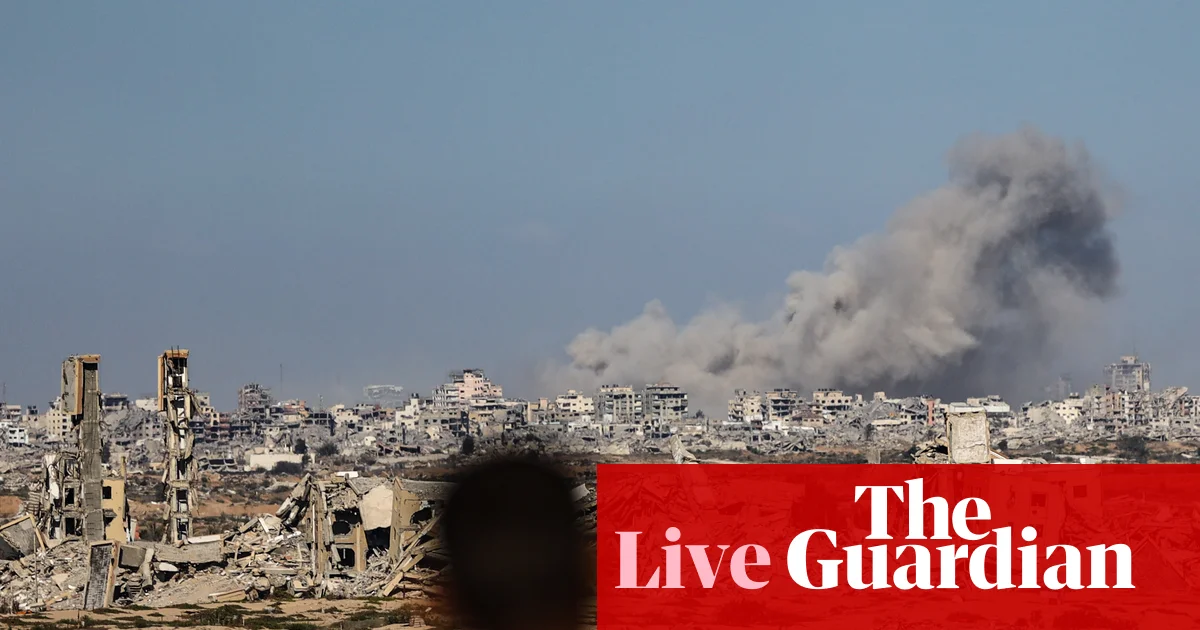
The ongoing crisis in Gaza continues to escalate, drawing increasing international concern over its profound geopolitical impact and the ripple effects felt across the Middle East. Recent events revealed a renewed effort by Israel to enforce its naval blockade, intercepting a new Gaza-bound aid flotilla organized by the Freedom Flotilla Coalition (FFC). Days after the detention of activists aboard vessels attempting to deliver vital humanitarian supplies, Israeli forces reportedly jammed signals and boarded at least two boats, asserting that their actions had no legal jurisdiction over international waters. The coalition, a consortium of pro-Palestinian organizations, contends that these vessels carried over $110,000 worth of medical supplies, respiratory equipment, and nutrition intended for Gaza’s hospitals, which are overwhelmed amid the conflict—a harrowing reminder of the human cost of the blockade.

These maritime confrontations are far from isolated incidents. Just days prior, Israel intercepted approximately 40 vessels in an aid convoy, detaining more than 450 activists involved in the Global Sumud Flotilla. The persistent pattern underscores a growing international debate over Israel’s strict maritime blockade and its impact on the civilian population in Gaza. Critics, including some United Nations officials, argue that Israel’s tactics effectively suffocate a population already suffering from a UN-declared famine and displacement—with over 90 percent of Gaza’s residents displaced according to recent reports. Historians and analysts warn that the continued blockade, paired with widespread military actions, risks further igniting regional instability, especially as diplomatic efforts unfold behind closed doors in Egyptian resorts like Sharm El-Sheikh.

The diplomatic arena remains tense, with U.S., Turkey, and Qatar convening in what many perceive as a last-ditch effort to broker peace. Through indirect negotiations between Hamas and Israel, hosted in Egypt and based on a 20-point plan floated by Donald Trump, the international community’s hopes hinge on what some describe as a fragile window for peace. According to officials, the presence of strategic figures—like Qatar’s Prime Minister Sheikh Mohammed bin Abdulrahman Al Thani, Turkey’s intelligence chief Ibrahim Kalin, and Trump’s special Middle East envoy Steve Witkoff— underscores the high stakes involved. President Trump himself has expressed cautious optimism, stating that “there’s a real chance that we could do something,” emphasizing the importance of securing the release of Israeli hostages and ending the bloodshed.

However, the path toward stability remains paved with violence and disappointment. The anniversary of Hamas’s infamous 7 October 2023 attack, which resulted in over 1,200 deaths—primarily civilians—and the taking of hostages, serves as a stark reminder that conflict remains deeply entrenched. Israeli society commemorates this event with mourning and calls for action, even as some voices warn of the risks of surrendering sovereignty or strategic interests in the face of diplomacy. The global pressure to halt the violence grows, yet the battlefield’s scars deepen, with over 35 arrests reported in West Bank and East Jerusalem by Israeli forces, and hospitals in Gaza struggling to care for newborns denied necessary equipment because of denied transfers from evacuated facilities. Critics argue that Israel’s relentless military response and blockade exemplify a pattern of behavior that some human rights organizations describe as genocidal—a declaration supported by recent UN inquiries.

As history continues to unfold amid these tumultuous events, the weight of impending decisions remains heavy on the shoulders of international leaders. Each diplomatic move, each blockade, and each act of violence shapes a ripple through the geopolitical fabric of the Middle East and beyond. The fervent hope that peace might one day dawn over Gaza is a fragile glimmer amid the shadows of war and history’s relentless march, reminding us all that the story of this conflict is far from written—an enduring testament to a region where the next chapter could redefine the fate of millions.

Canada Post Strikes: Here’s What It Means for Your Mail and Your Day

Canada Post Strike: The Disruption of a Nation’s Lifeline and the Future of Postal Services

The nationwide postal workers’ strike in Canada, which began on September 25, has brought the country’s mail and parcel delivery system to an unprecedented halt. Thousands of unionized postal workers have walked off the job, protesting the federal government’s recent reforms aimed at restructuring Canada Post. These reforms, which include the elimination of certain post offices and the phased reduction of door-to-door delivery, are seen by many as a significant shift away from what has historically been considered a pillar of Canada’s public service. Prime Minister Mark Carney has argued that these changes are essential to make the organization «viable in a changing landscape», citing the service’s chronic financial losses and declining demand as justification.

While the disruption might seem like a mere inconvenience to some, it touches on deep concerns about the quality and accessibility of public services. The union, Canadian Union of Postal Workers (CUPW), describes the reforms as a «direct attack» on the rights of unionized employees and the very essence of Canada’s postal tradition. The union’s stance emphasizes that these changes threaten not only jobs but also the public’s ability to participate in cultural and political processes. With mail delivery disrupted, essential government transactions—like the delivery of social security checks—and even urgent documents such as passports are affected, highlighting how vital these services are to everyday life. The strike has also raised questions about the future of governmental and public services, particularly as the department grapples with years of financial mismanagement and stiff competition from private courier companies.

The financial deterioration of Canada Post cannot be ignored. As reports reveal, the agency has suffered losses reaching up to C$1.5 billion annually, mainly due to a decline in letter mail volume and increased competition from parcel delivery firms like Amazon and FedEx. The organization’s core revenue streams are shrinking, pushing it toward an ‘existential crisis,’ as noted in a government-commissioned review. In response, Ottawa has injected a significant C$1 billion loan into the organization, but these measures are only stopgaps as the postal service attempts to reinvent itself. Suggestions from CUPW include diversifying revenue streams—such as expanding financial services and providing government access points—while Canada Post itself focuses on expanding parcel delivery and retail services.

For young Canadians—those shaping the future of policy, technology, and entrepreneurship—the postal strike presents both a challenge and an opportunity. It underscores the importance of resilient, adaptable public infrastructure that meets modern needs, whether through innovation or privatization. As the debate continues, one thing remains clear: embracing change while protecting essential services is a delicate balancing act. The ongoing dispute and reforms highlight that the transportation of communication remains more than a matter of logistics; it is a reflection of our commitment to a free, connected, and self-reliant society.

Ultimately, this moment in Canada’s postal history invites us to reflect on how a nation’s lifestyle — from its postal routes to its digital pipelines — is woven into the fabric of its identity. It is a journey of resilience, adaptation, and the relentless pursuit of a future where public services empower citizens without compromising efficiency. As young Canadians stand at the crossroads of tradition and innovation, they are called to reimagine what it means to serve and be served in a rapidly evolving world.

Global Pets Blessed in Honor of Saint Francis Feast Day

In a tradition that transcends borders and cultures, churches worldwide observed the Feast of Saint Francis of Assisi on 4 October. Celebrations encompass a unique blend of spiritual reverence and communal gathering, where the faithful bring their pets, livestock, and even farmyard roosters to be blessed, honoring the medieval saint known for his profound love of all creatures. This annual event not only emphasizes the importance of conservation and animal welfare but also underscores the enduring influence of religious practices on societal values. Yet, behind these heartfelt traditions lies a broader geopolitical fabric, woven with implications that resonate well beyond the pews.

Assisi’s patron saint remains a symbol of environmental stewardship and compassion. However, as nations grapple with rising climate change concerns and environmental policies, these celebrations subtly echo an ongoing debate about the role of religion versus secular governance in addressing ecological crises. Many international organizations, including the United Nations, have called upon communities worldwide to integrate spiritual values into their environmental commitments. Yet, such integration often prompts political tensions, especially when religious traditions challenge or complement state-led initiatives. Analyzing experts like Dr. Maria Lopez, environmental historian, suggests that these religious observances serve as a reminder of humanity’s moral responsibilities—a message that policymakers can leverage, or be challenged by, in their climate agendas.

The geopolitical impact of local customs, including the Feast’s recognition, extends into diplomatic realms. Countries with dominant religious identities or long-standing ecclesiastical influences tend to use such traditions to reinforce cultural identity and international standing. Conversely, secular or atheist-leaning regimes sometimes criticize or marginalize these events, citing secularism as vital to social cohesion. In regions like Europe, where Christianity historically shaped societal norms, these ceremonies reinforce the cultural fabric that defines national identities. Meanwhile, in parts of the global south, such celebrations bolster religious authority and social order amidst political upheavals. International bodies such as the Council of Europe monitor these dynamics, wary of how religious festivities may influence policy and societal cohesion in diverse communities.

As history’s pages turn, the significance of the Feast of Saint Francis of Assisi remains clear—it symbolizes more than venerable traditions; it embodies the ongoing struggle between tradition and modernity, faith and reason, sovereignty and global interconnectedness. The powerful symbolism of animals being blessed in a time of environmental peril serves as a potent reminder that societal choices today will echo through the corridors of history. Whether they inspire sustainable change or deepen divides, these cultural expressions are testament to a world’s continuous search for meaning amid rapid change. In this unfolding narrative of human resilience and conflict, the weight of history presses heavily upon the present, urging future generations to reflect: in the silent prayers for animals, what profound lessons of stewardship and unity are truly being voiced? The pages of history continue to turn, and the world watches, uncertain of what the next chapter will hold.

Munich Airport halts flights again over drone sightings—disrupting travel for a second straight day

In a clear reflection of the geopolitical tensions simmering across Europe, recent drone sightings have disrupted vital infrastructure, exposing vulnerabilities in regional security and sovereignty. Munich airport’s second consecutive day of shutdowns due to unidentified drone activity highlights the delicate balance between technological advances and national defense. As dozens of flights have been diverted or canceled, impacting thousands of passengers, experts warn that these incidents are more than mere nuisances—they are strategic signals from a shifting international security landscape. Authorities in Denmark, Norway, and Poland have also suspended flights, while Romania and Estonia directly linked recent aerial incursions to Russia, which vehemently denies any involvement, dismissing allegations as hysteria designed to inflate military budgets. This pattern indicates a troubling escalation—one that could redefine how nations defend their airspace and sovereignty.

An analysis from military historians and security experts emphasizes that these drone incursions are increasingly sophisticated and politically motivated. German Interior Minister Alexander Dobrindt called the first night’s drone activity a “wake-up call” for Europa’s defensive capabilities, explicitly noting the growing difficulty in policing and defending against small, yet potentially devastating, unmanned aerial threats.

  • Germany is already preparing legislative changes to authorize the military to shoot down drones if necessary

. The situation is compounded by recent statements from Bavarian officials, including Markus Söder, advocating for immediate drone destruction capabilities. Meanwhile, larger concerns loom over the role of Russia, with Poland, Estonia, and Ukraine highlighting that these incursions could be preludes to broader escalation in Ukraine or even hybrid conflicts spilling beyond traditional battlegrounds. The pattern of drone activity, particularly over military and industrial sites, aligns with Russia’s documented tactics of unconventional warfare and information destabilization.

International organizations and analysts warn that these developments threaten to plunge Europe into an era of uncertainty and heightened confrontation. The European Union, along with NATO, faces mounting pressure to adapt swiftly. The recent surge in drone activity coincides with financial cycles of escalating military spending across the continent, seen as necessary by many governments to counteract new-age threats. Meanwhile, the United States closely monitors the situation, with experts warning that unchecked drone escalation could alter the balance of power, especially if it incites an *accidental confrontation* or sparks a regional arms race. The global stage is witnessing a scenario not dissimilar to the early Cold War—where technological advances are fueling new conflicts and alliances are testing their resilience.

As the world watches with cautious trepidation, the ongoing drone saga signals more than a regional security scare. It marks a critical epoch—where the lines between peace and war are increasingly blurred by rapid technological evolution and geopolitical rivalry. The history books will remember this period as one of dangerous transition, where a series of small incursions could ignite the sparks of a larger conflict. The decisions made today—whether to escalate, negotiate, or militarize—will echo loudly through the corridors of history, forging a future that remains uncertain but undeniably imminent. In a world on the brink, every drone’s buzz becomes a reminder: the era of traditional warfare is fading into a new realm, where the prices of complacency could be paid in blood and history’s darkest shadows.

Social Media Auto Publish Powered By : XYZScripts.com